Paris · Architecture
The Exterior and the Spire
Sainte-Chapelle · Paris, France
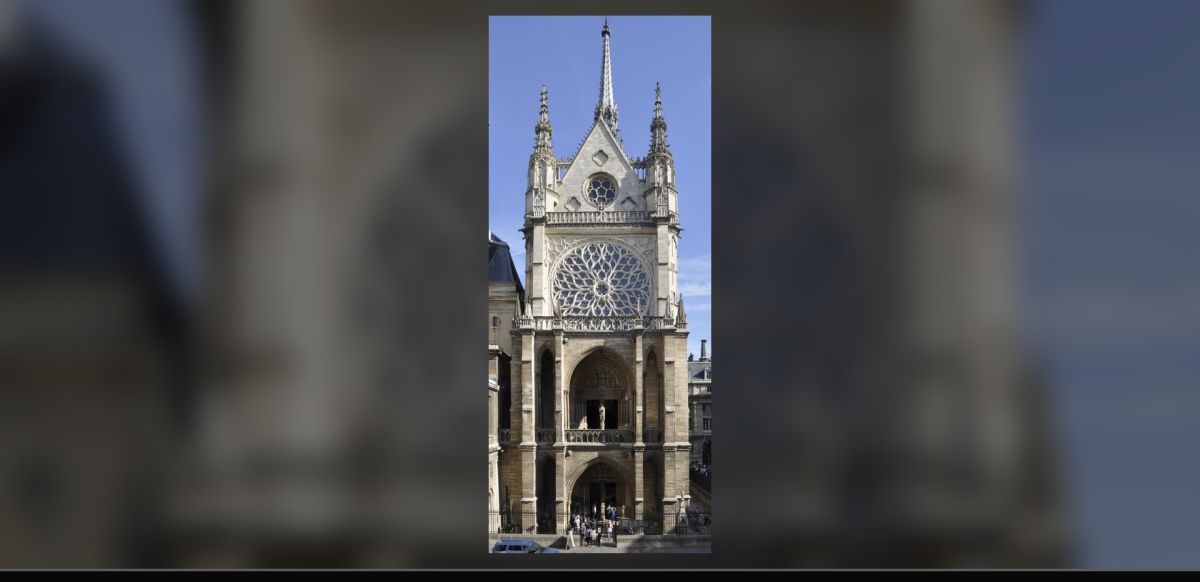
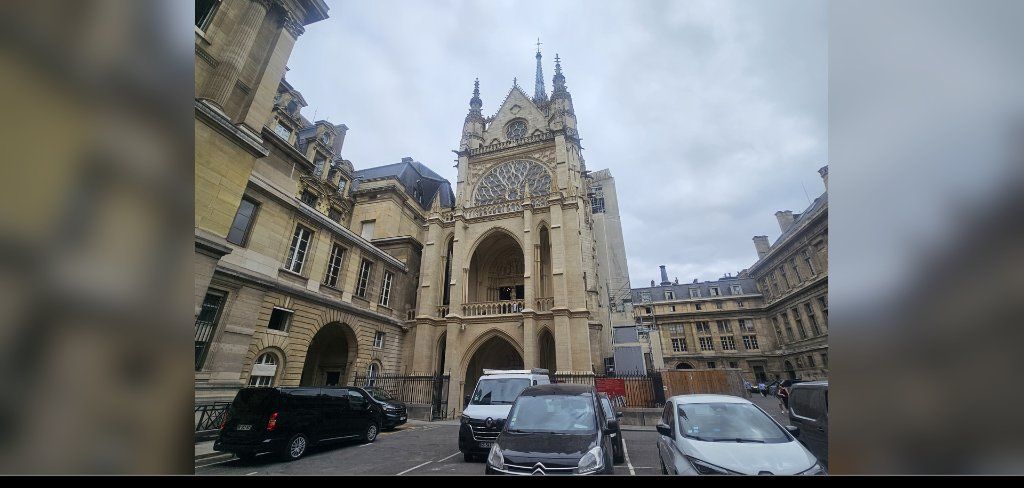
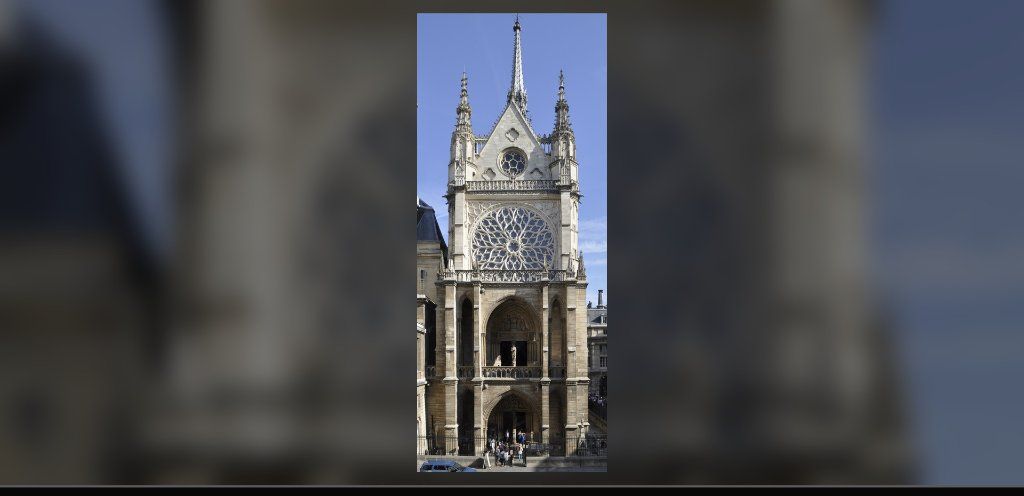
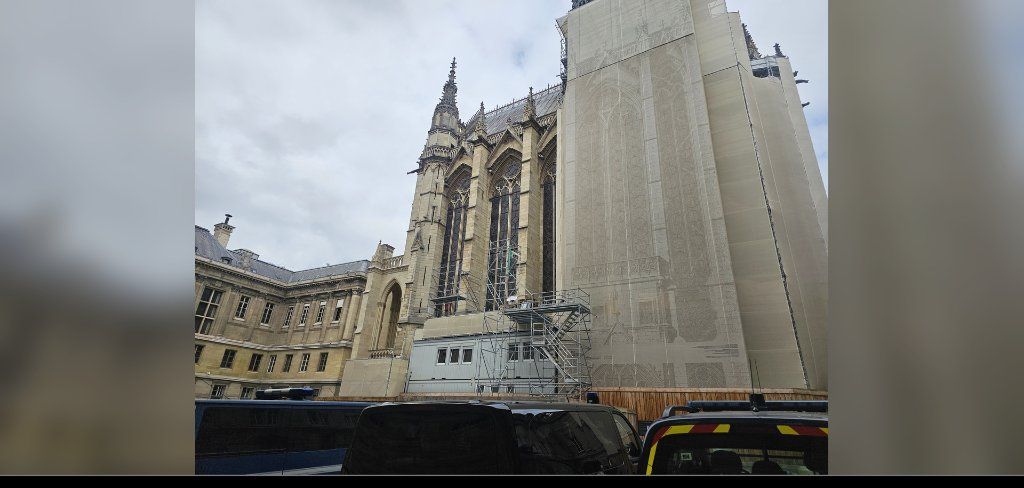
To take in Sainte-Chapelle's whole exterior, step back a little.
This isn't a building that shows off its grandeur from afar the way Notre-Dame or the Eiffel Tower does. It looks bashfully tucked in between big law-court buildings, which is why Parisians call it the city's hidden jewel. It was hidden on purpose. Eight hundred years ago this was the private chapel of the Capetian kings, set at the heart of their sprawling royal palace, the Palais de la Cité. The palace was the official residence of French kings until 1370. In the late 14th century the kings moved to the Louvre and Vincennes, and part of the palace became the Conciergerie prison and part became the law courts. But Sainte-Chapelle was sacred ground and no one dared touch it, so it survived intact.
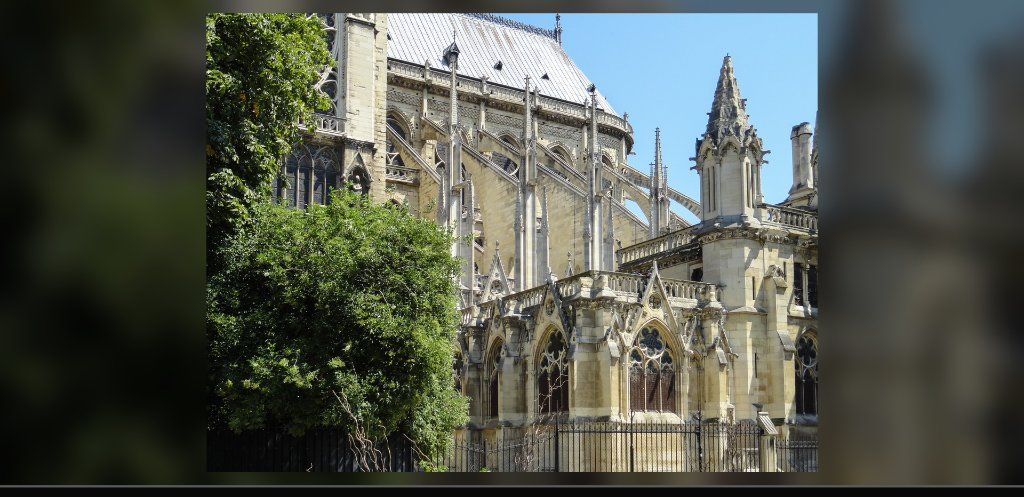
The building is narrow, long and pointed at the top. That's because it was never designed as an ordinary place of worship but as a case for a single treasure. Look at the side walls, too. Gothic churches usually bristle with massive external buttresses, or flying buttresses, to carry their weight. Around Notre-Dame or Chartres they stretch out in every direction like long spider legs. Sainte-Chapelle has almost none, only a few very slender buttresses added with great care. It was built on a single principle: use less stone, let in as much light as possible.
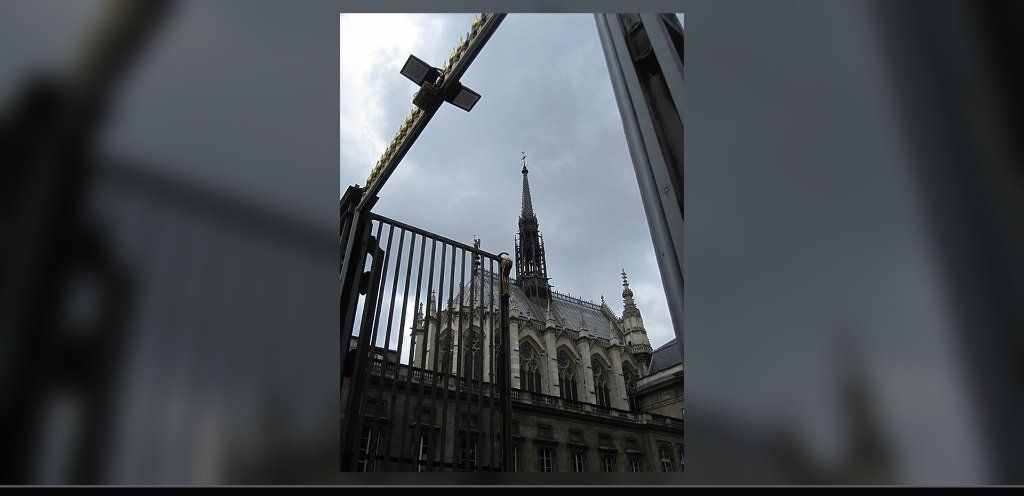
Now look up at the spire. Rising about 75 metres, the height of a 25-storey building, it carries an amusing story: a man's self-portrait is carved up there.
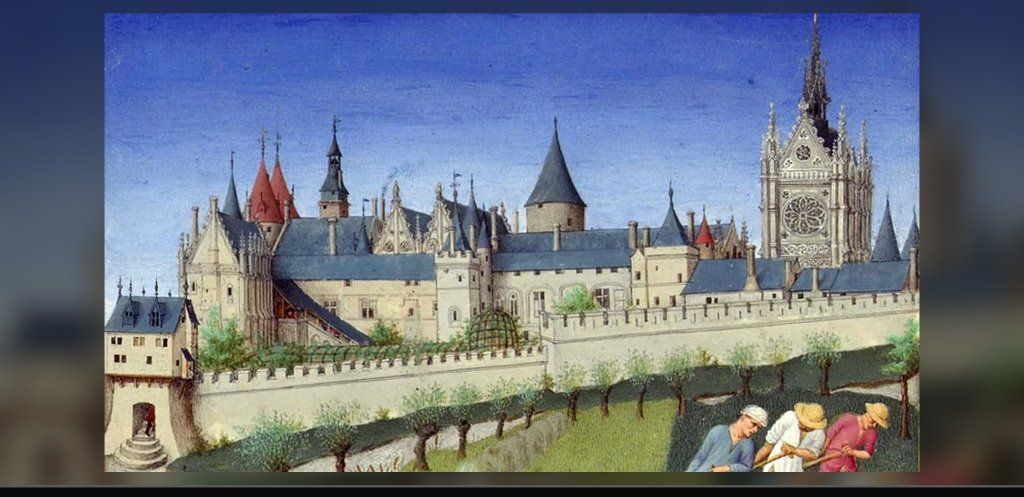
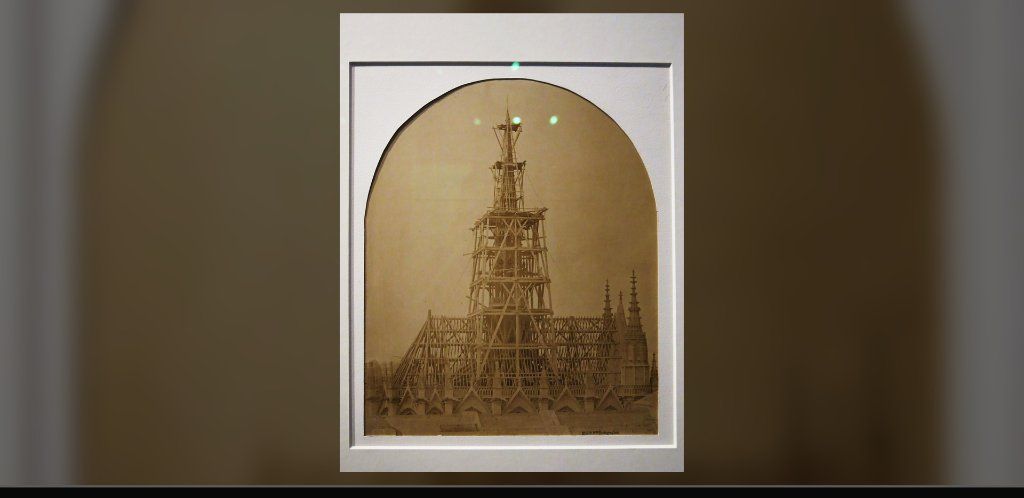
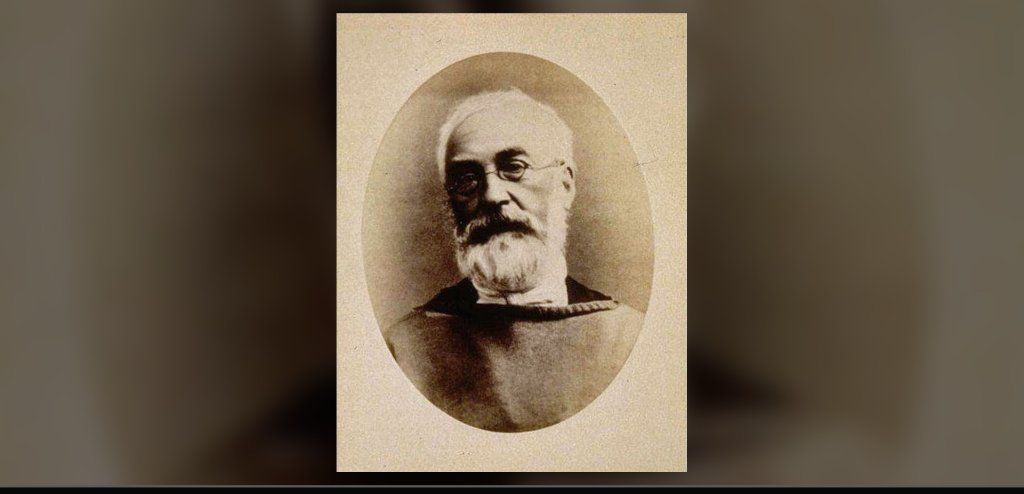
The spire isn't the 13th-century original. It's the fifth. No record survives of what the first looked like. The second went up in 1383 under Charles VI, and thanks to the illuminated manuscript Les Très Riches Heures du Duc de Berry, which depicts it, we know how it looked. The third was built around 1460, and the fourth was rebuilt after a great fire collapsed it, only to come down again in the French Revolution of 1793. The one you see now is the product of 19th-century restoration, begun in 1852 and finished in 1855, the work of the architect Jean-Baptiste Lassus. Unusually, it's made of cedar, not stone, a material that is both light and weatherproof.
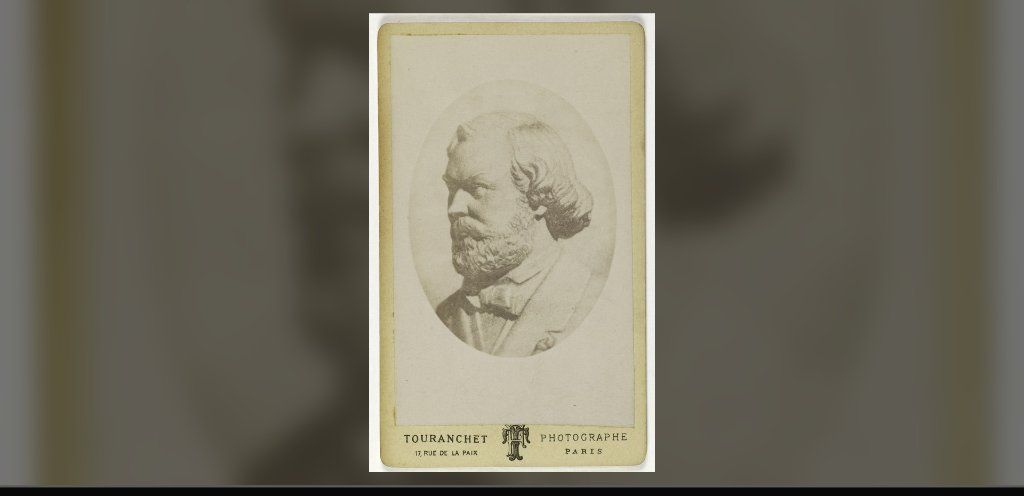
Look closely and you'll see a line of small statues descending the spire. Angels blow trumpets, and below them stand the Twelve Apostles, one by one. Two of those apostles aren't real apostles at all. The painter Louis Steinheil, who designed the sculptures on the spire's base, slipped his own face in, and not once but twice. The faces of Saint Thomas and Saint Bartholomew are said to both be Steinheil himself.
Now, please linger in front of the main entrance a little longer.