Paris · Architecture
Gothic: A Revolution of Light
Sainte-Chapelle · Paris, France
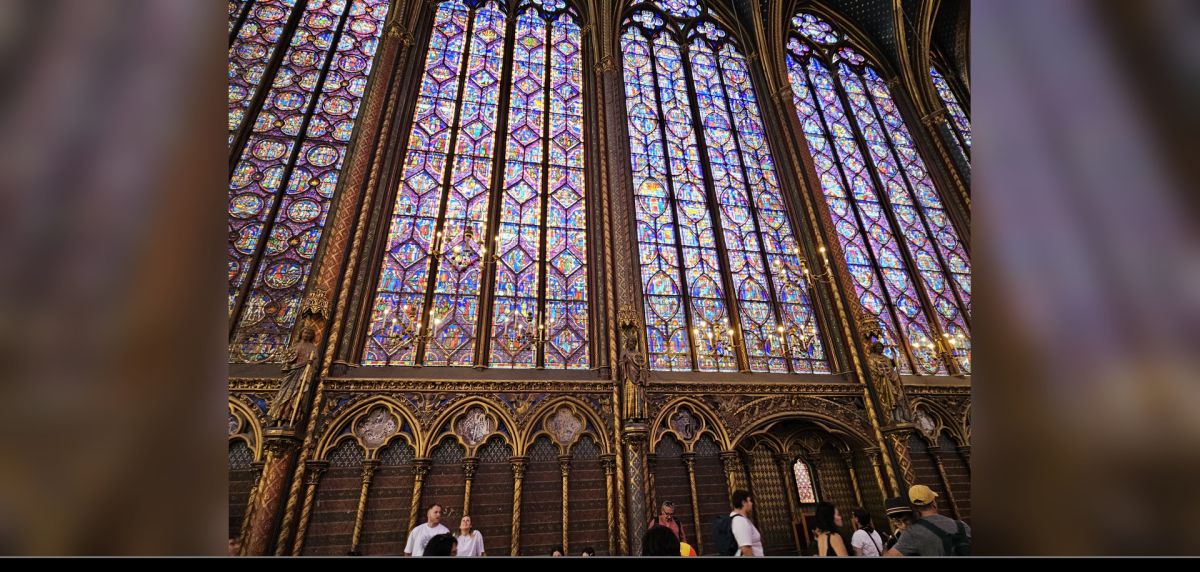

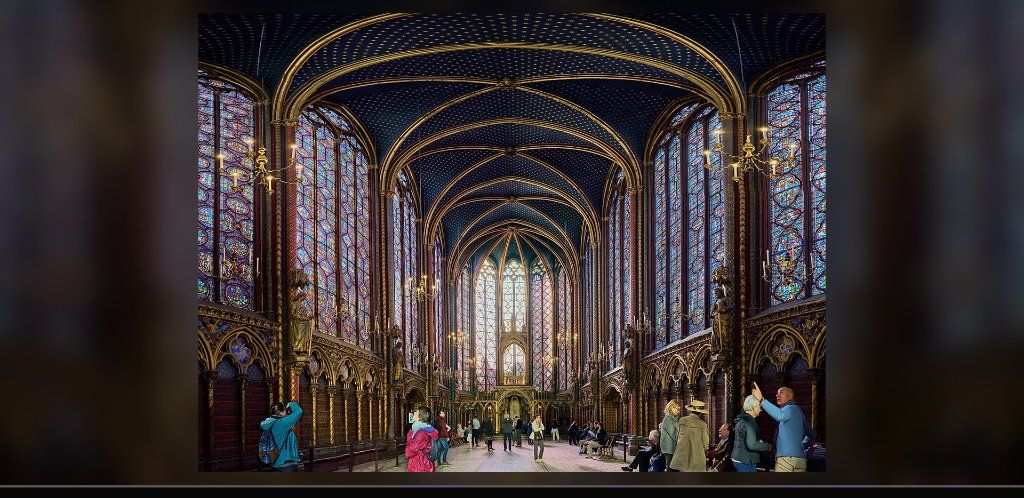
Say "Gothic" and most people picture dark churches, black clothes and a gloomy mood. This style is the exact opposite. It is, in fact, the brightest, most light-filled architecture in human history. The name itself hides a story too, which we'll come to shortly.
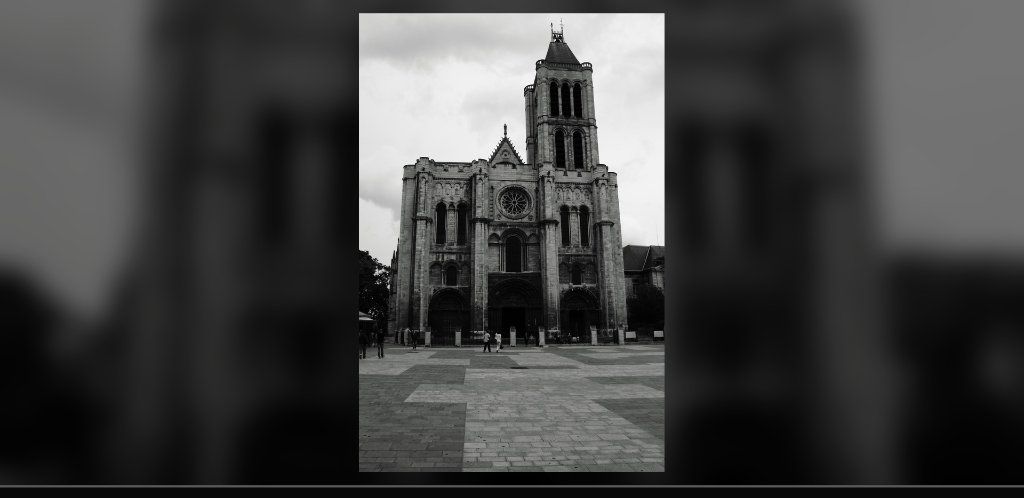
It begins around 1140 at the Abbey of Saint-Denis, north of Paris. Its abbot, Suger, kept rereading a theological text and became obsessed with one line: God is light. If so, how could God be shut up inside a dark stone house? The problem was technology. Every church of the day needed thick stone walls to carry a heavy ceiling, and the thicker the walls, the darker the interior. Suger asked: how can we cut back the walls and fill that space with light?
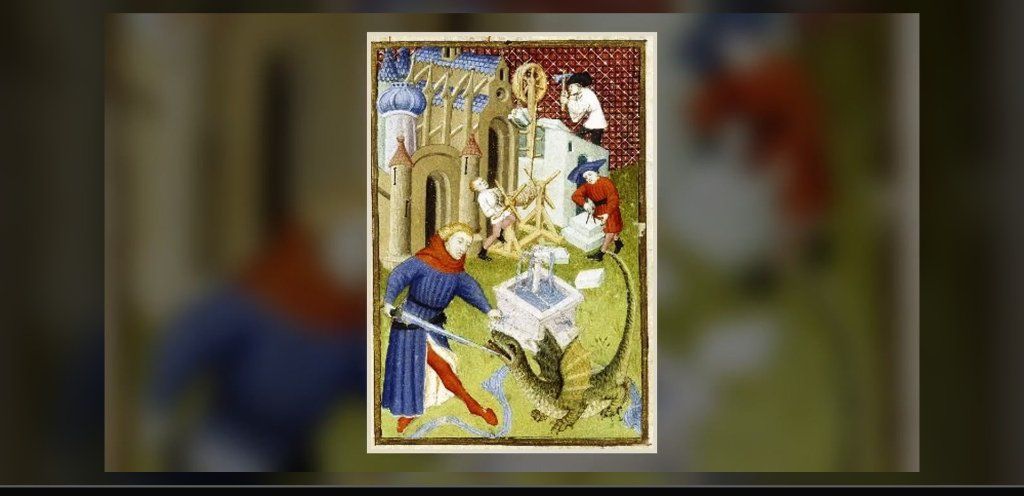
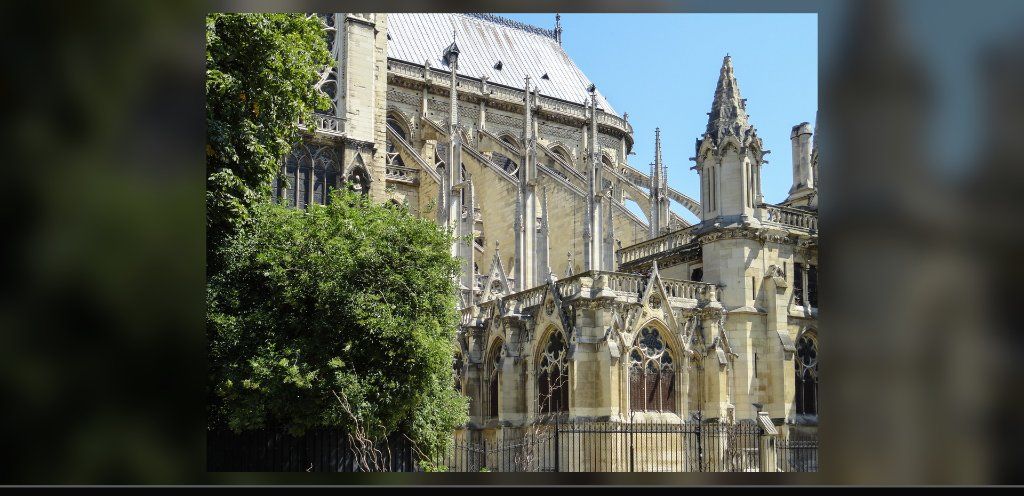
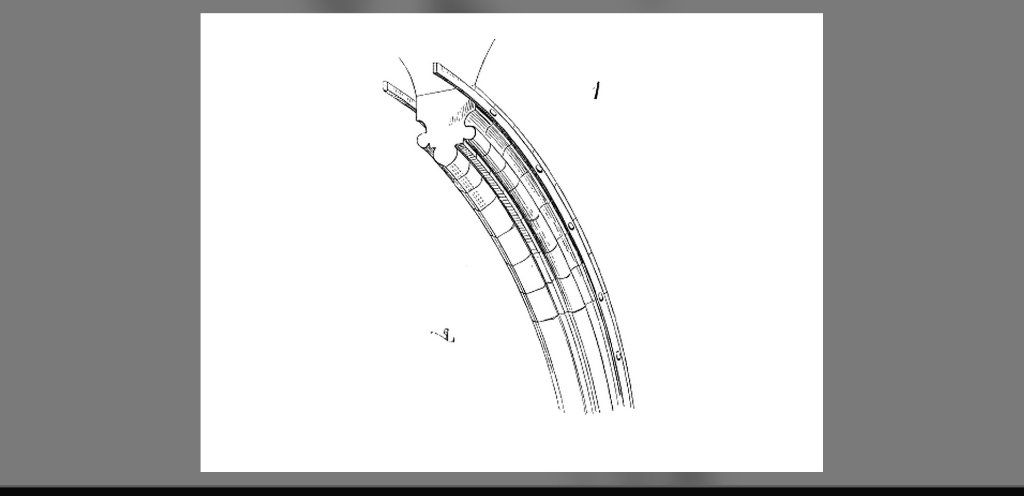
Masons took three techniques that had been used separately and combined them. The pointed arch channelled weight to a single point; a stone skeleton of ribs spread the ceiling's load; and buttresses outside absorbed the sideways thrust. When all three came together in one building, the walls no longer had to carry the weight. In the space where walls had been, windows could go in, filled with coloured glass that turned light into colour. In 1144 Suger's new church was consecrated, a building made of light as no one had ever seen before. People called it the "work of France".
For the next hundred years Europe was caught up in a curious race: thinner walls, bigger windows, more light. Cathedrals rose one after another, Notre-Dame, Chartres, Reims and Amiens, and the windows of Chartres outgrew Notre-Dame's, Reims outgrew Chartres, and Amiens outgrew Reims.
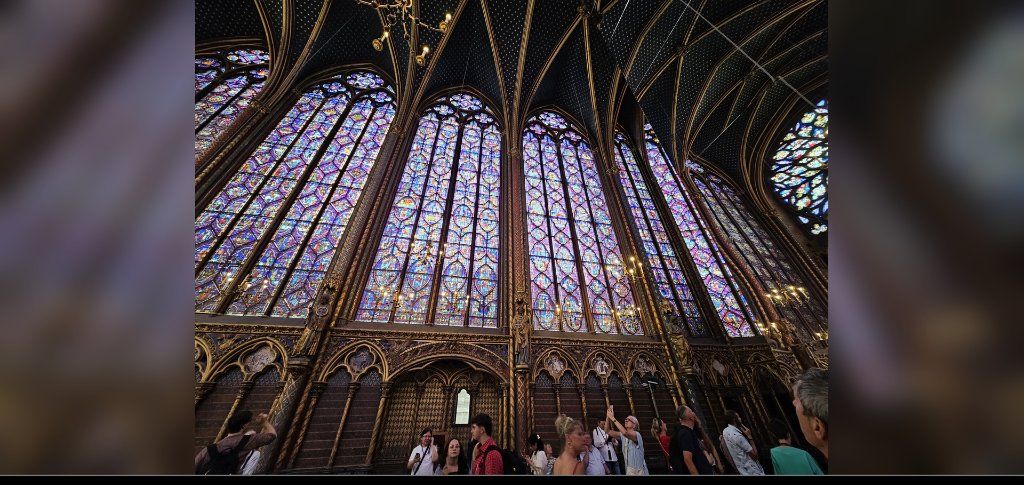
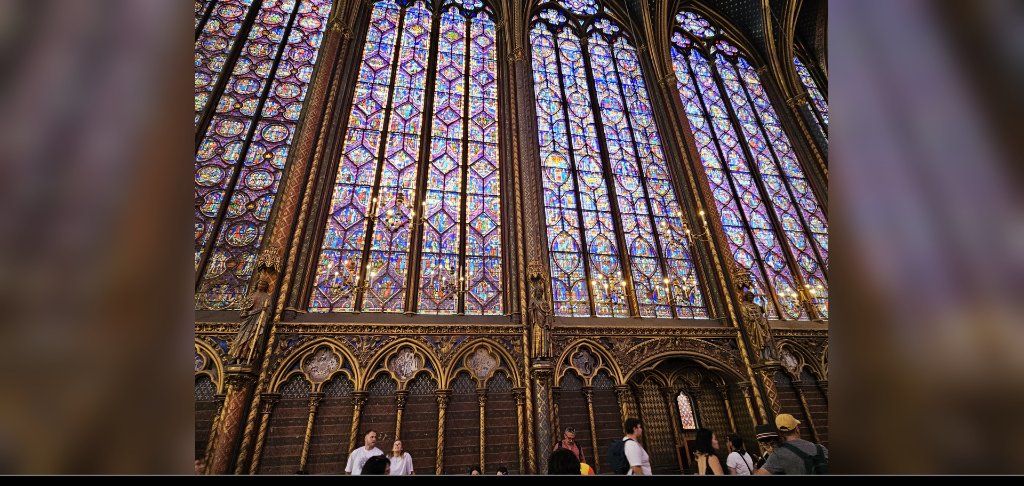
In the 1230s, when Saint-Denis, where it all began, was rebuilt, an anonymous architect took a decisive step. He removed nearly all of the upper walls and fitted windows in their place. Scholars regard this as the birth of a new style, Rayonnant, meaning "radiating". Then in the 1240s someone in that lineage pushed to the final limit: 75 percent of the wall turned to glass, an extreme that couldn't be exceeded. That is the Upper Chapel of Sainte-Chapelle, which you're about to climb into.
Now, the story behind the name. Thirteenth-century people didn't call this style Gothic. The word was coined 300 years later, in the Renaissance, as a nickname by an Italian critic, and it was meant as a sneer: the style of the Goths, in other words, barbarians. It's an unfair name for a revolution that built an architecture of light from one line, "God is light", and three techniques.
One question remains. With almost no walls, how could slender stone columns hold up such a heavy ceiling and roof? And why does this building lack the big buttresses of other Gothic churches? We'll unravel that secret later. First, let's meet the building's face from the outside: its exterior and its spire.