Paris · Architecture
Saint Louis and His Mother, Blanche
Sainte-Chapelle · Paris, France
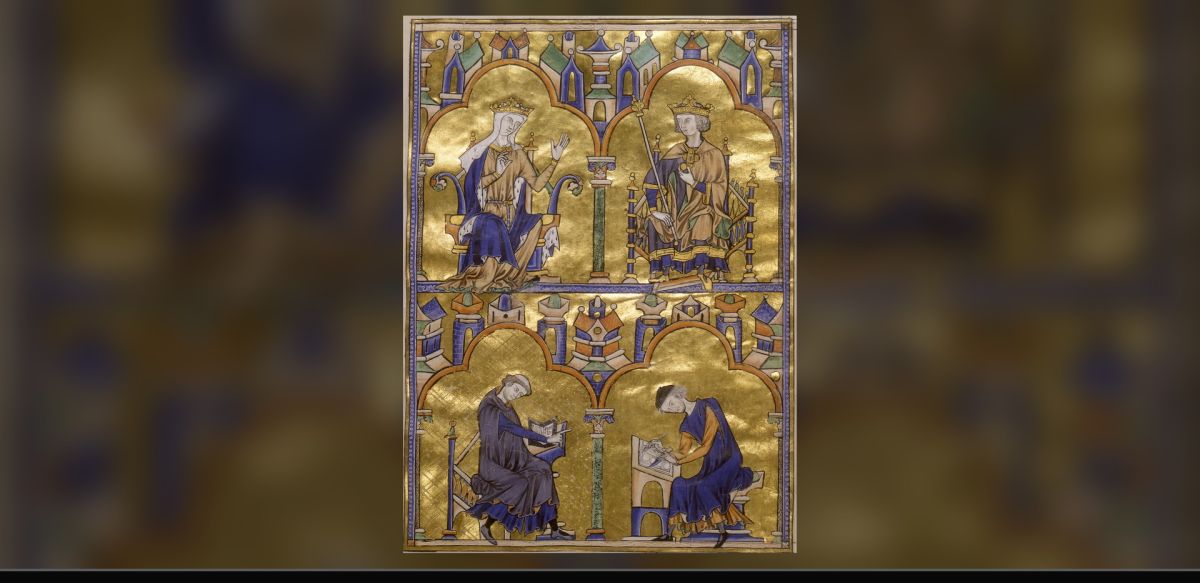
This is the story of Louis IX, who built this chapel, and his mother, Blanche of Castile.
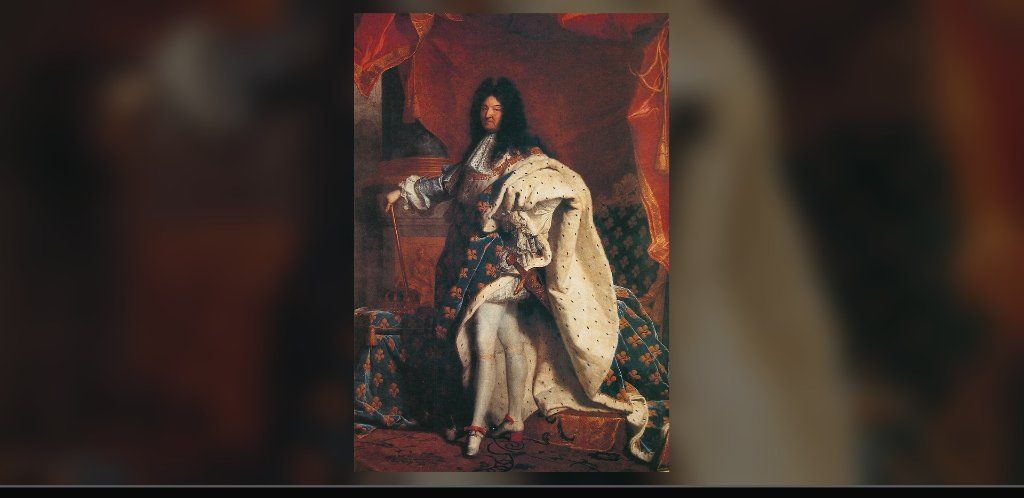
Ask people to name a French king and most will think of Louis XIV, the Sun King, who built Versailles and dominated Europe for over 70 years. Yet even he looked up to one ancestor, so much that he founded a knightly order in his name. The king before whom even the Sun King bowed his head is Louis IX, the owner of this chapel. He is the first and only French king the Church has declared a saint, which is why he's also known as Saint Louis.
His story begins on November 8, 1226, the day his father, Louis VIII, died. Nicknamed the Lion, the strong king fell ill on his way back from a campaign and died at 39. Overnight, his queen, Blanche of Castile, became a widow, and at her side stood her twelve-year-old son, Louis. Exactly 21 days after the funeral, the boy was crowned, but the people who should have been there stayed away. France's most powerful nobles largely boycotted the ceremony, and their thinking was clear: the king is dead, the boy is a puppet, and now it's our turn.
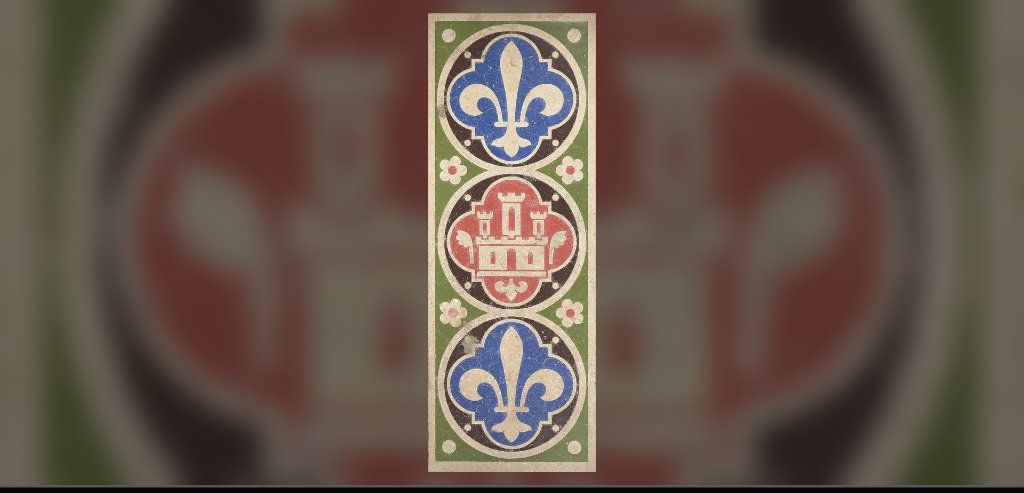
Among those wolves, the one who defended her son's crown was his mother. Born a princess of Castile in Spain, she had herself come to France as a bride at twelve. Among strange faces and a foreign tongue, she never forgot one thing: the emblem of her family, a little castle. Remember that castle. Her life was one trial after another. Of the children she bore during 26 years of marriage, many died young, and of the five who survived, Louis was the eldest. Having lost her husband too, she staked everything she had left on this son.
She is famous for something she said to him again and again: "My son, I would rather see you dead than see you commit a mortal sin." In a Middle Ages when the soul was everything, her son's soul weighed more to her than his life.
Her eight-year regency was remarkable too. When the nobles rebelled, she rode out at the head of an army herself, not once but three times. When the English king threatened to invade, she made peace through diplomacy rather than war, and the religious war that had convulsed southern France for 30 years ended in her hands. For a foreign-born queen in medieval Europe, it's all the more astonishing.
Raised by such a mother, the boy became a wise king who attended Mass every day, washed the feet of the poor with his own hands, and personally heard and judged his subjects' grievances. When Louis turned twenty in 1234, Blanche stepped aside of her own accord and remained his closest adviser until her death. In 1252, when she died, her son wasn't at her bedside. He was far away in Syria, on crusade. She guarded the kingdom in his place until her very last moment.
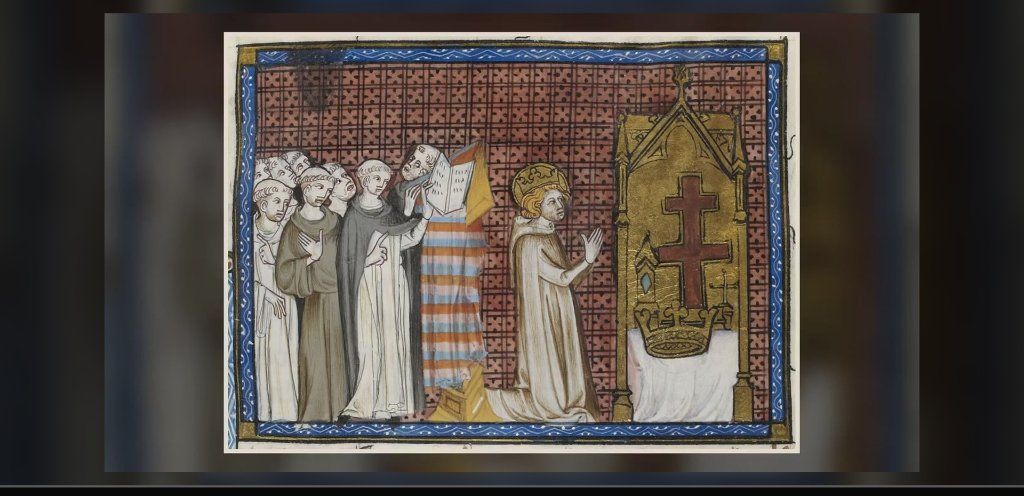
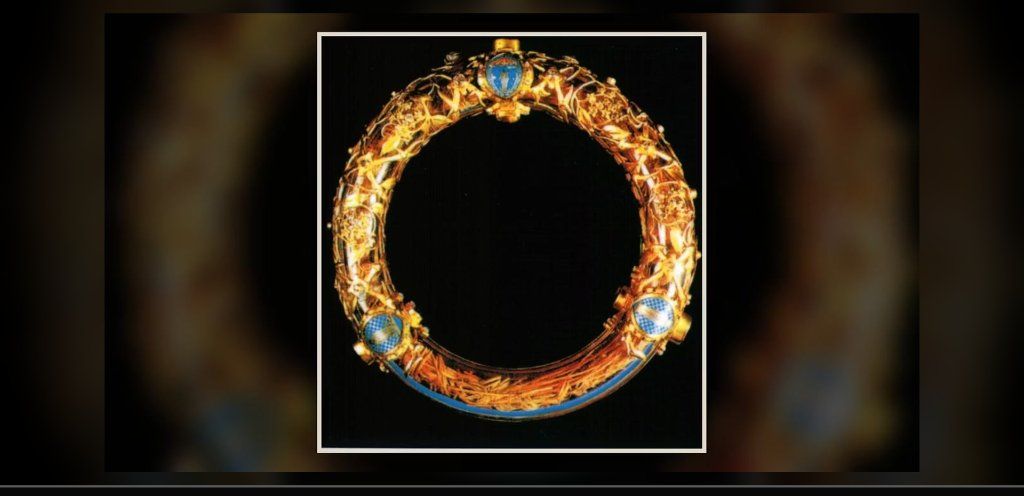
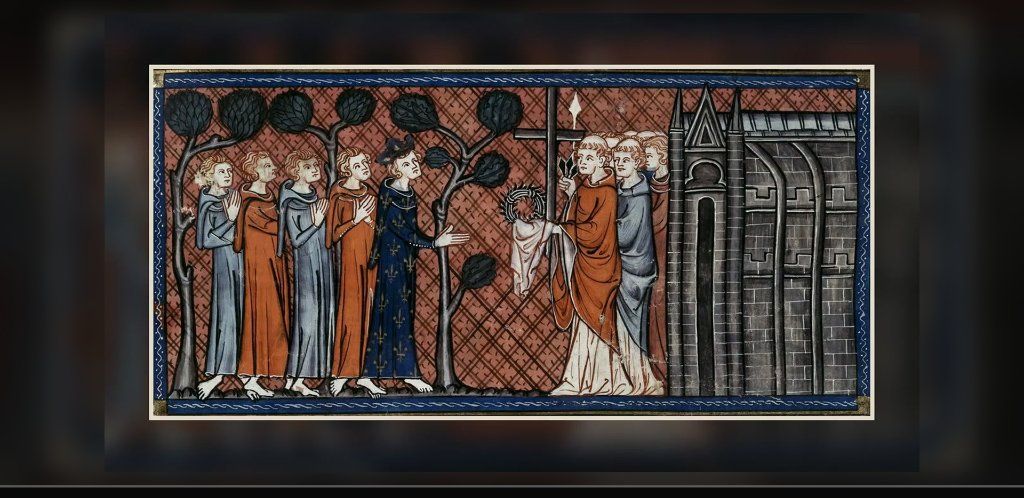
One episode from their story is bound up with Sainte-Chapelle more than any other. On August 19, 1239, in the sweltering heat of a Paris summer, a procession approached a village about 150 kilometres south-east of Paris. Eight months after two friars had set off for Venice, the Crown of Thorns had at last reached French soil after a long journey. Louis IX, his mother, Blanche, and his brother Robert came out in person to meet it and knelt before the Crown.
Nine days later, as the procession reached the outskirts of Paris, Louis did something that stunned everyone. He took off his golden crown, purple cloak and leather boots and put on nothing but a single white tunic. Barefoot, he and his brother carried the reliquary of the Crown on their shoulders into the city. Under the August sun, the two of them walked the dirt road in bare feet.
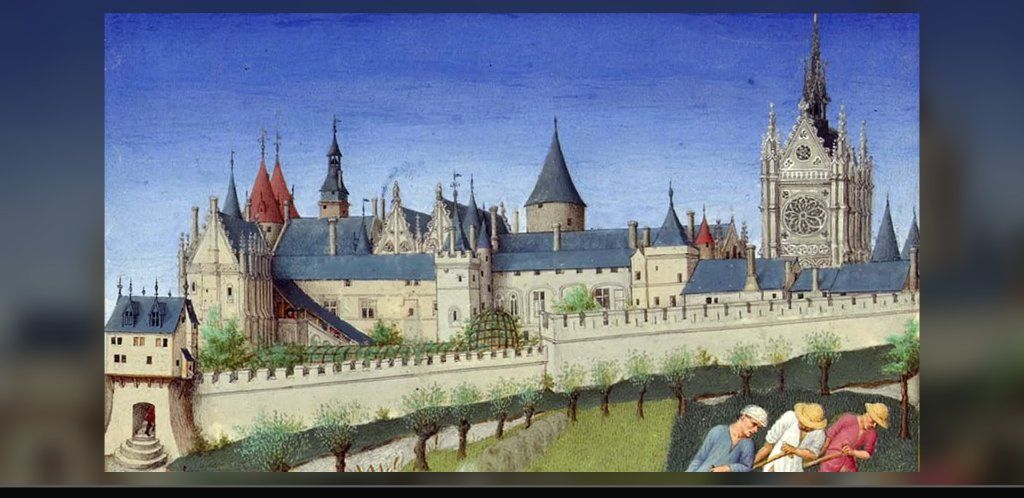
The procession paused at Notre-Dame, then moved the relic to a small chapel within the royal palace, and Louis began building a home to keep it forever. That home is Sainte-Chapelle. Now you know why fleurs-de-lis and Blanche's Castilian castle appear hand in hand all over the chapel.