Paris · Architecture
The Grande Châsse: Revolution and Rebirth
Sainte-Chapelle · Paris, France
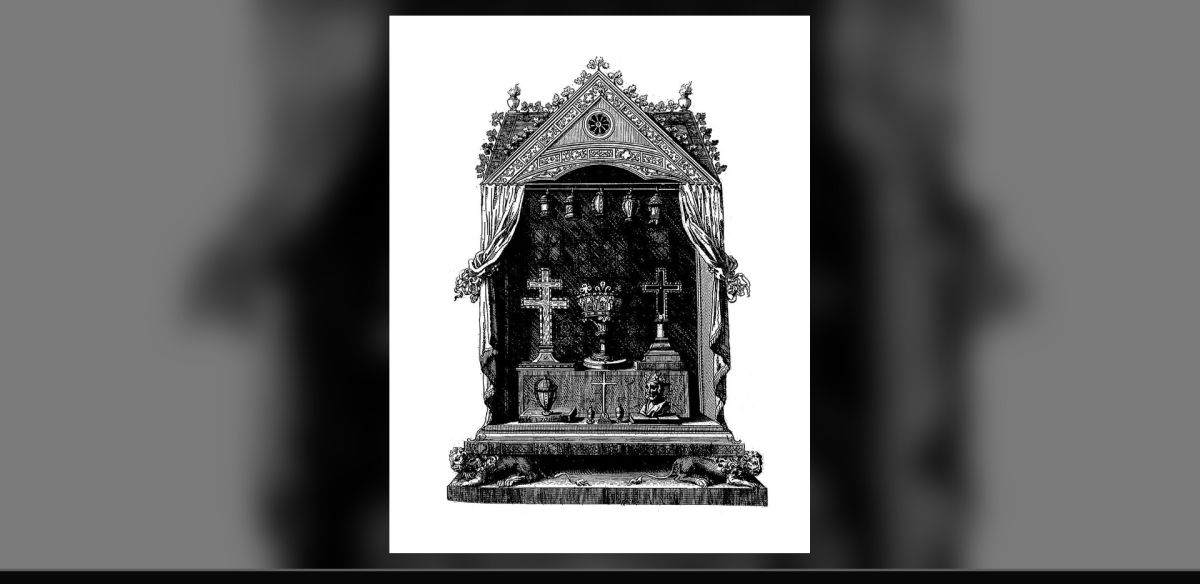
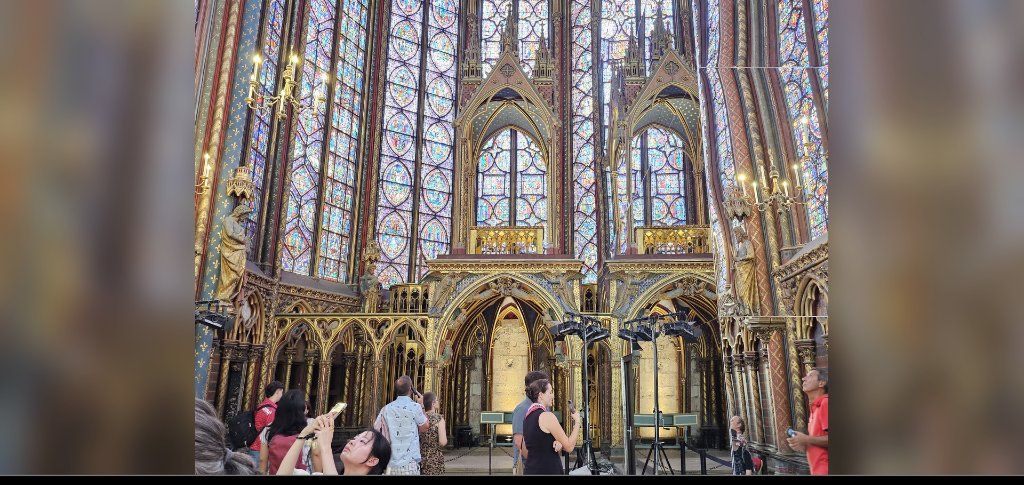
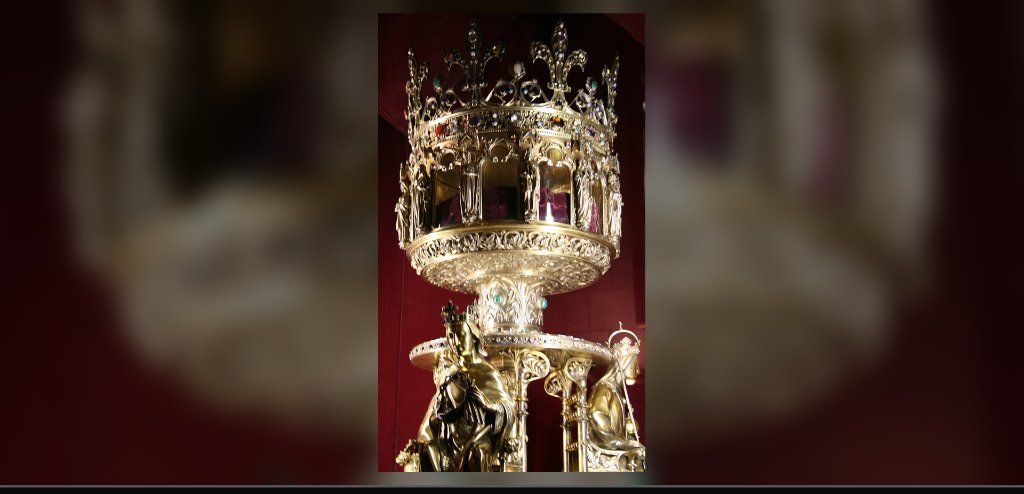
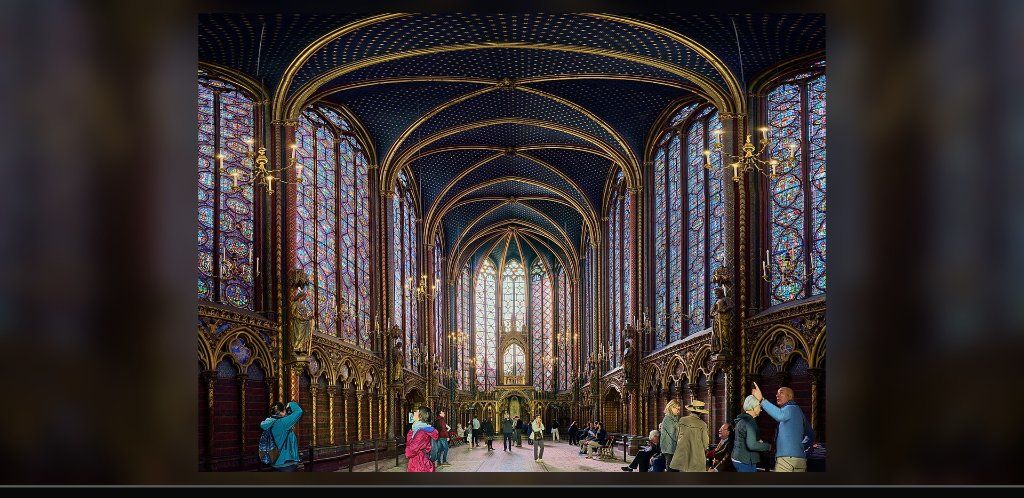
At the far east end of the Upper Chapel stands a small, empty platform. It is the most storied spot in the building, because 800 years ago the chapel's heart stood here.
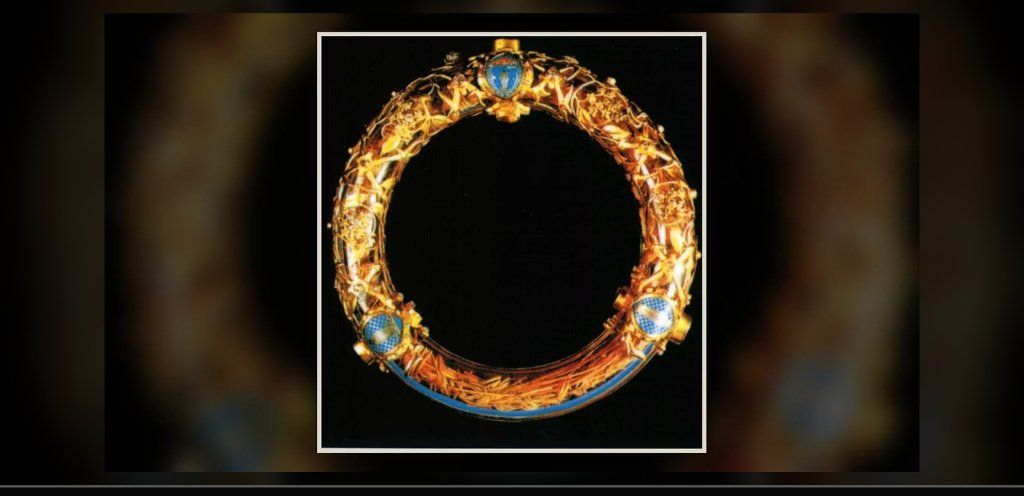
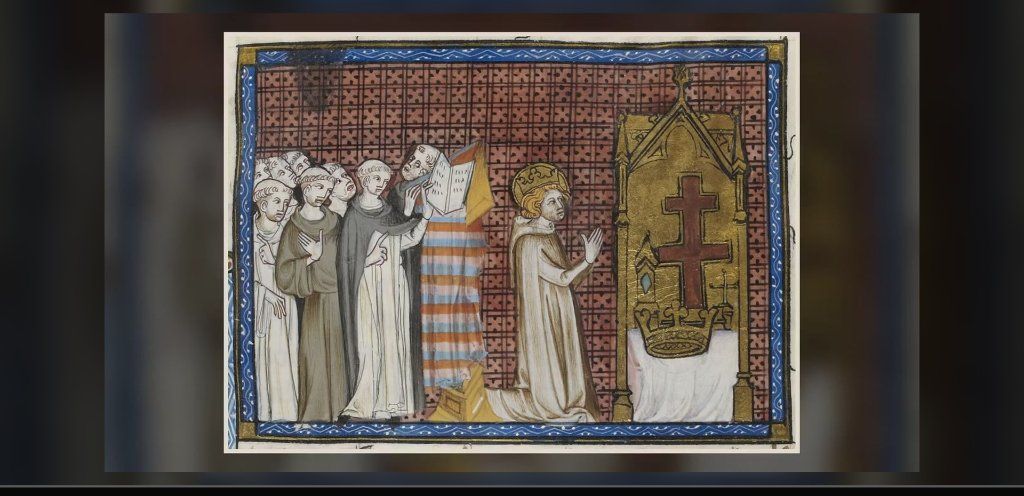
That heart was the Grande Châsse, the "great reliquary". Roughly 2.6 metres tall, taller than a grown man by a head, it was made of silver and gilded copper and shimmered gold all over. With its pointed spires and little arches, it was a Gothic church in itself: a miniature Sainte-Chapelle standing in the middle of the real one. Inside were about 22 relics of the Passion, including the Crown of Thorns, a fragment of the True Cross, the tip of the Holy Lance and a cloth stained with Christ's blood.
The Crown of Thorns may not look as you'd expect. Instead of a fearsome spiked crown, it is a 21-centimetre ring of woven reeds. Over the centuries its thorns were pulled out one by one and given away as gifts across Europe. Every Good Friday the Crown was taken out of the Grande Châsse and shown in a ceremony, and on that one day even commoners were allowed upstairs. For many, it was a once-in-a-lifetime chance to stand before it.
Tragedy struck in 1791. During the French Revolution, an angry mob pulled the massive reliquary down. They didn't merely smash it: they melted it whole and carried off the silver and copper. Fortunately the Crown inside survived, since even the revolutionaries wouldn't touch that ring of reeds. It was later moved to Notre-Dame, and on the night of the 2019 fire, it was the first thing people risked their lives to save. It is now back in the reopened Notre-Dame, so the empty platform upstairs and the Crown sit just a five-minute walk apart on the same island.
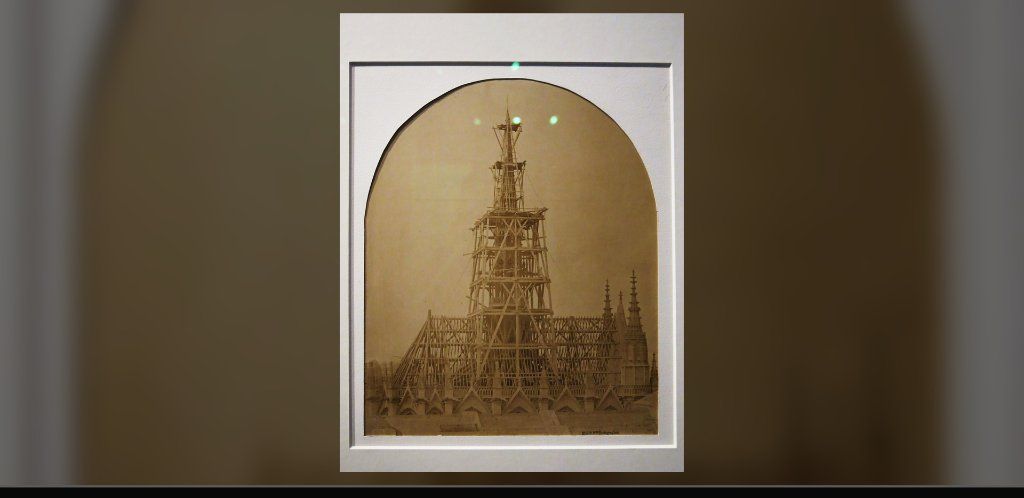
And what became of the building, now without its owner? It died, and then came back to life. To the revolutionaries it was the perfect target, a symbol of the king's faith and extravagance. The spire was brought down, the sculptures were smashed with axes, and the fleurs-de-lis were chiselled away. The jewel box then became a document store, and for 35 years it served as a filing cabinet for the neighbouring courthouse's paperwork. To install shelves, the bottom two metres of stained glass were ripped out, and the original 13th-century glass drifted onto the English art market and was scattered.
What saved the building was neither an army nor a king, but writers. Victor Hugo and other 19th-century artists rediscovered the beauty of the Middle Ages and stirred up public opinion: it made no sense to let such a treasure rot. In 1840 the government finally acted. The restoration took nearly 30 years, and Viollet-le-Duc, who worked on it, would later restore Notre-Dame too. So a building that had died was born again.