Paris · City Walks
The World's Fairs That Remade Paris
Paris · Paris, France
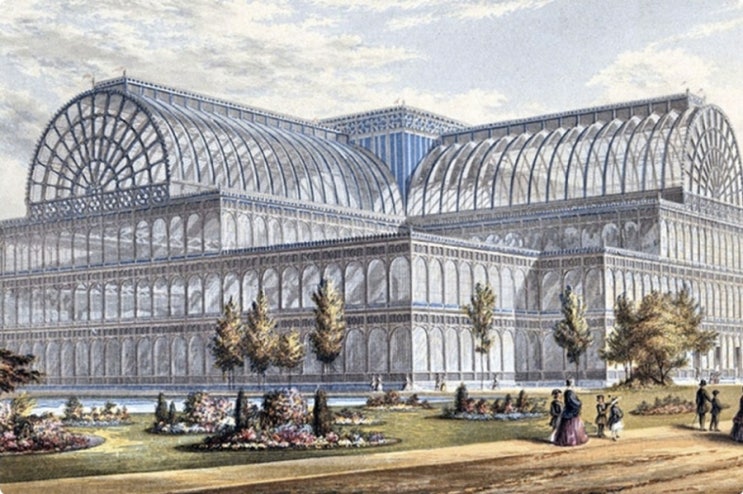
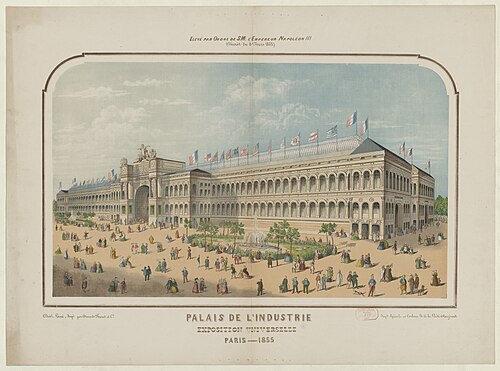
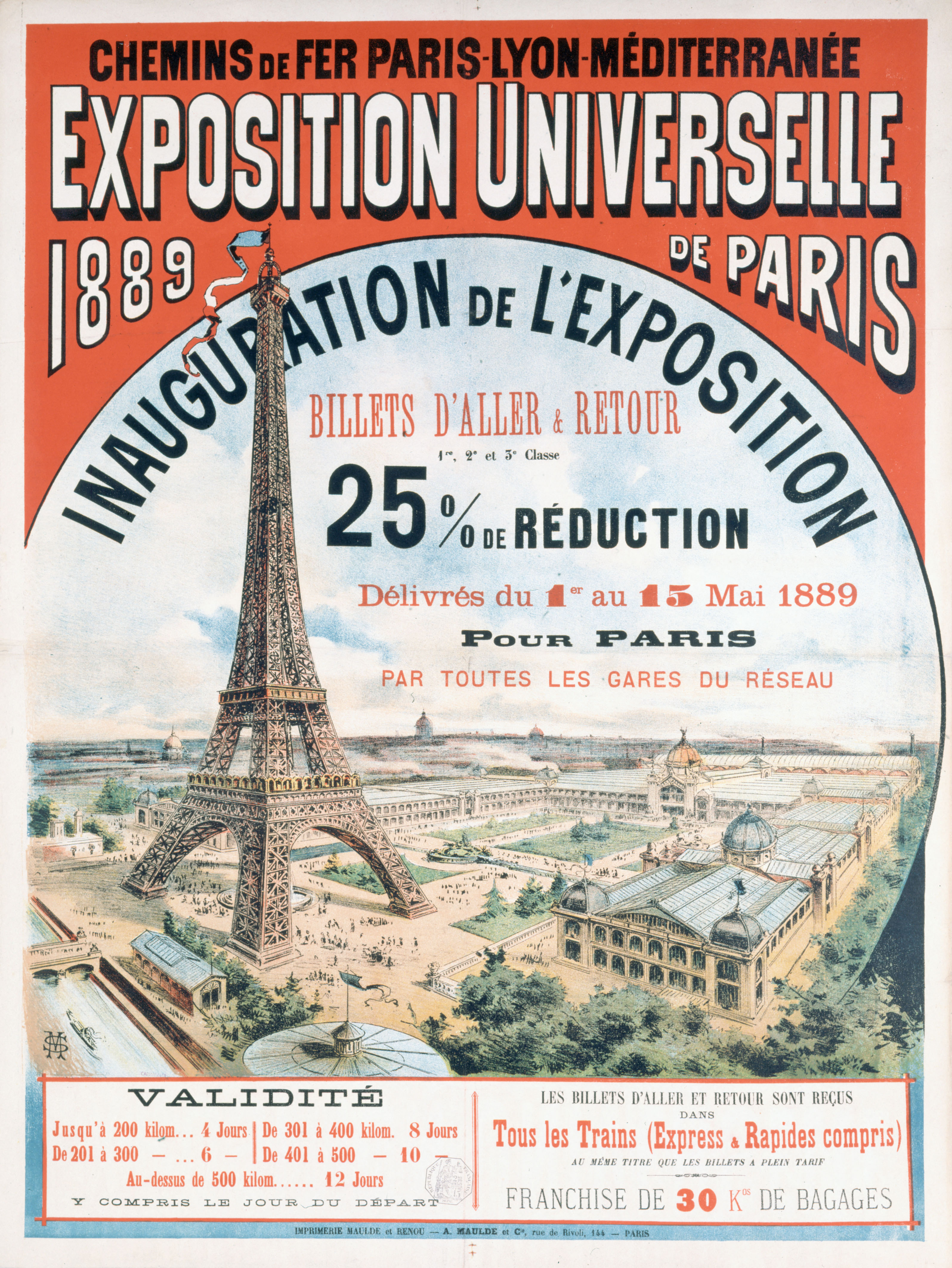
The Exposition Universelle, or World's Fair, was the biggest event of the Belle Époque and the forerunner of today's world expos. Many of the buildings that made Paris a top tourist destination, and spaces woven into everyday French life, were created because of it.
France's oldest rival is Britain, its adversary for roughly a thousand years, and that rivalry is how the World's Fair began. Europe was industrializing by the day, and Britain had been first to achieve the Industrial Revolution. France moved fast to catch up, and once it had built up its competitiveness, it wanted to show the world, so it began preparing an exhibition. But when Britain heard that France was planning the world's first Exposition Universelle, it snatched the title of "first." In 1851, it built the Crystal Palace in London's Hyde Park and held the first one there. Determined not to be outdone, France held fairs in 1855 and 1867. It even built a structure on the Champs-Élysées modeled on the Crystal Palace, but the fairs did not draw the crowds Britain's had. A stung France prepared again, and it paid off at the 1889 Paris fair marking the centennial of the French Revolution, where a structure so striking it made the Crystal Palace a distant memory appeared: the Eiffel Tower. Many people at first objected that it would spoil the view of the newly remodeled city, but rivalry with Britain, and the belief that beating the Crystal Palace was worth this much innovation, is said to have overcome the opposition.
France also set its fairs apart from Britain's by showing off what it did better and what Britain lacked. True to its reputation as the city of art, the fair displayed paintings, and as a land of fine food, it showed Bordeaux wines. About 5,000 works of art were on view, enough to need a separate hall, and it is said that Britain's Queen Victoria visited and viewed them. Its success with this approach led France to hold another Paris fair in 1900 to mark the new century, which gave rise to the Grand Palais, the Petit Palais and the Pont Alexandre III, the most beautiful bridge in Paris.
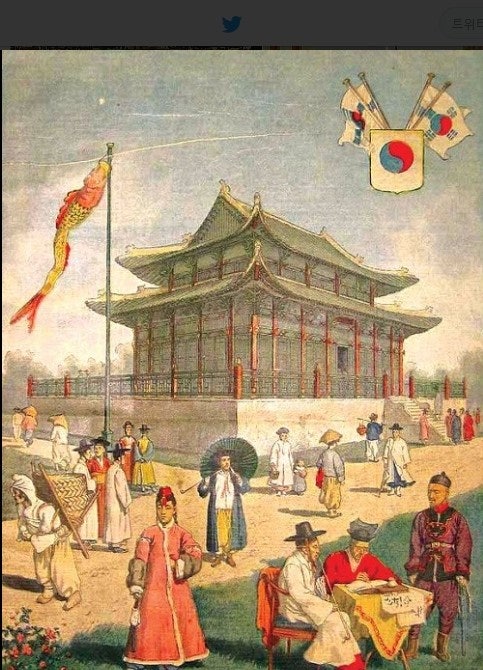
Because the fairs were meant to show off advanced technology, countries competed to exhibit inventions. The best known are the telephone, the electric light, the airplane and the car; inventions that are still closest to our daily lives debuted then. The fairs were also a stage for showing and sharing cultural excellence, so many countries built their own pavilions. Korea opened its first pavilion at the 1900 Paris fair, winning an award in agriculture, and its traditional music drew great interest. Our guide wonders whether that traditional music led to K-pop.
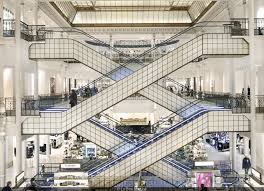
At the fair, visitors walked through beautifully decorated halls, saw products they had never seen before and experienced many cultures. Walking around looking at goods feels like a miniature version of a fair: a department store. Interest in the new products sparked the world's first department store in Paris, Le Bon Marché, which still stands in the 7th arrondissement. As interest in new goods and fashion grew, browsing and shopping in department stores became a trend. Huge crowds also brought a new form of public transport, the metro that still runs beneath our feet. It opened in time for the 1900 fair and carried people quickly to venues such as the Grand Palais and the Petit Palais.
A fair meant to show France was on a par with Britain gave birth not only to landmarks like the Eiffel Tower but to new products like the telephone and electric light and a new way of life with department stores and the metro. That is why it is called the greatest event of the Belle Époque. Next up are the Grand Palais and Petit Palais, which hosted the 1900 fair.