Paris · City Walks
The Grand Palais and Petit Palais
Paris · Paris, France
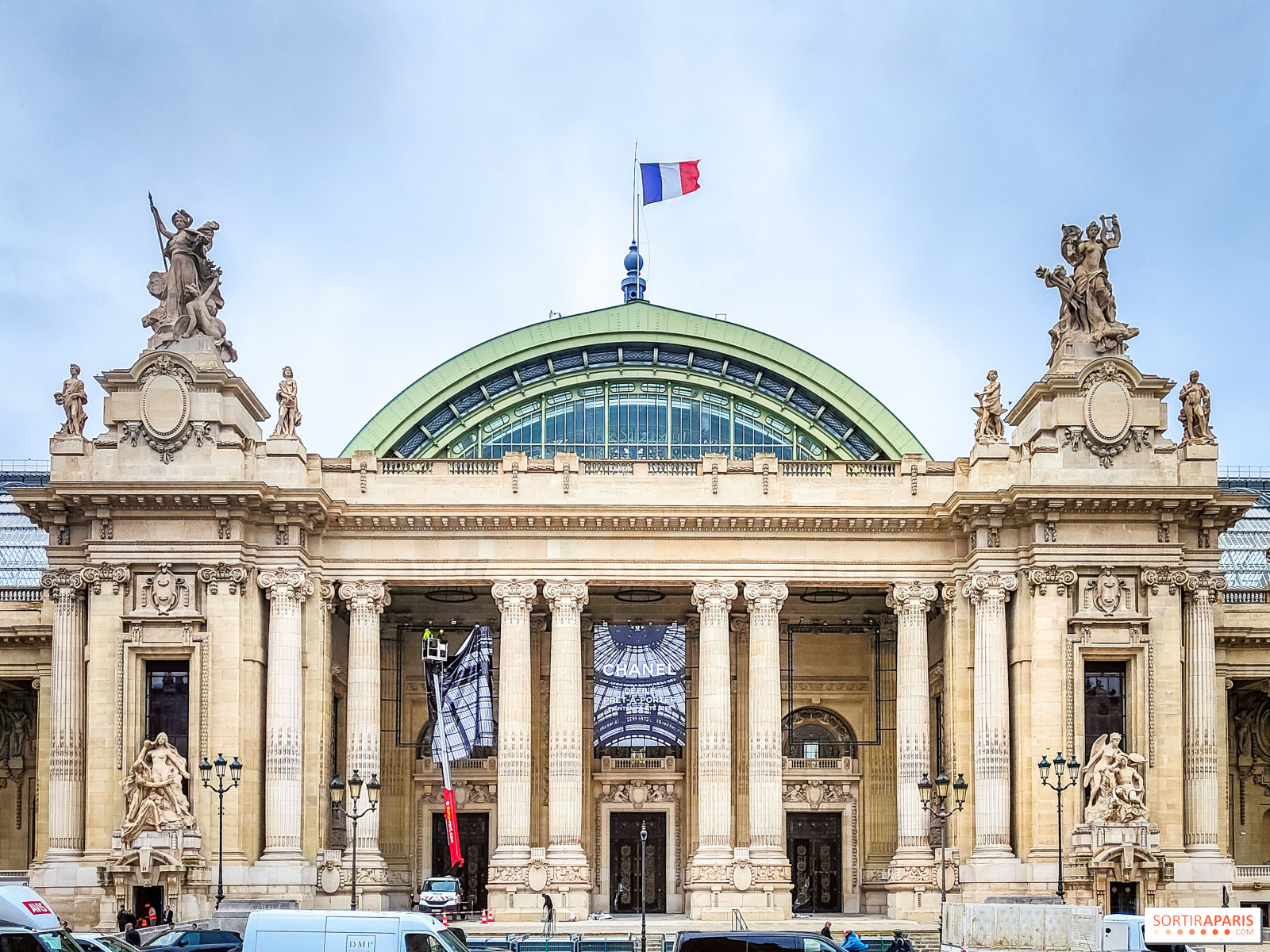
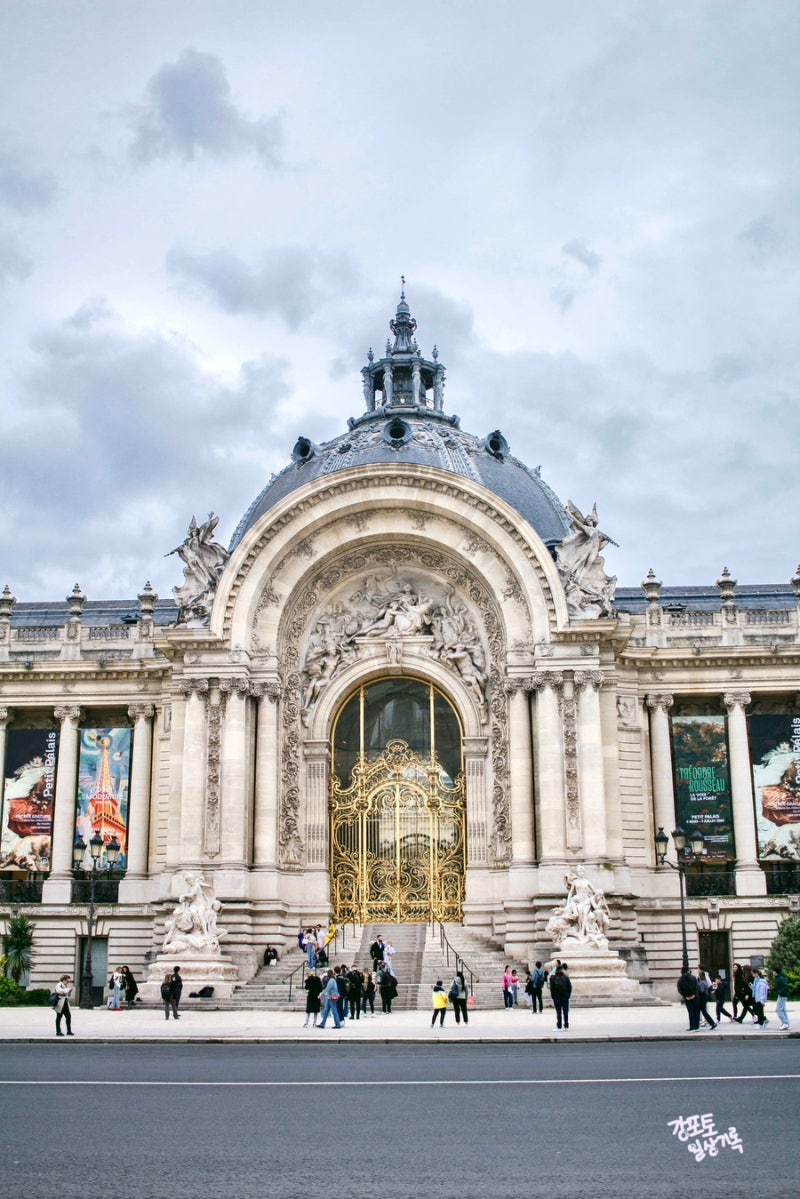
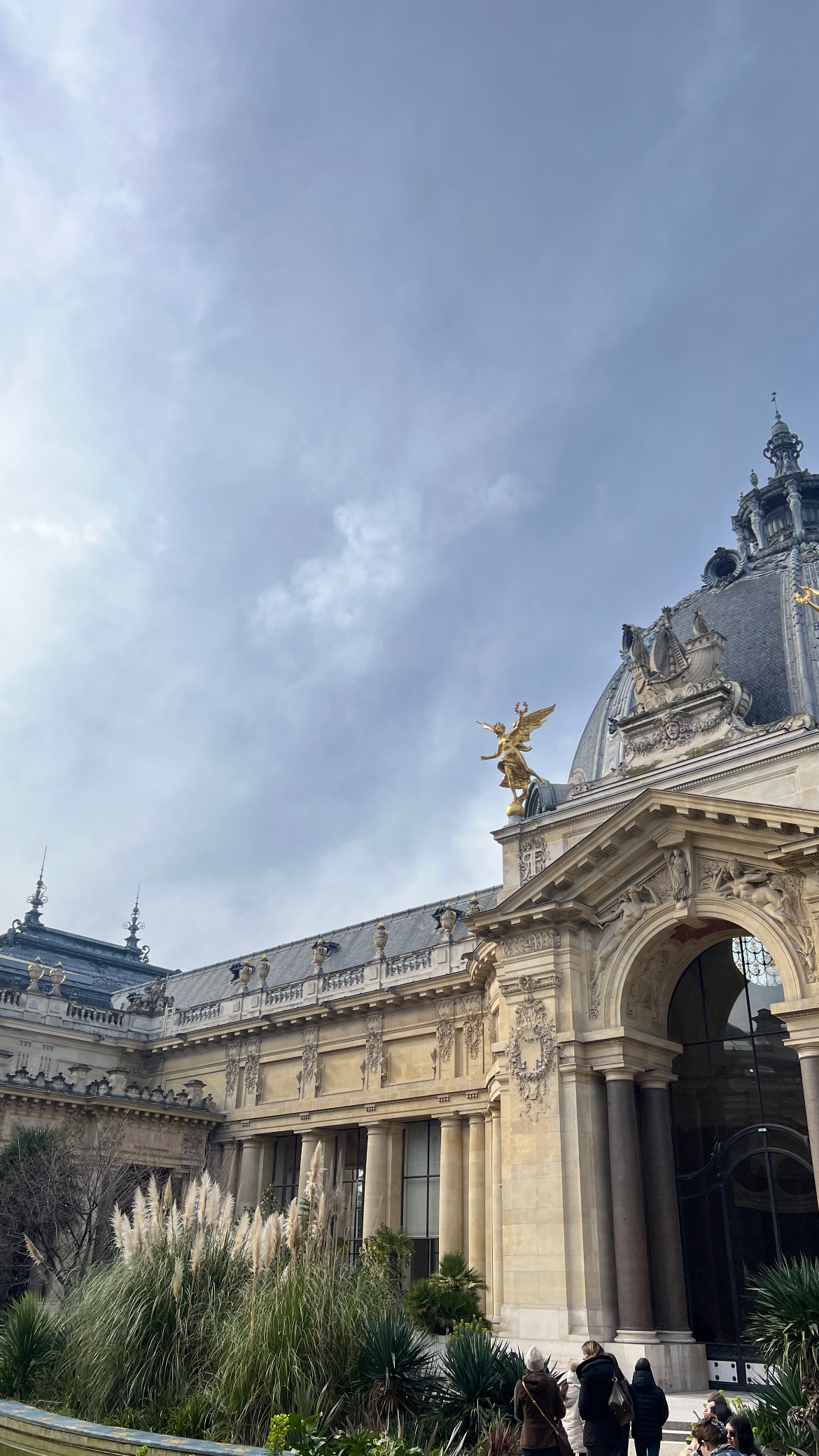
The Grand Palais and Petit Palais were built as exhibition halls for the 1900 World's Fair, and they are signature buildings of the Belle Époque, the period after the Industrial Revolution and French Revolution when society and the economy stabilized and culture flourished, the time when everything shone brightest.
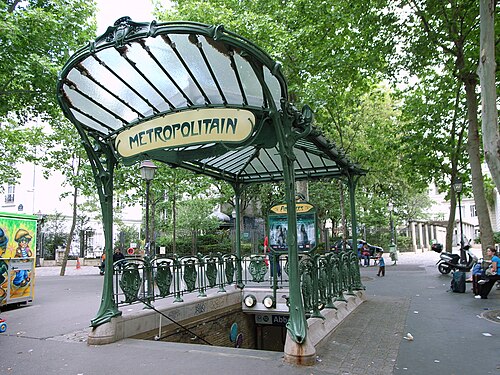
Art in this era was deeply shaped by the Industrial Revolution. With the arrival of photography, painters no longer needed to depict things exactly, and Impressionism was born; in architecture, buildings appeared that infused the new industrial materials with artistic feeling. Together these gave rise to the fashion for Art Nouveau, meaning "new art." Beyond materials, in an art world long obsessed with the classics, things close at hand, natural and practical, came to be prized as beautiful. Nature was the motif, with trees, vines and animals as subjects. The entrances to Paris metro stations are a classic example, shaped like hanging branches or creepers. If you take the metro in Paris, keep an eye out for them.
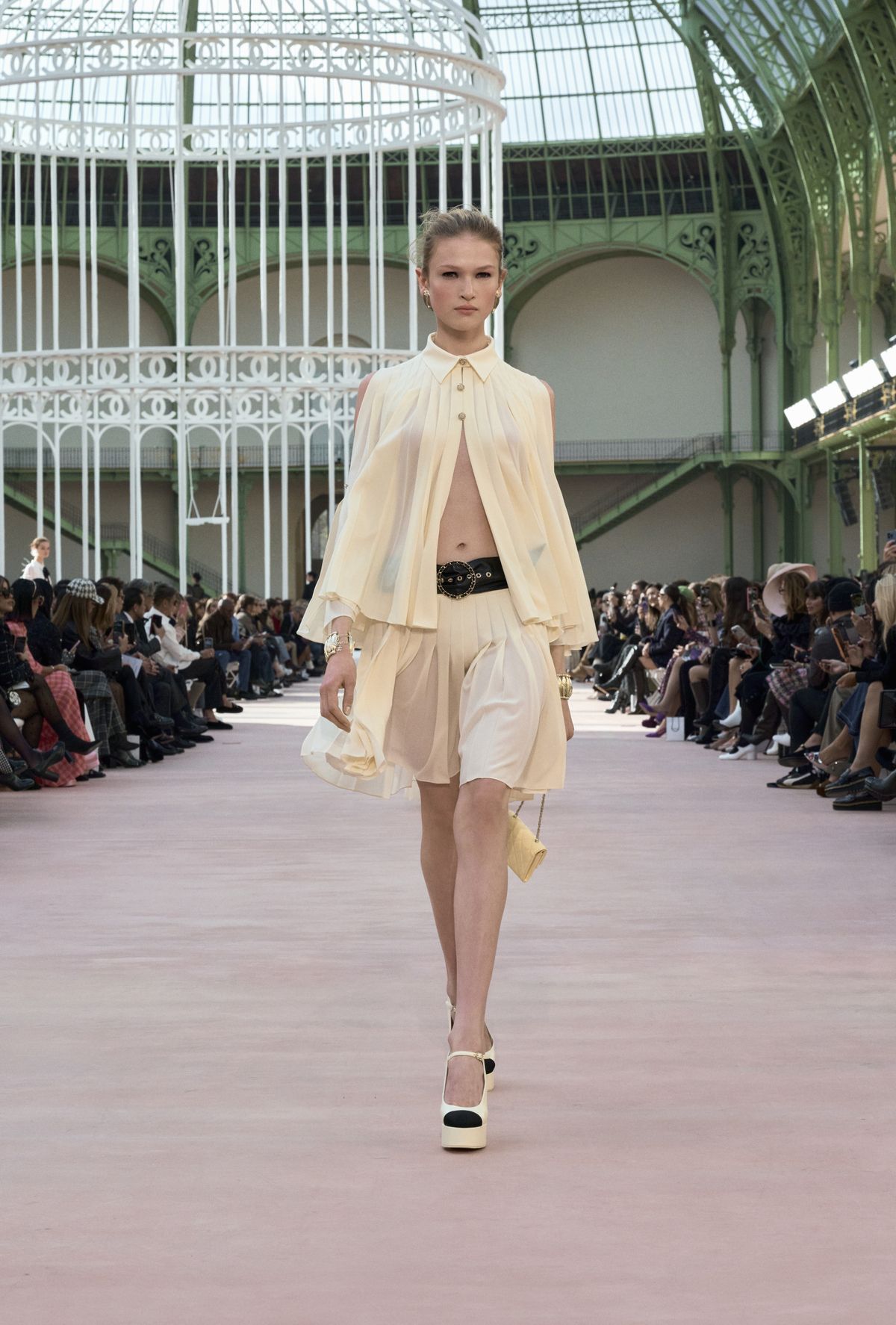
True to its Art Nouveau style, the Grand Palais feels very different from the buildings you have seen so far. From its sheer size to Europe's largest glass-roofed dome, it strongly conveys the influence of new materials and science, and it is beautiful too. It began as an exhibition hall for the 1900 fair and has served many purposes as history moved on: an army barracks and hospital in the world wars, an exhibition venue now, and in 2024 the site of the Paris Olympics fencing and taekwondo events. Our guide says they cheered in person here as Korea's Kim Yu-jin won taekwondo gold. The Grand Palais's signature event is the Chanel fashion show held every year. Even if there is no show, it is worth a look: an exhibition you like may be on.
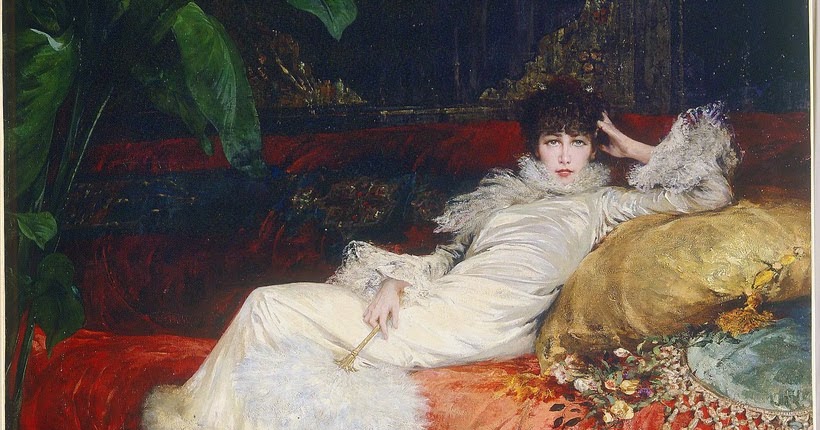
"Petit" means "small." The name stuck on this not-small building because it is small compared with the Grand Palais across the way, the great exhibition hall. The Petit Palais houses the City of Paris Museum of Fine Arts, showing the city's collection from antiquity to the 19th century as well as temporary exhibitions. One piece not to miss is Georges Clairin's portrait of Sarah Bernhardt. She was the Belle Époque's biggest star; our guide says you would need several of today's global pop stars combined to compare. The craze for her in the 19th century amounted to a new social phenomenon, and in a French Republic that is extremely reluctant to officially praise any person or ideology, she became the first woman in French history to have a day set aside in her honor, with a ceremony. The finest actress of the Belle Époque and a muse to countless artists, she enriched the art world of her day.
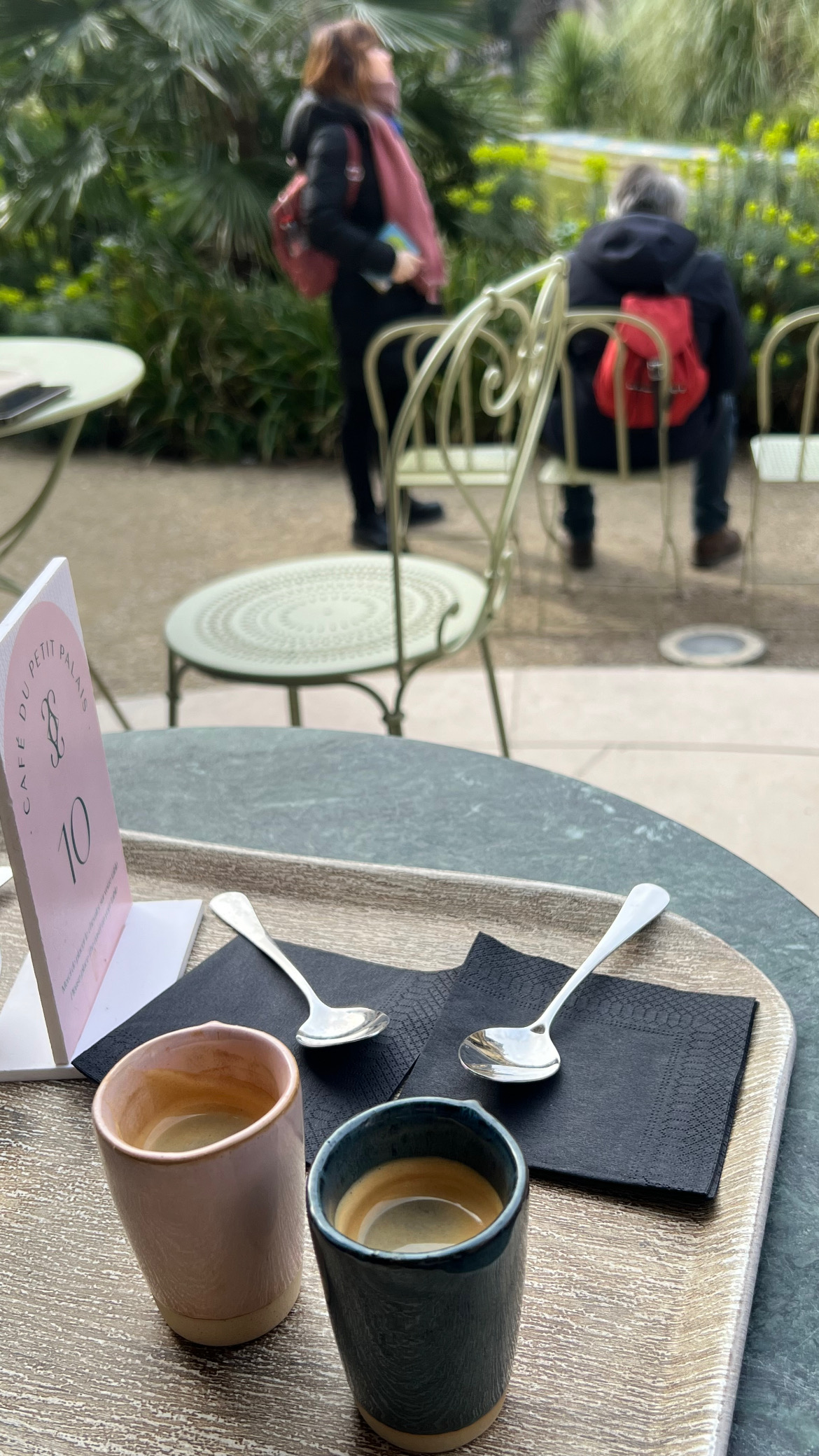
Another reason to visit the Petit Palais is the café inside. Our guide first went in on their third trip to Paris and regretted not discovering it sooner. It is so beautiful it looks like a single landscape. The food may not match Café Angelina's, but simply relaxing in this setting is delicious enough. Admission is free, and you get lovely artworks and a leisurely café break.
The final stop is the Pont Alexandre III.