Paris · City Walks
The Belle Époque: Paris at Its Most Beautiful
Paris · Paris, France
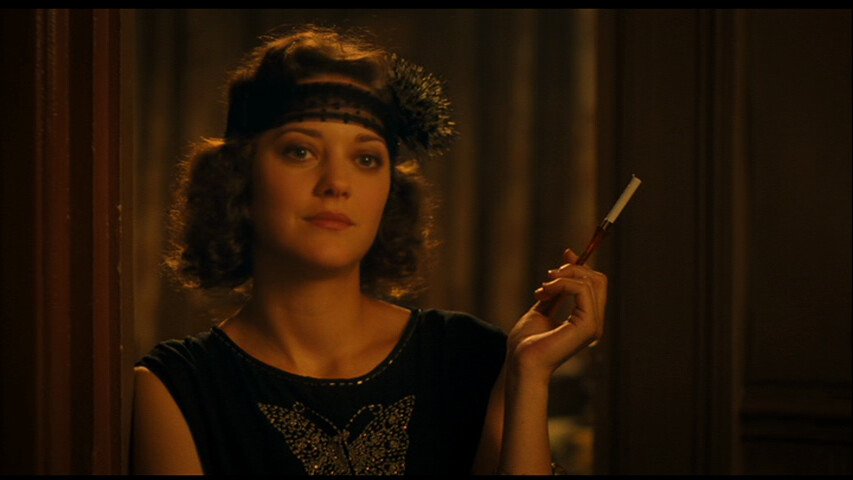
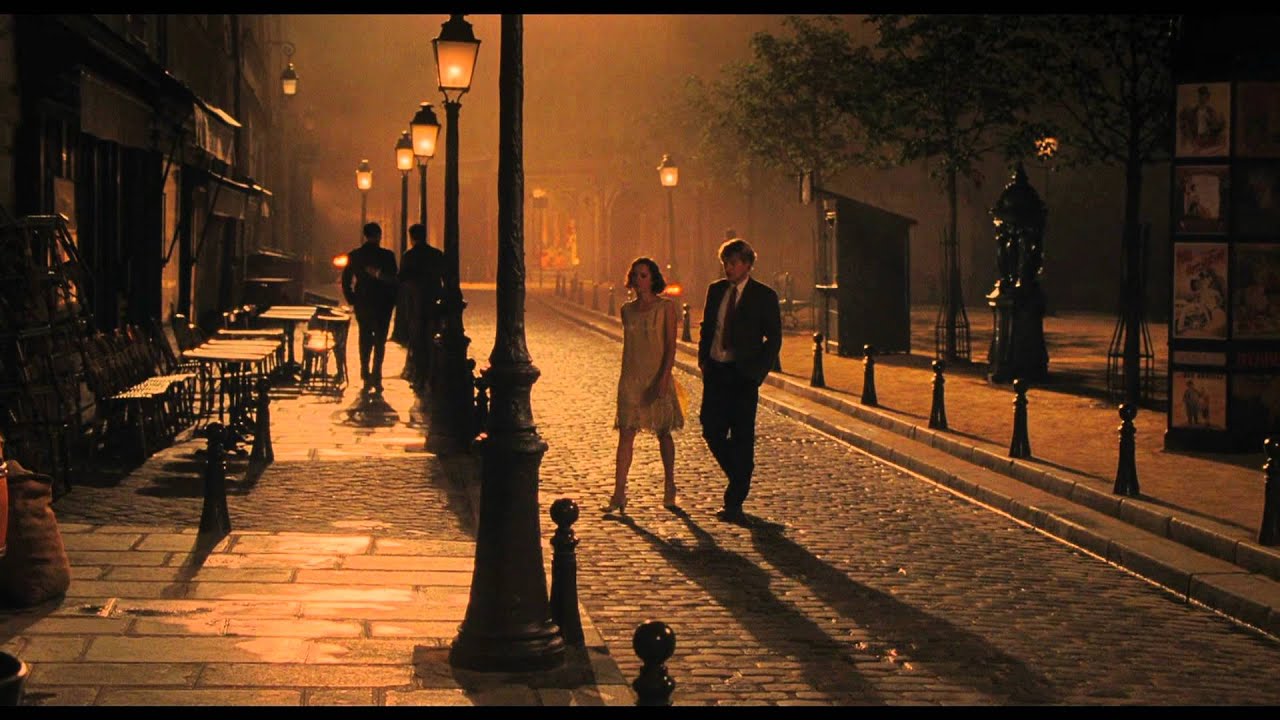
The tour is nearly over. We began on the Île de la Cité, where France and Paris began, and have come through the Middle Ages and many events to get here. Now we look at Belle Époque Paris, the city said to have been at its most beautiful, when it was the stage for countless artists. In Midnight in Paris, the woman the hero Gil falls in love with during his time travels, Adriana, names Belle Époque Paris as the golden age she longs for.
Belle Époque means "beautiful era," and refers to the roughly forty years from 1870 until the outbreak of World War I, when culture and the arts flourished in Paris. Following Britain, Paris industrialized, and new classes, including the bourgeoisie and intellectuals, took the lead in society. Napoleon III's urban renewal also remade the city into a modern capital, winning admiration and envy from around the world, and people everywhere flocked to Paris to share in the new era's prosperity. Amid these conditions and the city's rebirth, Paris became the stage for artists in many fields, among them Monet, Victor Hugo and Picasso. It was not only the people who were beautiful. With electricity in common use, the streets brimmed with elegance and energy, and Paris became the "City of Light," a city that shone after dark and was even more beautiful at night. Picture its tidy, brightly lit streets, cafés and bars, filled with people from around the world swapping ideas, some painting, some writing. Those people were the likes of Picasso and Coco Chanel. Our guide says their longing for Paris began with the thought that the street they walk and the café where they drink coffee might once have been frequented by artists who made history, and adds that Van Gogh or Rodin may have been here too.
Yet the era was not all beauty. As the saying goes, the brightest-looking people carry the deepest pain, and the era judged the most beautiful also had its dark side. Most workers, and those who came to Paris to chase their dreams, lived harder lives than ever. They arrived dreaming of finding new work or becoming famous artists, only to face the cold reality of not being able to eat properly. Why, then, is it still remembered as the most beautiful time? Not because it came before the world wars, nor because artists lived in a beautiful city, says the guide. What the guide is sure made it the most beautiful was the hope, as people watched society change daily, that "if I work hard I might make it too," and the expectation that "the coming 20th century will be a little better." That hope and expectation, in the guide's view, drew people to Paris despite harsh conditions and built the city that still leads the world in culture and the arts.
"Beautiful era" is also a phrase of nostalgia, like "those were the days." When was your own Belle Époque? Think of the time that was hardest but also best, or when you felt your finest, here in 21st-century Paris. Our next chapter is on the World's Fair that led to the Eiffel Tower, the biggest event of the Belle Époque.