Paris · City Walks
The Musée de l'Orangerie and Monet's Water Lilies
Paris · Paris, France
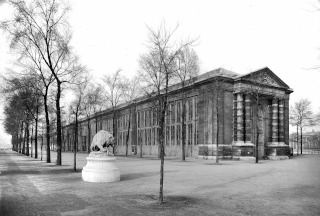
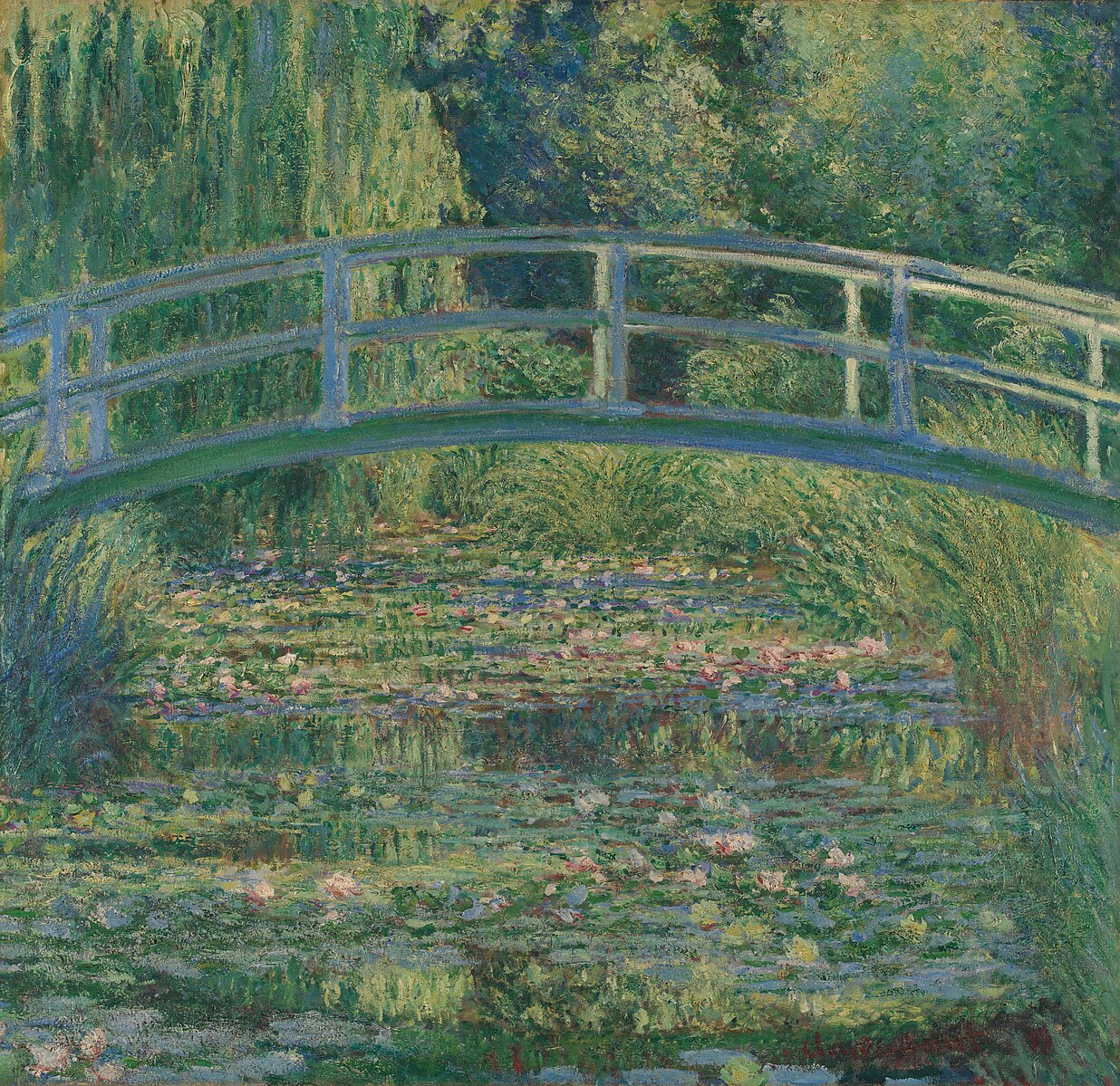
The Musée de l'Orangerie, inside the Tuileries Garden, takes its name from its original purpose: it was a building put up to shelter citrus trees from the winter cold, later converted into a museum. Had it been home to some other fruit tree, the museum's name might have been different. Alongside the Louvre and the Musée d'Orsay, it is one of the museums most visitors to Paris make time for. Where the Louvre is the most iconic and the Orsay holds many beautiful works by a wide range of painters, the Orangerie is famous as the home of Claude Monet's Water Lilies.
Monet painted the Water Lilies of his own pond at a time when, having lost his first and second wives and then his son, he was in despair. He is said to have found peace and comfort in life while painting the pond. He later donated the work to France as a symbol of peace after the world war had ended. It was his gift of the solace and calm he found in painting the pond to a people worn out in body and spirit by the war. Our guide says that on entering the galleries, they felt a peace and calm they had not felt in other museums, as if they had truly received what Monet and the museum intended.
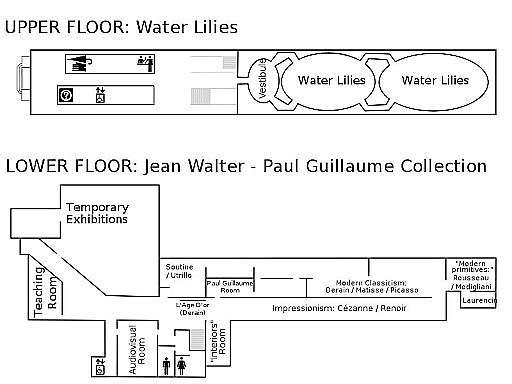
Eight Water Lilies panels hang in two rooms. The galleries form an infinity shape, two ovals joined together, because Monet wanted to show the endless continuity of color. There is care in the details too: the first (west) room holds paintings of water lilies at dusk, and the inner (east) room those at dawn. The ceiling is part of that care. It is glass, so visitors can see the pond as Monet saw it when he painted it, in natural light. On a clear day you get natural rather than artificial light, and the paintings look even lovelier, so if your schedule allows, go when it is sunny. The Museum Pass covers entry; just book ahead.
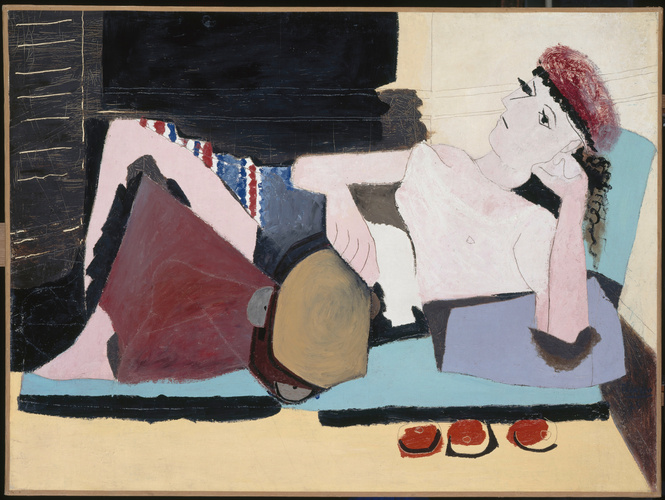
Besides the Water Lilies, the Orangerie shows works from Picasso's early period through Paul Cézanne, along with Impressionist and Post-Impressionist art from the 19th to early 20th century. In 19th-century Paris, painters flocked to Montmartre in search of cheap lodging, and works by Montmartre painters are also on display, so don't leave after only seeing the Water Lilies.
There is no tour of the museum interior here, so you can listen while strolling. Next up is the Grand Palais. On the way, there are two chapters on the era in which the Grand Palais and Petit Palais were born: the Belle Époque and the World's Fairs.