Paris · City Walks
The Pont Neuf and Henri IV
Paris · Paris, France
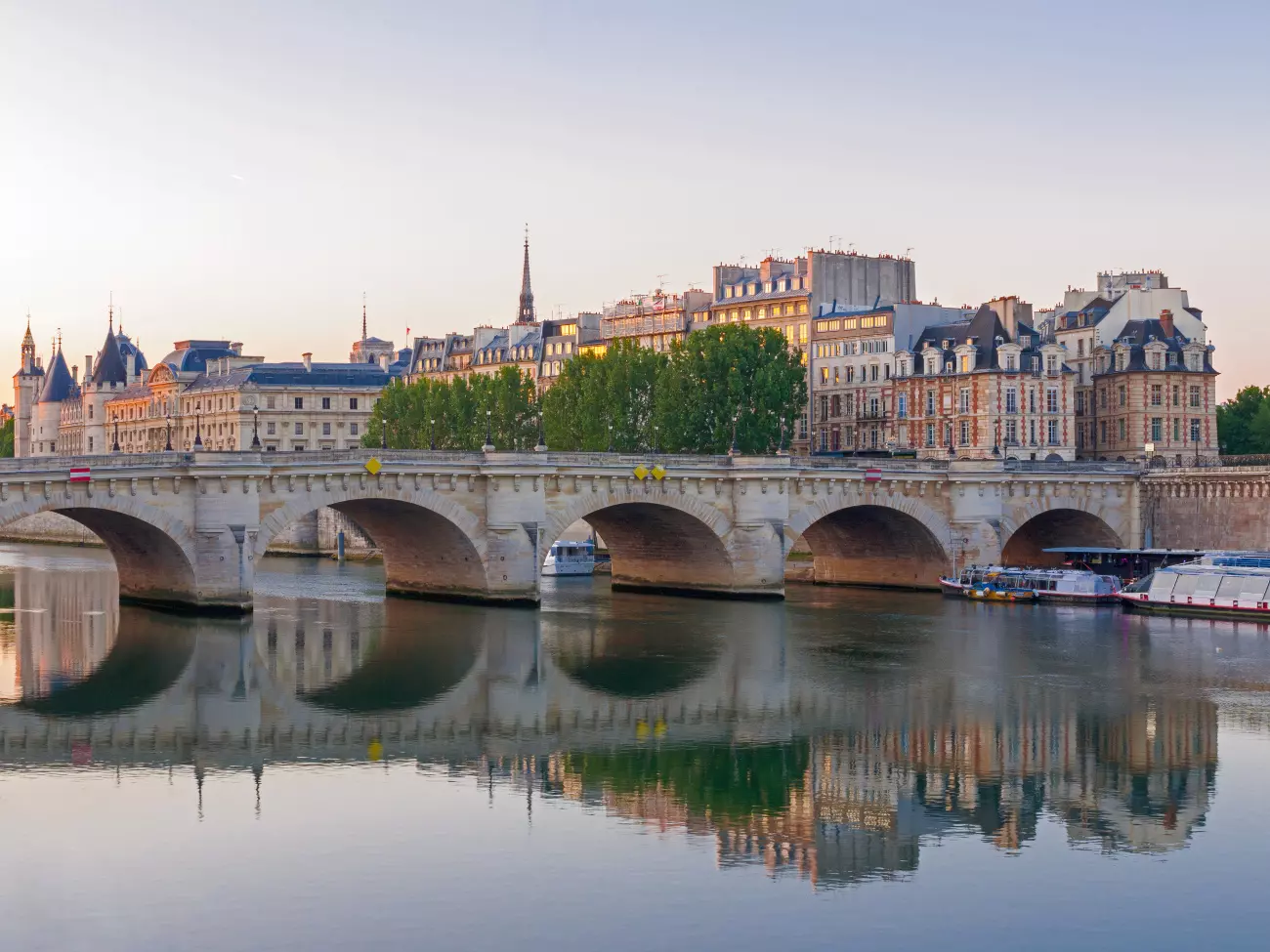

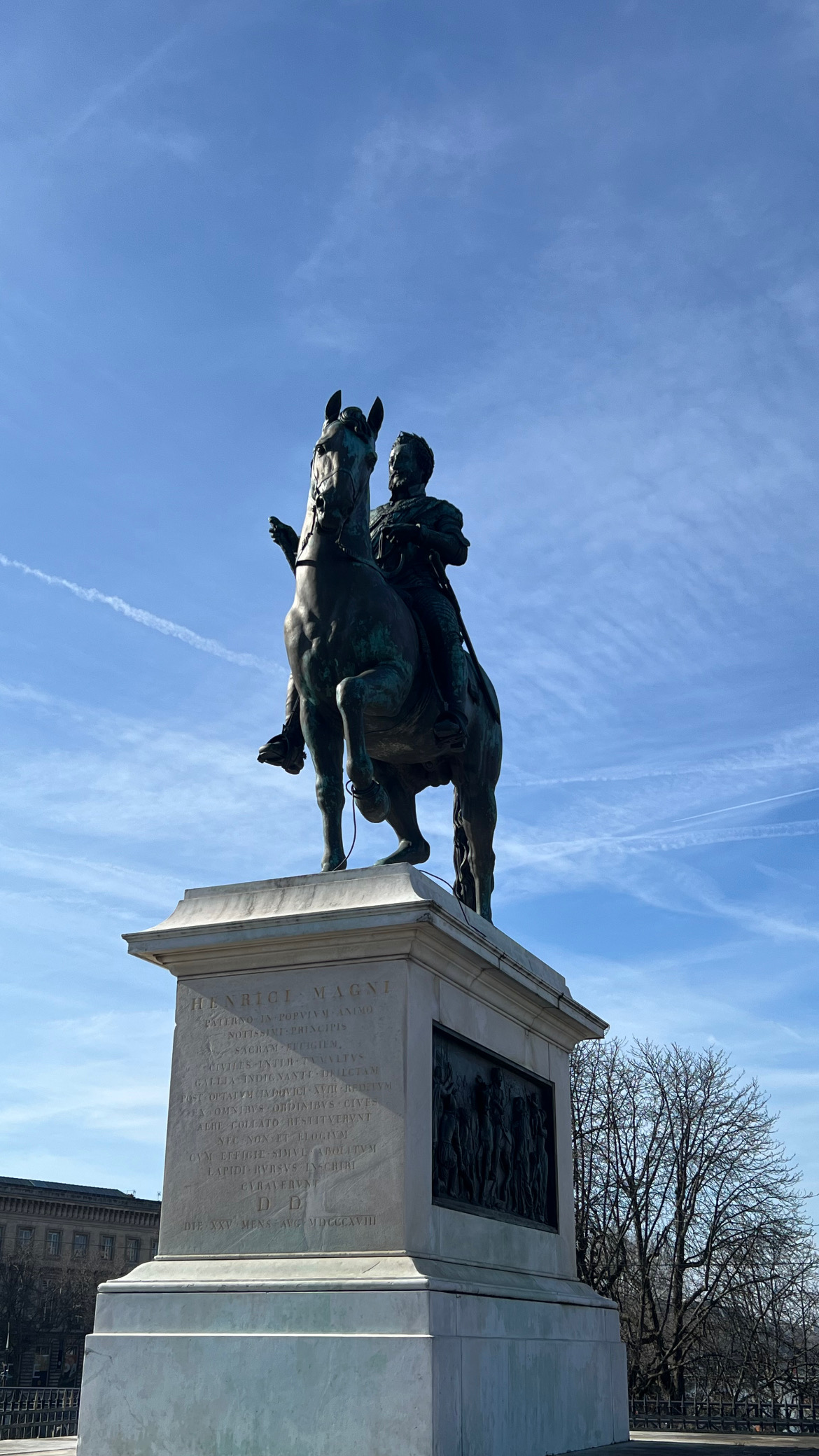
The Pont Neuf, meaning "New Bridge," was completed in 1607 and is the oldest stone bridge in Paris. It was not only the first bridge built of stone but also the first to introduce a pedestrian-only walkway, so people could cross safely away from horses and carriages. It is also well known as the setting of the film Les Amants du Pont-Neuf (The Lovers on the Bridge), and since the film came out it has become a romantic place for whispering sweet nothings. Near the middle of the bridge stands a statue of Henri IV. Behind it, a staircase leads down to the Square du Vert-Galant, a nice spot to sit and look at the Seine.
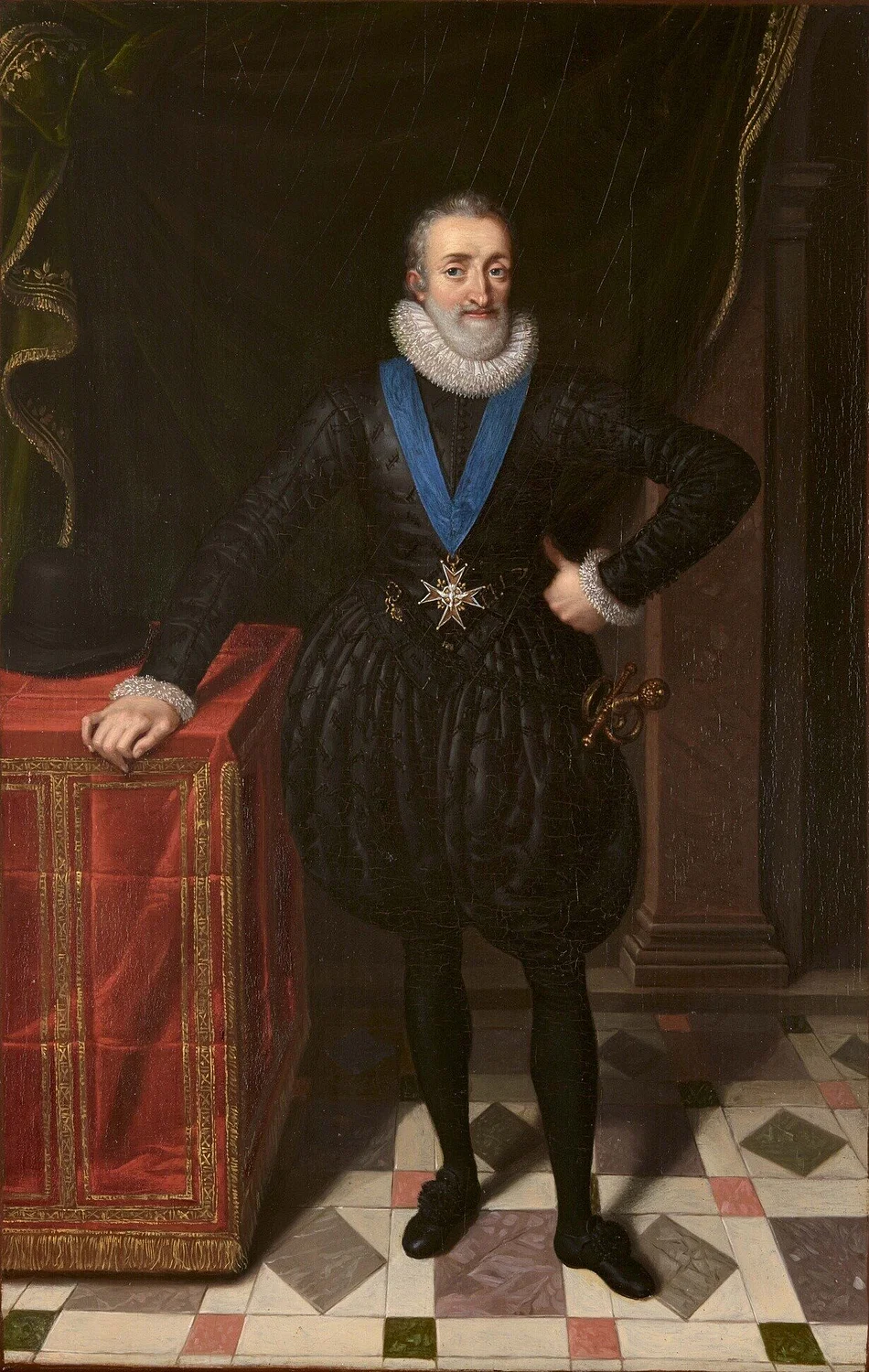
Like Charlemagne and Louis IX, Henri IV is counted among France's great heroes. His achievement was ending thirty years of bloody religious war, and, together with Henri III, he also finished the construction of the Pont Neuf.
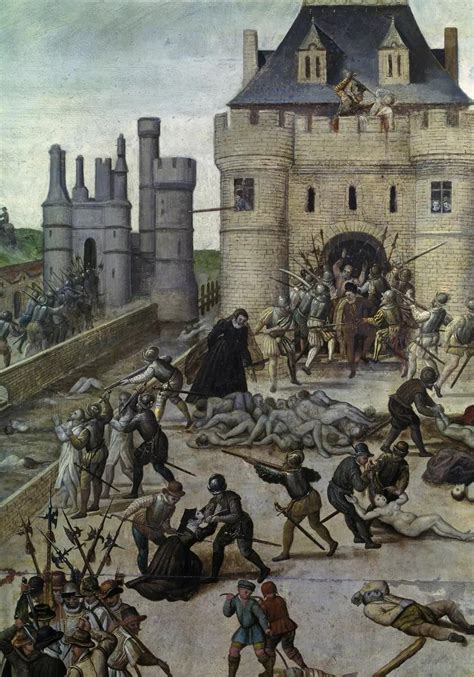
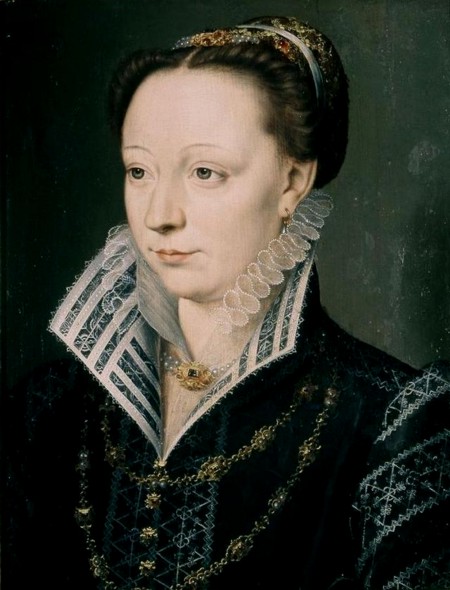
In the 16th century, as in the rest of Europe, new ideas spread through France and Protestantism emerged. French Protestants were known as Huguenots. Catholics and Huguenots branded each other heretics and killed one another, and the conflict spread from individuals to villages and then across the country. Huguenots were banned in Catholic-dominated Paris, while Catholicism was banned in Huguenot-dominated Normandy, and the country split along regional lines. The queen at the time, the Catholic Catherine de' Medici, arranged for her daughter to marry a Huguenot leader in the name of cementing peace. Instead, the Huguenots who had come to attend the wedding were massacred (some say this was planned from the start). Around 2,000 Huguenots were killed, and the slaughter spread across the country.
As persecution grew harsher, Henri III took the throne and pursued a conciliatory policy toward the Huguenots in Paris. This angered Catholics, but because his heir was Catholic, it did not erupt into open revolt. When that Catholic heir died first and the throne was about to pass to a Huguenot, the Catholic faction staged a coup and drove Henri III out. In exile, Henri III had the Duke of Guise, a leading Catholic figure, assassinated, which enraged the Catholic-leaning citizens of Paris. Henri III himself was later assassinated by a Catholic. Before he died, he named the Huguenot Henri IV as his successor and urged him to convert to Catholicism. Once on the throne, Henri IV did not convert right away; he waited until he had won the trust of the people as king. The well-timed conversion was greeted with cheers, and he gained the standing of a king backed by the people and blessed by God. He then guaranteed the Huguenots' freedom of worship with the Edict of Nantes and ended the brutal Wars of Religion.
Today it may seem a distant story. To the French, though, it was a war so cruel that even a daughter's wedding was used as a trap. The man who ended it and completed the Pont Neuf was Henri IV, which explains why his statue stands on the bridge.
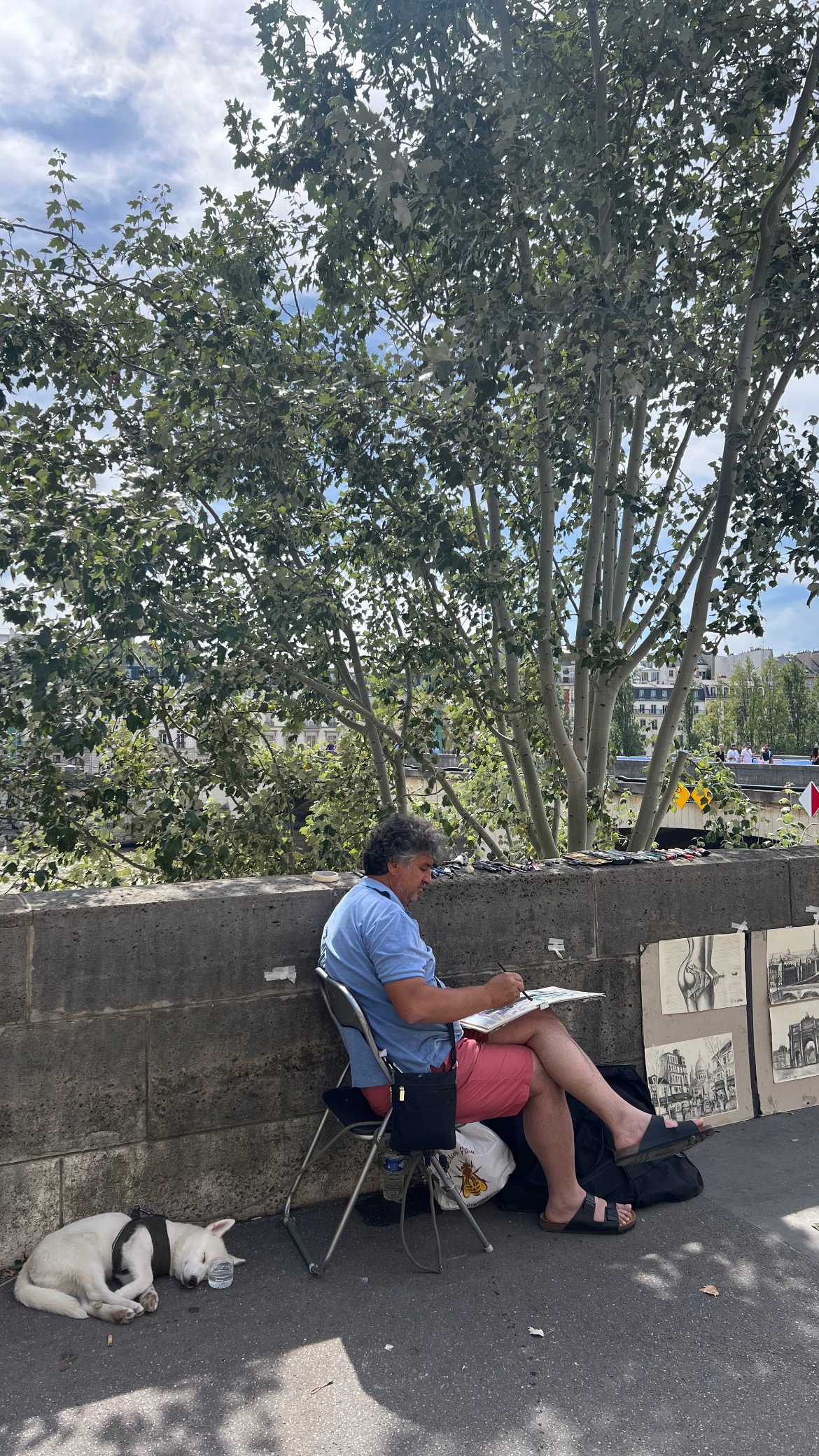
Next stop is the Louvre. You may not find a restroom for quite a while once you get there, so use the one at the Samaritaine department store across from the Pont Neuf first. On the way to the Louvre, stalls line the Seine, and browsing the souvenirs and watching the artists at work makes for a pleasant stroll. The tour continues at the glass pyramid in front of the Louvre.