Paris · City Walks
The Louvre's Exterior and the Glass Pyramid
Paris · Paris, France
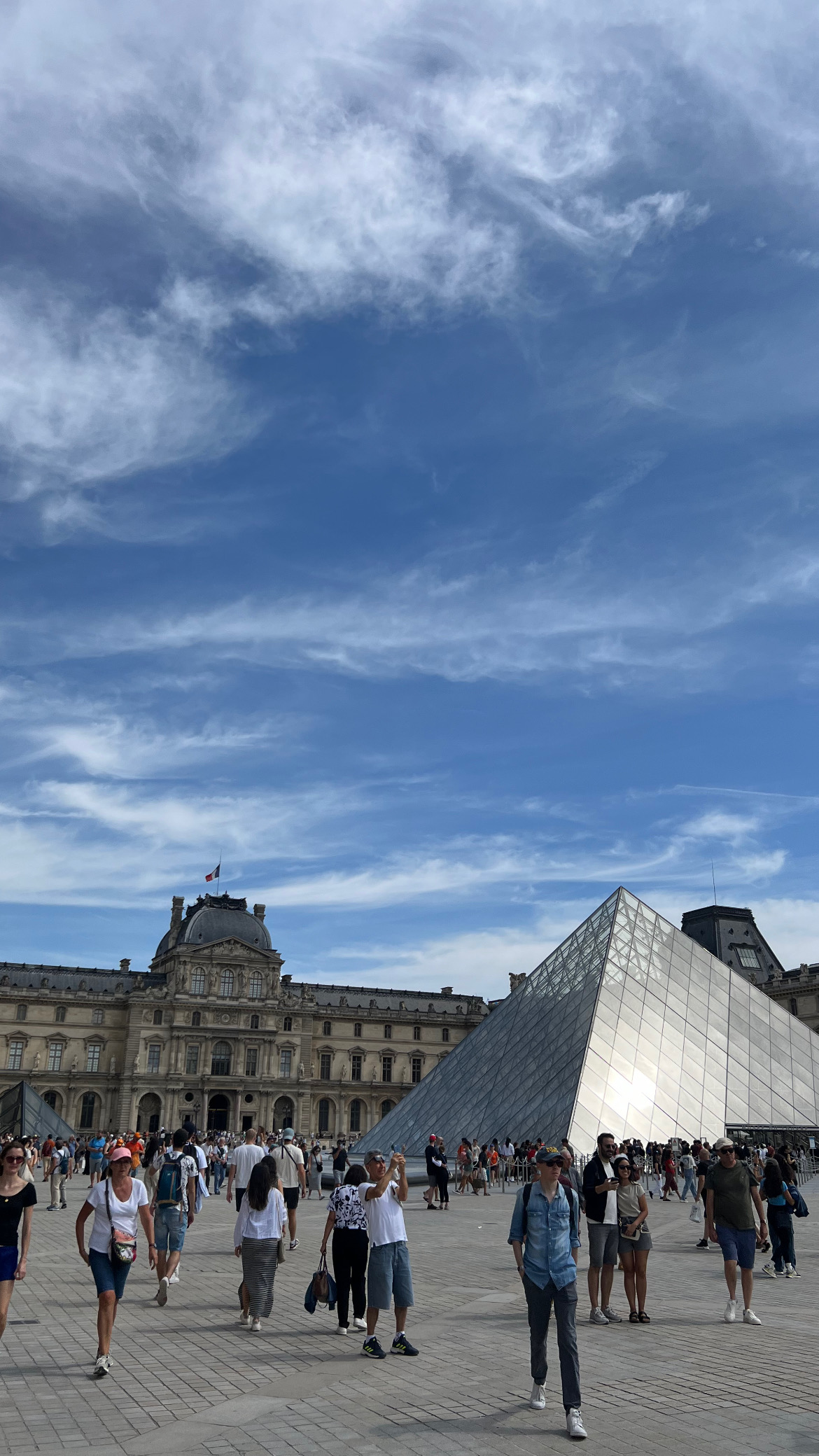
The Louvre ranks alongside the British Museum in London and the Vatican Museums as one of the world's three great museums. This guide skips the interior and focuses on the Louvre as a place, in two chapters. The second covers the Louvre's history and the debates over turning it into a museum, so if you have seen the exterior, you can move straight on to the next stop.
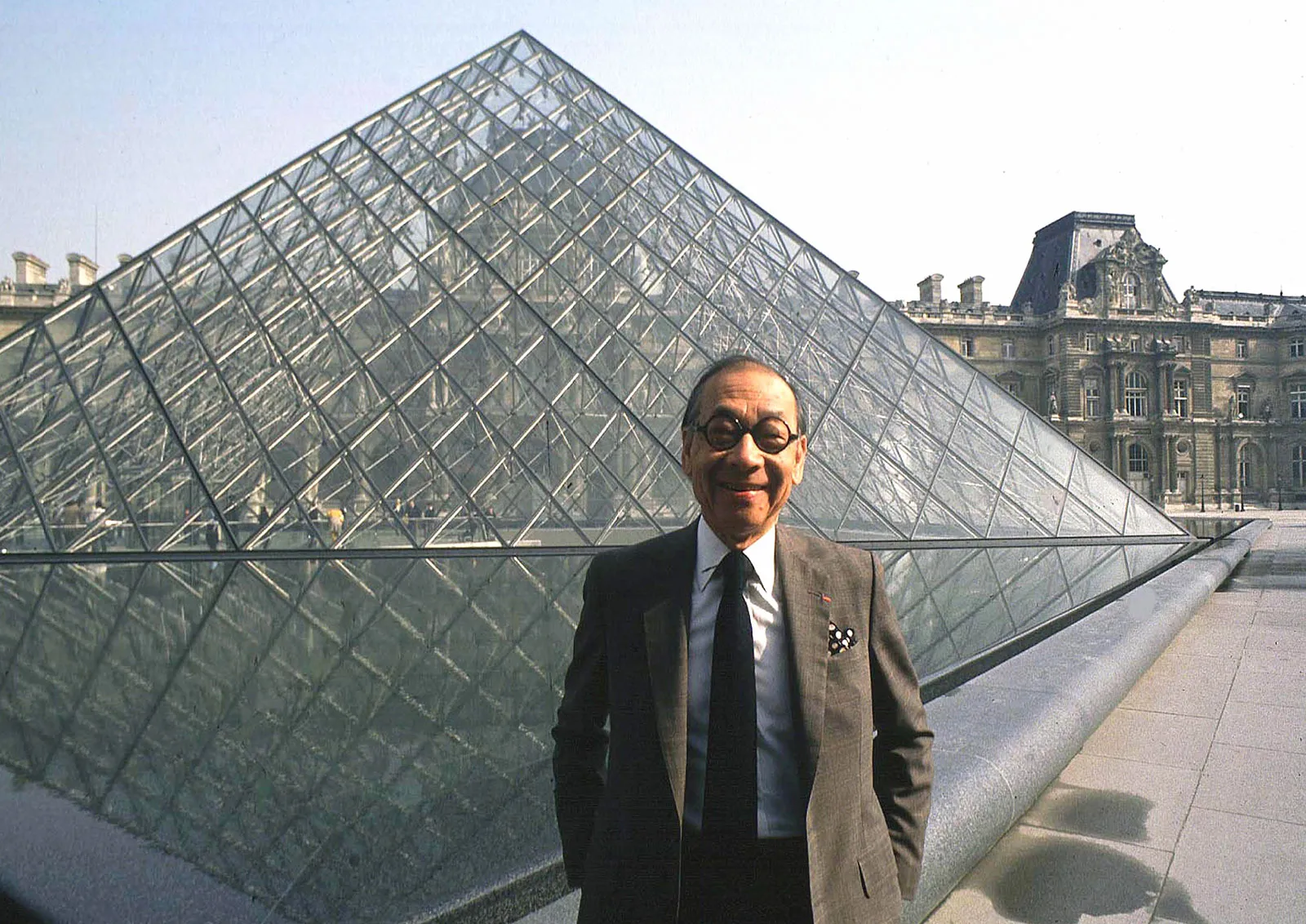
What comes to mind first at the Louvre is the glass pyramid in front of you. Why is Egypt's symbol standing in the middle of Paris? The architect was the Chinese-American I. M. Pei, who handled the Grand Louvre part of President Mitterrand's Grands Projets and designed the museum's entrance as a glass pyramid. There was opposition along the lines of "why build an Egyptian symbol of death?", but Pei chose the pyramid because pyramids hold many buried treasures and symbolize eternity, a way of saying that the works in the Louvre are France's treasures and that he hoped the Louvre would last forever.
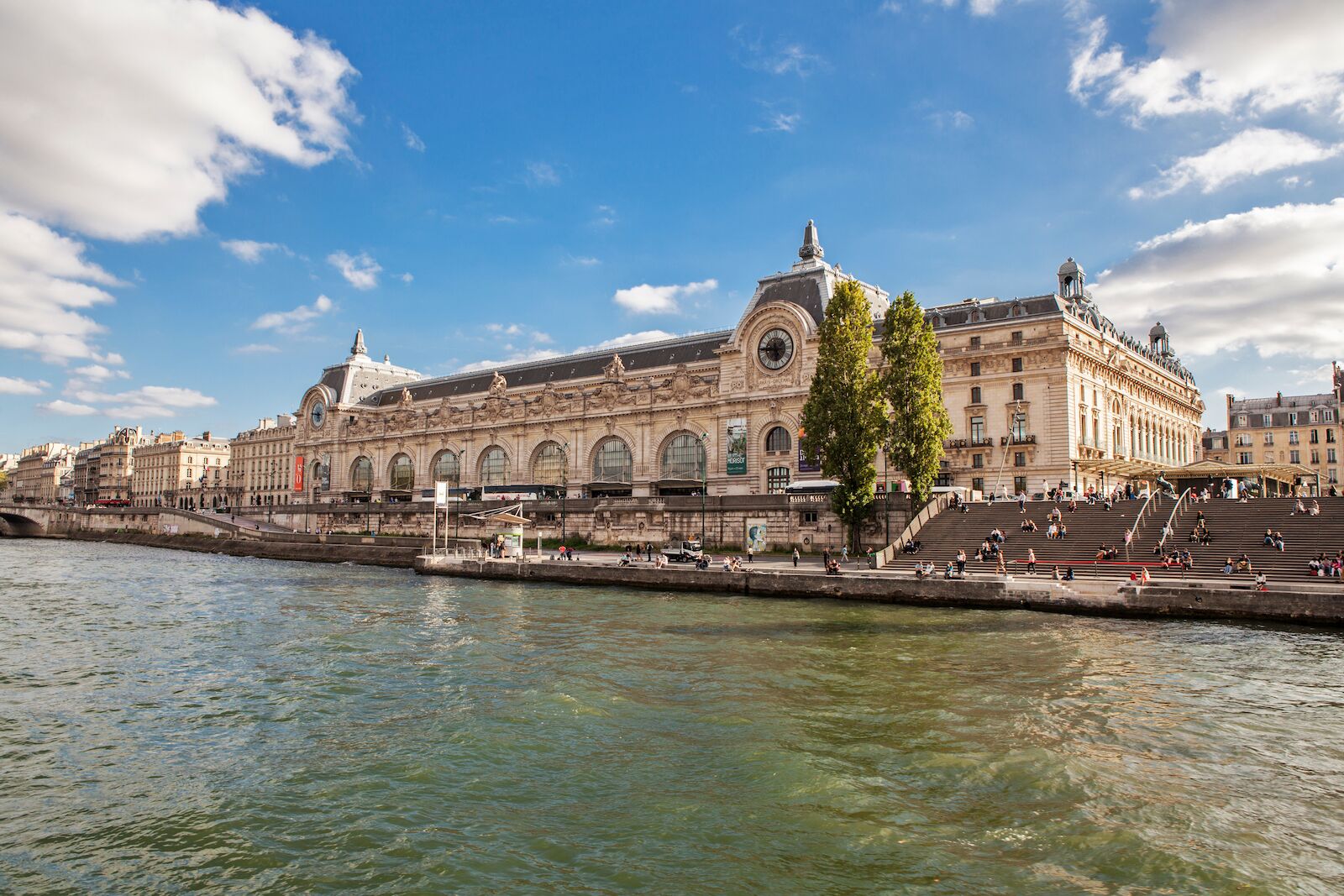
The Grands Projets began in 1981 when Mitterrand was elected president. Feeling that Paris was slipping from its place at the center of culture and the arts, he pursued the Grands Projets, an urban renewal program built on culture, bringing back worn-out and abandoned places. Many of Paris's cultural facilities today were reborn through this policy, including the Musée d'Orsay, converted from a disused railway station, the national library and La Défense. The glass pyramid and the Louvre's remodeling were carried out as part of the Grand Louvre.
At the time, the Louvre was not the crowded place it is today. Parisians and French people in particular avoided it, because its layout was so confusing. It was hard even to find the entrance, and just getting to a few masterpieces took an hour and a half. Pei used the Louvre's underground space as a passage, creating a fast, convenient route without harming the historic building. He added an orientation area and a rest area below ground, making the underground passage the museum's entrance. But an entrance underground is hard to find. So a structure visible from every direction above ground was needed, and the pyramid was chosen. It is made of glass to light the dark interior and to ease the stuffy feeling of the underground passage.
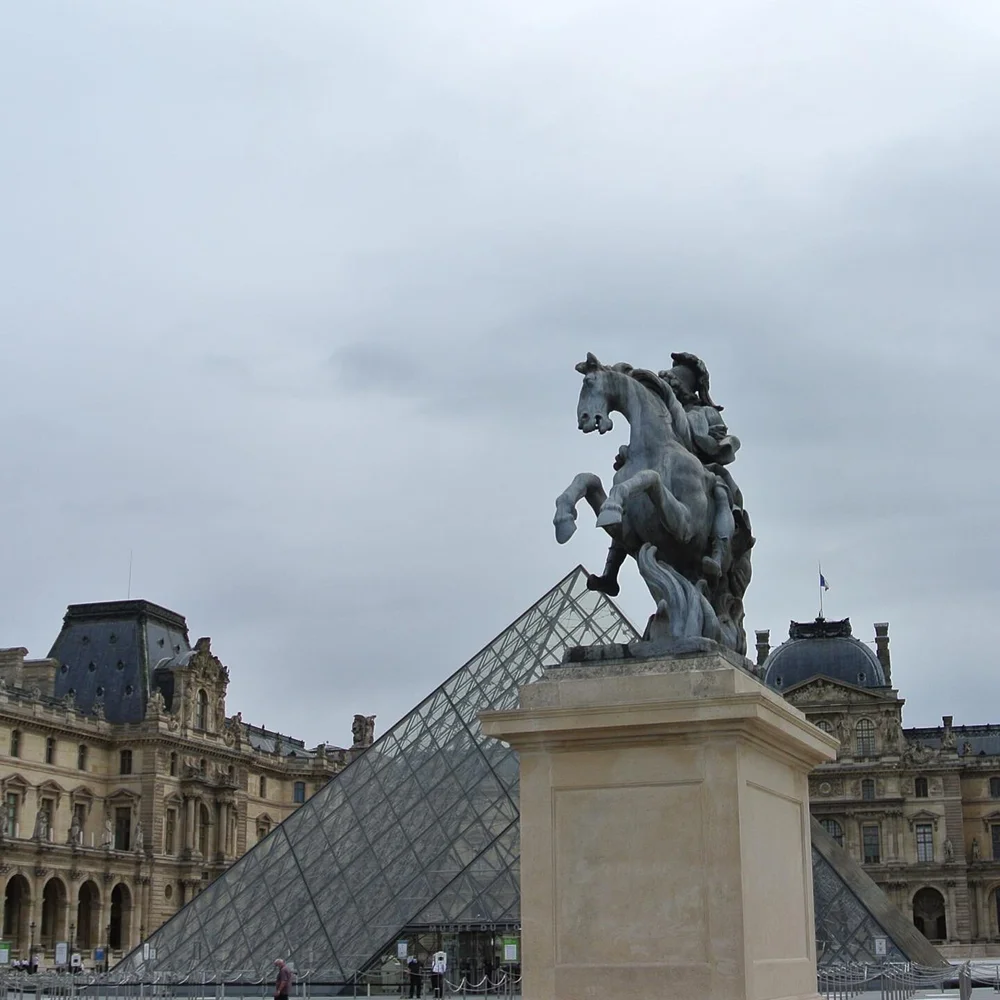
Near the pyramid, toward the Arc du Carrousel, stands a statue of Louis XIV, the Sun King. People often say he was called the Sun King because he led absolutist France, but the real reason is said to be his hobby, ballet. Louis XIV loved ballet so much that he practiced two hours a day and performed, and in his first performance he played the sun god Apollo, which earned him the name "Sun King."
The Louvre's story alone shows why France is a cultural powerhouse. The main reason for the Grand Louvre policy was that French citizens were not visiting. France aims, through museums, to bring culture and art closer to the public, build familiarity with art, and give ordinary people who don't know their own tastes a chance to experience every genre, awakening their cultural literacy. That the president himself stepped in to promote culture and the arts when citizens stayed away helps explain why France leads in the arts.