Paris · City Walks
The Louvre's History and the Debates Over Its Making
Paris · Paris, France
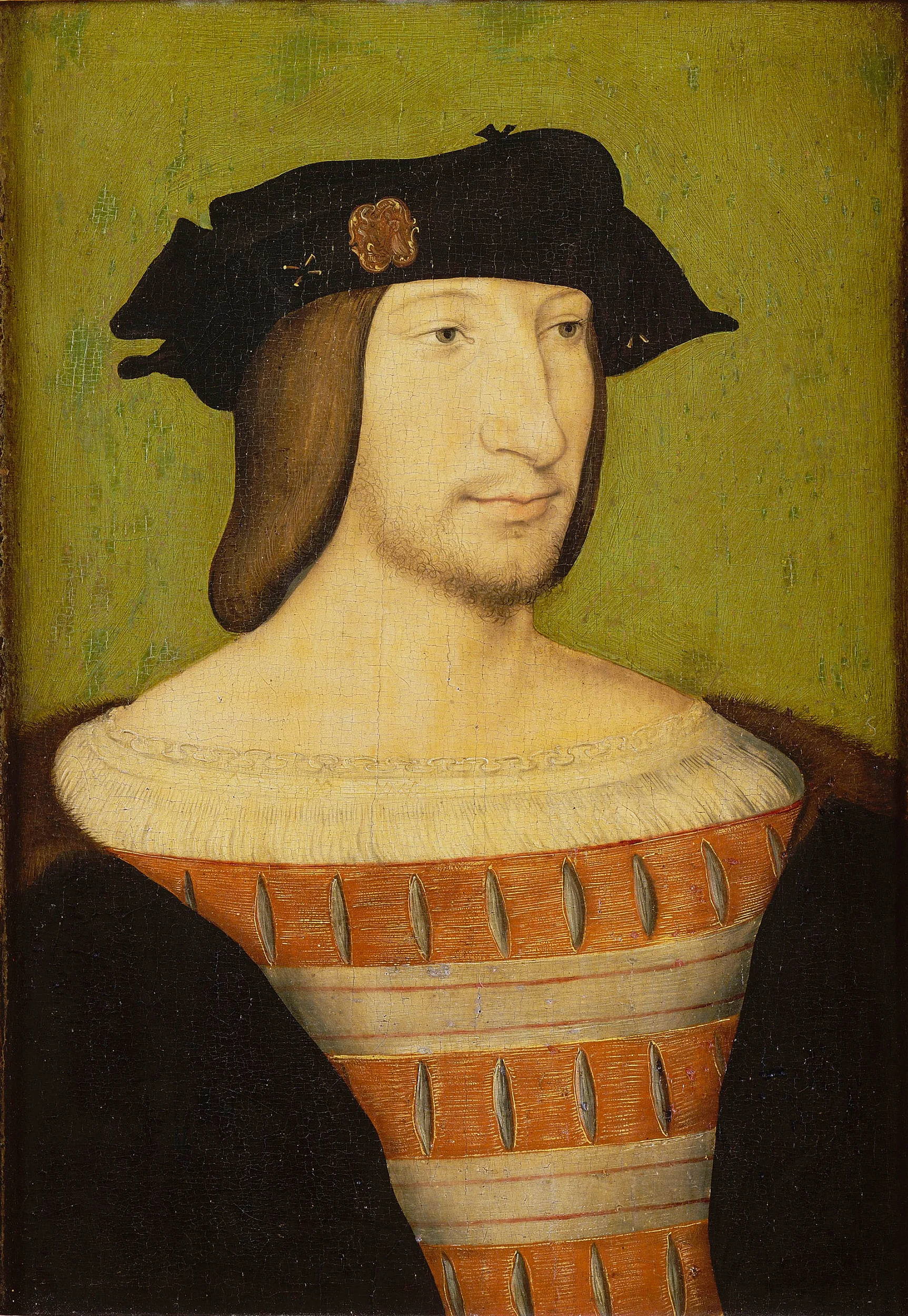
The Louvre was not always a museum. In its early days, French kings lived in a palace on what is now the Île de la Cité, but as an island it was a confined position, so a military fortress was built nearby to defend it. That fortress is the Louvre. One of several theories about the name is that it comes from the Saxon word "lower," meaning fortress. In the 13th century, advances in farming technology brought a population boom, and people began settling beyond the island, around the Louvre. As craftsmen, merchants and artists gathered there, the Louvre became less an outlying fortress and more a center where Parisians lived. Commerce flourished, and France's first tile factory even appeared; we will return to this in the Tuileries Garden chapter. Because the island was weak in defense, kings wanted a new palace, and chose the Louvre, now at the heart of Paris. Expanded several times after Charles V, it took on the look of a palace and, under Francis I, first replaced the Palais de la Cité as the kings' residence. Francis I not only used the Louvre as an official palace but, as a Renaissance man, began the first art collection of any French king. He founded a "Royal Academy" at the Louvre to support the leading scholars and artists of the day, and Leonardo da Vinci was invited to France and worked under his patronage. Louis XIV also opened the Louvre Palace to artists and backed culture and the arts.
Kings backed culture and the arts because it made their power strong and stable. European monarchs had originally justified their power on religious grounds, as "chosen by God," but in the Renaissance this shifted to justifying power through culture. By presenting themselves as lovers, promoters and patrons of the culture that shows human excellence, monarchs portrayed themselves as possessing creative ability. Works of art strengthened the king's power, and the king vigorously supported culture and the arts. Perhaps this historical peculiarity is why France is still a nation of art. The Louvre, which thus became the cultural center of the absolute monarchy, became a true stage for artists when Louis XIV moved the court to Versailles. An academy, serving as a school, was founded, and exhibitions called salons were held regularly. After the French Revolution, the revolutionary government opened the Louvre as a museum for the first time on August 10, 1793.
But turning a palace overnight into a museum for the people was not easy, and large and small debates arose along the way.
The first was why the revolutionary government wanted a museum at all. During the Revolution, the government confiscated the property of the Church, the privileged classes and the royal family, symbols of the old regime, as national property. Much of it was art that carried France's history and traditions, so it could not simply be disposed of and had to be kept. At that time, hatred of the old regime's remnants had reached a peak, with citizens smashing works that sanctified the king, and the government wanted a museum to protect and store such art. By letting all citizens enjoy equally and freely art that only a privileged few had enjoyed under absolutism, it also meant to show the revolutionary ideal that the citizens who ran into the streets and fought the old regime had created this free and equal republic.
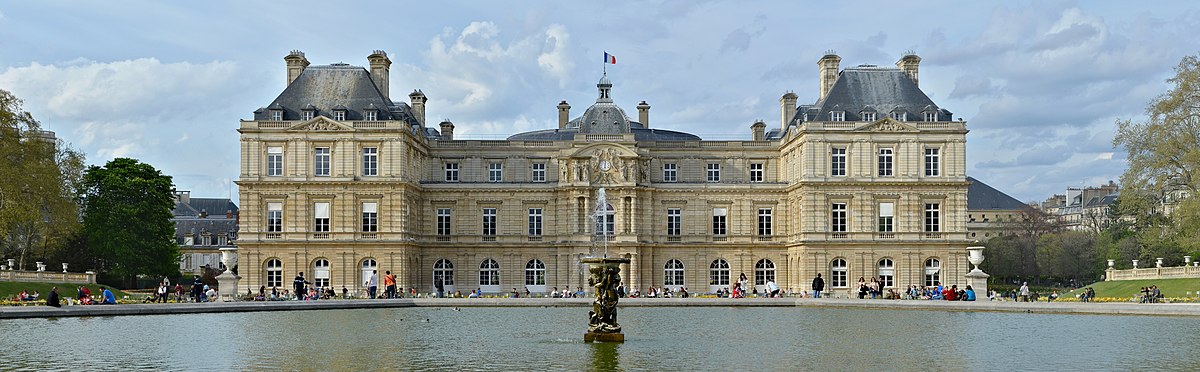
The second was why the Louvre in particular. For the revolutionary government, the Louvre was the best possible place for a museum. In the 18th century, the idea of opening the royal collection to the public gained ground, and the absolute monarchy, to show off through culture, accepted it and chose the Louvre as the site. But exhibiting there would need major repairs, and for financial reasons an exhibition was held at the Luxembourg Palace instead. That did not last long either, as Louis XVI gave the palace to his brother. The monarchy later tried again at the Louvre but failed in the face of opposition. The revolutionary government achieved what it could not by opening the Louvre outright as a museum. Just as we admire someone who quickly does what others cannot, the government sought to show at once the old regime's cultural failure, the new regime's cultural success and its superiority. Through the museum, it exhibited not only art but also the ideals of the Revolution and the excellence of its system.
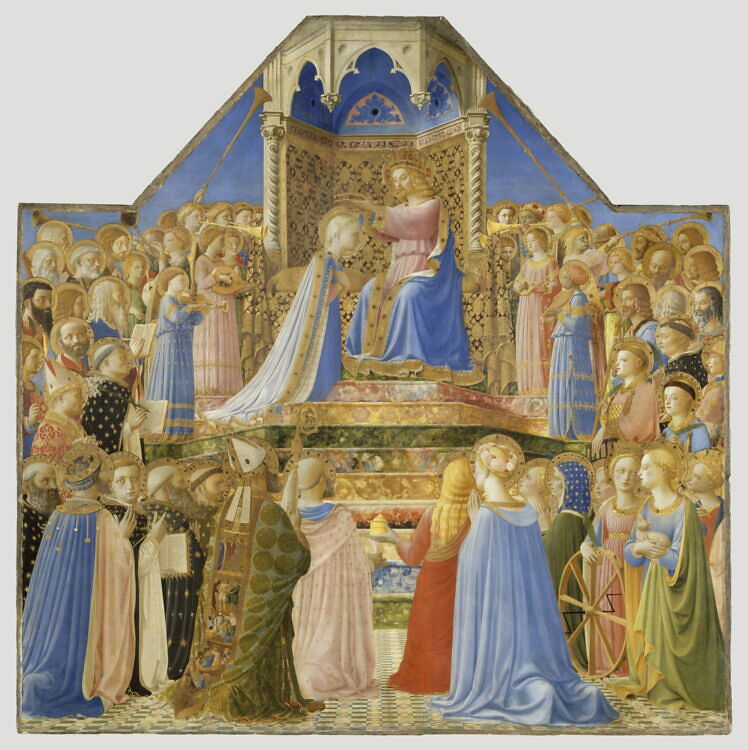
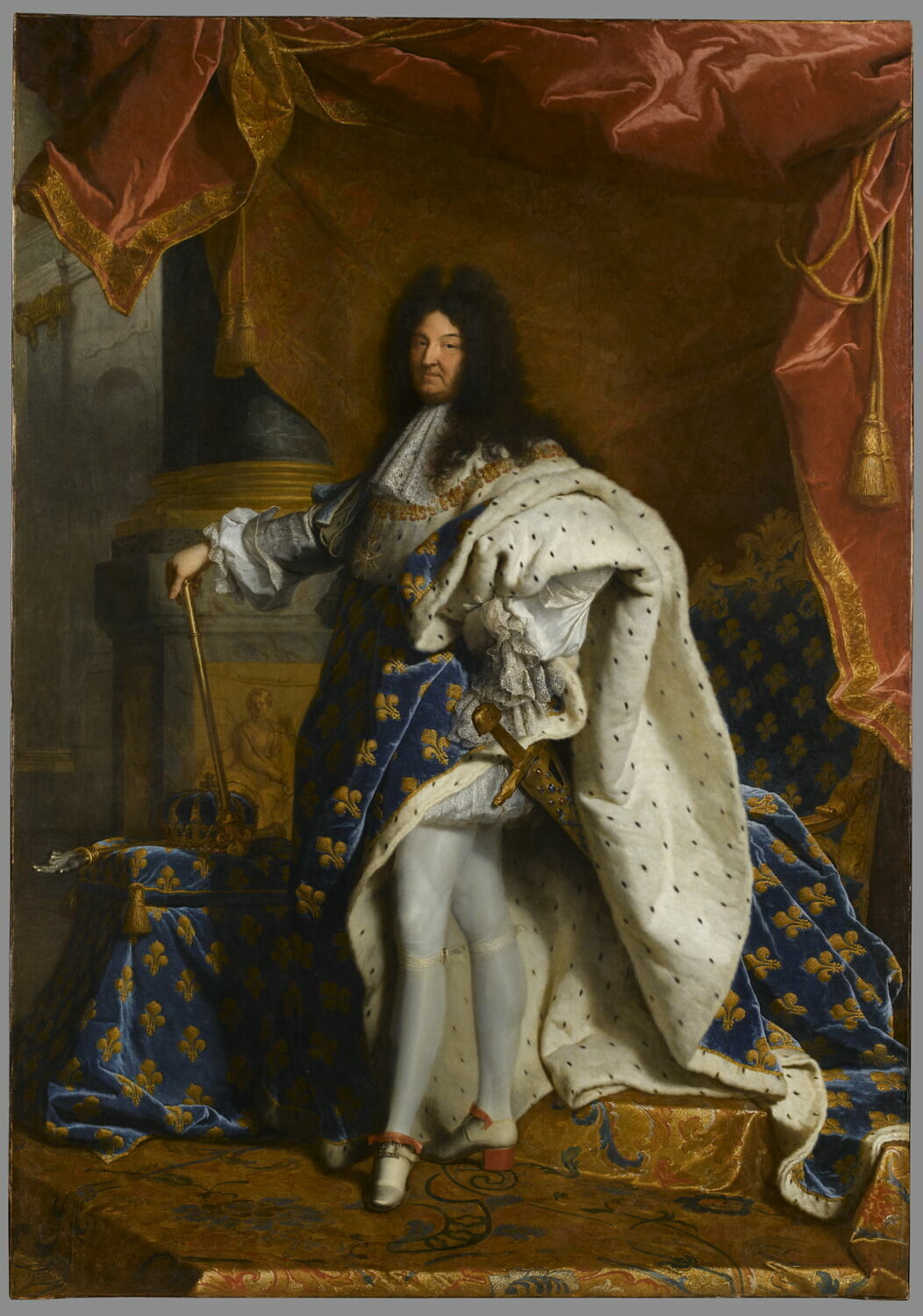
The third was how works should be displayed to show the ideals of the Revolution. Was it right to exhibit works that sanctified the king in a museum of the revolutionary government? What should be done with works contrary to republican ideals? Most works were made under royal protection to glorify royal power. At first they were all removed before display, but works long recognized for their artistic value could not simply be removed for this reason alone, so the government displayed them by school and period, "decontextualizing" them. Decontextualization means stepping away from a work's original context to create new meaning. A Renaissance altarpiece, for instance, was made for a church to show a saint's authority, but in a museum organized by period and school it becomes one of many works from the Renaissance, when art was developing. A portrait of Louis XIV, once meant to show the majesty and sanctity of absolutism, likewise becomes just one French painting of the early 18th century in a museum, losing its original meaning. Decontextualization thus set aside a work's original meaning and let art be seen purely as art. Thanks to this effect, the government could preserve the works and make the museum an educational space for citizens as well as artists. It could even absorb the remnants of the old regime into the republic's history and build a perfect museum that only a republic could.
Next up is the Tuileries Garden, a good place to clear your head as you walk.