Paris · City Walks
The Tuileries Garden
Paris · Paris, France
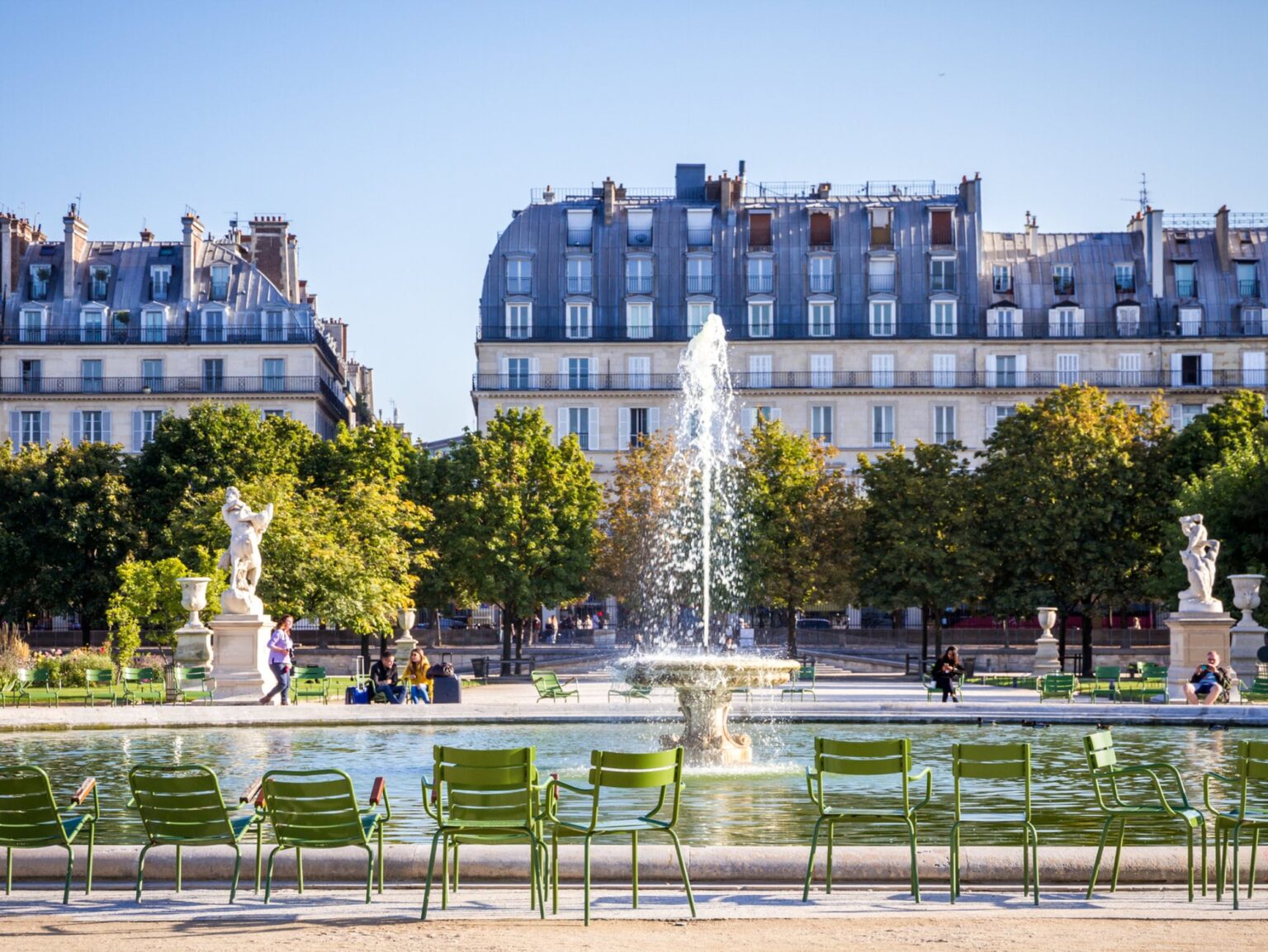
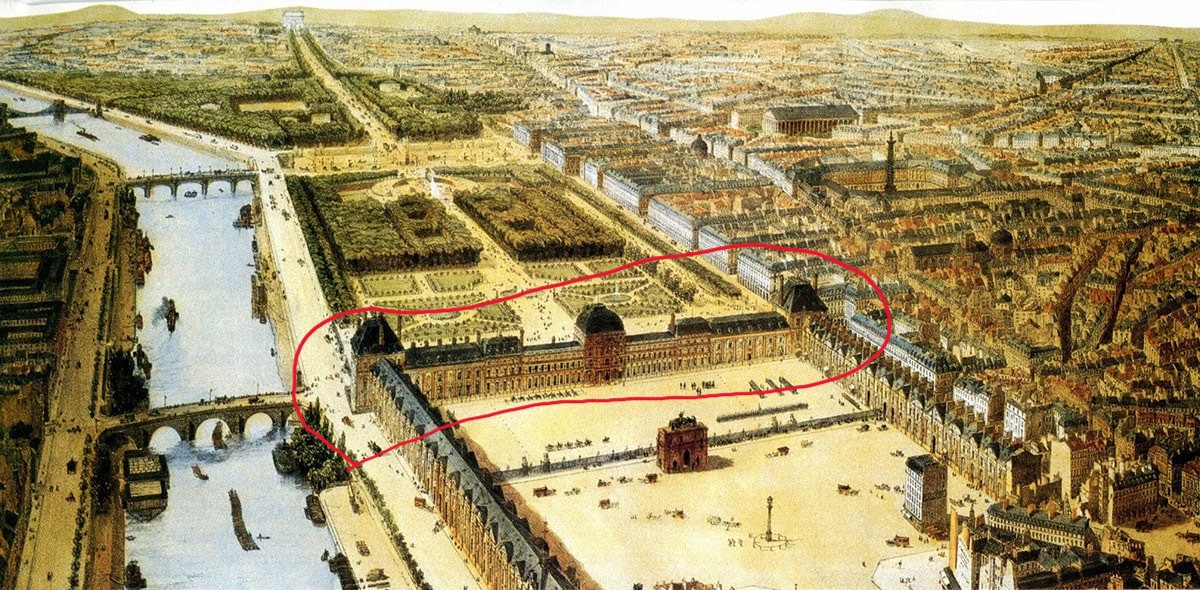
The Tuileries Garden sits in the heart of Paris, serving as the city's central park and its oldest, most iconic garden. You can reach it from the Louvre by passing through the Arc de Triomphe du Carrousel. Listen to this guide as you stroll, or settle into one of the green chairs by the fountain a little way in, which you may have seen on social media.
True to its name, this garden was created not by private hands but at the initiative of the crown, by Catherine de' Medici. In her day, a tile factory occupied the space between today's Carrousel arch and the garden, and she had it converted into the Tuileries Palace and Garden. "Tuilerie," the French word for a tile works, became the garden's name. The palace stood on the approach to the garden, just past the Carrousel arch, and together with the Louvre it served as a royal palace until Louis XIV moved the court to Versailles. Legend has it that Catherine herself, who ordered the palace built, never lived there but stayed elsewhere nearby, because a fortune-teller had predicted she would "die near Saint-Germain," the district where the palace stood. During the French Revolution, Louis XVI and Marie Antoinette were brought here from Versailles, but the palace later burned down during the Paris Commune and was demolished. There is talk of rebuilding it, though. Charles de Gaulle supported the idea and proposed moving the presidential residence into a new Tuileries Palace. The matter is still said to be under consideration, but the 21st-century financial crisis and the Covid pandemic mean it will probably have to wait. Begun as a royal project, then opened up through the Revolution to Parisians for strolling, relaxing and mingling, the garden and its vanished palace are among the great witnesses of French history.
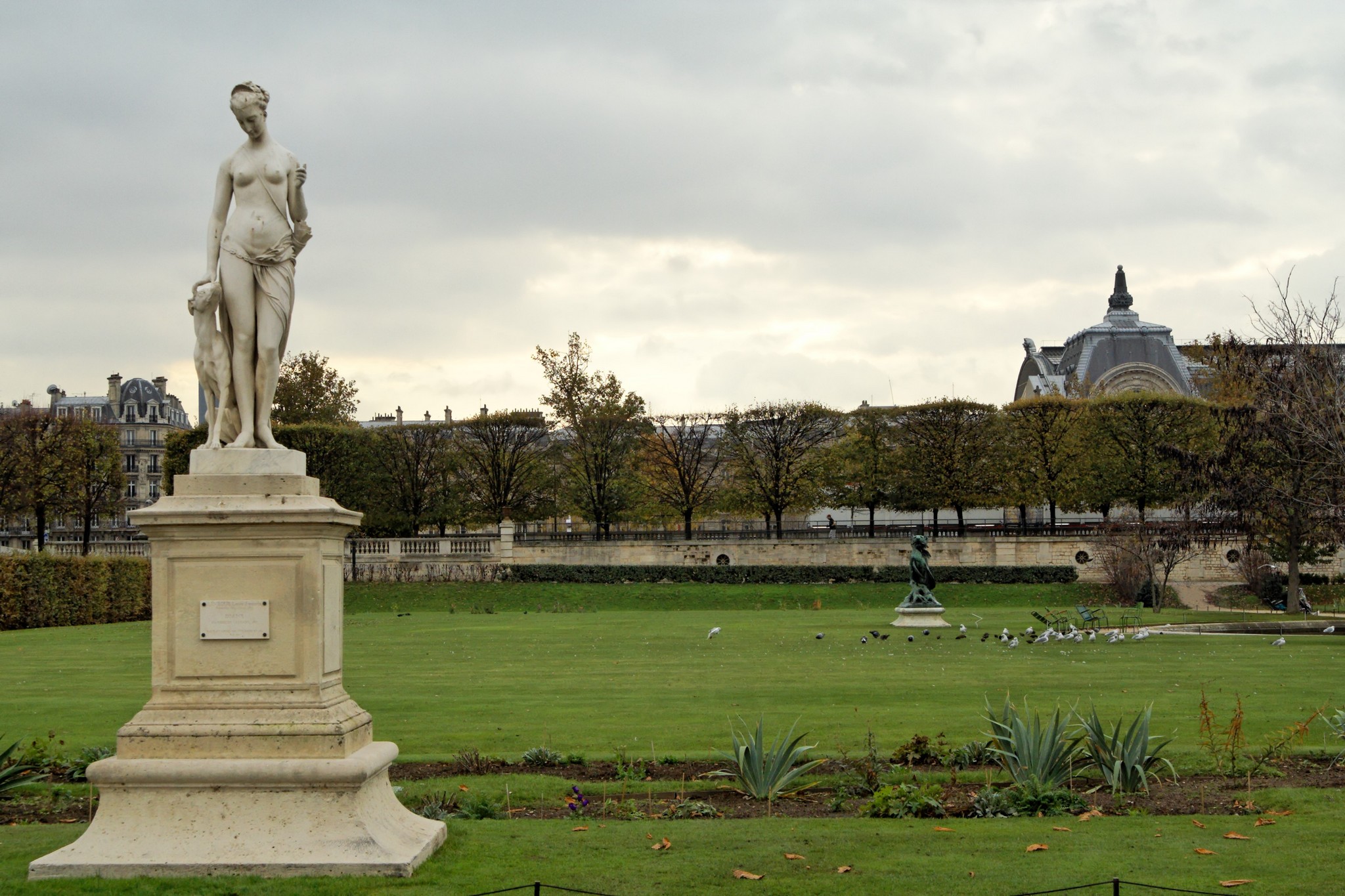
Scattered across the garden are sculptures and statues in styles from many eras, like an open-air museum. Unlike most museums, it is free, so wander and admire, and watch the Parisians taking it easy. Our guide believes this habit of putting art in public places and enjoying leisure among it is one reason the French feel so close to art, and why Paris is such an artistic city.
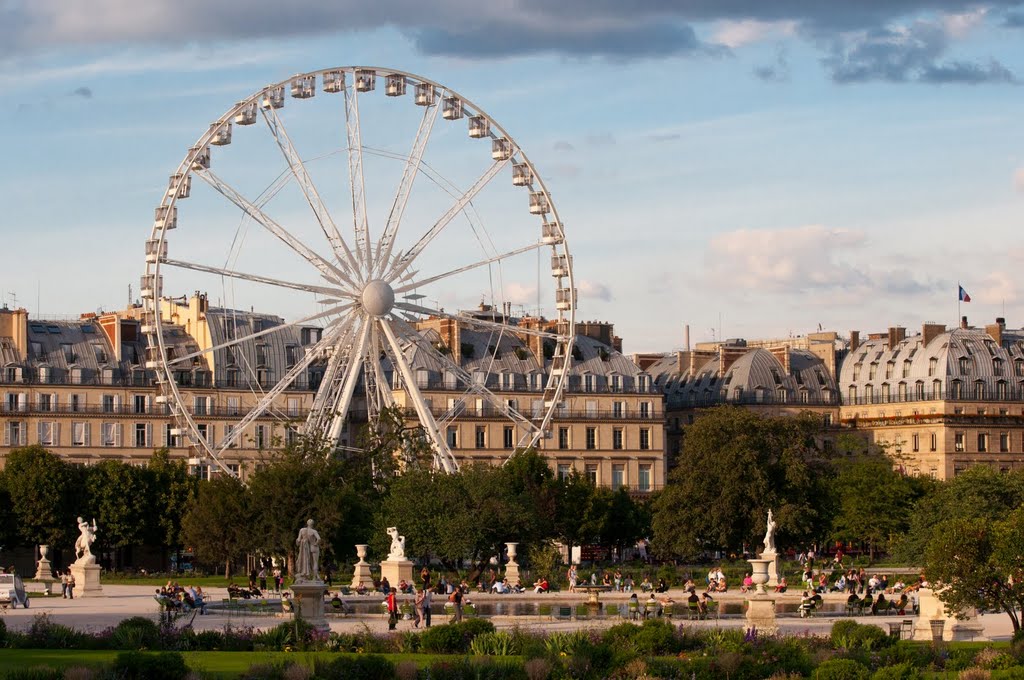
In summer, a festival that draws more than three million people a year takes over the garden, with rides and food. If it is on, ride the Ferris wheel, the highest in France, for a sweeping view of Paris. In winter there may be a Christmas market, with a different charm from the summer fair.
Next is the Musée de l'Orangerie. If you are thirsty or hungry before then, Café Angelina, right in front of the garden, makes a good stop. Even if you skip the café, listen to the Angelina chapter on your way to the museum, because it includes stories about Parisian cafés.