Paris · City Walks
Sainte-Chapelle and the Conciergerie
Paris · Paris, France
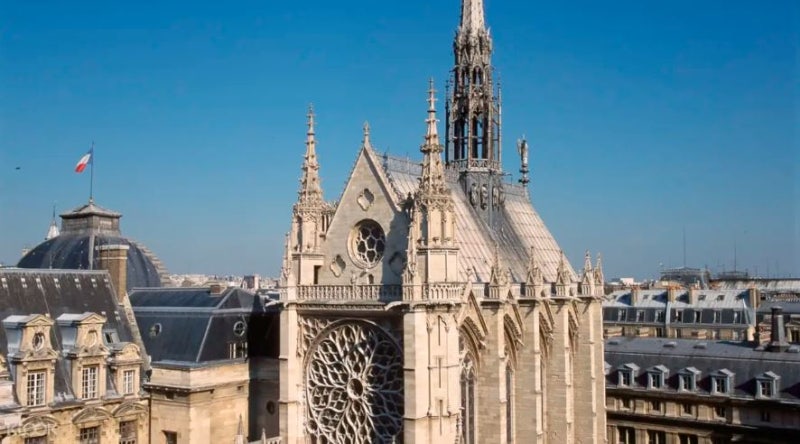

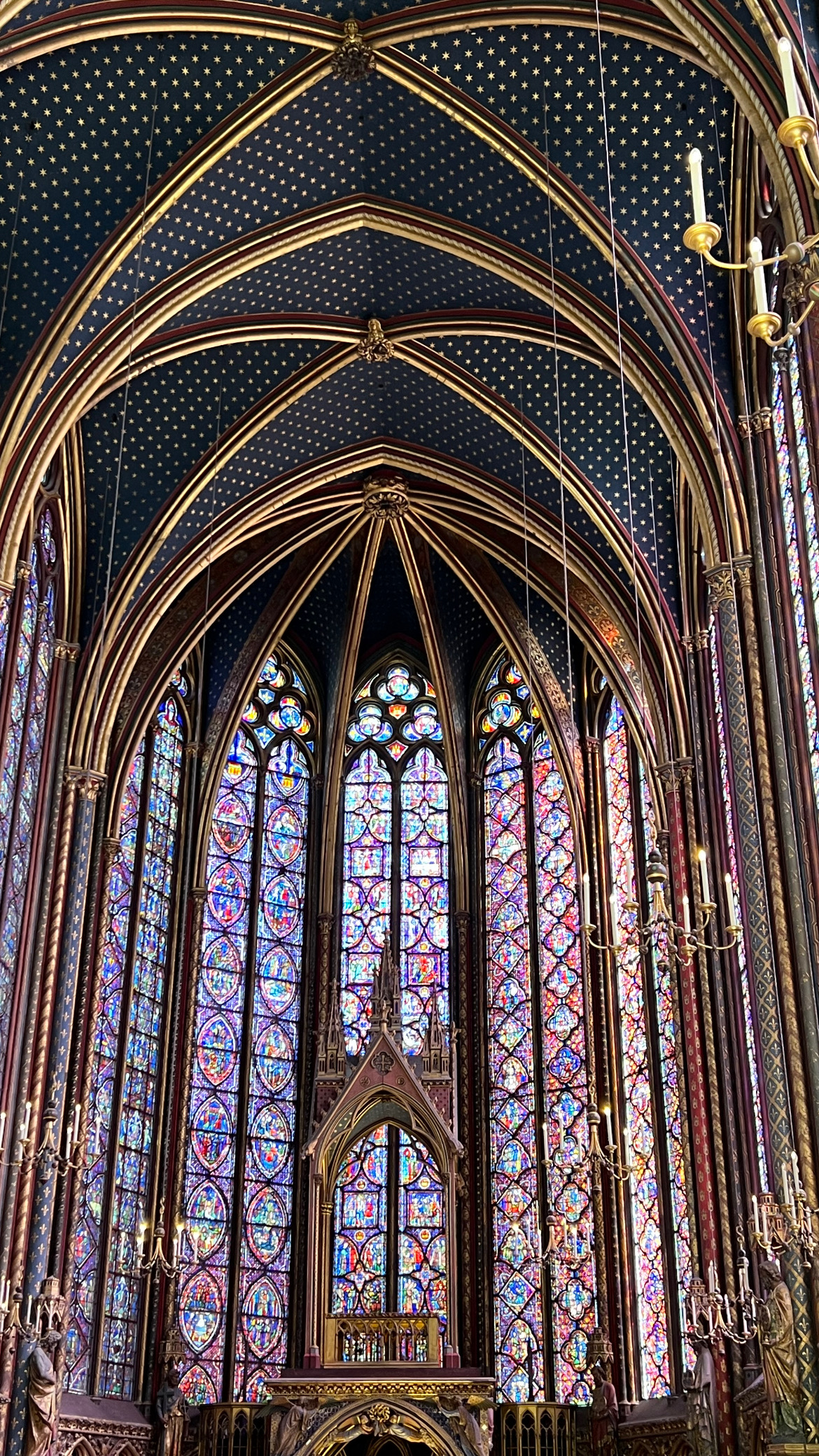
Sainte-Chapelle is a Gothic chapel built in the 13th century by Louis IX to honor his parents and to house relics including Christ's Crown of Thorns. If Notre-Dame expresses French identity, Sainte-Chapelle is more focused on faith. Louis IX stands alongside Joan of Arc and Napoleon among France's great figures, and in Catholic France he became a saint. He joined the Crusades, in which his father had died, not once but twice, and died on campaign, such was the depth of his devotion.
Unlike Notre-Dame, Sainte-Chapelle charges admission, and the Museum Pass gets you in. If the ticket price puts you off, or churches are not your thing, we still say go in. Even after seeing the likes of the Sagrada Família in Barcelona and Seville Cathedral, our guide felt nothing beats Sainte-Chapelle, so it is well worth the fee. Reference images are included for anyone who skips it.
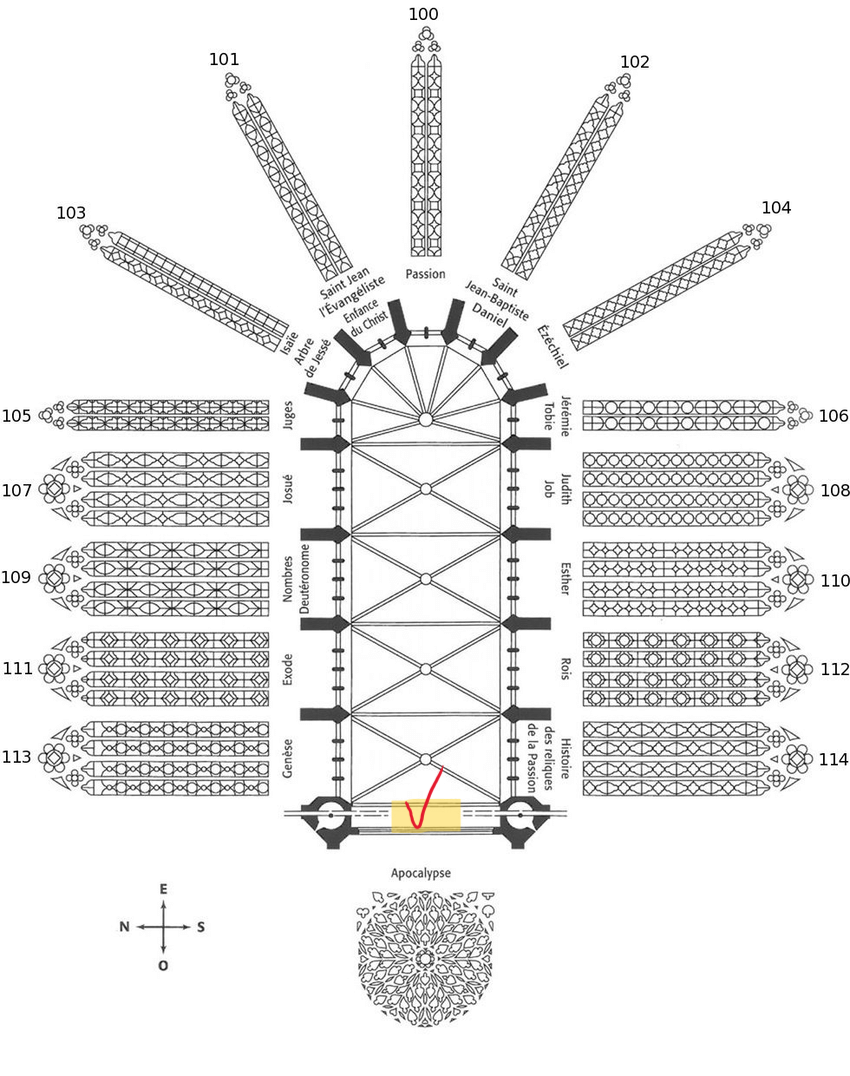
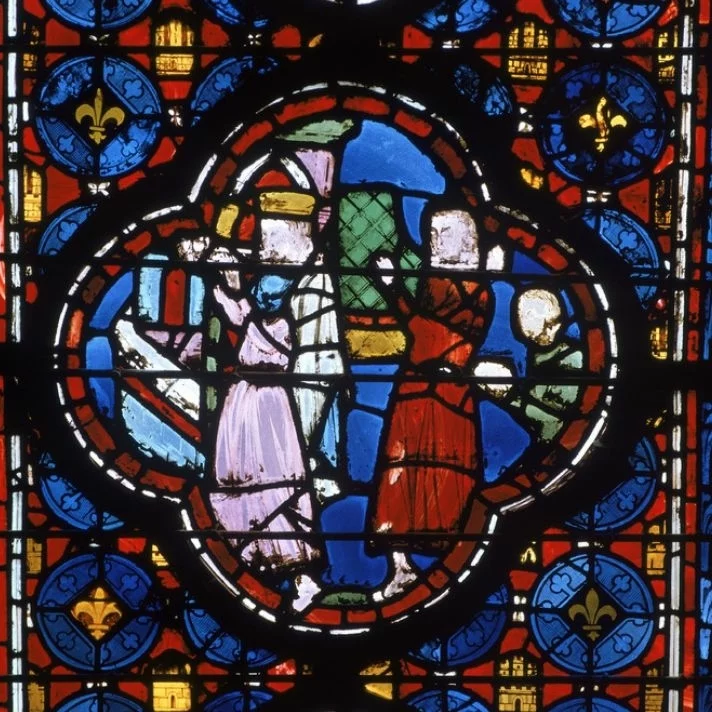
Downstairs may look like an ordinary chapel, but the real highlight is upstairs. A narrow staircase on your left as you enter leads up, so watch your step. Keep your head down until you reach the top, then look up and take it all in at once for the full effect. With your back to the rose window, you will see five stained-glass windows on each side and five more in the semicircular apse. From the first on the left to the last on the right, they tell the story of the Church, from Genesis through the life of Jesus to the 13th century. The one to look for is the very last window.
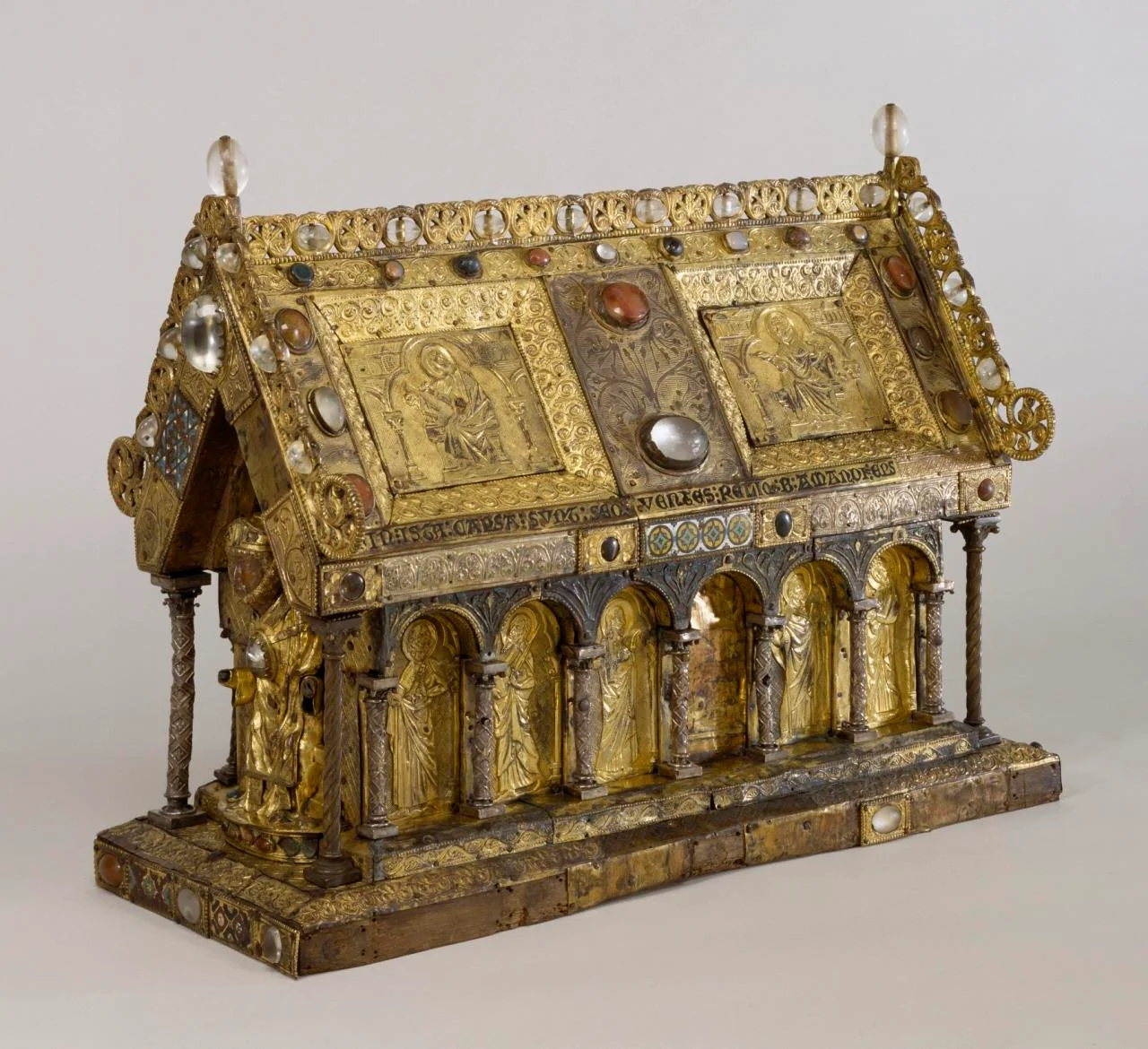
In it, a figure carries something on his shoulder. This is Louis IX himself, shown receiving the relics and bringing them to Paris. By putting himself in the glass, he cast himself as a protagonist of Christian history since Genesis and as the guardian of the relics of Christ's Passion, which boosted his religious authority and strengthened his throne in a country where Catholicism was powerful. His remains, too, were once kept here. At the time, reliquaries were fashionably made in the shape of buildings, and the more ornate they were, the holier they were thought to be. One interpretation is that Sainte-Chapelle itself, so beautiful it feels like heaven, was built as Louis IX's reliquary. That way, French kings could display the sanctity of the dynasty and the image of a king chosen by God, and win strong royal authority.
If you need a restroom, the Conciergerie has one, but if you are not going in, there is one to the left of where you first went through the bag check. The Conciergerie is right next door.
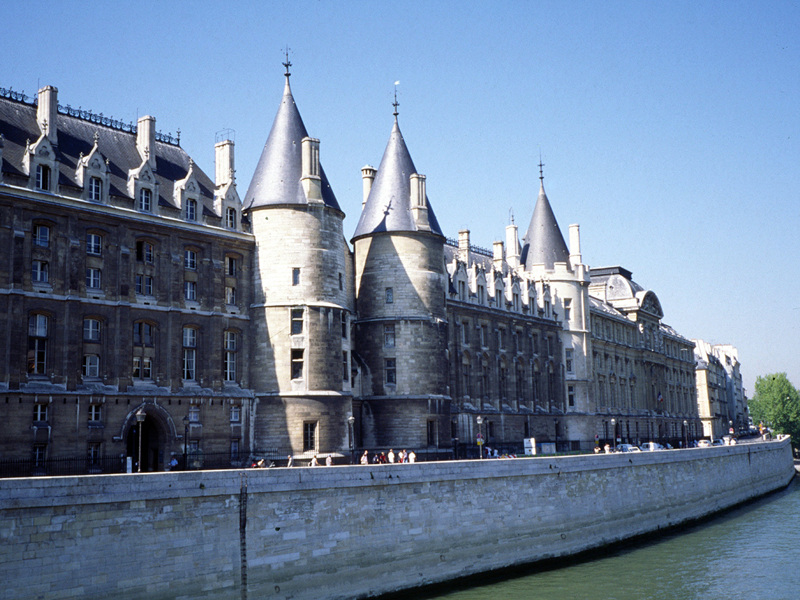
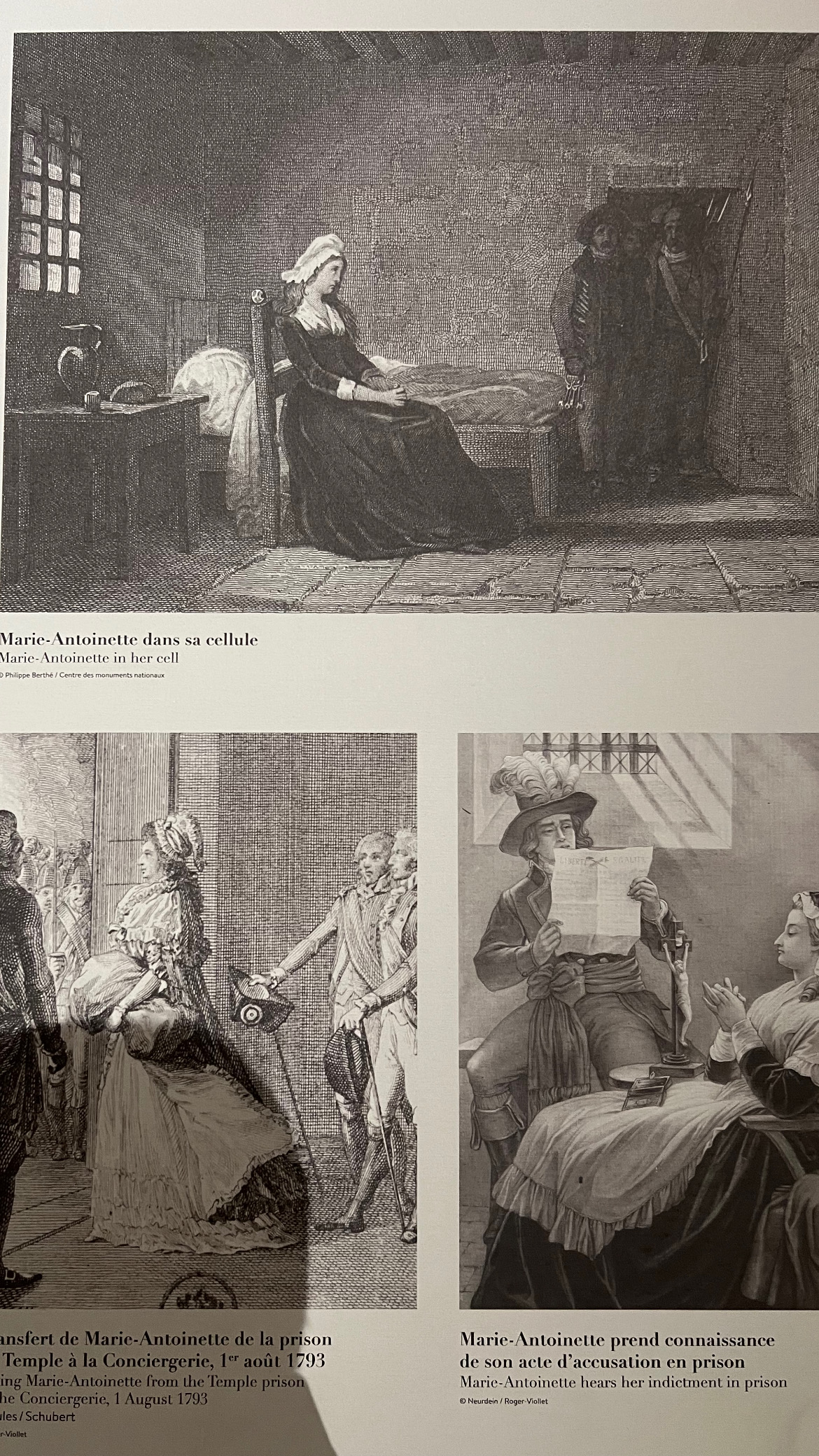
The Conciergerie began as the Palais de la Cité, the first royal palace of the French kings, and was used as a prison from the 14th century; around 1,200 people were held here during the Revolution. It is also known as the place where Marie Antoinette was imprisoned. Seen from across the river, its conical roofs look charming, but they conceal a grim history. Like Sainte-Chapelle, it charges admission and accepts the Museum Pass. If you are short on time or history is not your thing, it is fine to skip.
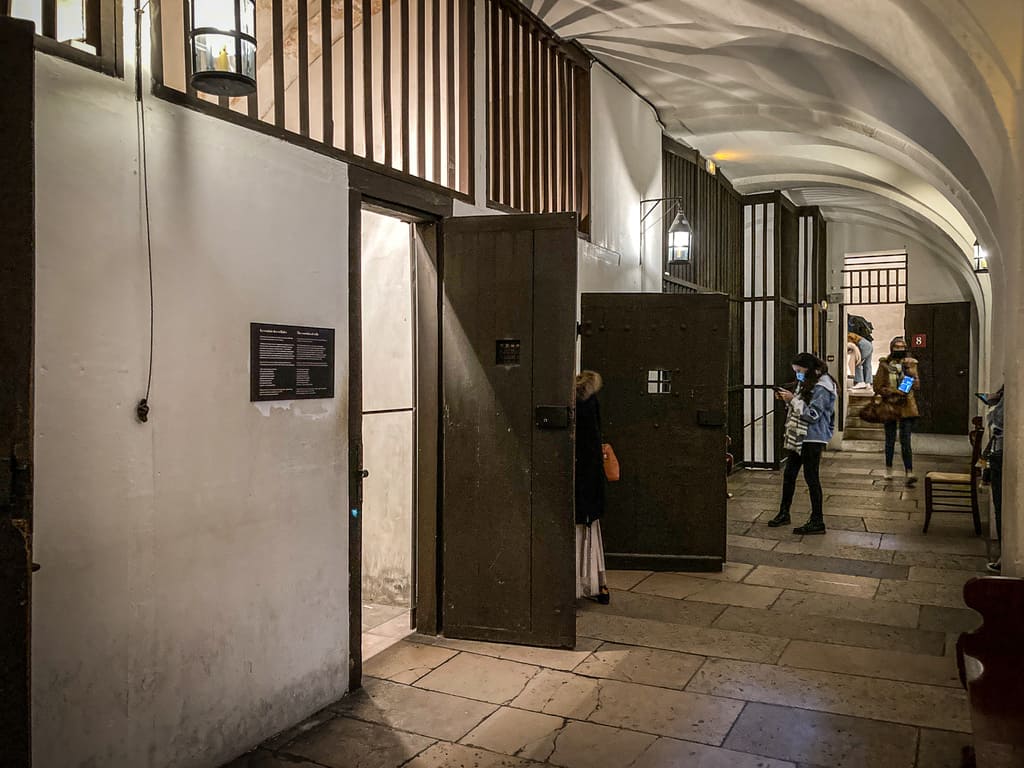
Inside, you can see how the building worked as a prison: the room where guards watched over inmates, the actual cells and the dining hall. One curious detail is that the prison charged fees, so conditions varied by what you paid. The lower level, for the poor, had straw-covered floors where inmates slept and relieved themselves in sewer-like conditions. The upper level, for wealthy prisoners, had beds and rooms that were comparatively comfortable. The cell where Marie Antoinette was actually held is on the second floor. The exhibits also show scenes of torture and a guillotine, and the knitting needles, shoes and clothes used by Marie Antoinette during her two months here are displayed in remarkably good condition. There is also a chapel built in memory of Louis XVI and Marie Antoinette. At the entrance you can borrow a tablet that shows the past and explains it, available in many languages, and it makes the visit much richer.
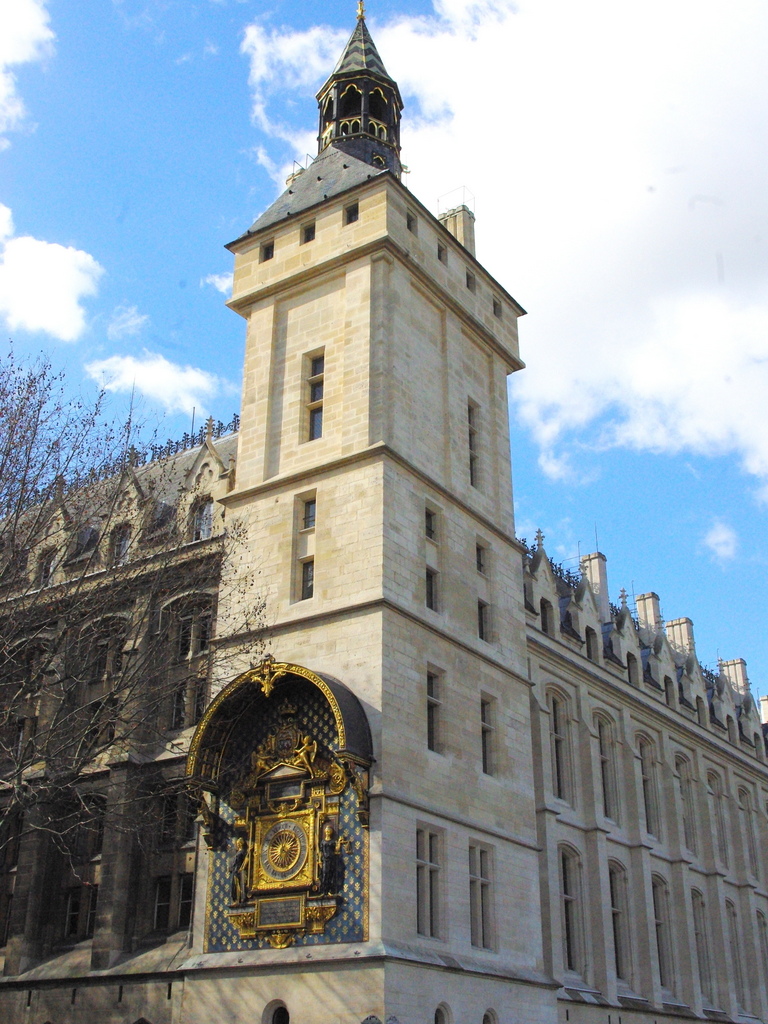
After your visit, head to the Pont Neuf. Either direction works, but if you turn left from the exit, you will also pass the oldest wall clock in Paris. There are no restrooms at the Pont Neuf, so go before you leave.