Paris · City Walks
Éric Rohmer and the French New Wave
Paris · Paris, France
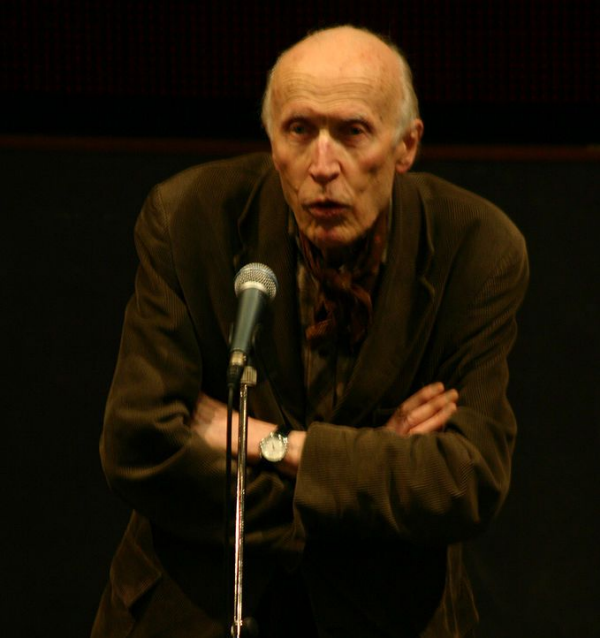
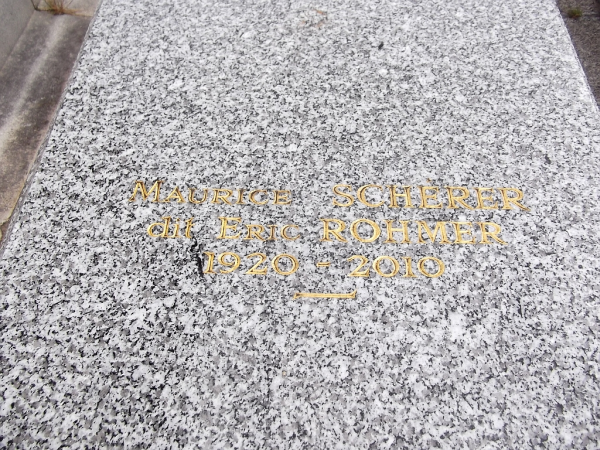
The next person buried at Montparnasse is the French film director Éric Rohmer. He spent his career making films only about everyday life and light-hearted romance, and watching them evokes early summer. Taking subjects that could easily have turned fluffy, he produced nothing but acclaimed masterpieces, and he stands alongside Truffaut and Godard as a leading figure of the French New Wave.
So what was the New Wave? It was a French film movement that dominated the 1950s and 60s. The name is French for "new wave." Put simply, these were rebellious films that broke with what had come before, and the movement is said to be grounded in the existentialist philosophy of Sartre and Camus. Many films of the period had loose story lines, a lot of improvisation, and plenty of experimentation: shaky focus, handheld cameras, actors staring straight into the lens, scenes that were never in the script. The best-known directors include François Truffaut (The 400 Blows, Jules and Jim), Jean-Luc Godard (Breathless, Pierrot le Fou), Claude Chabrol (Le Beau Serge, Le Boucher) and Jacques Rivette (L'Amour fou). It is hard to pick a single favorite among them; all of the New Wave films are worth watching. Their fresh take on the analog, romantic, free and dynamic Paris of the time will enrich your trip.
What set Rohmer apart from the other New Wave directors was that he kept a certain distance from the movement's spirit. He kept experimentation to a minimum, so his filmography has a consistent mood. He died in 2010 and was laid to rest at Montparnasse. Known for beautifully capturing natural light, he once said, "My films are slaves to the weather." François Ozon counts him as the director he admires most and has paid homage to him, and Godard, his contemporary, called him the most cultivated person he knew. He was an unusual figure: he led a quiet, devoted family life, yet love triangles appear again and again in his films.
His best-known works include The Green Ray (1986), Claire's Knee (1970), The Collector (1967) and My Girlfriend's Boyfriend (1987). He grouped his films into themed collections, such as Six Moral Tales, the historical dramas, Comedies and Proverbs, and Tales of the Four Seasons, which makes it fun to binge them as a set.
Many more people lie in Montparnasse whom we haven't covered. They include Dreyfus, whose name is familiar from Émile Zola's newspaper article "J'accuse," which exposed the innocence of the accused in a spy case; Guy de Maupassant, author of A Life; the American playwright Samuel Beckett, who wrote Waiting for Godot; the existentialist philosopher Sartre; Camille Saint-Saëns, composer of Danse macabre; and Jean Seberg, the female lead of Godard's Breathless. By now you can see why it isn't possible to visit all three cemeteries in a single day. There is simply too much to see.