Paris · Architecture
Why the Panthéon Divides the French
Panthéon · Paris, France
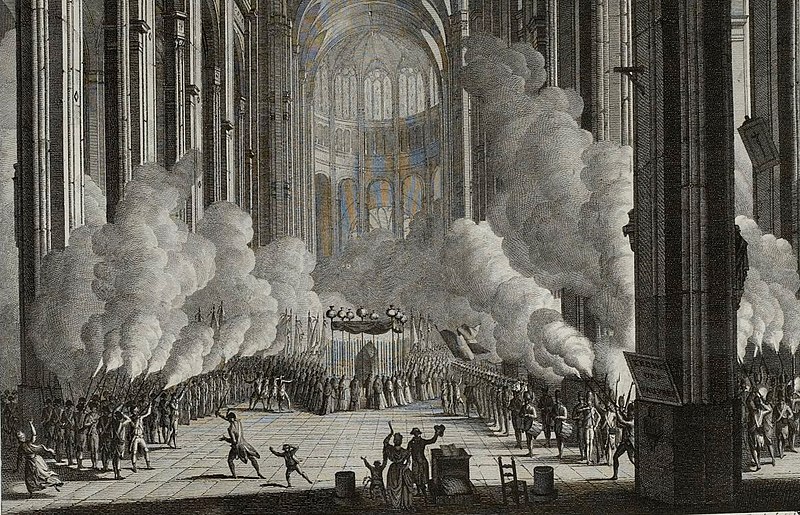

"The Panthéon is a place of conflict among the French," the historian Mona Ozouf has said. Why would the final resting place of France's heroes be a place of conflict? Because people have long argued over who deserves to be buried here.
When the Panthéon went from church to national mausoleum in 1791, the power to choose who was interred belonged to the National Assembly. Carrying on the spirit of the Revolution, it judged candidates by whether they had devoted themselves to republican values like liberty, equality, and fraternity, and whether they had brought glory to France. But values can't be measured with a ruler. What counts as an act or achievement that embodies republican values depends on your point of view, and the Assembly often saw fierce debates driven by politics and personal conviction.
Even the first person laid to rest here, the Count of Mirabeau, couldn't escape controversy. About a year after his interment, Louis XVI went on trial, and documents surfaced suggesting Mirabeau had plotted with the king to suppress the Revolution. He had been a revolutionary leader and "Father of the Revolution" who spoke up for commoners, but once the alleged plot came out, he was judged unworthy and, in 1794, was removed to a common cemetery. That is why you can't see his tomb in the Panthéon today. Since then, a tradition has taken hold that a person must be dead at least ten years before being considered, to allow for this kind of scrutiny.
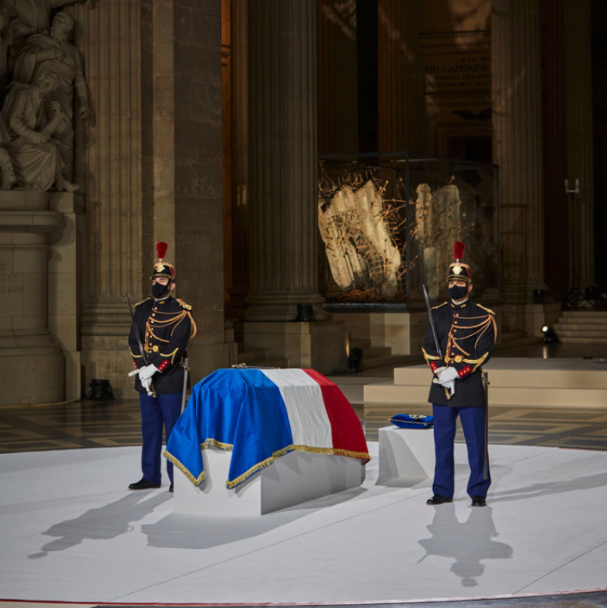
After such rigorous vetting, only about 80 people have been interred here in some 200 years, which tells you how strict the standards have been. In 1958, the power to choose passed from the Assembly to the President, and public opinion across France began to matter more than the views of legislators. The President decides on the Prime Minister's recommendation, and the Prime Minister takes nominations from a range of organizations in society. Along the way, public opinion forms on whether a person deserves a place here, and the President weighs it in giving final approval. On the day a hero's coffin is moved to the Panthéon, the nation comes together in tribute.
Those resting here are people recognized for upholding republican values in writing, speech, or deed: artists, thinkers, politicians, soldiers, and scientists, from the 18th century to today.
The Panthéon can hold about 200 tombs. It's fun to wonder which of France's heroes will be next, and whom you'd call a hero yourself. As you see their tombs and hear their stories, take a moment to think about what makes a great person.