Paris · Architecture
From Church to Mausoleum: The Panthéon's Hidden History
Panthéon · Paris, France
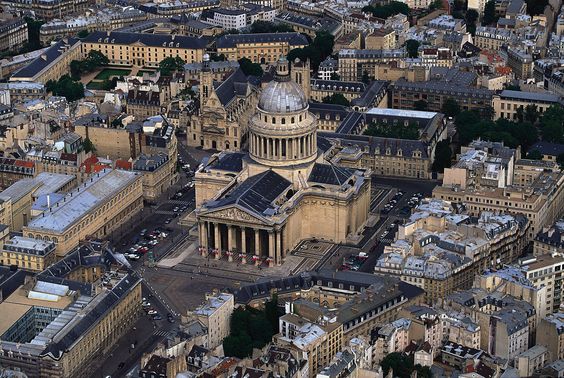
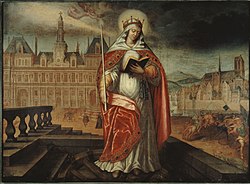
The Panthéon wasn't built as a cemetery. It began life as a church, which is why it forms a cross when seen from above. The story starts in 1744, under Louis XV, who decided to rebuild the ruined Abbey of Sainte-Geneviève. The resulting Church of Sainte-Geneviève was the Panthéon's forerunner. Geneviève is Paris's patron saint, said to have saved the city from the Huns' invasion of Europe in the fifth century.
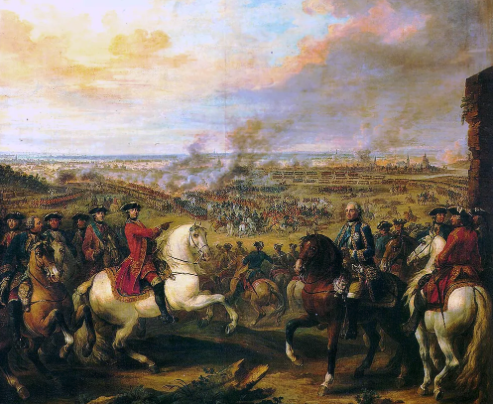
Why would an eighteenth-century king build a church for a fifth-century saint? Two reasons are usually given. The first was his health. Louis XV was only 34, but years of commanding troops in the summer heat had left him gravely ill. He prayed that if he recovered, he would dedicate a grand church to Saint Geneviève. Just as she had protected Paris from the Huns, he hoped she would save him from the enemy of illness.
The second was power. Compared with his great-grandfather, Louis XIV, Louis XV was seen as lacking charisma and royal authority, and he struggled to win over the clergy, the nobility, and the people. His love life was so tangled that he was known as a king whose mistresses were more famous than he was, and clergy condemned him for a lack of piety. His costly wars also drained the treasury, and artists and writers criticized the era and its king. Feeling his position slip, Louis XV hoped a monumental church would win back through architecture the authority he had lost.
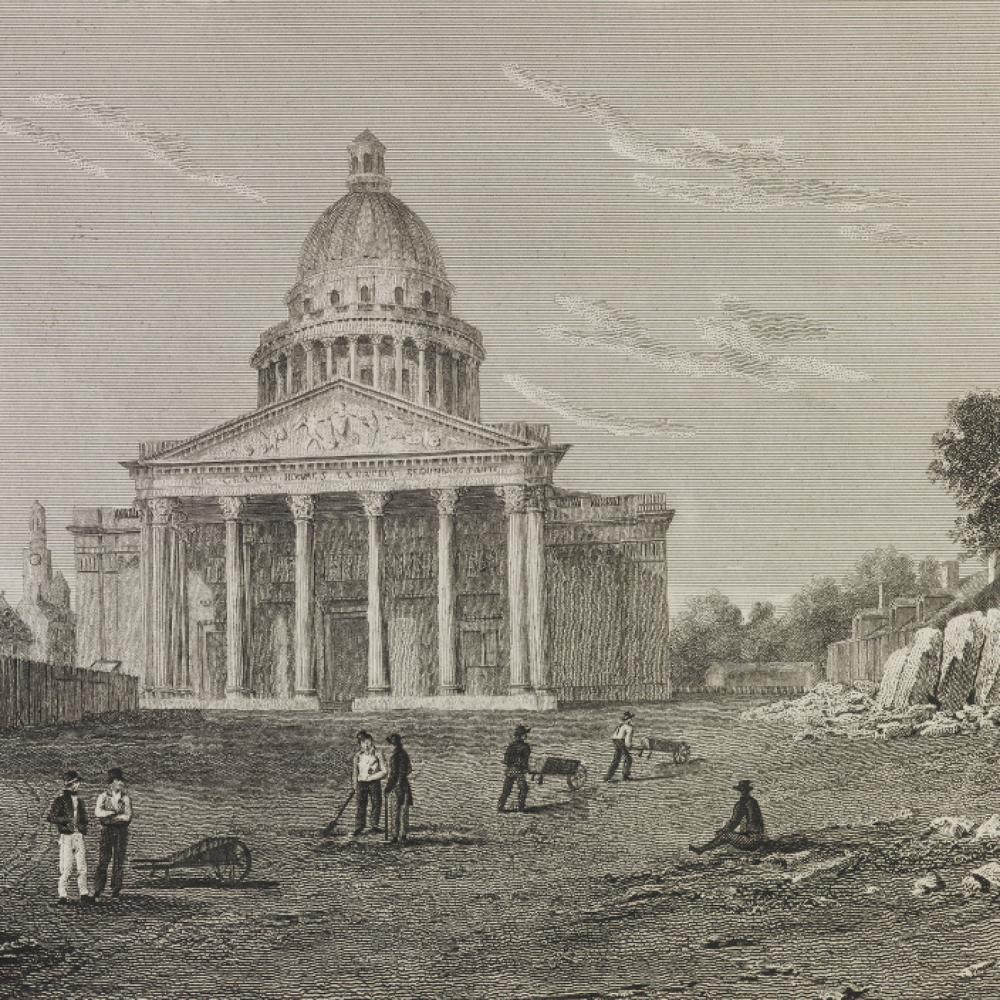
He recovered in 1758 and began construction as he had vowed. The architect was Soufflot, who had studied in Rome, and the result was a neoclassical masterpiece: the Panthéon we see today. Earthquakes and funding problems slowed progress, and the building was finished in 1790, which is fairly quick by European standards. Even so, neither Louis XV nor Soufflot lived to see it completed.
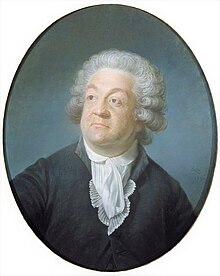
A church built partly to bolster royal prestige took on a new purpose when the monarchy fell. During the French Revolution, when commoners overthrew the king and founded a republic, the revolutionaries turned it into a burial place for the Republic's great figures. The first to be interred was the Count of Mirabeau, nicknamed "Father of the Revolution." In the Assembly, he had argued for reforming a tax system in which only commoners bore the heavy burden, and his powerful oratory made him a revolutionary leader. When he died in 1791, the Assembly debated where to honor him, and the Church of Sainte-Geneviève was proposed. It was decided that Mirabeau and other heroes of the Republic would rest there.
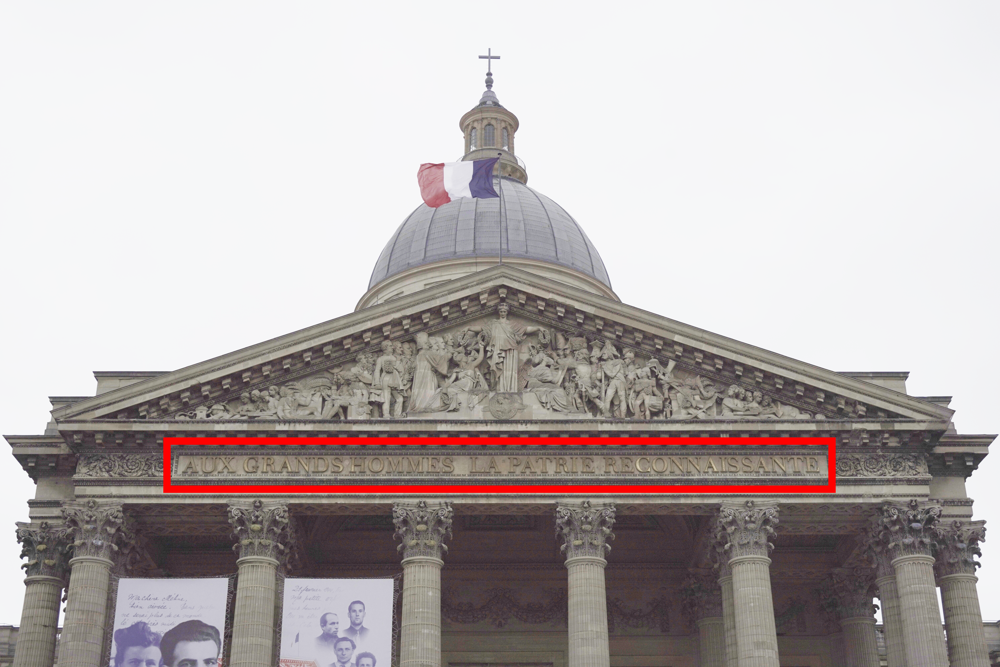
The inscription "AUX GRANDS HOMMES LA PATRIE RECONNAISSANTE," meaning "To the great men, the grateful homeland," was carved across the front, and it was decided that the remains of Voltaire and Rousseau would be placed here too. From then on, the church became a national mausoleum for those who embodied the Republic's ideals of liberty, equality, and fraternity.
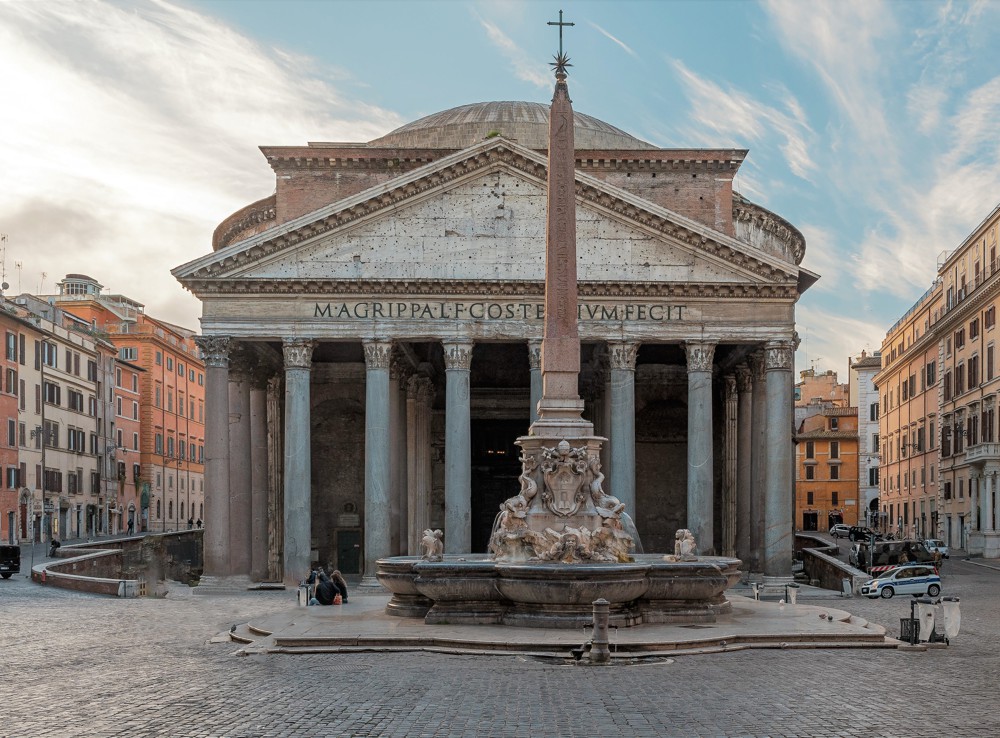
That is also when it got its name. Visitors to Rome may know the Pantheon there, whose name comes from the Latin for "a place for all the gods." In Rome, that temple later became a church for all the saints. The French Panthéon took the name to signal a place for people who, in service to the Republic, achieved something almost godlike.
So who rests here? That question is really another one: what makes someone a French hero? The debates over burials have been many, and we'll pick that story up in the next track.