Paris · Architecture
Did the Enlightenment Spark the French Revolution?
Panthéon · Paris, France
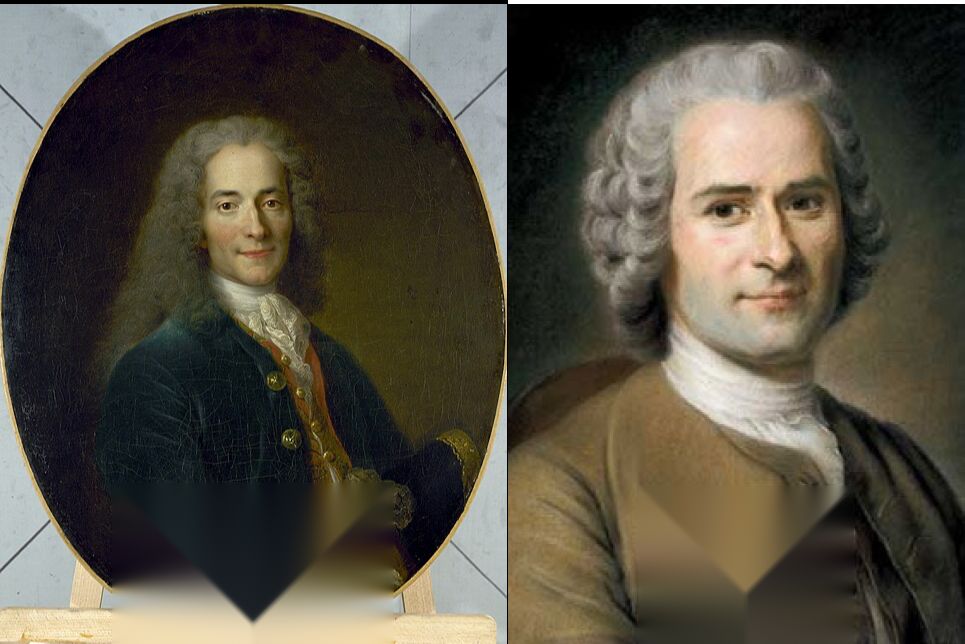
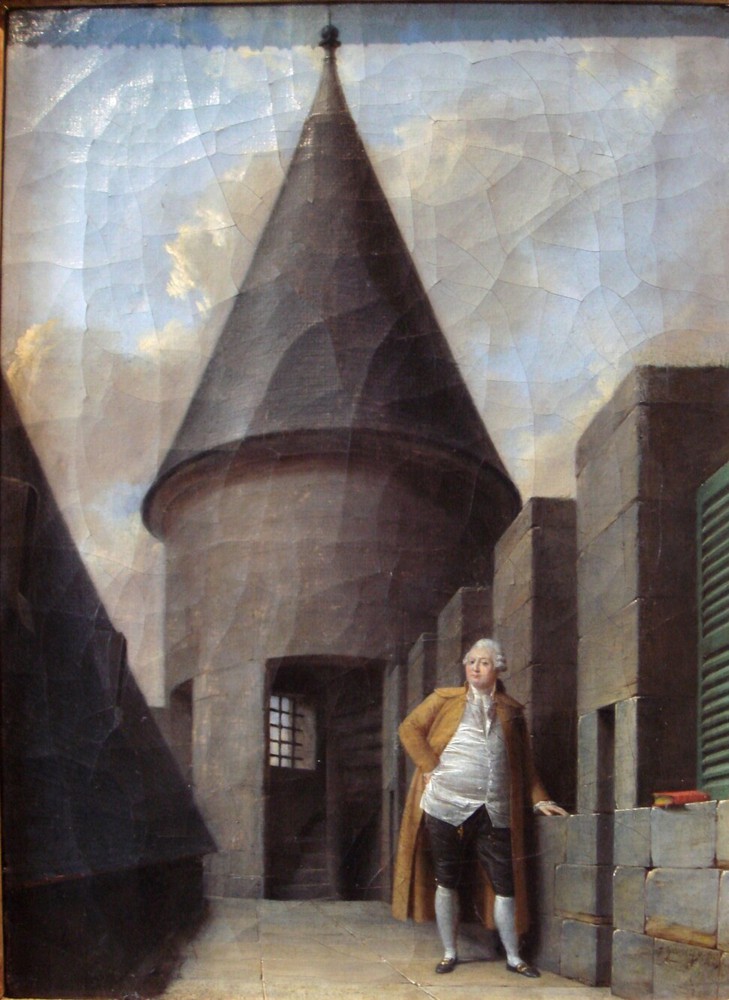
The Panthéon holds the tombs of Rousseau and Voltaire, two of France's most famous Enlightenment thinkers, who are known for spreading ideas that helped light the fuse of the French Revolution. After revolutionaries imprisoned Louis XVI, he is said to have remarked, "It is those two, Rousseau and Voltaire, who destroyed my kingdom." Before we visit their tombs, let's get a quick primer on the Enlightenment.
The word "enlightenment" means to shed light on darkness. In late eighteenth-century Europe, the movement used human reason to expose the unreasonable institutions and customs of society, and human ignorance itself.
Rousseau and Voltaire criticized France's monarchy and its class system. The monarchy was so absolute that society was rigidly stratified and obedience was expected. Under that system, the clergy and nobility levied heavy taxes on commoners, filling their own stomachs while commoners went hungry. Enlightenment thinkers attacked this sharply, and their ideas spread among the people until they grew into a revolution to topple the old regime.
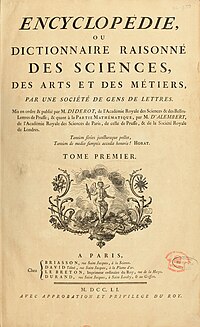
These thinkers did more than criticize the political order; they also worked to spread scientific knowledge. One example is the Encyclopédie. It gathered writings from 1,200 of Europe's leading minds on the latest science, scholarship, and technology and was published in 28 volumes. The full set cost as much as three years of a worker's wages, yet more than 4,000 people waited to buy it. The Enlightenment thinkers who contributed are collectively known as the Encyclopédistes.
The individual stories of Rousseau and Voltaire will follow on site.