Paris · Painting
The Sculpture Nearly Removed for Being Too Risqué: Carpeaux's The Dance
Musée d'Orsay · Paris, France
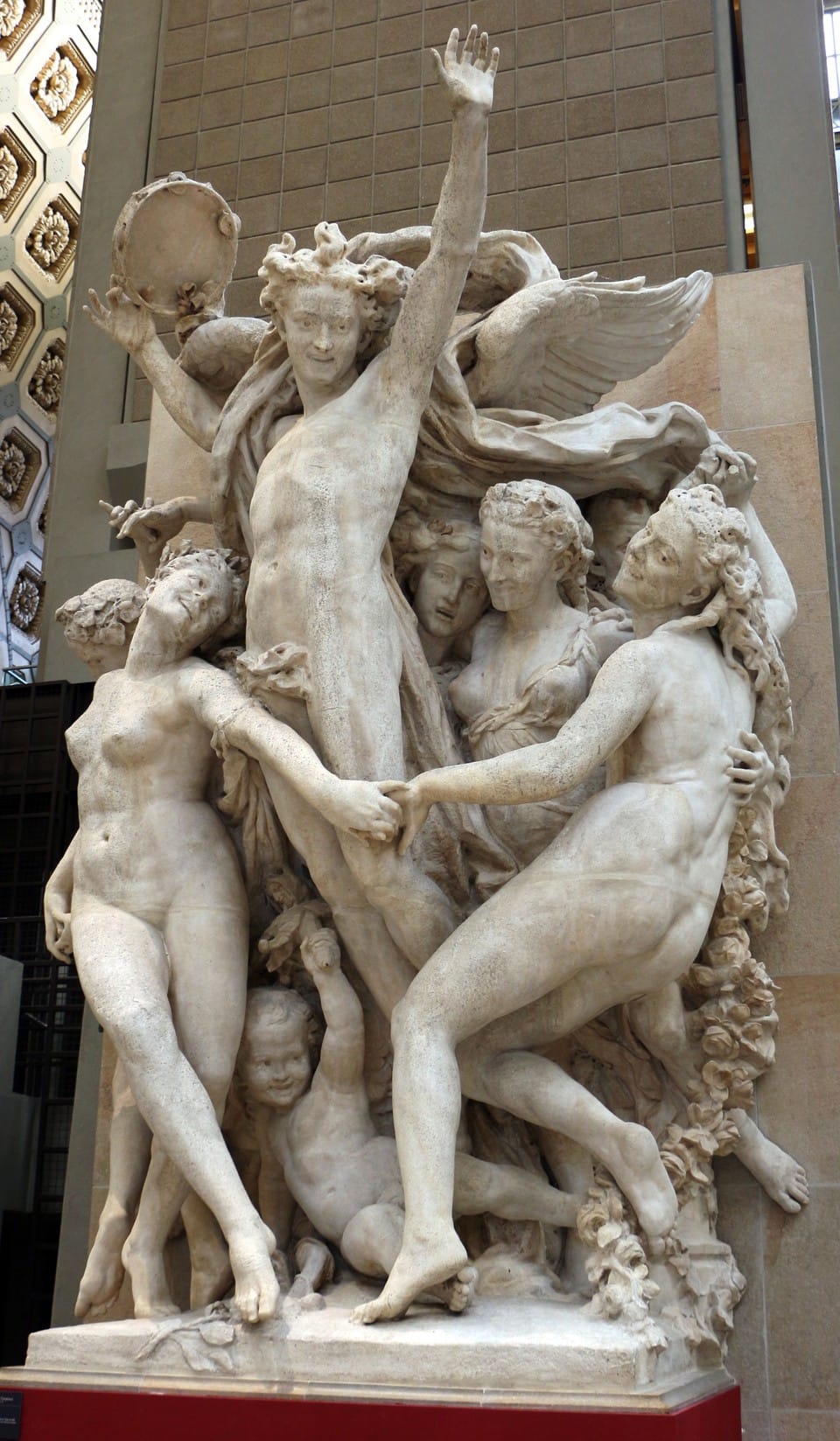
The Dance, by French sculptor Jean-Baptiste Carpeaux, was commissioned by the architect Charles Garnier to adorn the exterior of the Paris Opera that bears his name.
At the center stands the spirit of Dance, surrounded by women known as bacchantes — priestesses of the wine god Bacchus. The dance they're performing is the farandole, a traditional dance from Provence in southern France. To sculpt it accurately, Carpeaux spent three years watching the dance performed live, sketching it over and over, and the finished piece bears the unmistakable mark of that effort in its sheer sense of dynamic motion.
Carpeaux believed dance to be humanity's most universal outlet for raw energy, and he wanted this sculpture to capture emotional expression at its most primal. To push that idea further, he carved every figure nude and gave each a decidedly sensual expression.
Once installed on the Opera's façade, though, the reaction was far cooler than anticipated. Critics called it too provocative — and honestly, a 4-meter-tall nude sculpture with an overtly sensual expression right at the entrance to the opera house is bound to make some people uneasy. Officials decided to take it down, but the outbreak of the Franco-Prussian War intervened, and the sculpture simply stayed put. Years of exposure to the elements left it badly weathered, and it was eventually moved to the Louvre before finally settling here at the Musée d'Orsay.
Opinions about the piece's expression remain divided to this day, but it's widely regarded as a significant work — one whose bold, free-spirited approach helped push French sculpture forward.