Paris · Architecture
The Hunchback of Notre-Dame: The Story
Notre-Dame de Paris · Paris, France
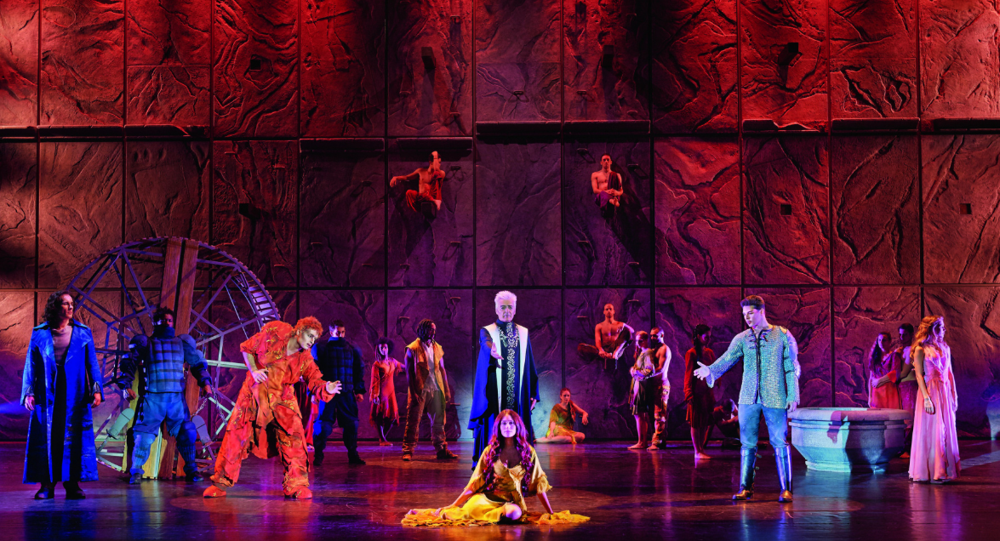
Before the tour begins in earnest, here is a quick retelling for anyone who hasn't had time to read the novel that saved this beautiful cathedral: The Hunchback of Notre-Dame. It opens at the Feast of Fools, a rowdy street festival where the whole town has spilled into the streets to drink and make merry. At its center is a man with a hunched back and a twisted eye: Quasimodo, the cathedral's bell-ringer. The crowd points and jeers at his monstrous looks. Then Esmeralda, a beautiful Gypsy dancer, steps up to the stage and offers a cup of warm water to Quasimodo, the man everyone was mocking. It lasts only a moment, but this small kindness becomes everything to him and lights a fire of love and devotion in his heart that can never be put out.
The tender scene doesn't last. The story quickly turns to jealousy and desire. Frollo, a high-ranking priest at the cathedral, sees Esmeralda and is seized by a forbidden desire. It isn't love; it's obsession. Frollo secretly stabs Phoebus, the dashing captain of the guard whom Esmeralda loves, and pins the crime on her. It's hard to imagine today, but trials back then were a sham, and she is wrongly branded a witch and sentenced to death. It was an age when the weak didn't even have the strength to cry out the truth. Just as Esmeralda is about to be lost at the gallows, Quasimodo swings down on a rope, sweeps her up in his arms and shouts, "Sanctuary!" In the Middle Ages, anyone who took refuge inside a church could not be arrested, even by the king's soldiers.
That saves her life for a while. But this last hope collapses before royal power. Soldiers storm the holy cathedral, drag her out and carry out the sentence in the square. Quasimodo watches the woman he loves die from the top of the tower. Then he seizes Frollo, who has been sneering at the tragedy he himself set in motion, and hurls him from the tower. When it is all over, only deep sorrow remains in his world.
Each of the novel's characters mirrors a side of the society of the time. Quasimodo represents the marginalized, shunned all their lives for how they look. Esmeralda stands for the vulnerable, hunted as a witch simply for being a Gypsy. The hypocritical Father Frollo and the polished but hollow Captain Phoebus show the rot in the church and the aristocracy as it was. Through this cathedral as a stage, Victor Hugo wanted to expose the injustice and prejudice that society dressed up as fate. It is only a novel, of course, but Hugo presents Notre-Dame as a living witness that has quietly watched over the love and jealousy, hope and despair of the French people for centuries. That is part of why Parisians hold Hugo in such deep respect and love the cathedral so dearly.