Paris · Architecture
Notre-Dame: History and Scale
Notre-Dame de Paris · Paris, France
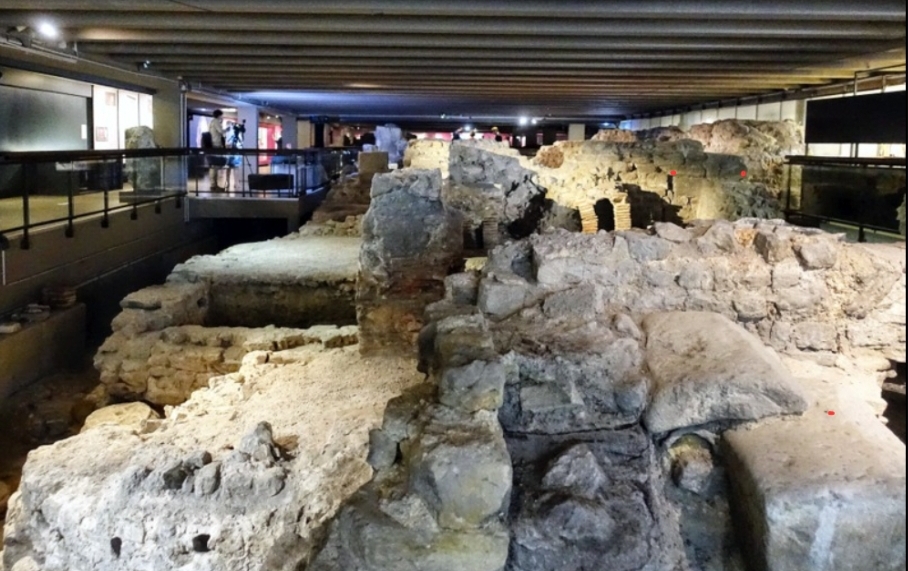
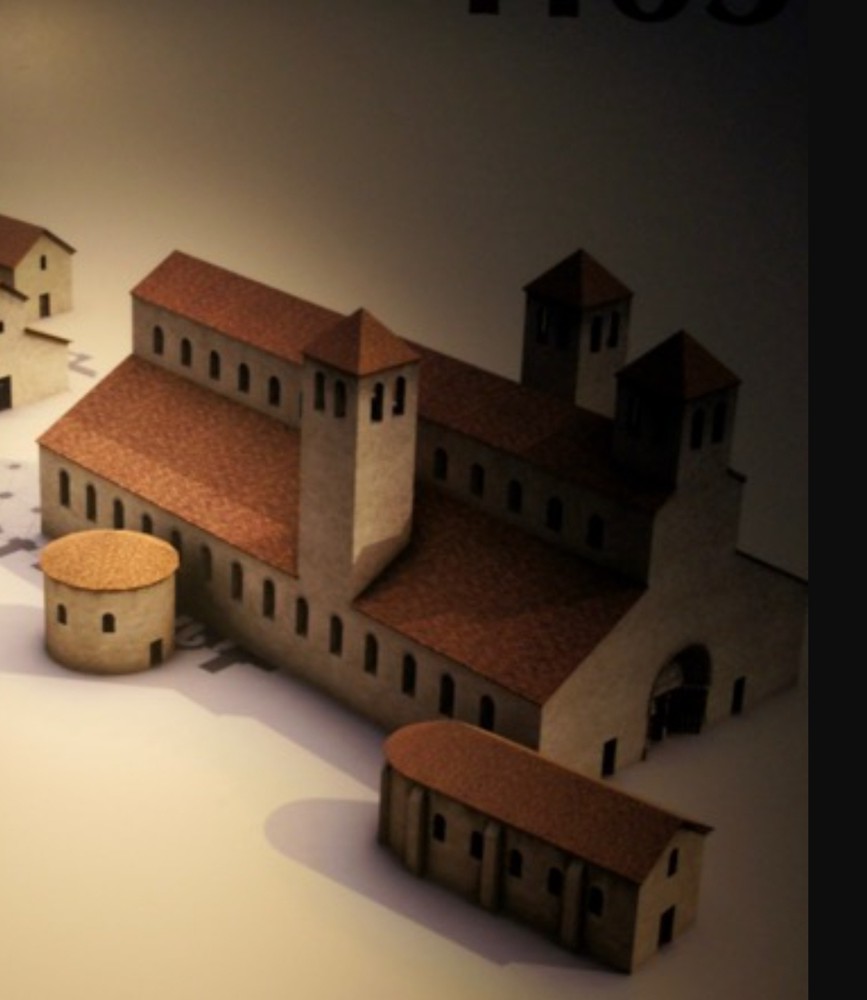
Beneath the stone floor of Notre-Dame, the symbol of Paris, lies far more history than you might imagine. To understand why Victor Hugo fought so hard to save this cathedral, we have to start with the very old story of the ground it stands on. It goes back some 2,000 years. This was already a sacred site, with a temple honoring both local Celtic gods and the gods of Rome. After Christianity spread, a large, ancient church called Saint-Étienne stood here for centuries as the center of Parisian faith. Then, in the 12th century, the bishop Maurice de Sully set out to build something unlike anything before it: the greatest sanctuary in the world, dedicated to the Virgin Mary.
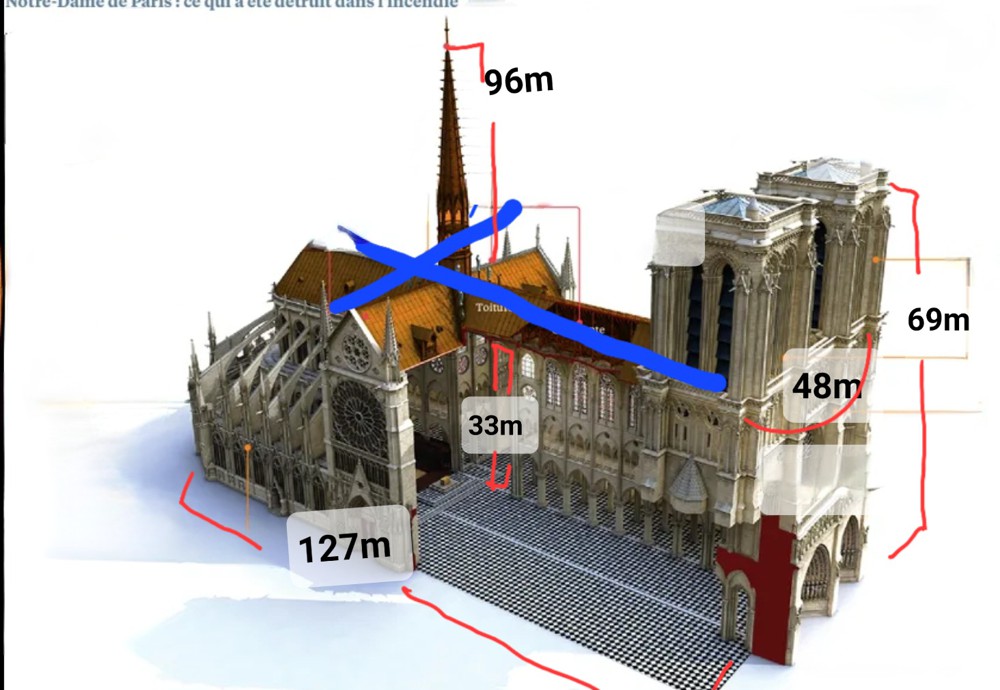
The old churches were torn down, and after some 180 years of construction beginning in 1163, the cathedral was finished and the great history of Notre-Dame began. The plan was bold. The building is 128 meters long, longer than most football pitches. Inside, the awe-inspiring ceiling soars 33 meters, well above the height of a ten-story apartment block, all built from stone alone. The two façade towers rise to 69 meters, and the space could hold some 9,000 worshippers at once. With the technology of the time, it was nearly impossible, a miracle born of faith.
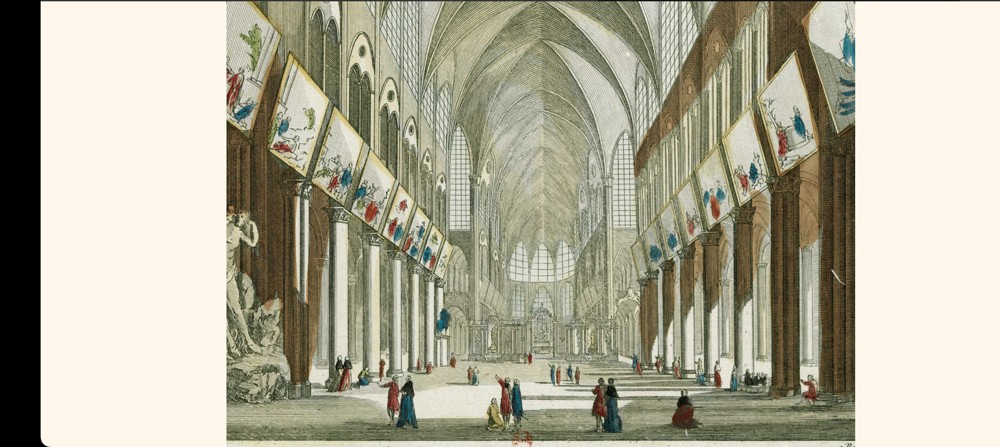
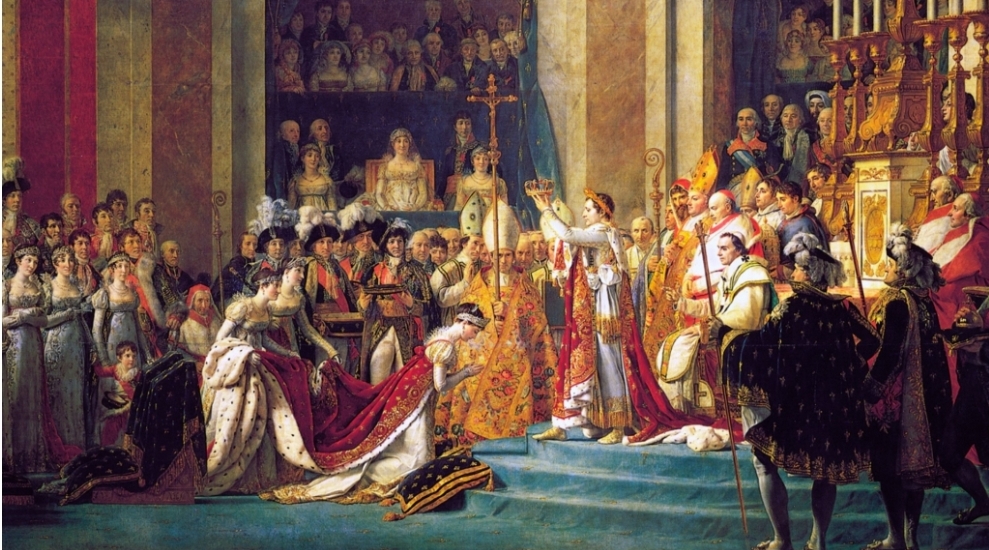
After 600 years as the beating heart of Paris, Notre-Dame faced the worst ordeal in its history: the storm of the French Revolution in the late 18th century. Seen as a symbol of the oppressive monarchy and Church, the cathedral became the first target of the angry crowds. The royal statues on the façade were beheaded, and the bells were melted down for cannonballs. The sacred space was renamed the Temple of Reason, and later abandoned as a warehouse for the army's food and wine. When Napoleon chose to hold his imperial coronation here, things did not improve; the ruined interior was simply hidden behind lavish drapery. Once the ceremony was over, Notre-Dame slipped from memory again. By the early 19th century it was slowly dying, badly decayed and close to vanishing from the map of Paris.
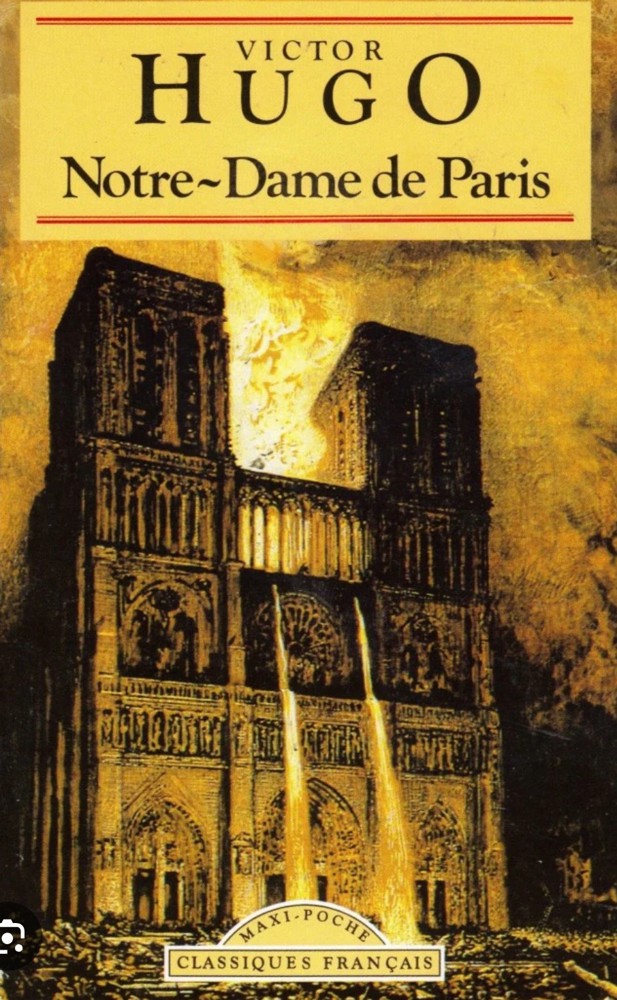
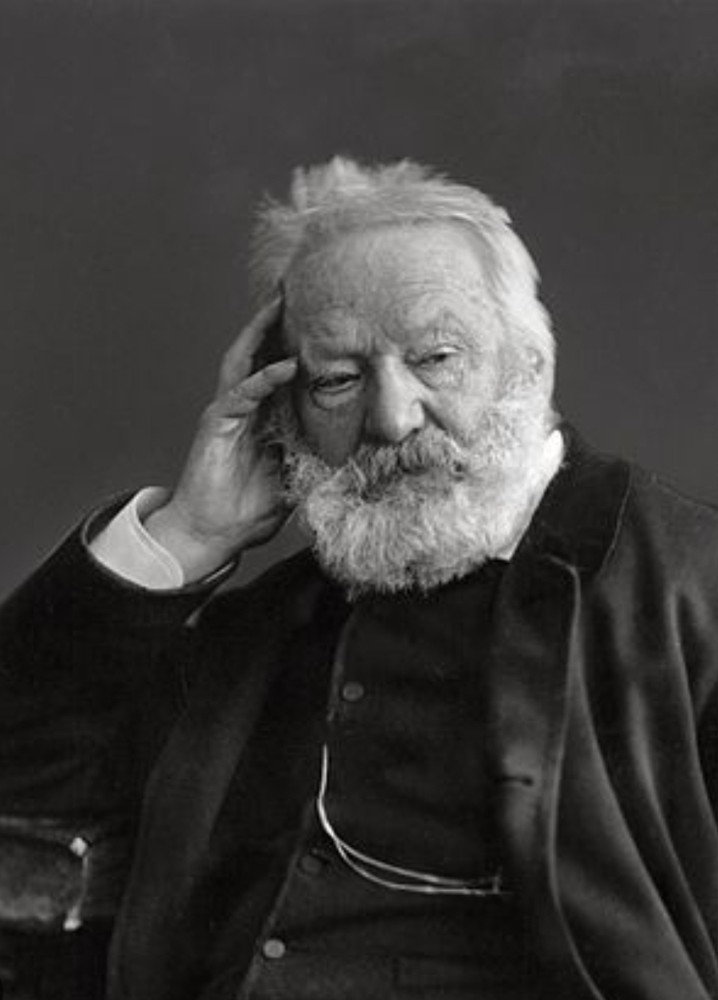
One man watched all this with heartbreak. He was no king or general but a 30-year-old novelist, Victor Hugo. To keep this great heritage from disappearing, he picked up his pen, and in 1831 his novel The Hunchback of Notre-Dame (Notre-Dame de Paris) appeared. Its real protagonist was not Quasimodo or Esmeralda, but the cathedral itself, with a soul that had endured every hardship while watching over Paris. The novel shook all of France. People realized what a precious treasure they had been neglecting, and began to feel ashamed. The call to save Notre-Dame grew into a nationwide movement, and eventually the government promised a major restoration.
One person's passion and storytelling breathed new life into crumbling stone, and in truth, we are standing here today thanks to Victor Hugo. Notre-Dame remains a witness to history, holding its era within its walls. If you love reading, now that everything can feel like a mirage in an age of AI and instant everything, you might pick up Hugo's Notre-Dame de Paris and spend some time thinking about what has been forgotten.