Paris · City Walks
Picasso's Blue Period and Rose Period
Montmartre · Paris, France
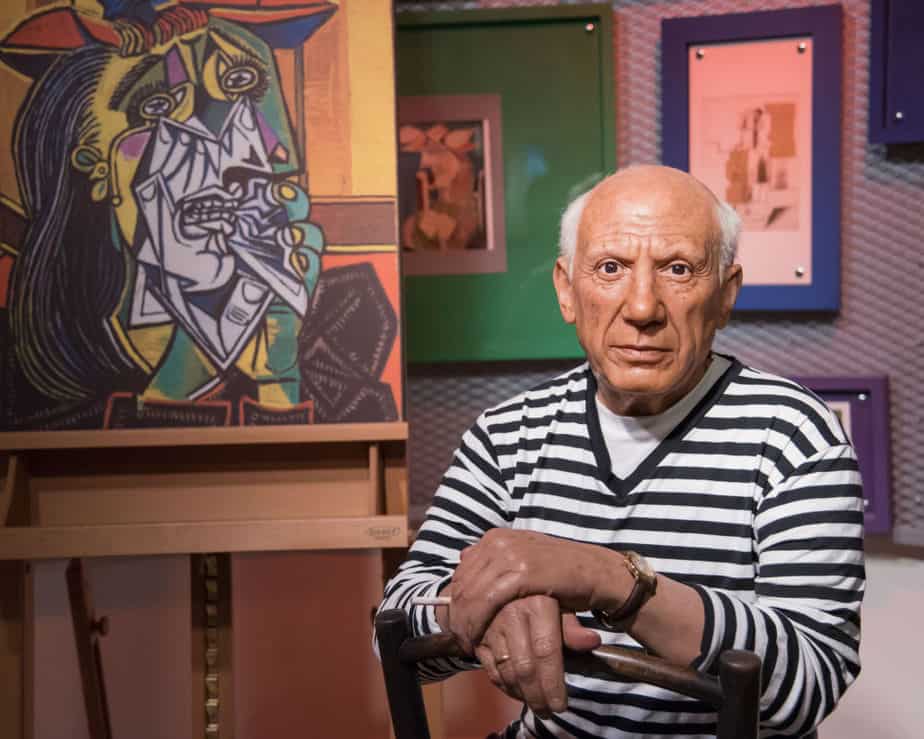
In 1881, a boy was born in Spain: Pablo Picasso. Influenced by his father, a painter and teacher, he drew from an early age. He struggled so much at school that graduating was a challenge, but he showed real talent in art and entered the Royal Academy of Fine Arts in Barcelona at fourteen. He had trouble fitting in there, too.
In 1900, nineteen-year-old Picasso was captivated by French painters such as Renoir and Toulouse-Lautrec and visited Paris. The following year he stayed in Montmartre and painted hard. Behind the glittering façade of this city of art, though, lay beggars, vagrants, poverty and misery. Enduring the cold and the loneliness of not speaking French, he took the beggars and poor families living wretched lives behind the glamour as his subjects. Then came the sad news of the death of Carlos, a close friend who had shared his hardships, and, deeply shaken, Picasso painted even more melancholy and solitary works. His paintings of this time are full of sorrowful blue, so it's known as his Blue Period.
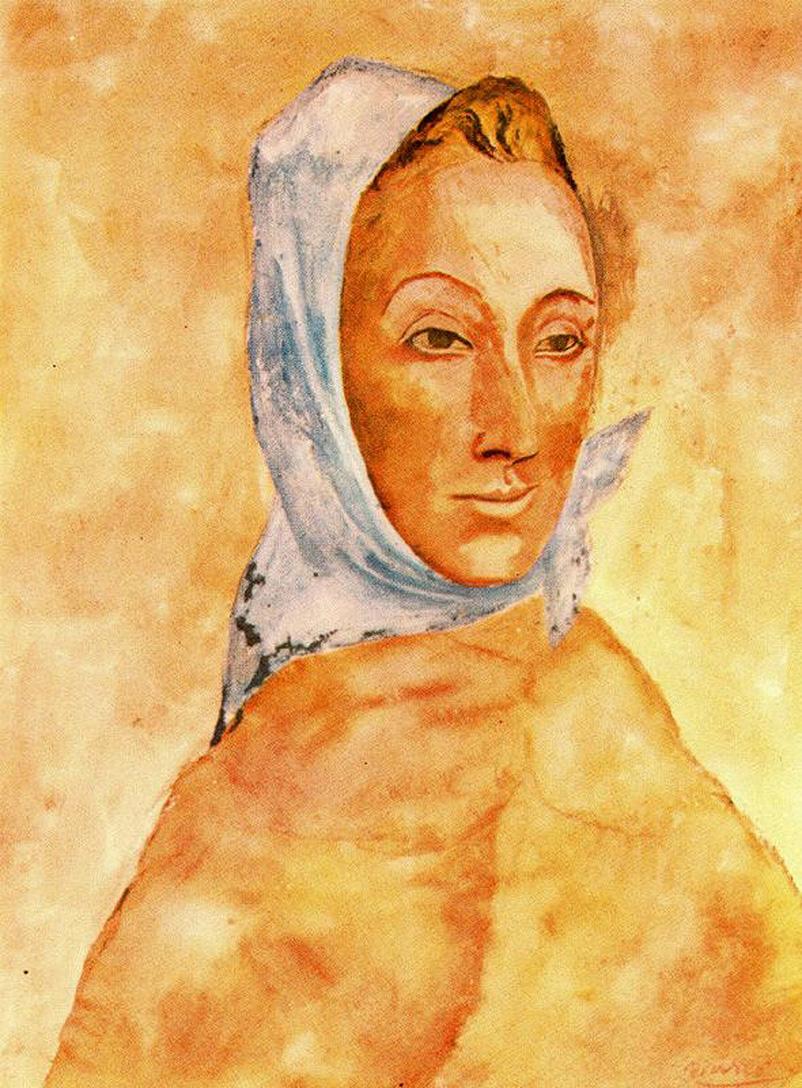
After the cold winter came spring. In 1904, Picasso met Fernande Olivier, the woman who would change his life. She had fled a violent husband and moved to Paris. Picasso was famous as a womanizer, yet he stayed with Olivier for seven years. Warm colors such as pink, yellow and orange appear in his paintings of her, and this phase is called his Rose Period.
Having overcome his gloom with Olivier, Picasso created his masterpiece Les Demoiselles d'Avignon. Earlier works were painted from a single viewpoint, front or side. Here, the second woman from the left has eyes facing forward but a nose in profile. By mixing viewpoints into a fractured composition, he made a landmark of Cubism. The painting brought him attention and set him on the road to becoming a top painter. But as he grew famous, he grew indifferent to Olivier, and after many fights, their seven-year relationship ended.
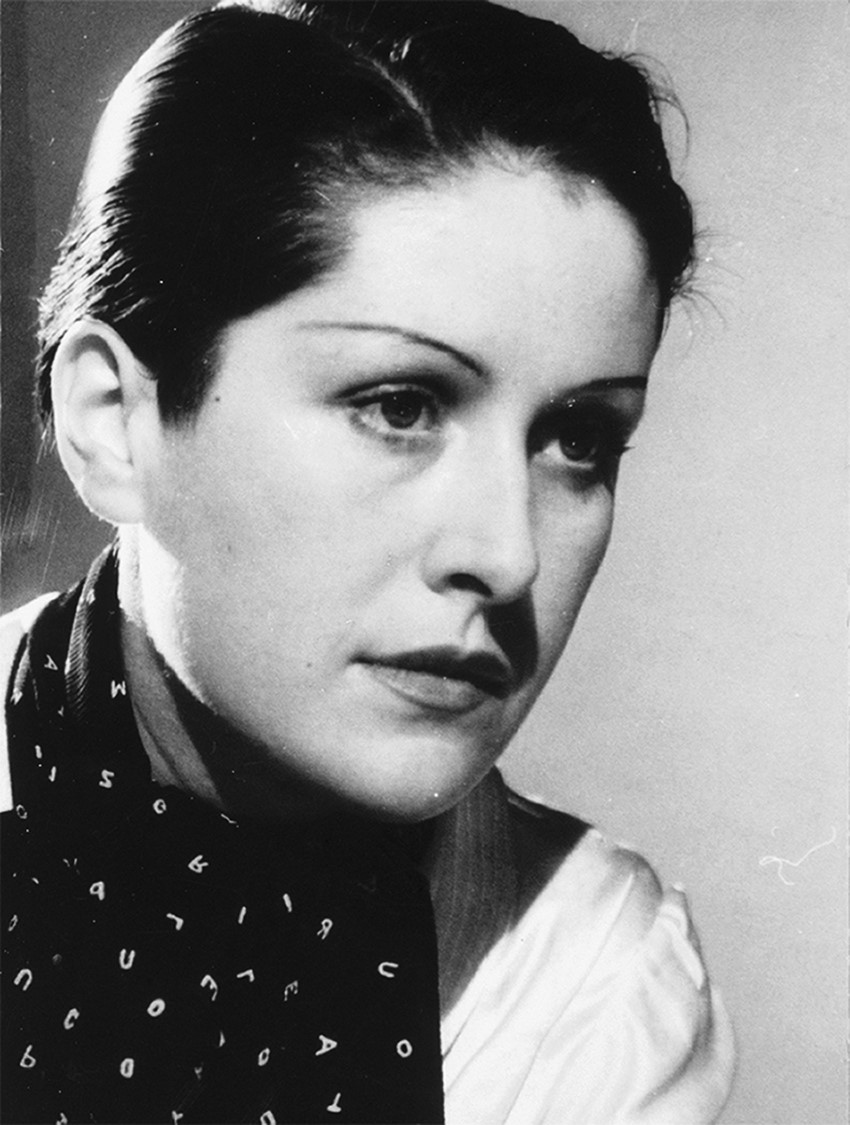
Picasso then fell for Dora Maar, a photographer noted for her Surrealist photography, drawn to her intellect. With her, he painted works with social messages, such as Guernica, which expresses the pain and chaos of war, and she was the model for his signature work The Weeping Woman. Picasso explained why he portrayed her that way: "To me she is a weeping woman. I only painted the vision of her that I felt." Another story says that Picasso was so unfaithful that Dora Maar cried every day, and that's why he left her portrait as a weeping woman.