Paris · City Walks
Modigliani and Jeanne Hébuterne
Montmartre · Paris, France
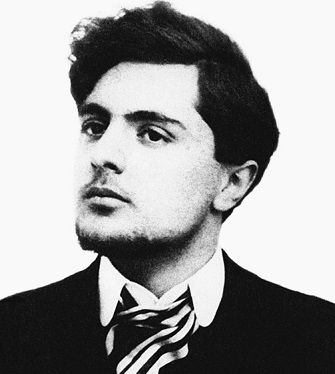
In 1920, a man lay dying in a Paris hospital. He was Modigliani, said to be the most handsome painter of his day and the libertine of Montmartre, a doomed painter and sculptor who died at thirty-five. What kind of love story did he have?
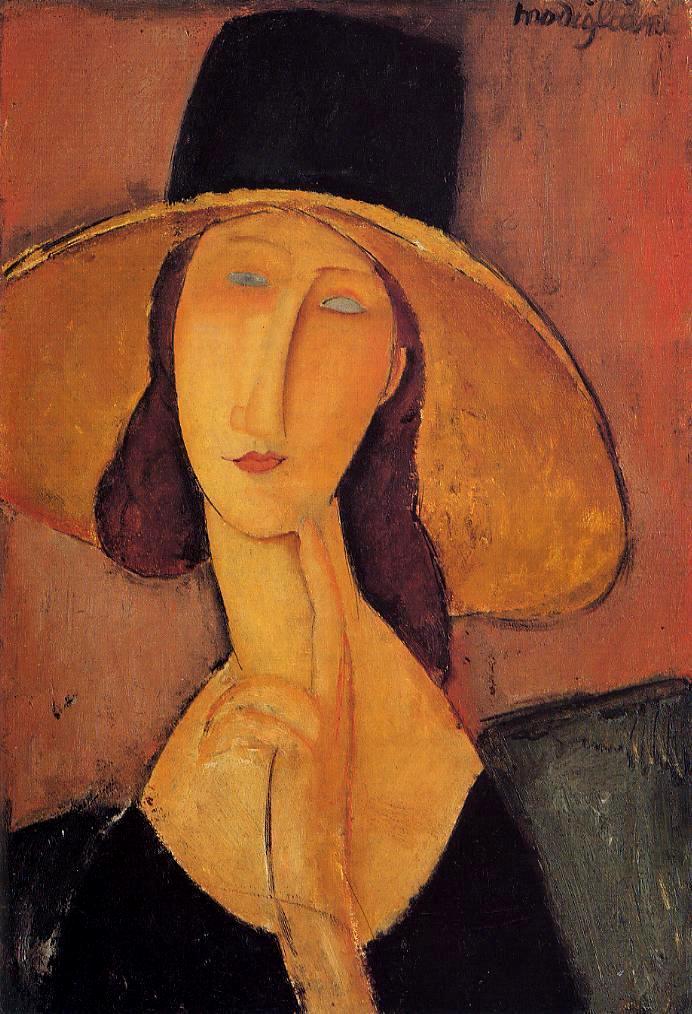
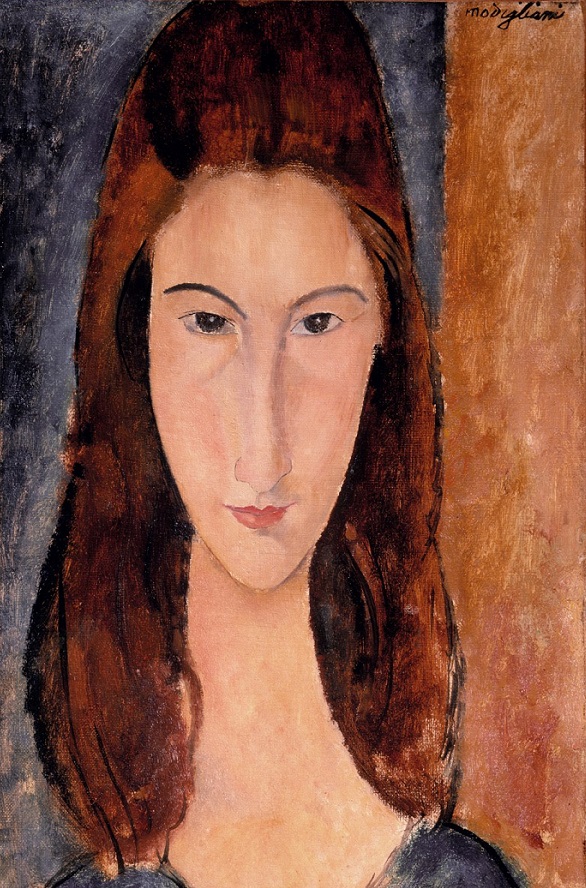
Born into an Italian Jewish family, Modigliani settled in Paris at twenty-two and mingled with Picasso and Cézanne. Word had it that he was a heartthrob who drank and took drugs. His paintings lack a clear stylistic signature like Picasso's Cubism or Monet's Impressionism, but his figures with long faces and necks stand out. Even more unusual, his portraits have no pupils. One story explains why. Famed for his looks, he had many women volunteering to model, and when a sitter asked why he hadn't painted her eyes, he supposedly answered, "When I know your soul, I'll paint your eyes."
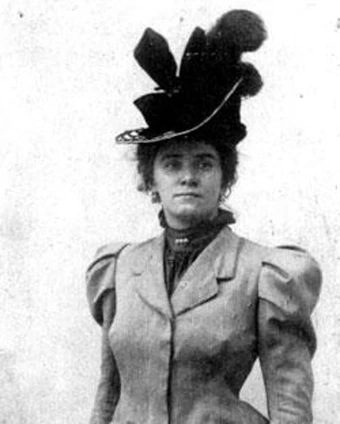
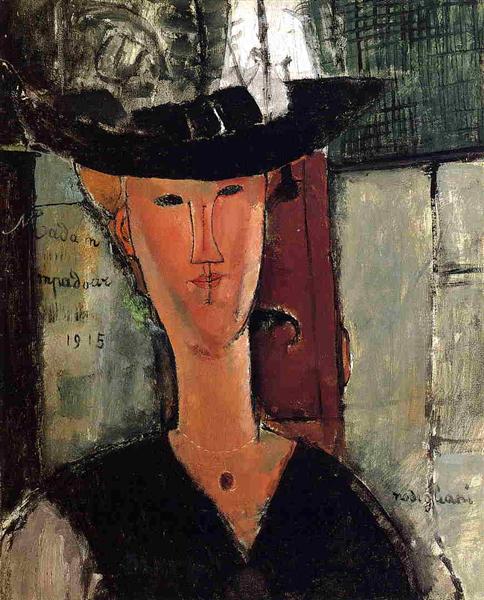
The first woman to change his life of drink, drugs and women was Beatrice Hastings, a poet and journalist from London who was briefly in Paris to write "Impressions of Paris" for a London magazine. They met through a friend, and thanks to her, Modigliani kept away from the alcohol and drugs he loved so much and focused on painting. He completed Portrait of Madame Pompadour with her as the model. But the romance didn't last. Neighbors heard them fighting every night, and Beatrice, unable to bear his hot temper, left him. He went back to a ravaged life, drifting from bar to bar. He painted to make a living, but with no sign of fame or hope of income, his days grew even bleaker.
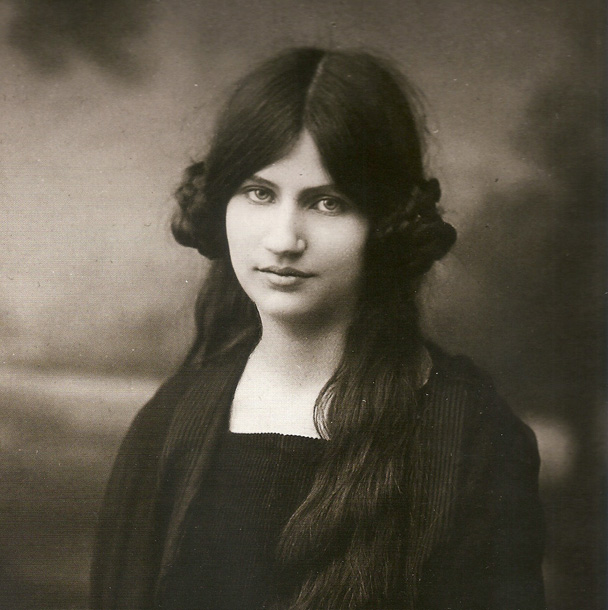
Then, in 1917, he met the love of his life, Jeanne Hébuterne, a promising young art student from a wealthy Catholic family who had real talent. With her fair skin and chestnut hair braided and pinned up, her friends called her "Noix de Coco," coconut. Modigliani fell for her at first sight and went to her school every day as classes ended, talking to her to get closer. Perhaps won over by his persistence, she fell in love, and from 1917 they lived happily in the same home. Despite his hot temper, Jeanne embraced his insecure sense of self with devoted love. Around then he painted prolifically, and you can feel his love for her in the portraits he made of her.
They lived like a married couple but never had a legal ceremony, because Jeanne's parents opposed the match: he was older, a poor foreign painter who drank and took drugs. Indeed, they were so poor that they couldn't even find firewood in the cold of winter. Still, their love grew, and they had a daughter.
Their happiness didn't last. Modigliani's chronic illness worsened, and he went south to Nice to recover, while Jeanne, pregnant with their second child, stayed with her worried parents. Painting alone, he grew sicker in 1920 and was rushed to the hospital. Jeanne rushed to him on hearing that he was critically ill, but he died. He was thirty-five. Unable to overcome her grief, Jeanne followed him, tragically ending her life in January 1920 at the age of twenty-one. Modigliani, who never saw success as a painter, and Jeanne, who stayed by his side, met a tragic end.
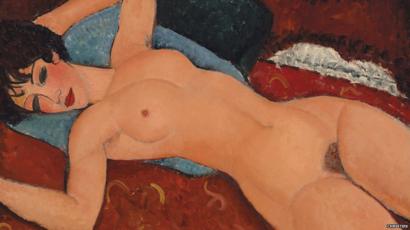
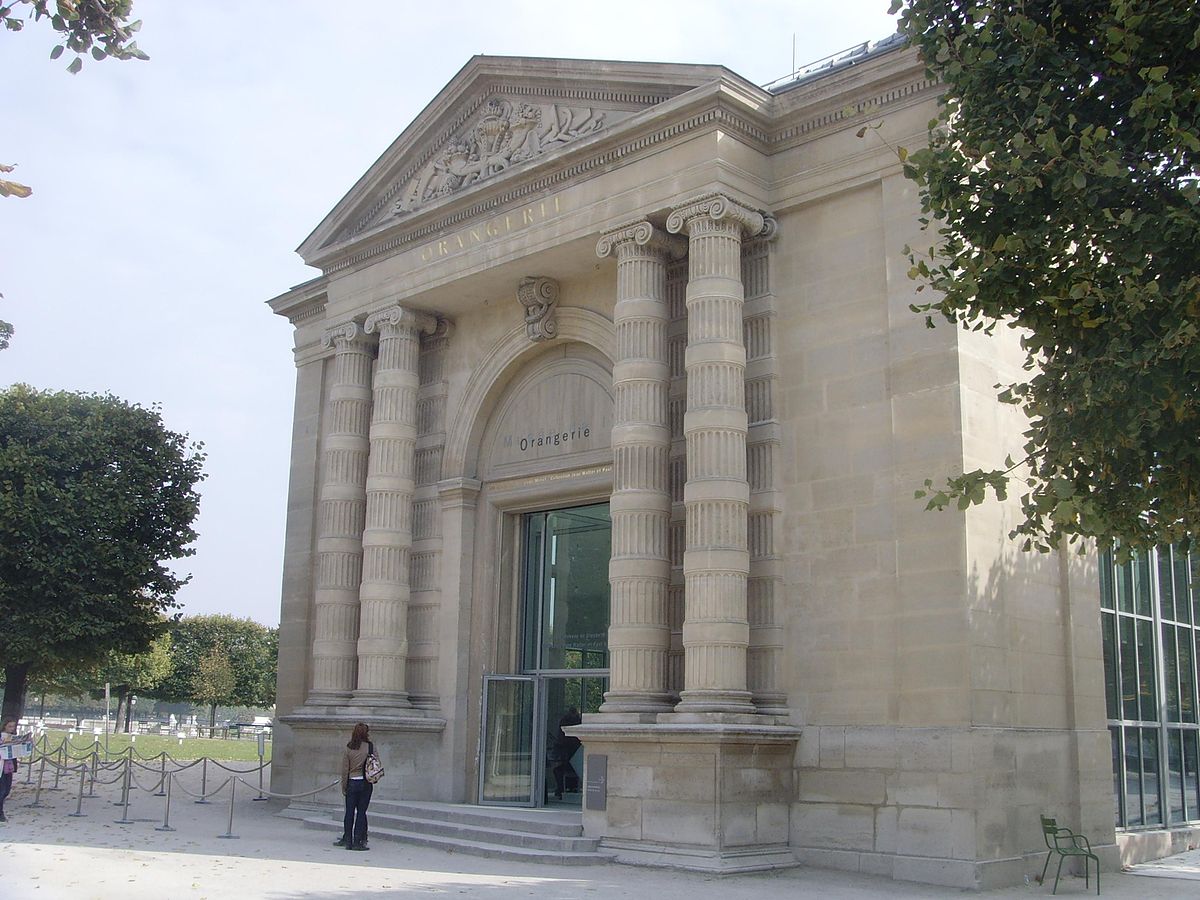
Yet later generations recognized his talent. His Nu couché, offered at Christie's in New York in 2015, sold for what was then the second-highest price ever paid for an artwork at auction. From libertine of Montmartre to a man who loved one woman completely and lived like a flame, his story of love and misfortune began right here at Bateau-Lavoir. It may have looked like just an old building at first, and we hope it looks a little different now. If Modigliani's work has sparked your interest, we recommend the Musée de l'Orangerie in Paris, where you can see his works alongside Monet's Water Lilies and many others, and feel his traces for yourself.