Paris · City Walks
Paris City Hall: A Monument to the Republic
Le Marais · Paris, France
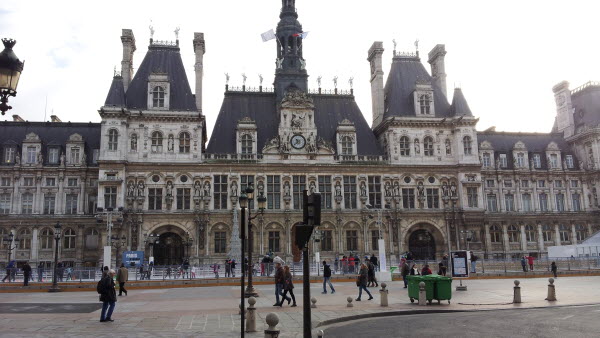
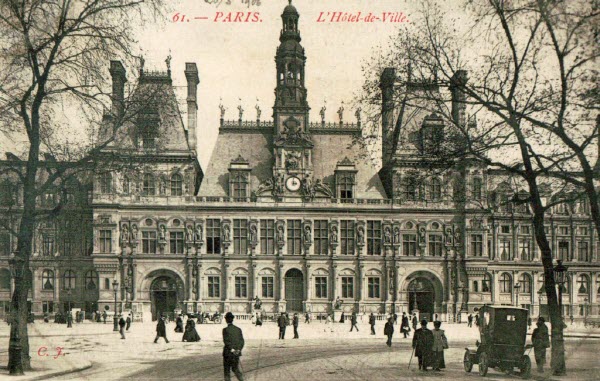

Our walk through Le Marais starts in front of the Hôtel de Ville, Paris's city hall. Built in the Neo-Renaissance style, it is said to be the largest government building in Europe. "Hôtel de Ville" is the French term for city hall, and because the letter H is silent in French, it's pronounced "oh-tel," not "ho-tel." With a facade this ornate and grand, and a name like that, the building is often mistaken by tourists for a luxury hotel. In French, "hôtel" can mean a place to stay, as in English, but it can also mean a public building or a grand mansion. The same word appears in the names of the royal residences Hôtel Saint-Pol and Hôtel des Tournelles, and in "hôtel particulier," the term for the great townhouses of nobles and the bourgeoisie. You'll come across plenty of places with "hôtel" in the name as you walk through Le Marais.
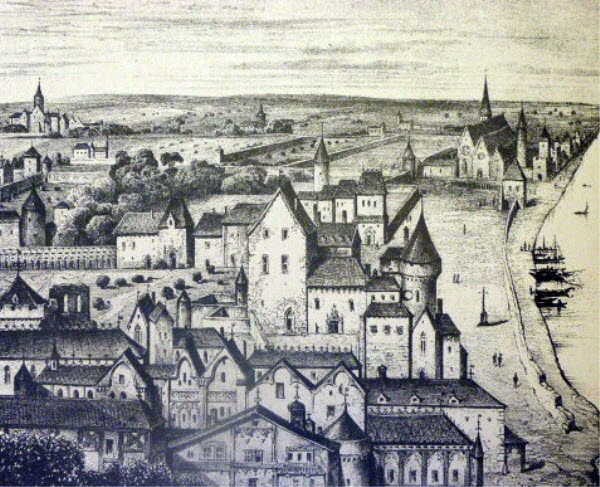
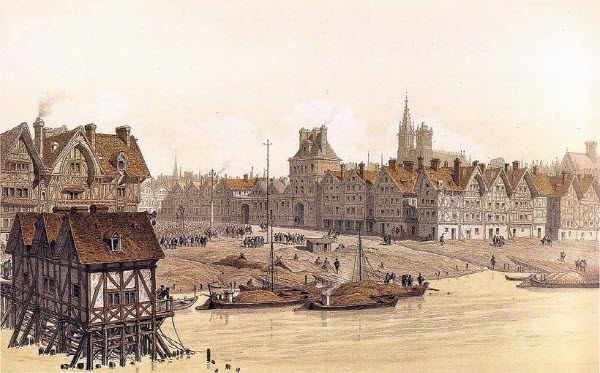
City Hall carries roughly seven centuries of Parisian history. Once known as Place de Grève, this was Paris's gateway, where goods from across the country, including crops, wine, meat, fish, and leather, arrived via the Seine. They were traded at the market in nearby Les Halles, which made the area the center of the Parisian economy. Old illustrations show the square as a sandy riverbank. The French word for a sandy shore is grève, and the square kept the name Place de Grève until 1802.
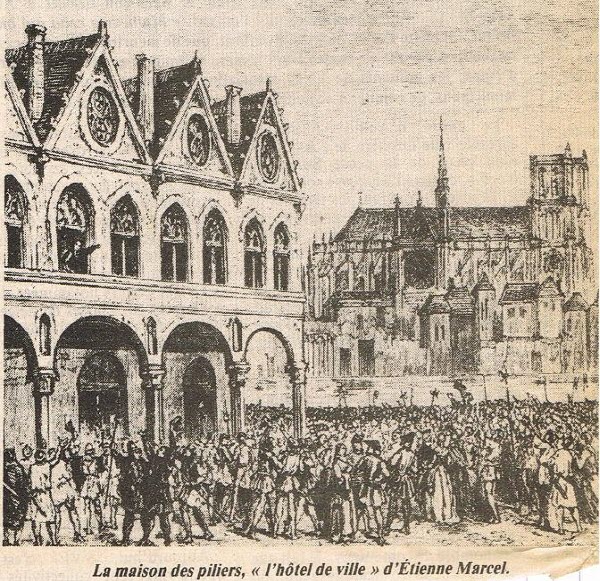
The story of City Hall goes back precisely to 1357. The Maison aux Piliers, or "House of Pillars," built on the Place de Grève in the 14th century, was its forerunner, an administrative building where the city's workers came every morning looking for jobs. The square was also a gathering place for workers and the unemployed, and strikes and protests were constant, so much so that "grève" came to mean "strike" in French. In 1533, Francis I, impressed by the Italian Renaissance, decided to replace the House of Pillars with an administrative building in the Renaissance style. In 1628, the Italian architect Domenico da Cortona completed a building very close to the one standing today.
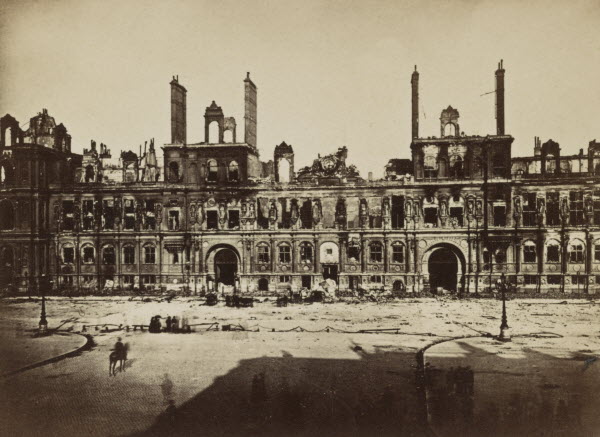
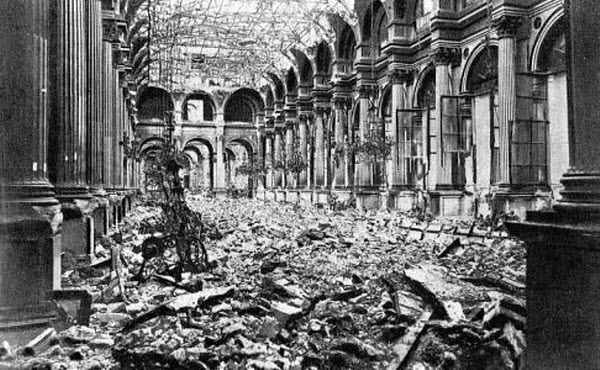
The current building is a reconstruction, on the same site and in the same form, of the one destroyed by fire during the Paris Commune of 1871. The Commune pushed policies that were strikingly progressive for the time, including free education, limits on working hours, equal pay for men and women, and women's suffrage, and it is considered the world's first communist government, lasting 70 days. After the fire, a design competition drew many proposals, but in the end it was decided to rebuild the hall exactly as it had been. The work took ten years, with some 900 laborers and 230 sculptors employed every day, and it was completed in its present form in 1882. The many statues on the facade depict past mayors of Paris and figures who shaped the city's history.
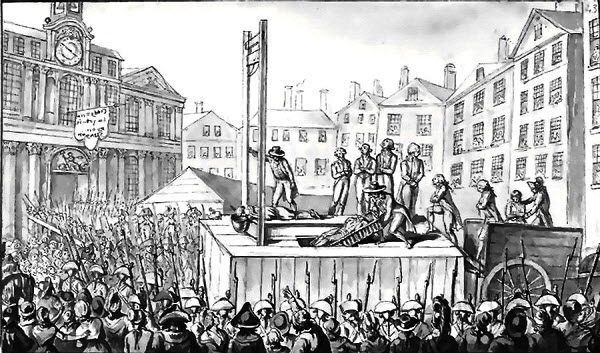
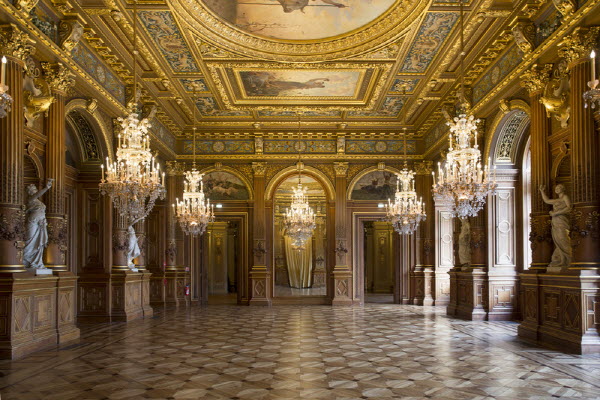
The square has its own story. Place de Grève was the first square in Paris, where crowds gathered whenever unrest broke out, and it became a center of resistance for Parisians. The guillotine, France's infamous execution device, was first set up here, too. The French like to say that Versailles was built for the glory of Louis XIV, while the Hôtel de Ville was built for the glory of the Republic. Closely bound up with the lives, resistance, and revolutions of Parisians, the interior is as grand and lavish as Versailles. The idea, we're told, was to show through architecture that the power of the people is greater than that of kings. Still, for a building meant to symbolize citizens' rights, freedom, and popular power, it can seem a bit too ornate for a government office.
To see the interior, you'll need to sign up for a guided tour in English or French, or check the schedule for events held at City Hall, such as Heritage Days and exhibitions.