Paris · City Walks
Le Marais: A Paris of Old-World Lanes
Le Marais · Paris, France


Le Marais sits on the north bank of the Seine, stretching from the Hôtel de Ville to the Bastille opera house and Place de la République. Its charming lanes preserve more of old Paris than almost anywhere else in the city, and a remarkable mix of cultures and sights lives side by side here. Wandering Paris's narrow streets without a signpost, like solving a maze, sounds appealing, but it comes with risks: you might never find the places you came for, or end up circling the same few blocks. Le Marais is also the neighborhood Parisians love most. This tour is designed to help you stroll its lanes like a local and soak up everything the area has to offer. A few places that didn't fit the route because of distance or flow are gathered in the final chapter of the audio guide, "More to Explore."
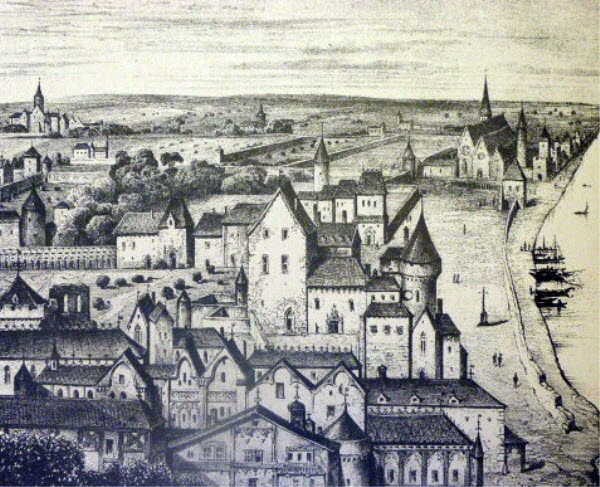
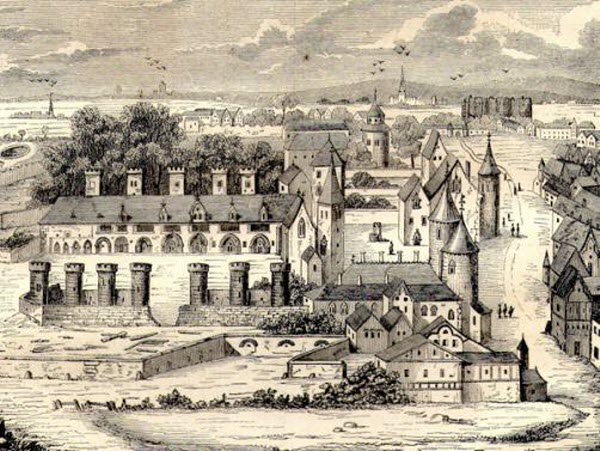
Let's start with the name. This district was once a marshland that the Seine often flooded, and the French word for marsh, marécage, gave the area its name. In the 12th century, the medieval land was drained and put to use as farmland, where all kinds of vegetables were grown. In the 13th century, churches, cathedrals, and monasteries arrived, and in the 14th and 15th centuries, new royal palaces were built, including the Hôtel Saint-Pol and the Hôtel des Tournelles, where French kings once lived (neither survives today). Nobles flocked to the court and built lavish mansions known as hôtels particuliers, and Le Marais enjoyed its golden age as the most glamorous, lively, dignified, and beautiful part of Paris.
In the 17th century, Louis XIV moved the royal court to Versailles, the nobility followed, and Le Marais was left nearly abandoned. Over time, workshops making crafts and factories producing manufactured goods moved in. It is no coincidence that you can still find so many charming workshops and exhibition spaces here. After the French Revolution, in the 18th century, Eastern European Jews fleeing persecution settled here, and after World War II, Jews from Spain and North Africa joined them, creating the oldest and liveliest Jewish quarter in Paris at the heart of the district. Today, a Chinese quarter and an LGBT district have been added to the mix, making Le Marais one of the most layered and culturally diverse parts of Paris.
The ways to describe Le Marais are endless: the oldest and most beautiful district in Paris; a neighborhood that holds the city's history and glory and lets you feel the splendor of the aristocracy and the bourgeoisie; Paris's Jewish quarter and an LGBT district where rainbow flags fly; a center of culture and art, and a shopping mecca packed with concept stores and trendy boutiques; and a true hot spot for Parisians, filled with pretty cafés and great restaurants.