Paris · Painting
The Water Garden: From Marsh to Japanese-Style Retreat
Giverny · Paris, France
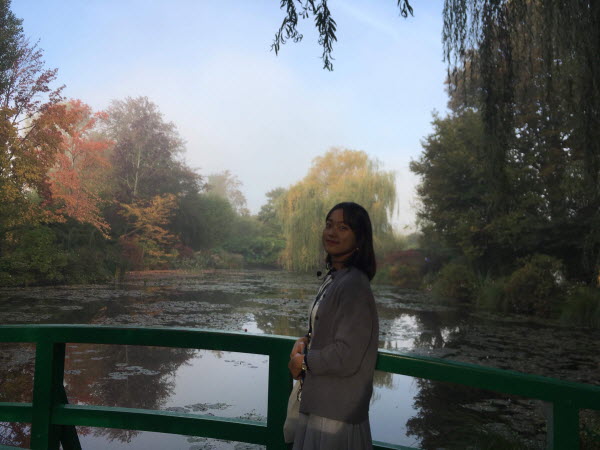

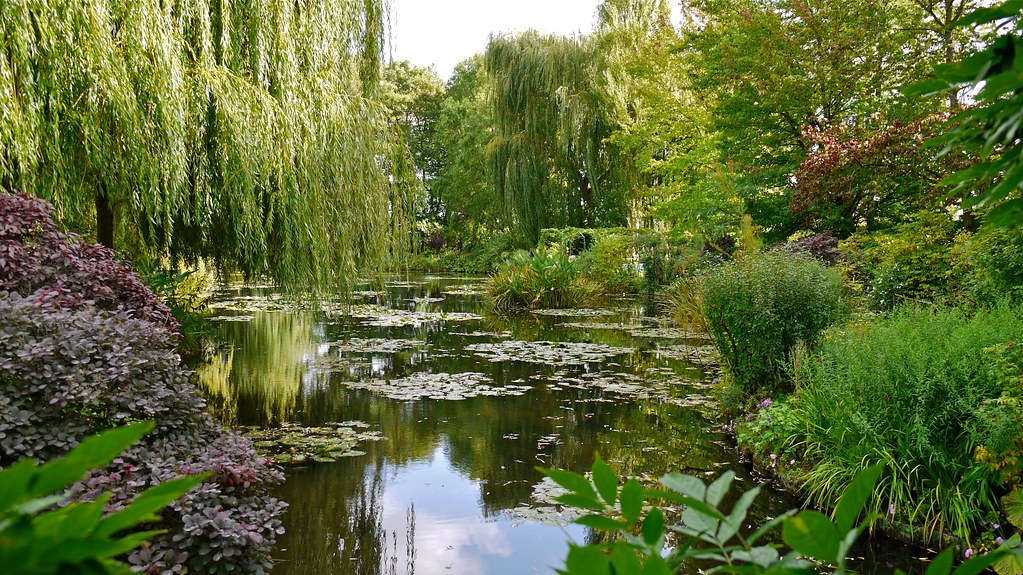
In the Water Garden, try wearing just one earbud as you walk. Add the sound of running water and birdsong, and a sense of calm settles in. Follow the signs, or simply wander wherever your feet take you.
This garden was once a marsh. Looking at a stream that flowed nearby, Monet decided that he would stop chasing nature and light and instead invite nature to him. He gently redirected the stream so that it circled the pond once before flowing out again, and he planted water lilies. He then recreated the Japanese bridge, bamboo and willows that he loved in ukiyo-e, the Japanese woodblock prints he adored. That is why the garden is often called a Japanese, or Oriental, garden.
Many visitors come to Giverny expecting the garden of the Water Lilies series, and some end up disappointed, because at first glance it can look like an ordinary pond they've seen somewhere before. Put that impression aside and look through the eyes of a French person living at the turn of the 20th century.
In 19th-century France, gardens followed a set formula: the French formal garden. If you've been to Versailles, you'll know it at once; if not, think of the Tuileries Garden or the Champs-Élysées. Trees are clipped like sculptures into squares, triangles, circles and spirals, paths are flat and straight, and water is confined to round ponds. It is all very deliberate. Humanist ideas were spreading in France at the time, and people believed human reason could control anything. The French garden was nature governed by reason.
For people used to such gardens, this one came as a shock: a babbling brook, bamboo shooting skyward, willows in full leaf and water lilies floating on the surface. It was a landscape they had never seen before. It was also the age of Japonisme, when all of Europe was fascinated by Japanese culture, and the chance to see in real life what they knew from Japanese woodblock prints was irresistible. Artists and politicians alike are said to have angled for Monet's favor just to see the garden.