Paris · Painting
Sleeping Flowers: Monet's Last 30 Years with Water Lilies
Giverny · Paris, France
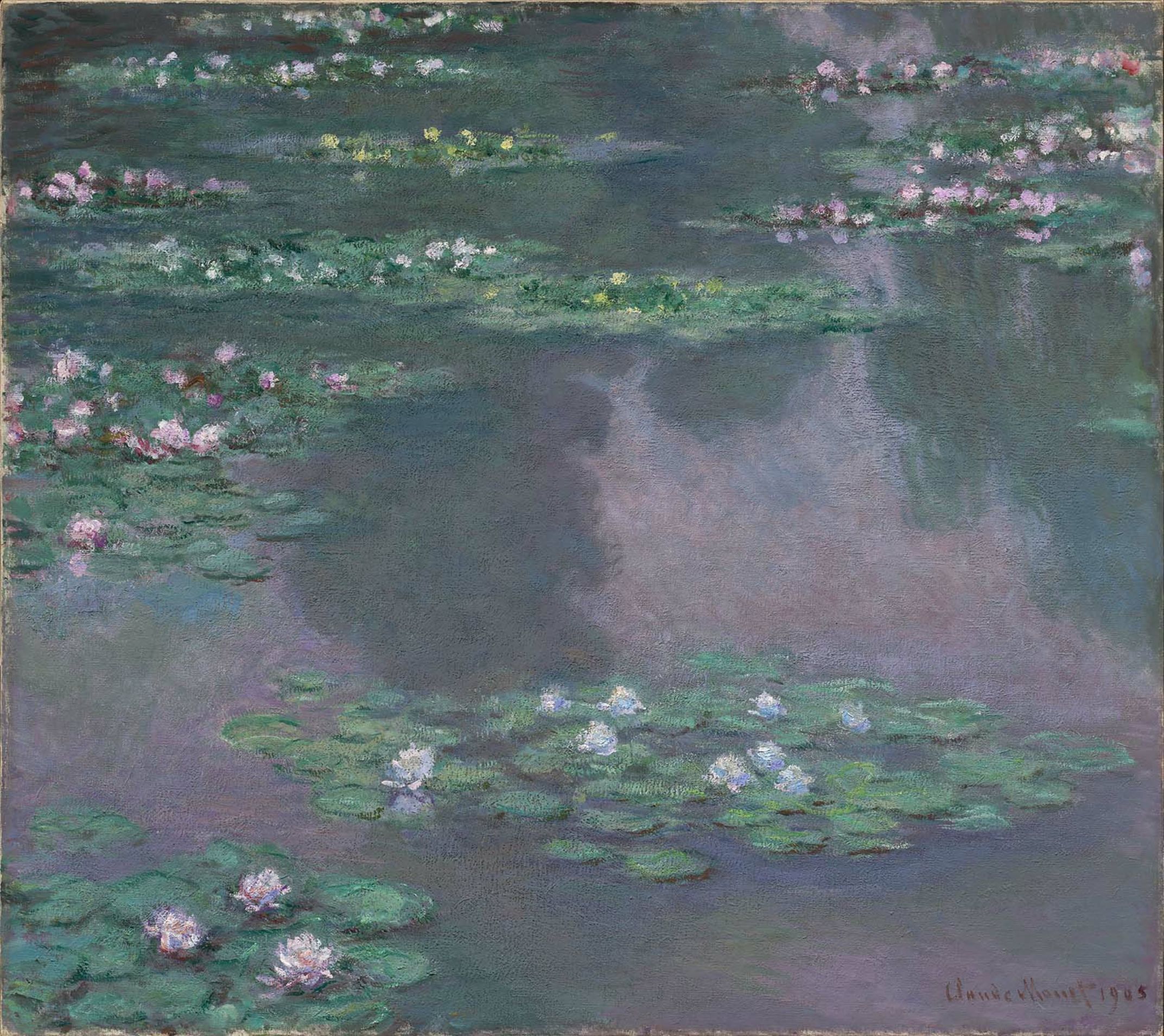
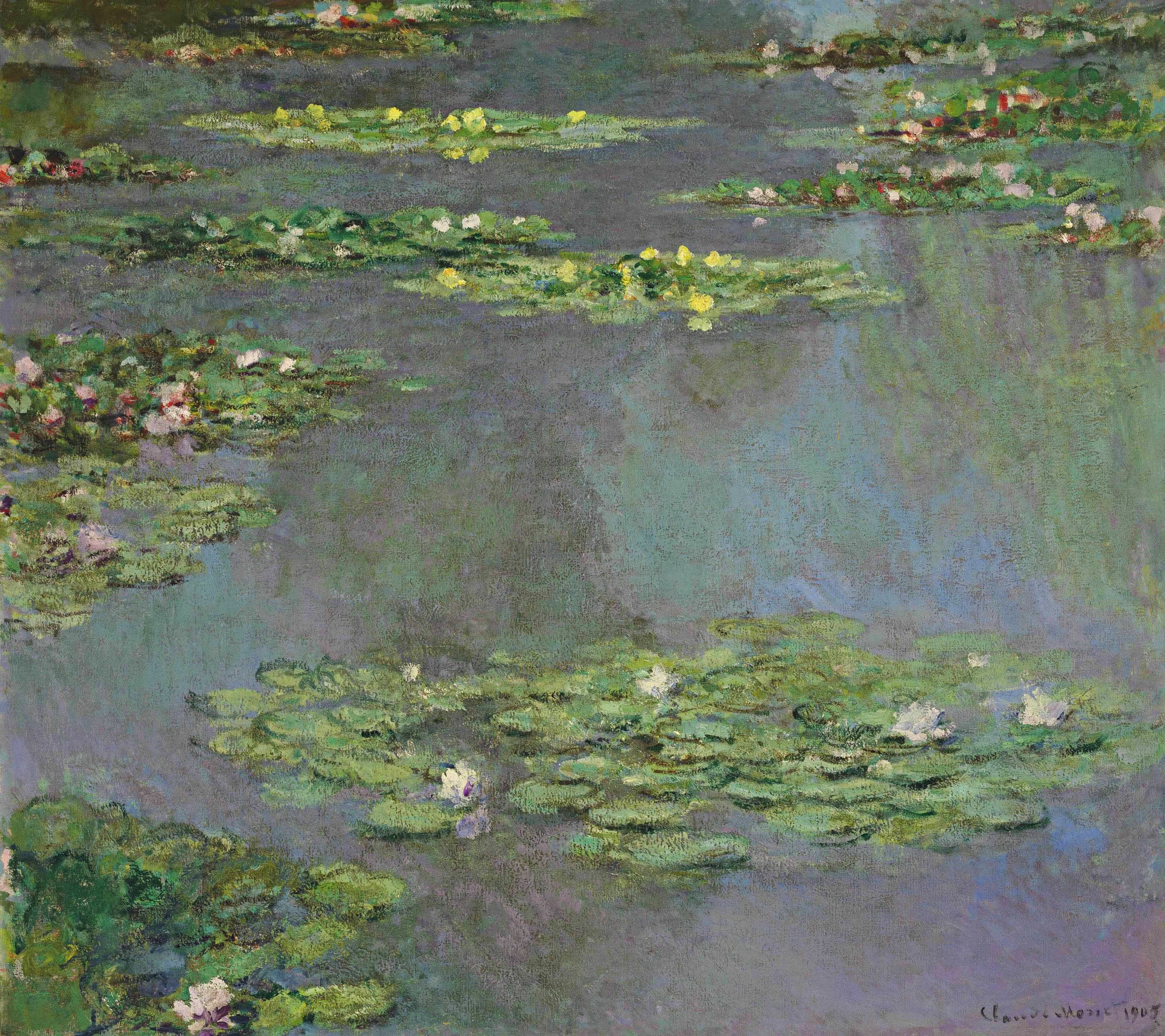
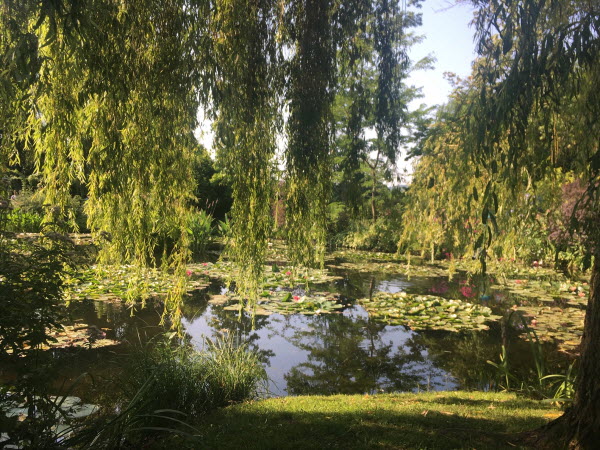
As you stroll along the pond, are the water lilies in bloom, or are their heads bowed? Don't be disappointed if they haven't opened. Water lilies are, by nature, flowers that sleep much of the time. In Chinese characters, the word combines "sleep" (睡) and "lotus" (蓮): a sleeping lotus. They lift their heads and bloom only between June and September, when the sun is strongest, and even then only in good light. They are flowers that respond to light.
Monet devoted the last 30 years of his life to painting them, producing about 250 canvases. Why so many? There are several theories.
The first is that painting water lilies meant capturing water, air, flowers and light all at once, the ideal subject Monet had been searching for all his life. He painted constantly shifting light, the flow of the air and the movement of the water from many angles.
The second is that the lilies drew him out of grief. Not long after losing his second wife, Alice Hoschedé, Monet lost his eldest son, Jean, and then his friend and fellow painter Renoir. It was a painful stretch, and he reportedly did not paint for three years. At his daughter's urging, he took up his brush again, and what he painted was water lilies. The flowers pulled him out of the dark and back into painting, so perhaps that is why he felt so attached to them.
The third is that Monet himself spent his whole life hunting light with a brush. He may have seen himself in a flower that responds to light, which is why his late water lily paintings are sometimes called his self-portrait.
At first the paintings may not seem like much, but the longer you look, the more fascinating they become. Look at the pond now: clouds, willows and blades of grass are reflected on the surface. The lilies are sharp, while the reflections are slightly blurred and trembling. Monet captured that feeling brilliantly. The brushwork may look careless, yet the faint shimmer, the reflections and the floating lilies are all clearly distinct. In his late works, though, those distinctions blur. He uses intense yellows, oranges and reds, and the paint is laid on so thickly that it is hard to tell what you're looking at.
Chasing such intense light took its toll, and Monet developed cataracts in his later years. They were severe enough to blur his sense of color, and he had two operations. Yet for Monet, cataracts may have been just one more filter on the world. He gained a new way of seeing light. With bolder color and more abstract expression, his water lilies went on to influence abstract art.
Now stroll through the Water Garden and the Flower Garden at your leisure, as if you were Monet. To leave, cross back through the underground passage, walk through the Flower Garden and exit via the gift shop next to Monet's house. One tip: if you want to buy water, the vending machine on the way from the gift shop to the exit is cheaper than the nearby cafés.