Paris · Food & Drink
The Classic French Multi-Course Meal
Paris · Paris, France
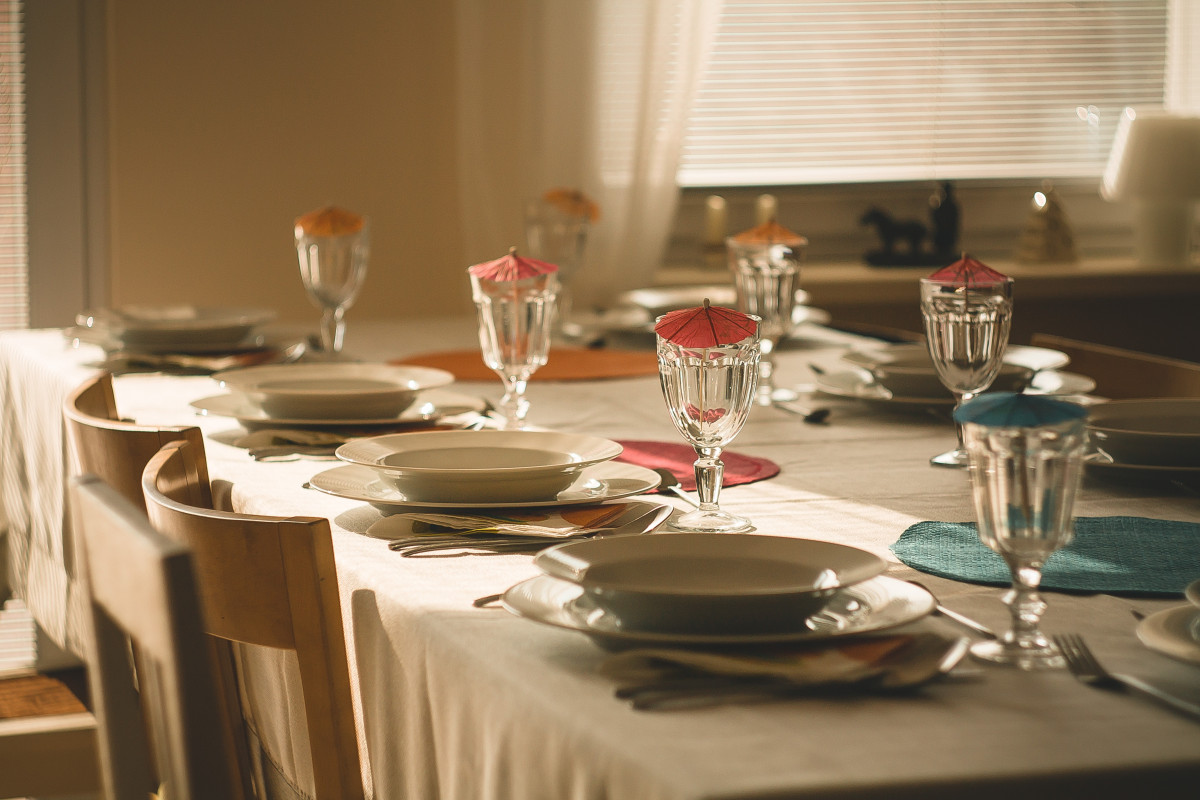

They say a proper meal in France takes at least two hours. The French love to take their time, but the real reason is simpler: the way they eat is different. Rather than laying out every dish at once, a French meal is a multi-course affair. Each course has its own dishes, and after each one the plates and cutlery are cleared and you wait for the next. One hour isn't nearly enough, and it's said that French cooking generates a lot of washing-up. Here is a quick walk through the courses and what you'll typically eat in each.
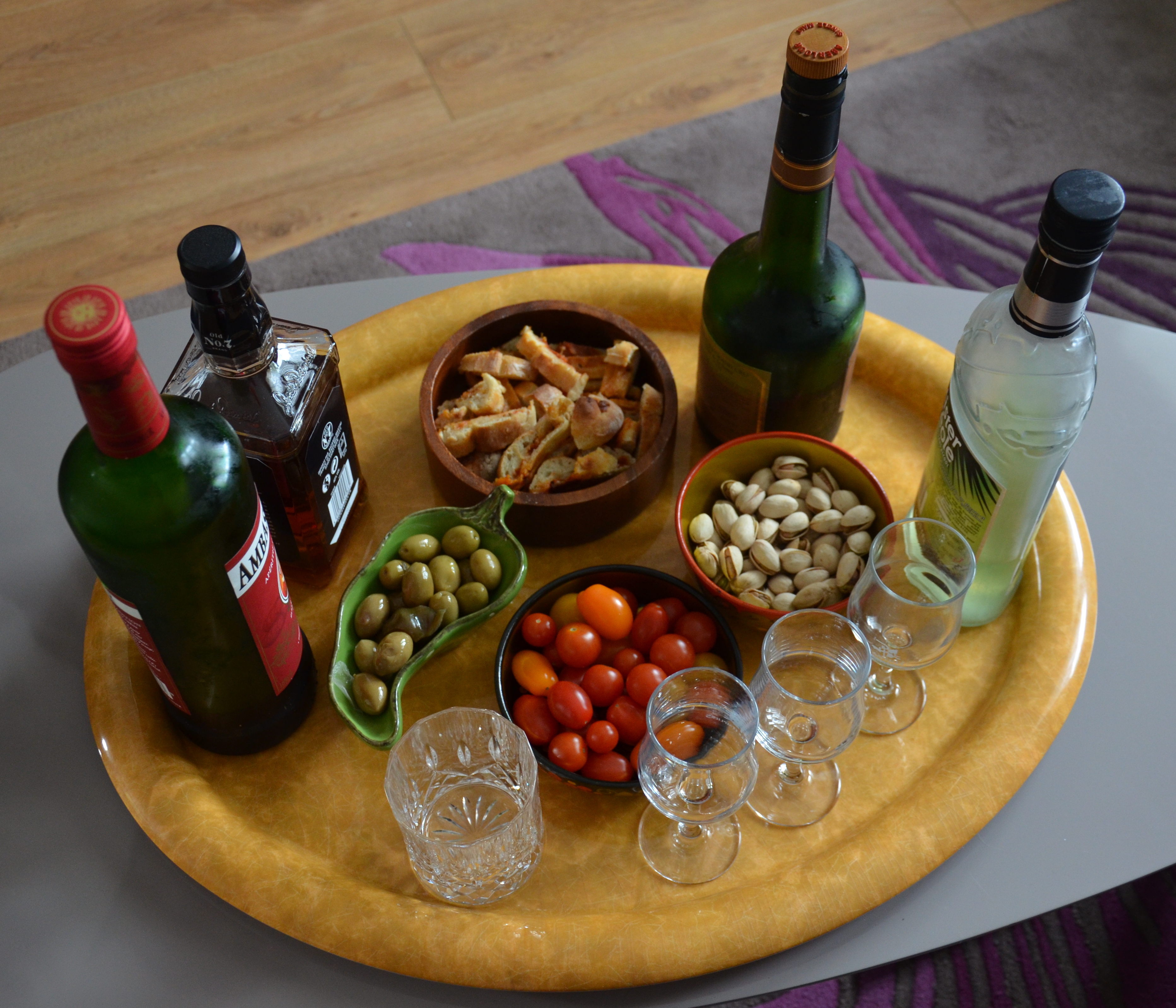
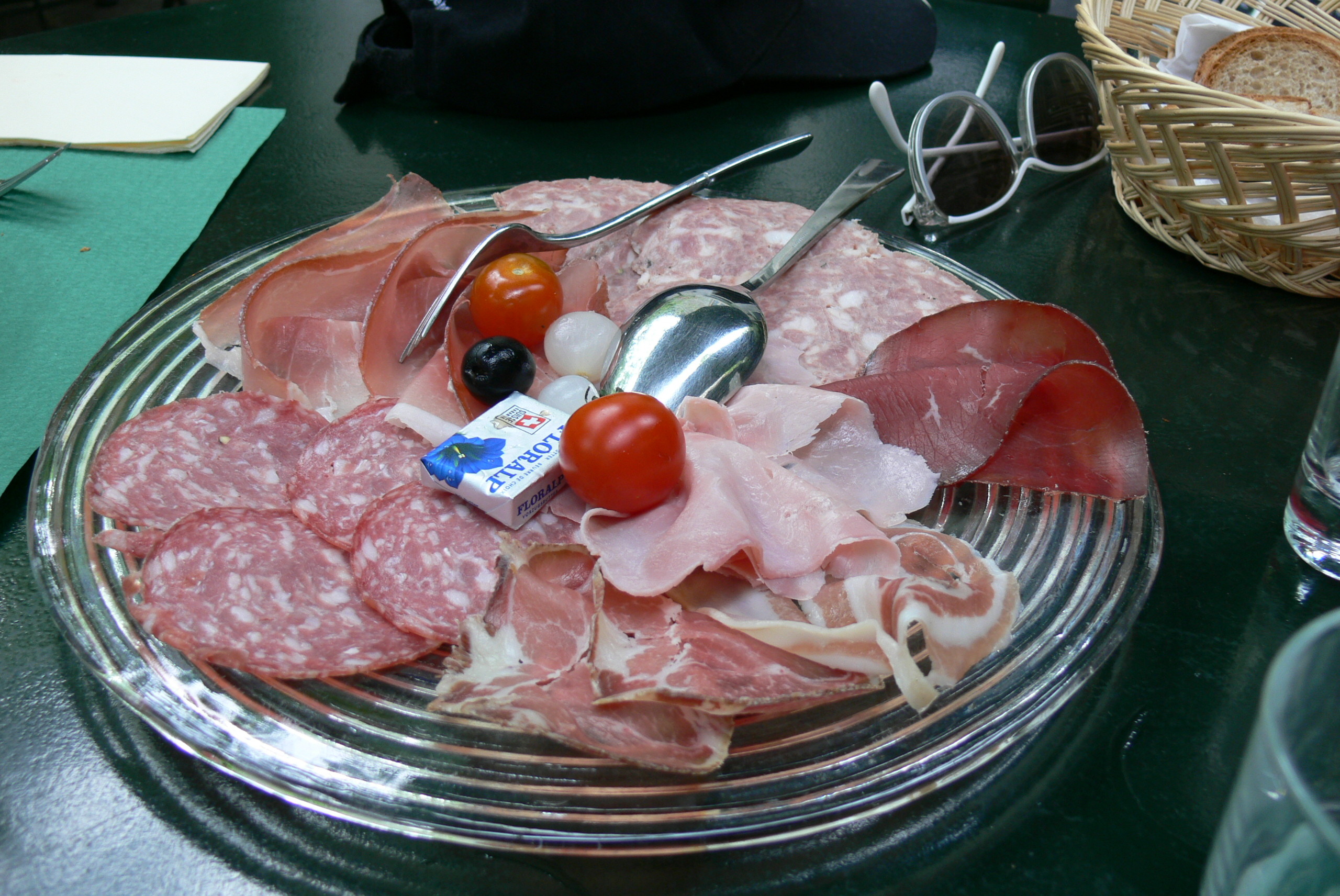
The first course is the apéritif, a drink before the meal. In a broader sense it also covers small snacks and finger food meant to whet your appetite. When you sit down at a restaurant, the server will usually ask first what you'd like to drink, and you can skip this step if you don't feel like it. The favorites here are pickled olives and charcuterie, a huge category of cured and prepared meats.
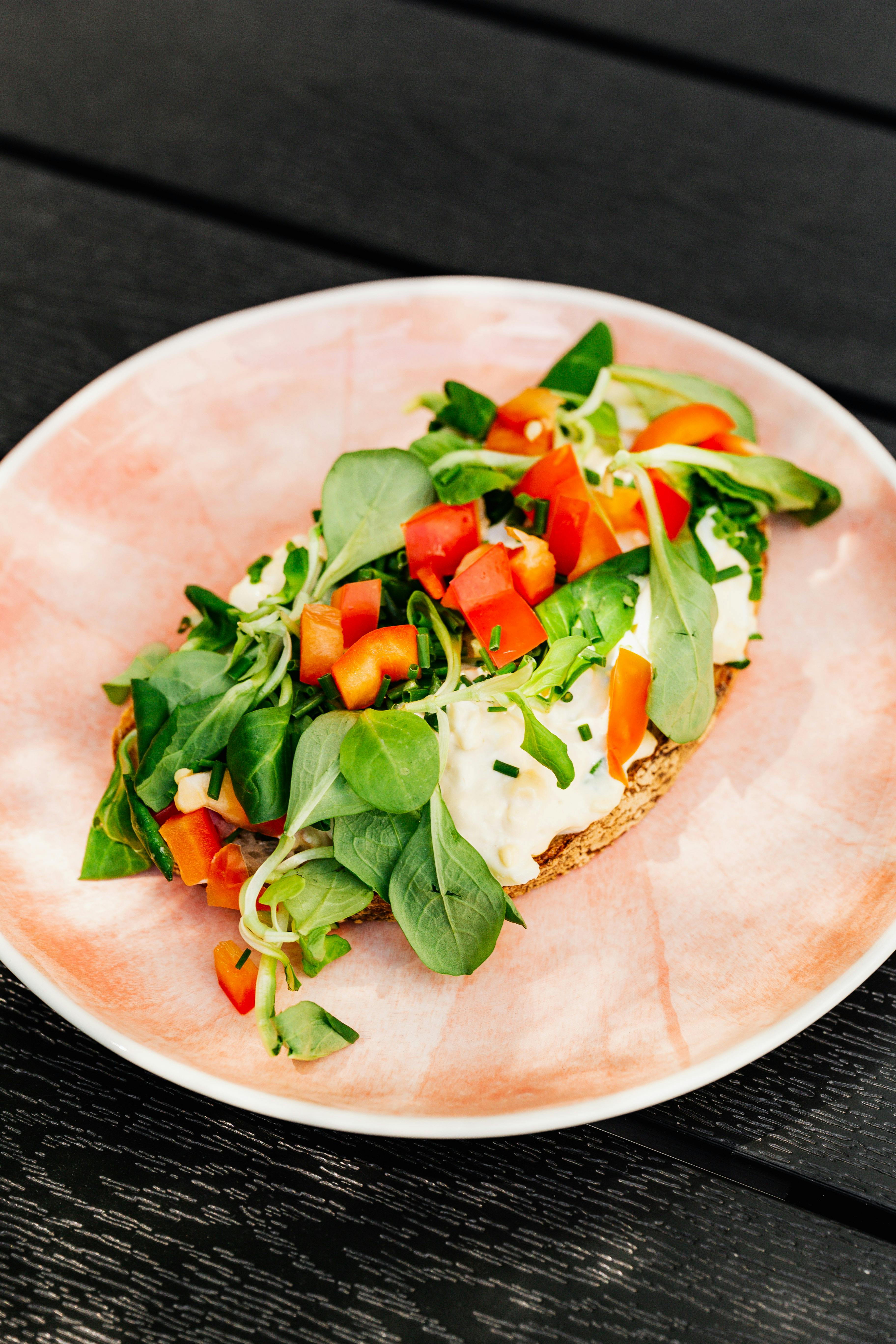
Second comes the entrée, or starter, which marks the real beginning of the meal. It leans toward vegetables and comes in smaller portions, so ordering one on its own from the menu wouldn't be enough for most people. Salads, the famous onion soup, escargots and quiche, an omelet-like savory pie, all fall under this heading. On special occasions and holidays, foie gras and raw oysters are on the table too.
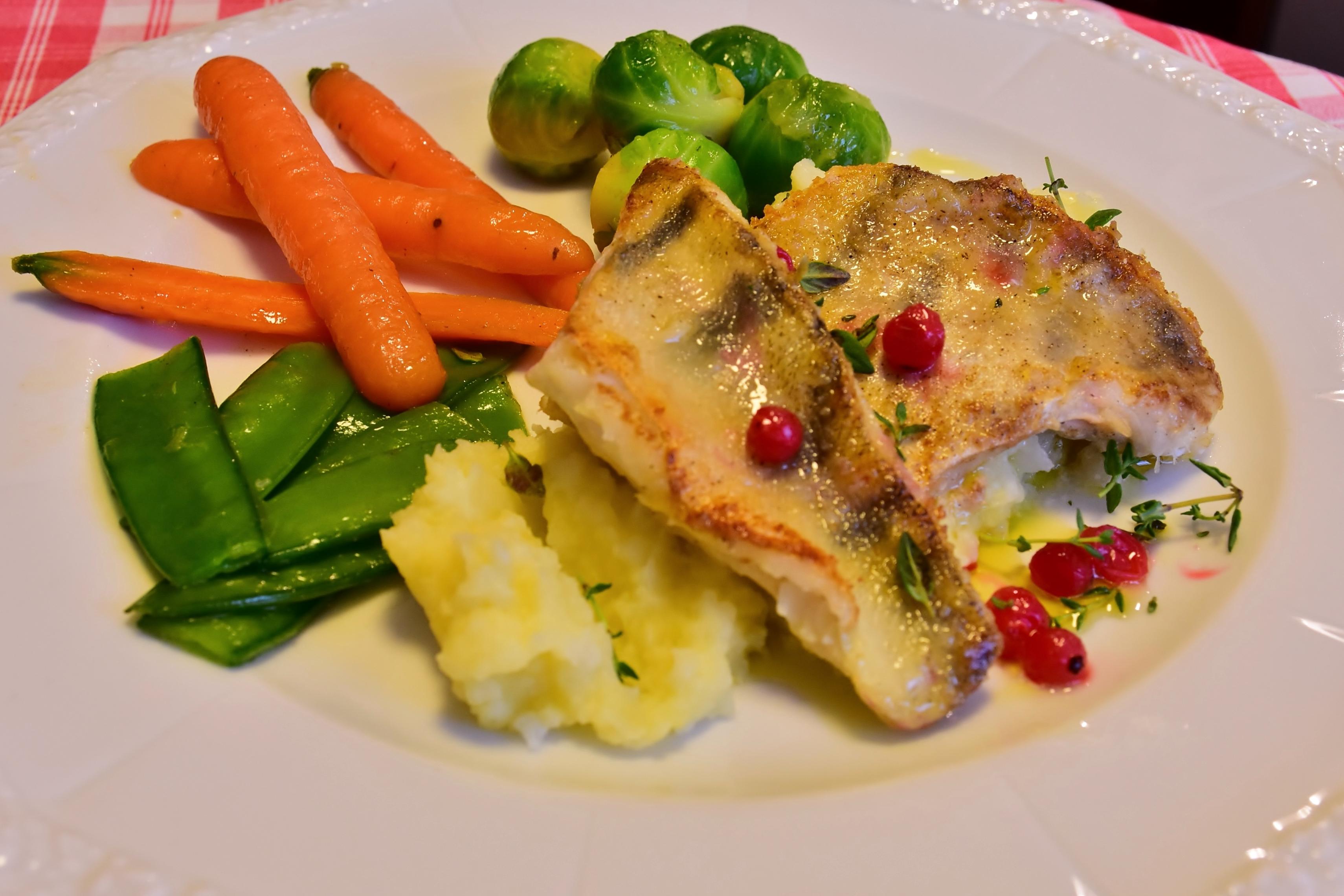
Third is the plat, the main course, which is usually meat or fish. The French eat a lot of meat, and a wide variety of it: veal, lamb and rabbit, plus poultry beyond chicken, such as duck, quail, guinea fowl and turkey. Offal turns up regularly on restaurant menus. When it comes to fish, white fish is the favorite. Meat or fish comes with a side, most often potatoes or vegetables, though pasta, grains and rice are common as well. And as mentioned earlier, there's always bread on the table, so help yourself.
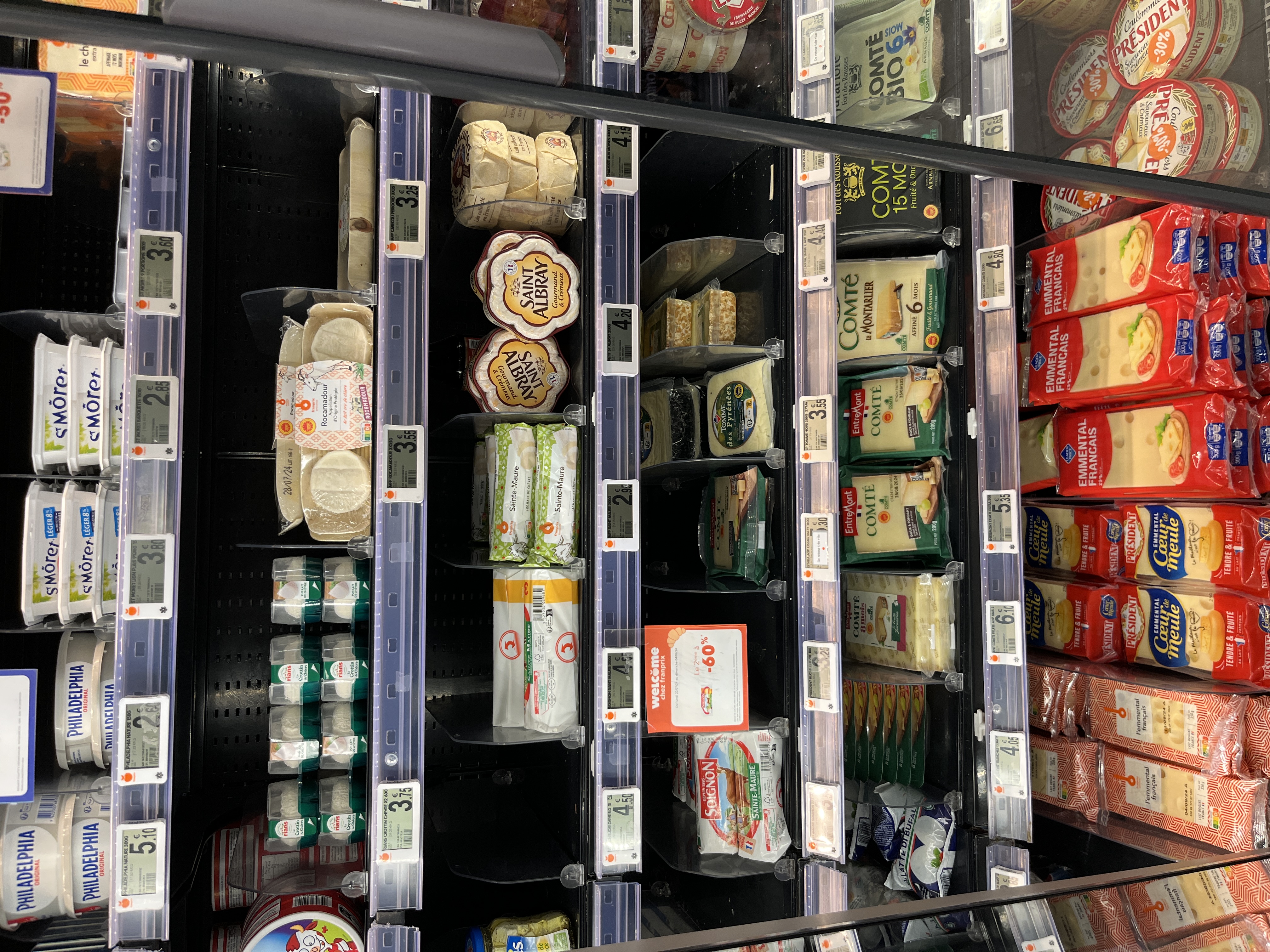
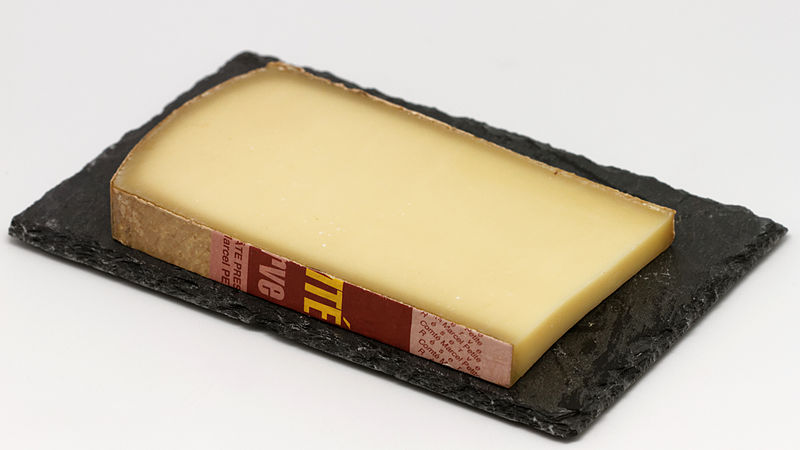
Next is the cheese course. France is a cheese paradise. With such a strong dairy tradition, dairy consumption is enormous, and depending on how you classify them, there are somewhere between 360 and 1,200 kinds of cheese. They're made from cow's, sheep's or goat's milk, and they're eaten with bread, not on their own. The most-consumed cheese in France is comté, whose age is given in months, usually from a minimum of 4 to a maximum of 24. The longer it ages, the firmer and saltier it gets, with a distinctive sharp bite and aroma. For beginners, a comté aged 12 or 18 months is a good place to start.
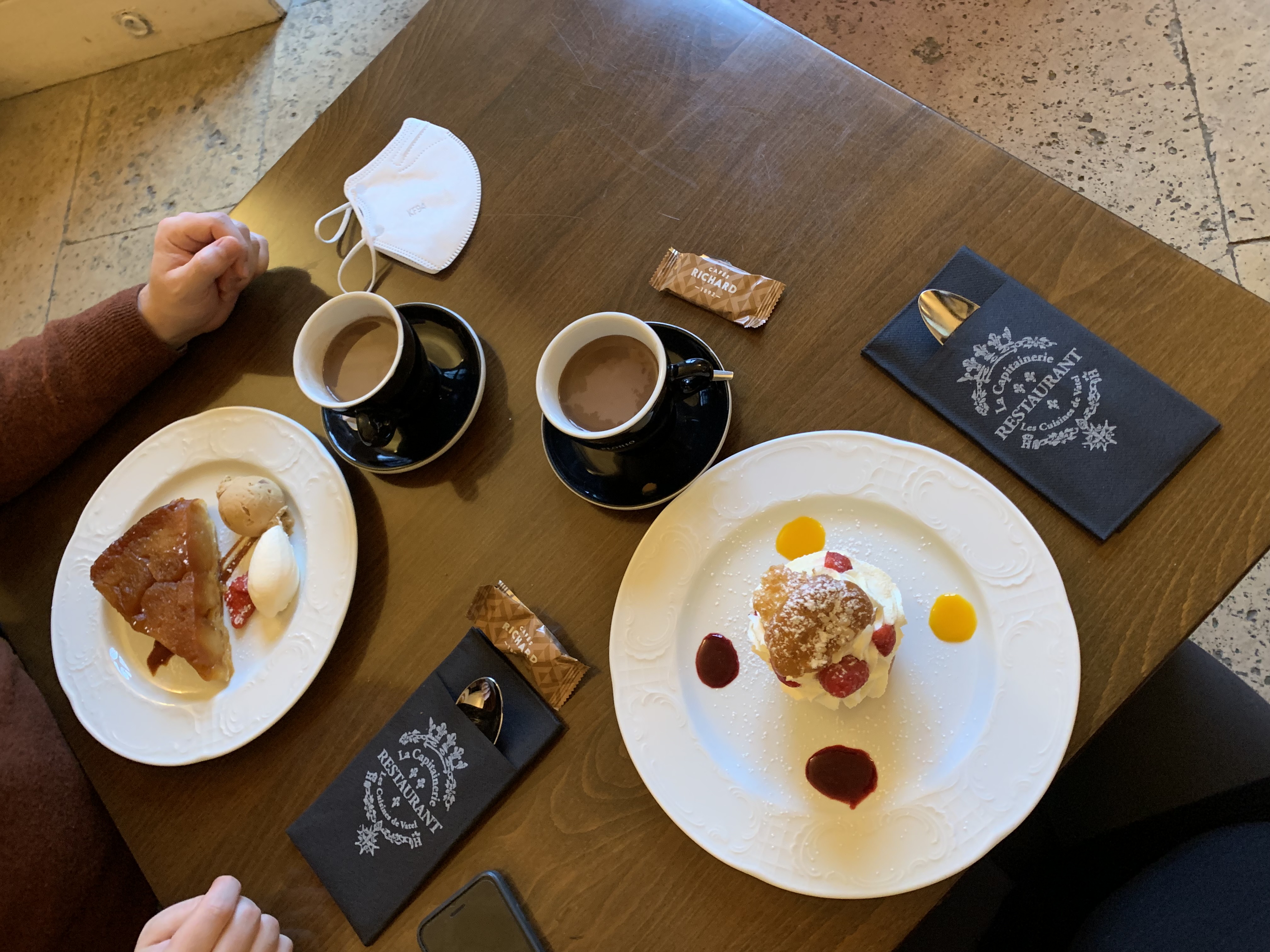
The fifth course, at last, is dessert. The range is vast. Any cake or tart based on chocolate, cream or fruit counts, and so do ice cream and sorbet. In French cooking, dessert is a proper course rather than a sweet snack. There's one important rule here. The French don't mix salty and sweet in the same bite. Sweet food belongs to the dessert course, which is why many French people find sweet-and-salty combinations strange. Starters and mains are salé (savory), and dessert is sucré (sweet). Remember those two words.
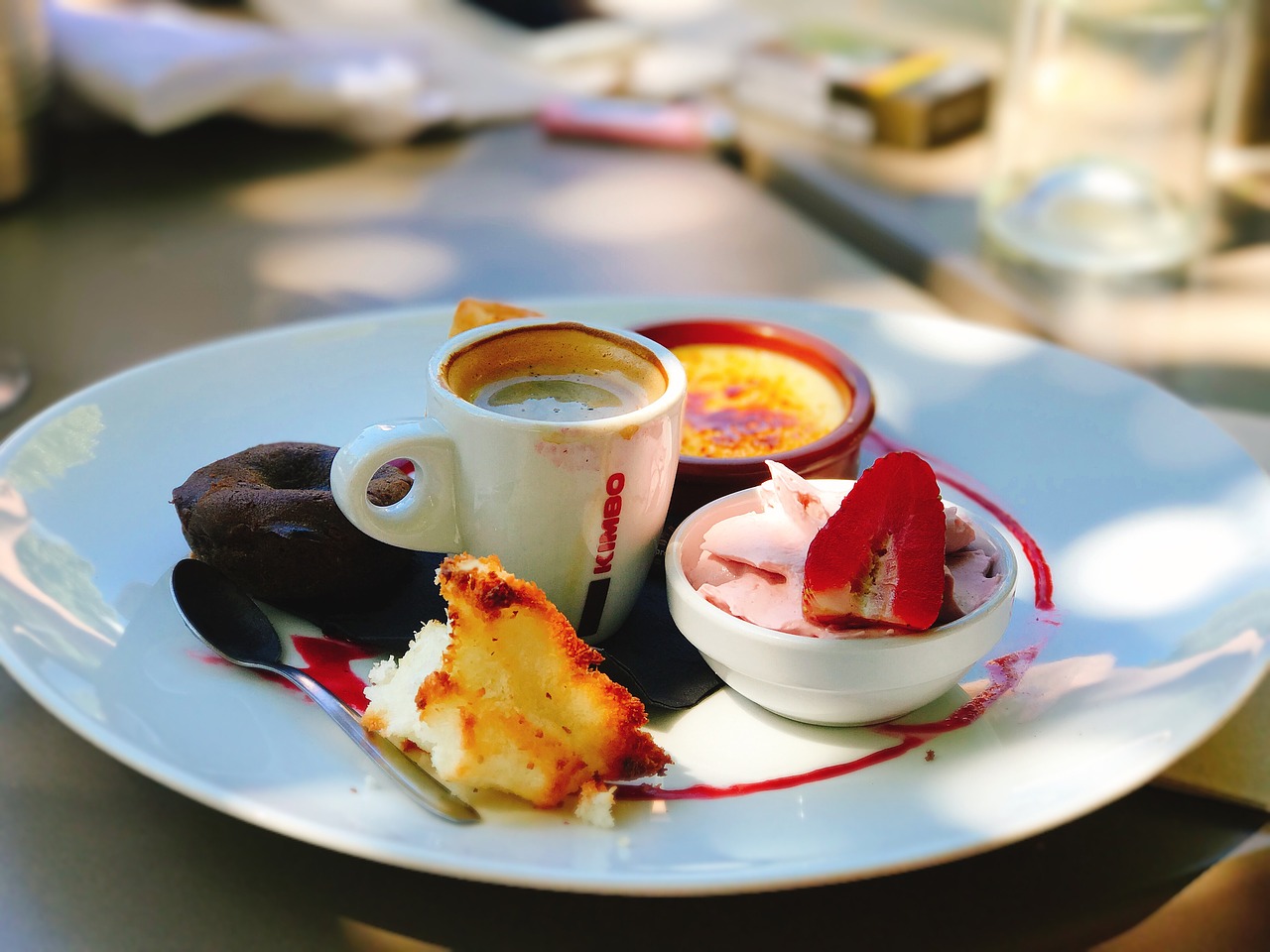
You can eat dessert on its own, or with coffee or tea. That's why almost every French restaurant lists a Café Gourmand on its dessert menu: a coffee served with three or four small desserts. It's good value and usually delicious, so don't miss it.
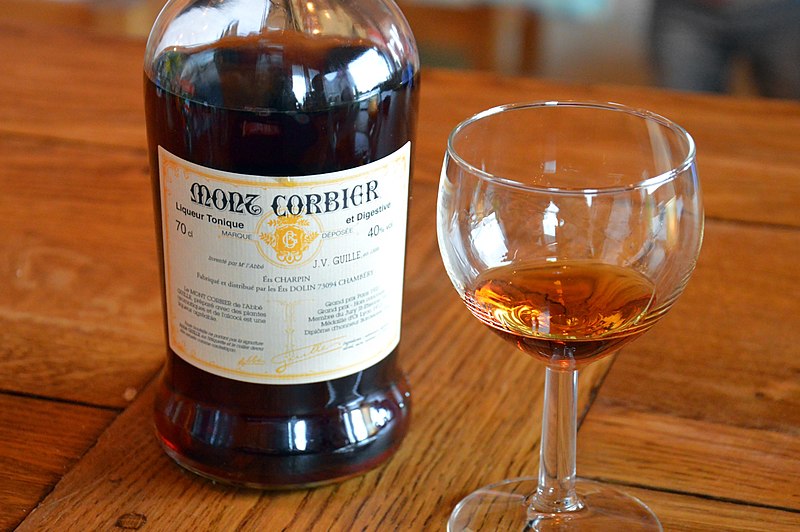
The sixth and final course is the digestif, a drink after the meal. It isn't essential, but a small glass of something sweet and alcoholic makes a fine finale. The French have a fun nickname for it, pousse café. Pousse means "push," as in "push the coffee," the idea being that you push everything you've just eaten down with the coffee.
Now you can see why people say a full meal takes two hours. In today's busy world, though, the courses have been pared down. At a short lunch, people have just a starter and a main, or a main and a dessert, and finish with coffee. The full lineup is reserved for weekend family meals, which matter enormously in France's family-centered culture, as well as big events such as weddings and Christmas. Now that you know both the full and the simplified versions, use this as your guide the next time you order.