Paris · Food & Drink
Four Meals a Day in France, Goûter Included
Paris · Paris, France
In France, think of it as four meals a day, not three. Between breakfast, lunch and dinner there's a national favorite: goûter, the afternoon snack. Skipping it won't ruin your day, but it carries real meaning for the French.
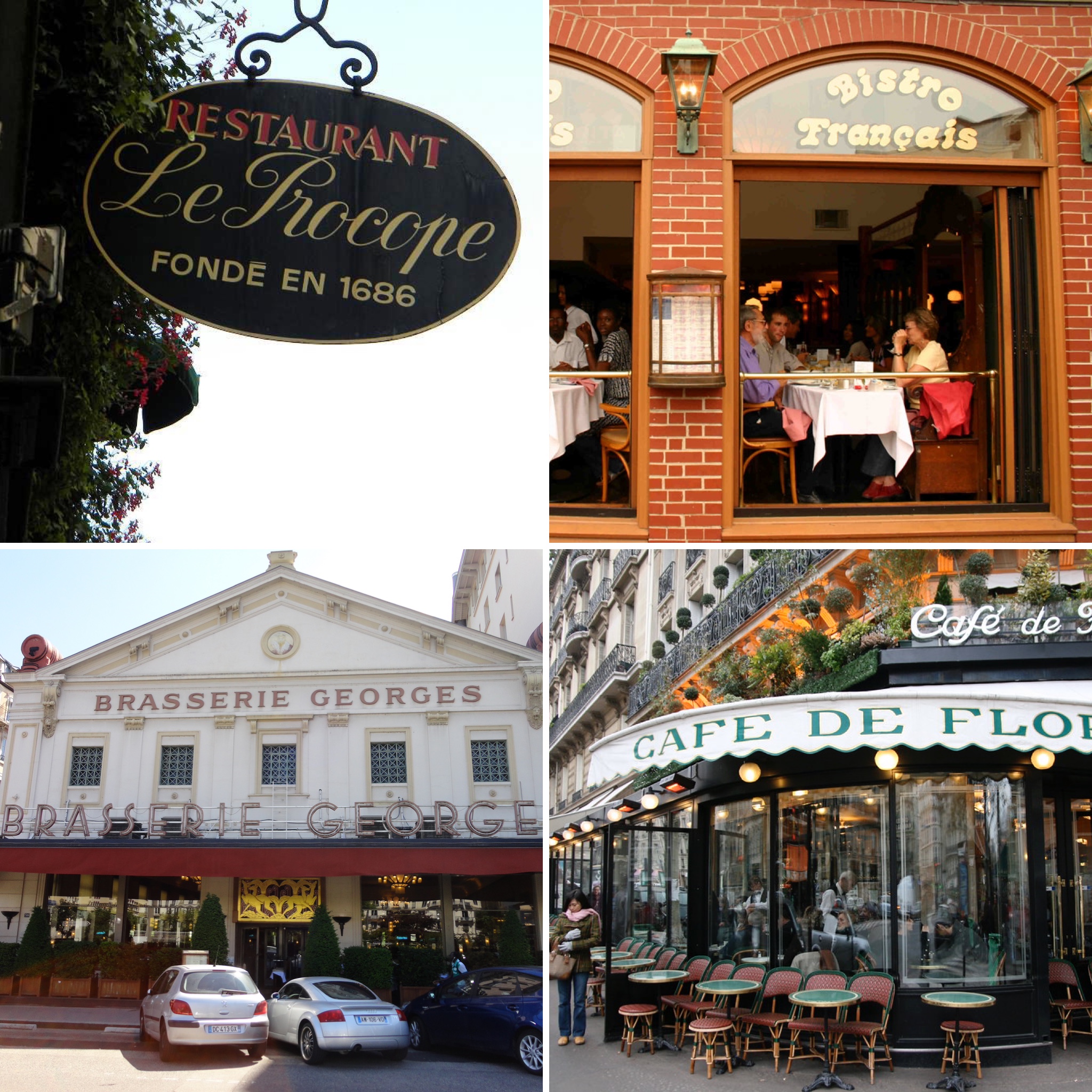
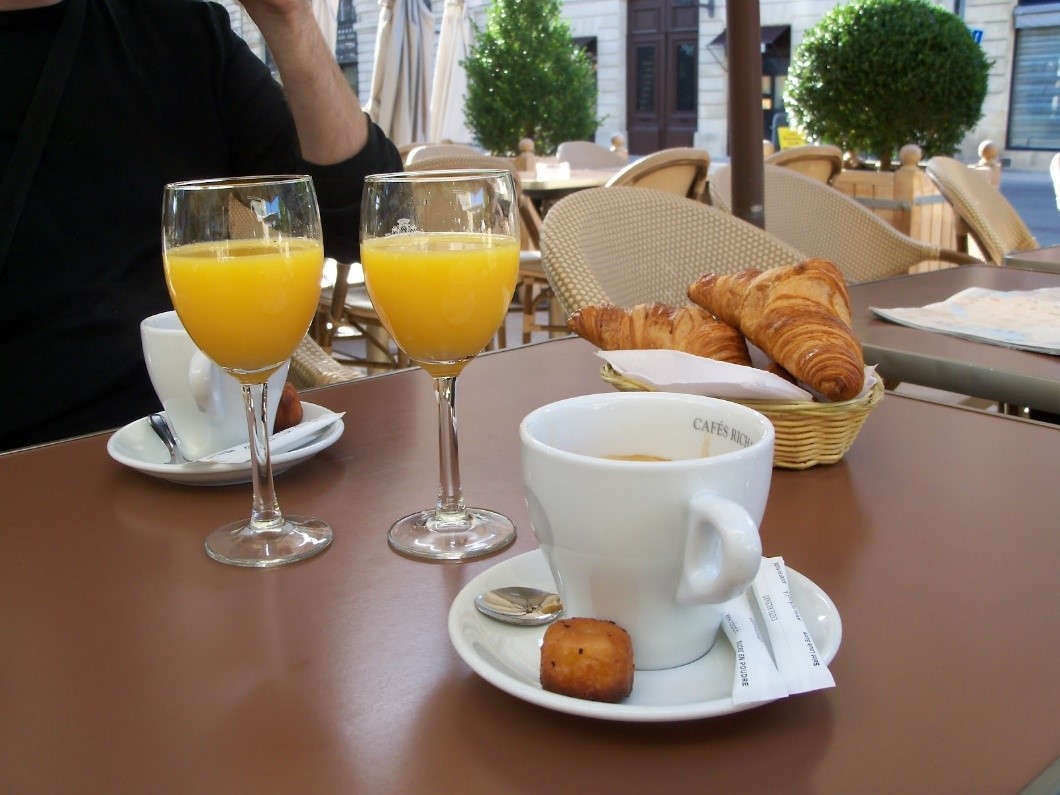
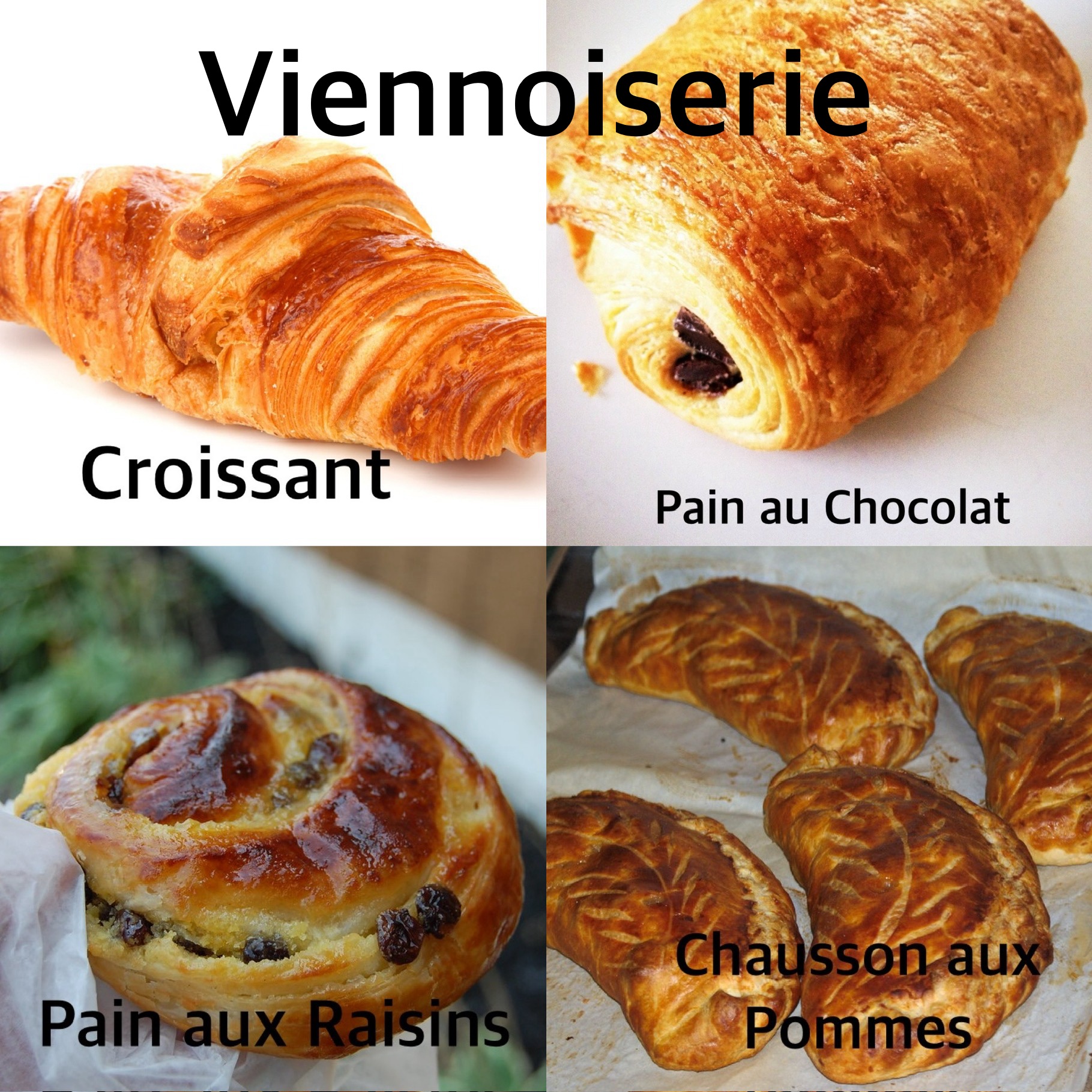
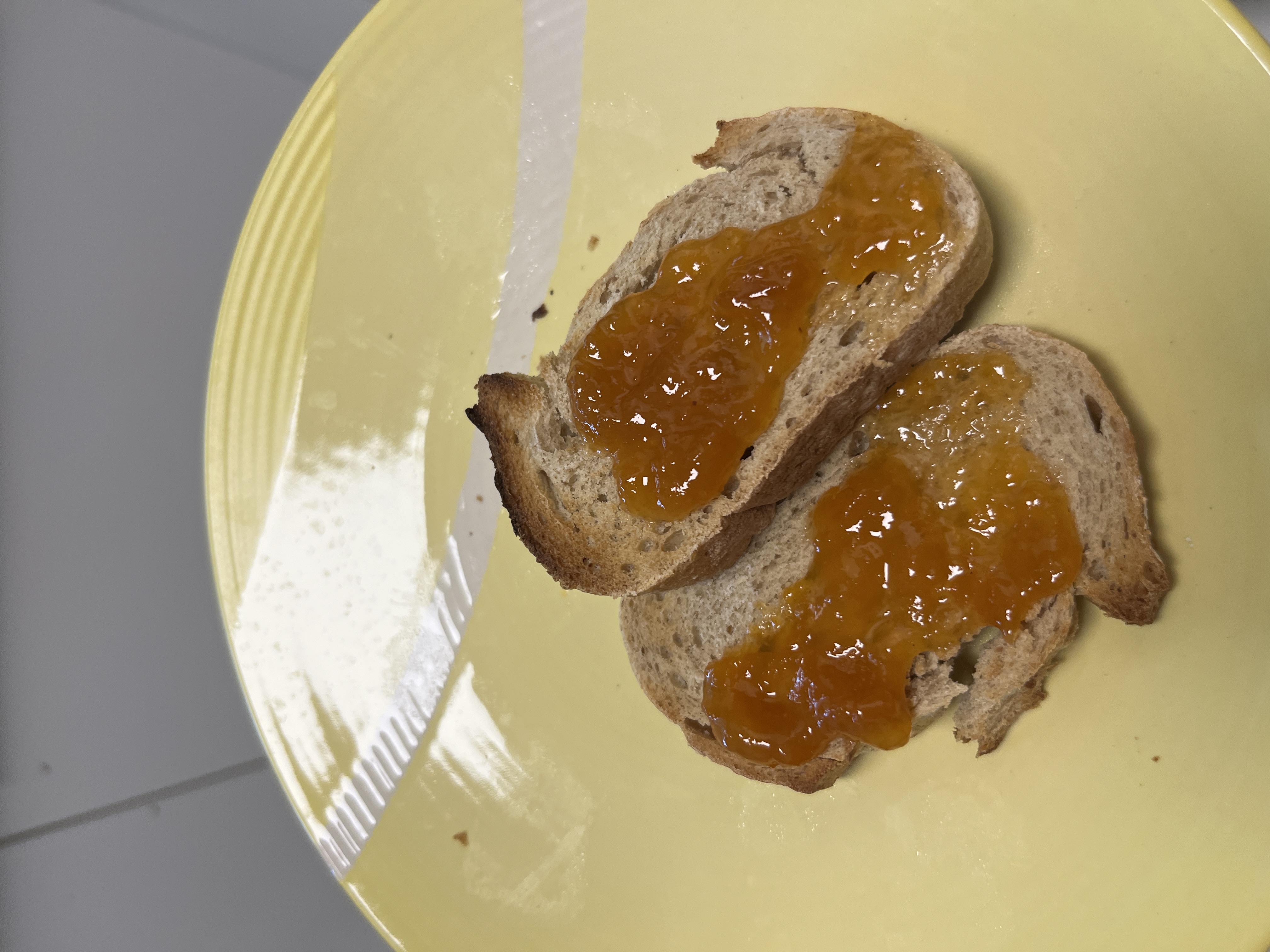
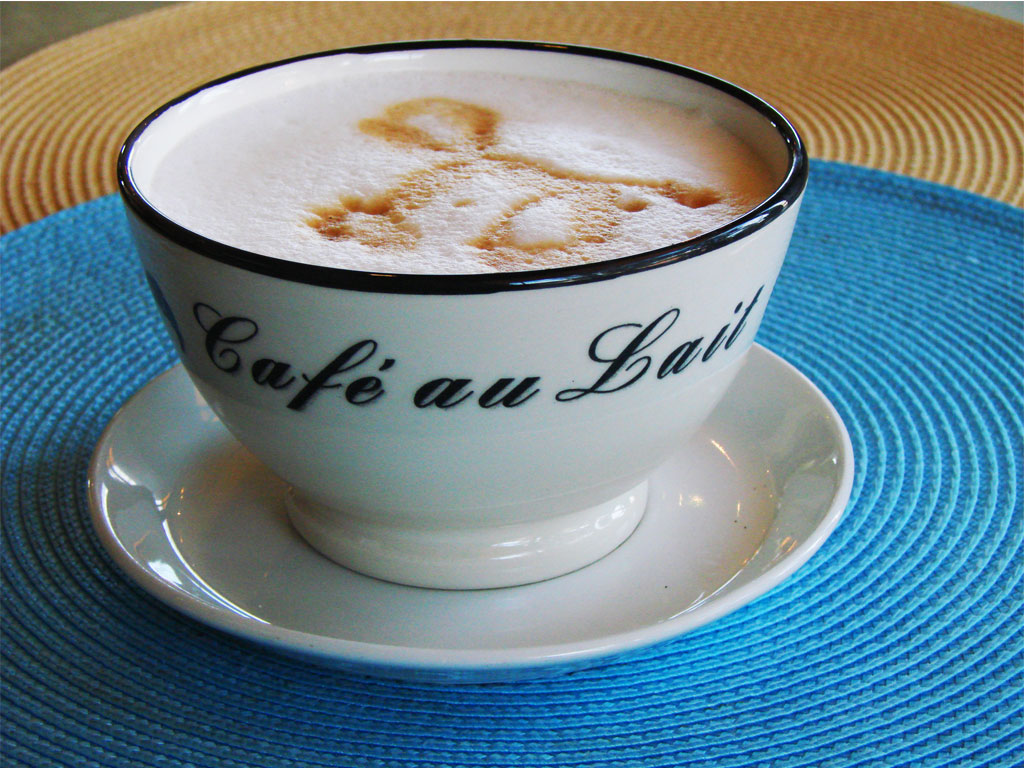
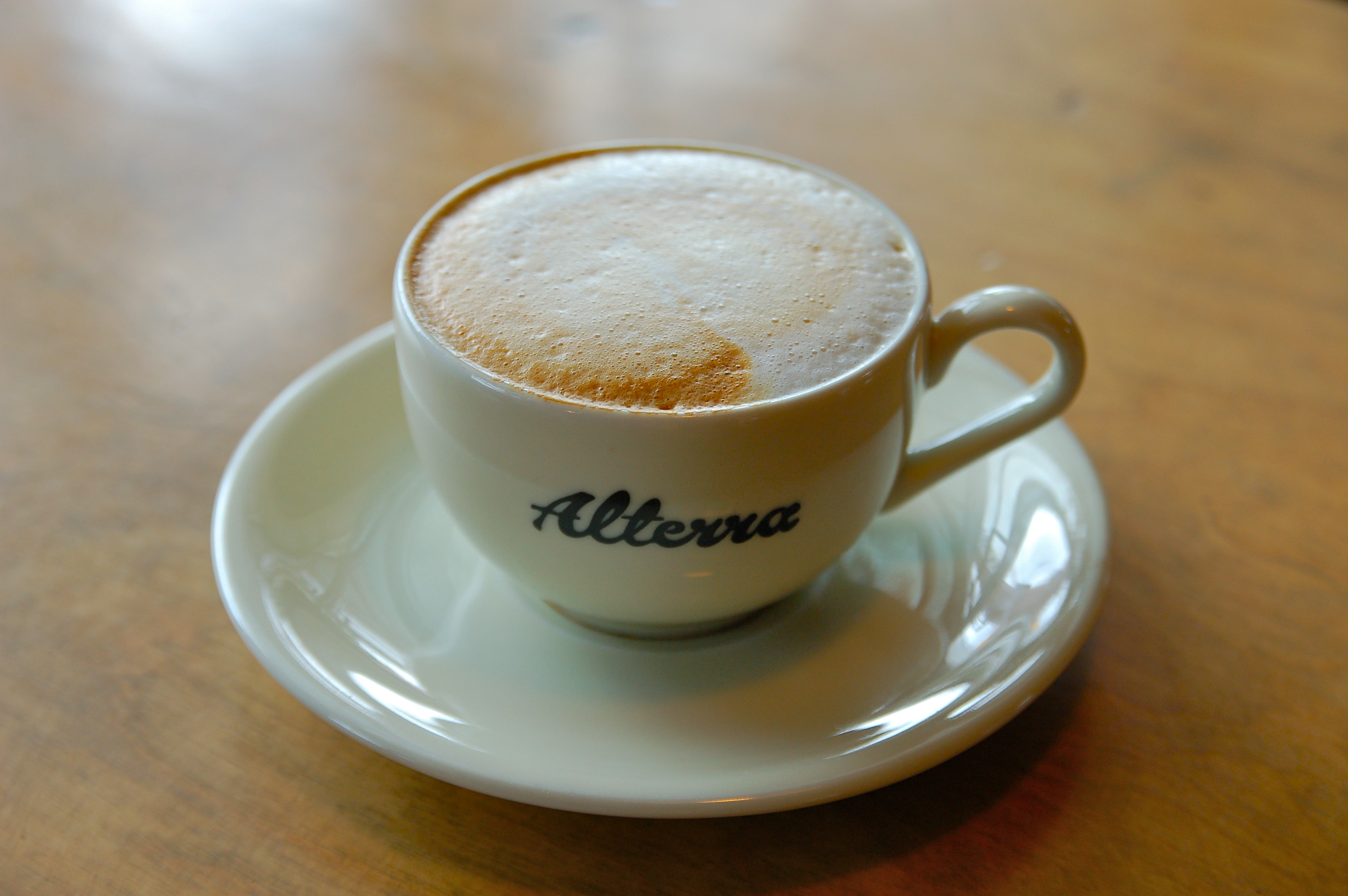
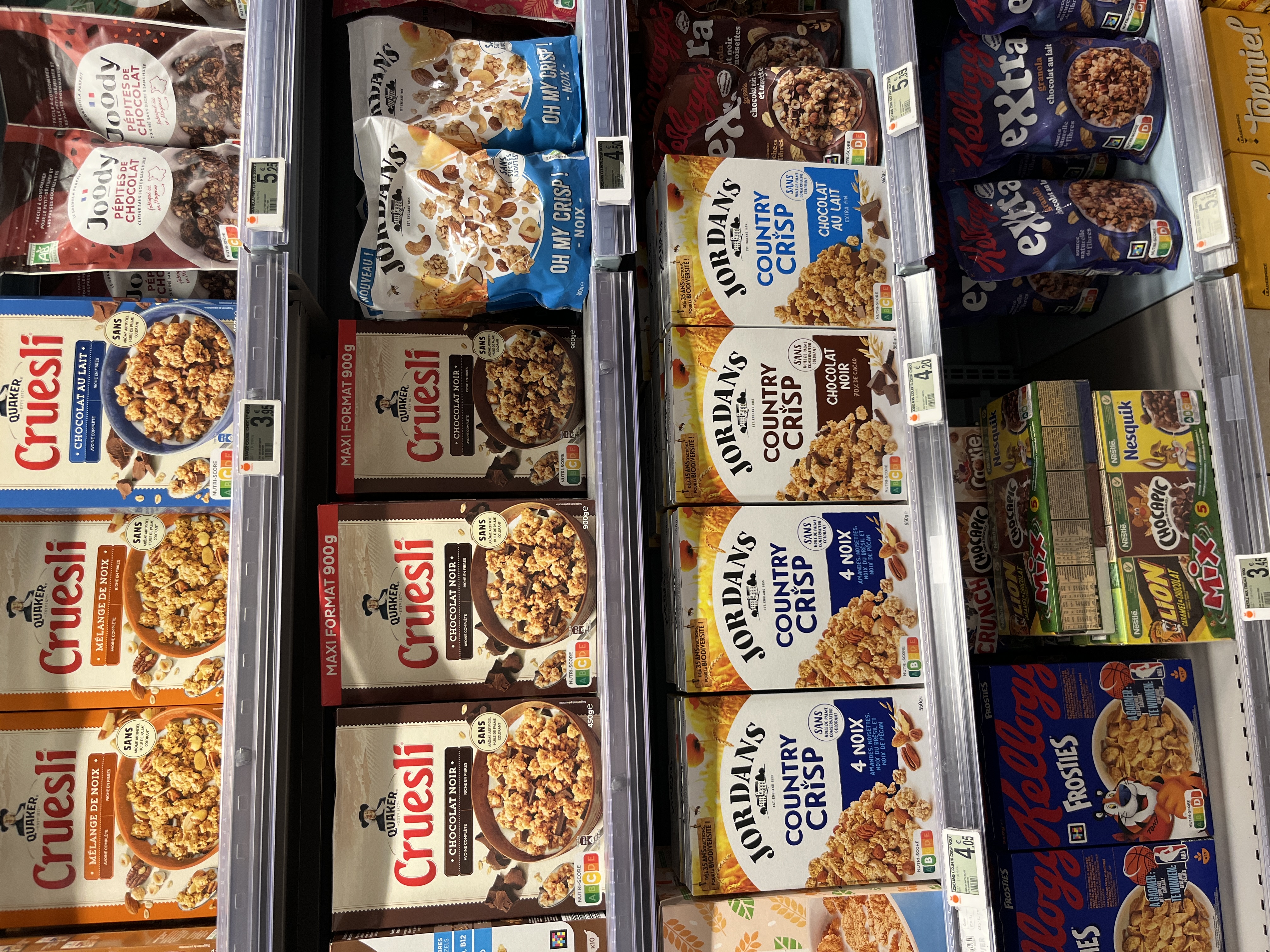
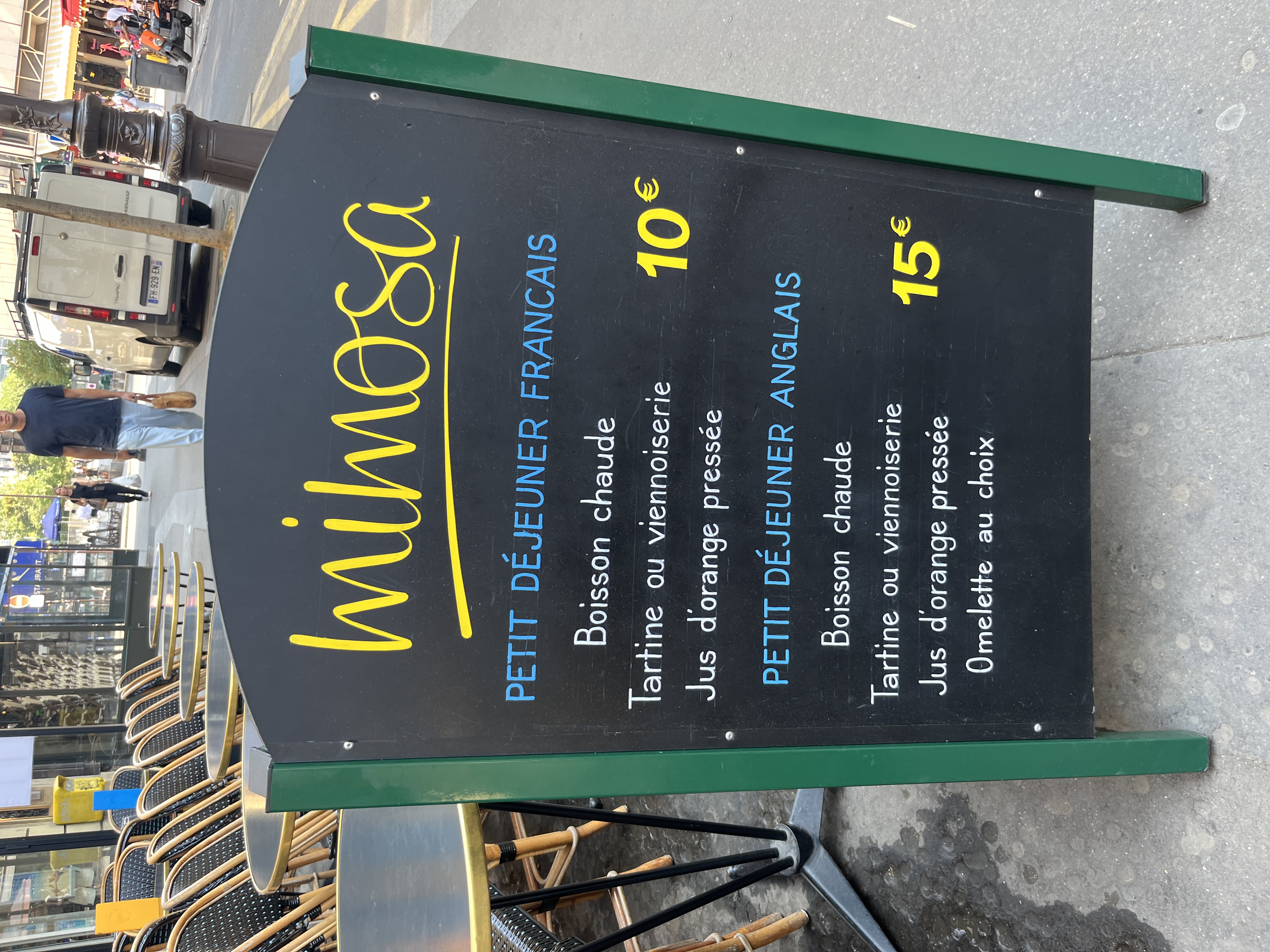
Breakfast, or petit déjeuner, is light, and most of what's on the table can be bought at a supermarket or bakery. The key point is that a French breakfast is sucré, meaning sweet. The classics are viennoiseries: croissants, pains au chocolat, pains aux raisins and chaussons aux pommes. Because they're high in butter, though, people don't eat them every day. Another option is to toast yesterday's leftover bread and spread it with jam, a hazelnut spread like Nutella, a chocolate spread or honey. Toasted bread with something sweet on top is called a tartine. Orange juice, plus coffee or tea, always comes with it. The coffee of choice in the morning is café crème, the French answer to a latte. It's also called café au lait, but in Paris, at least, café crème is the more common name. Cappuccino is popular too. Some people pour milk over cereal, and since cereal counts as a proper meal rather than a snack, supermarkets stock a huge range. Big stores have a whole section marked "petit déjeuner" with breakfast biscuits, cereals and sweets. To have breakfast out, head to a café or brasserie that opens early. Look for a sidewalk sign advertising "petit déjeuner." Prices depend on whether you're near a tourist area, but it usually stays under €10.
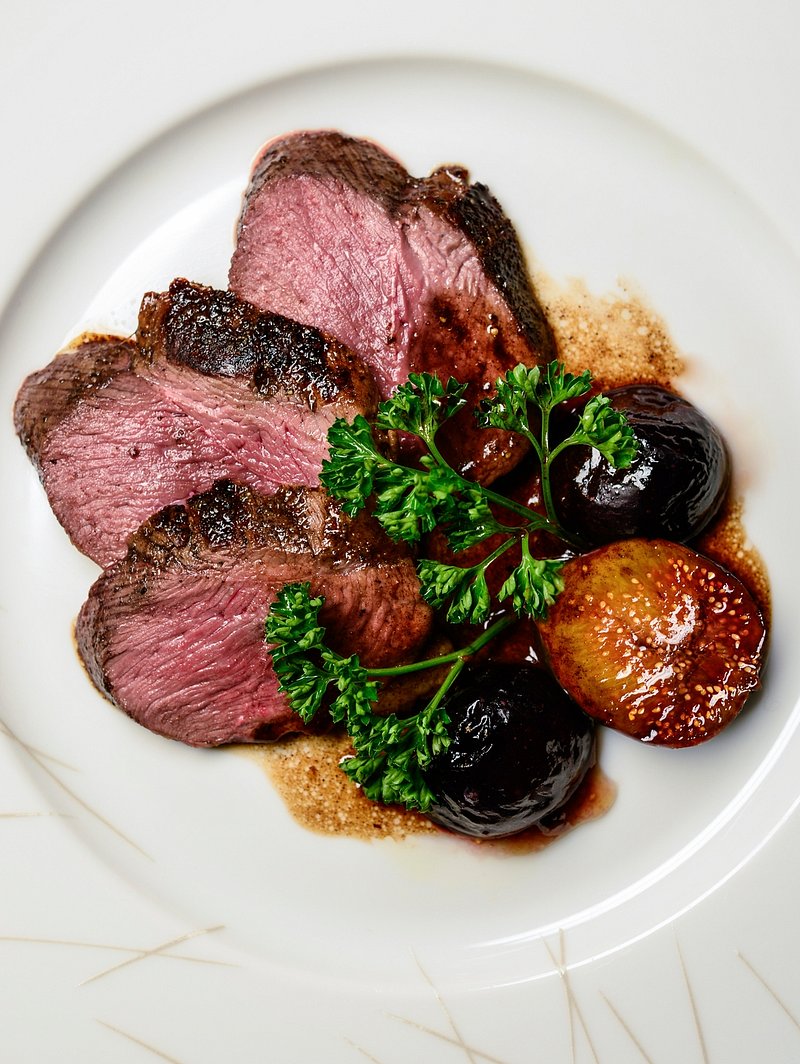
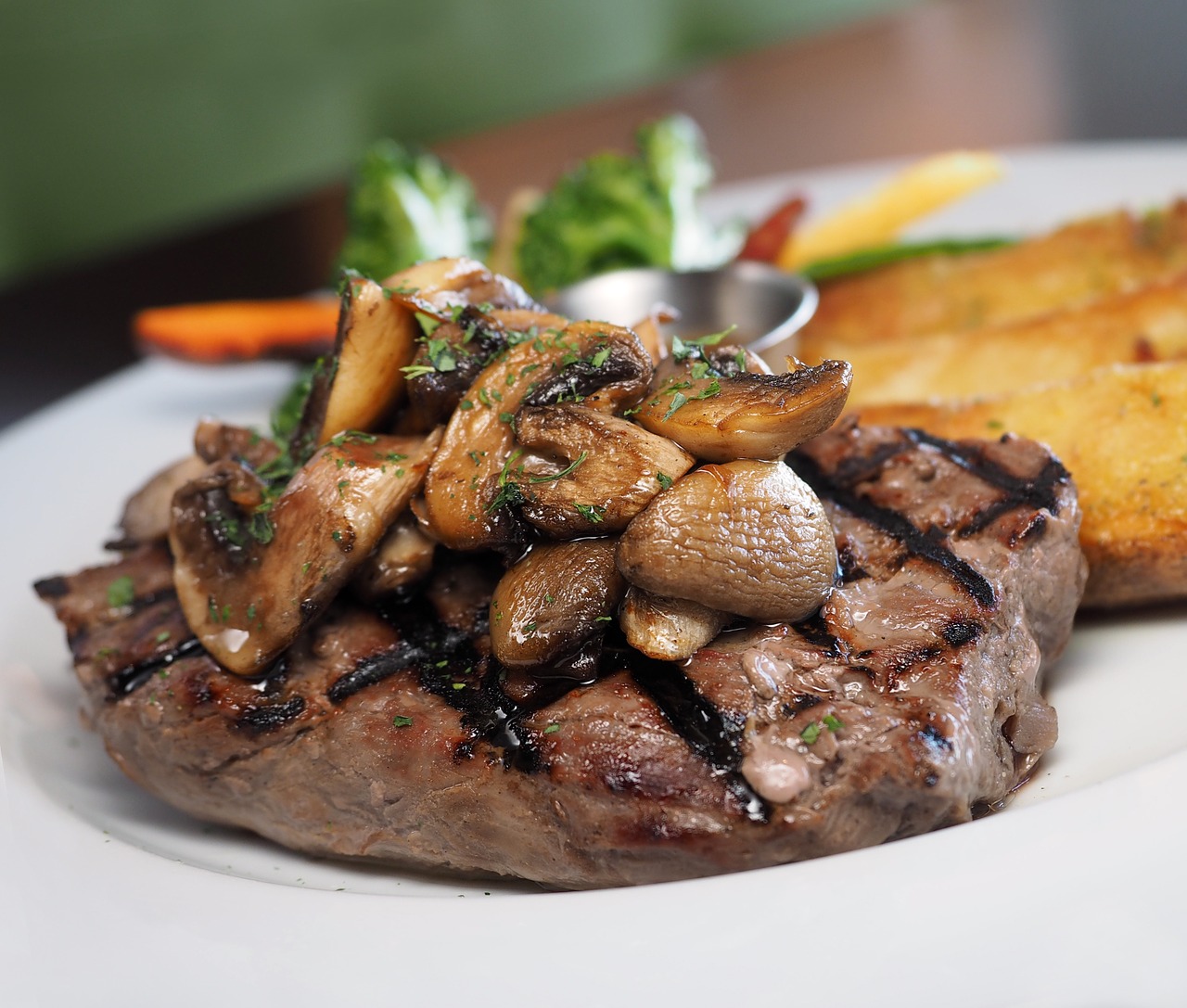
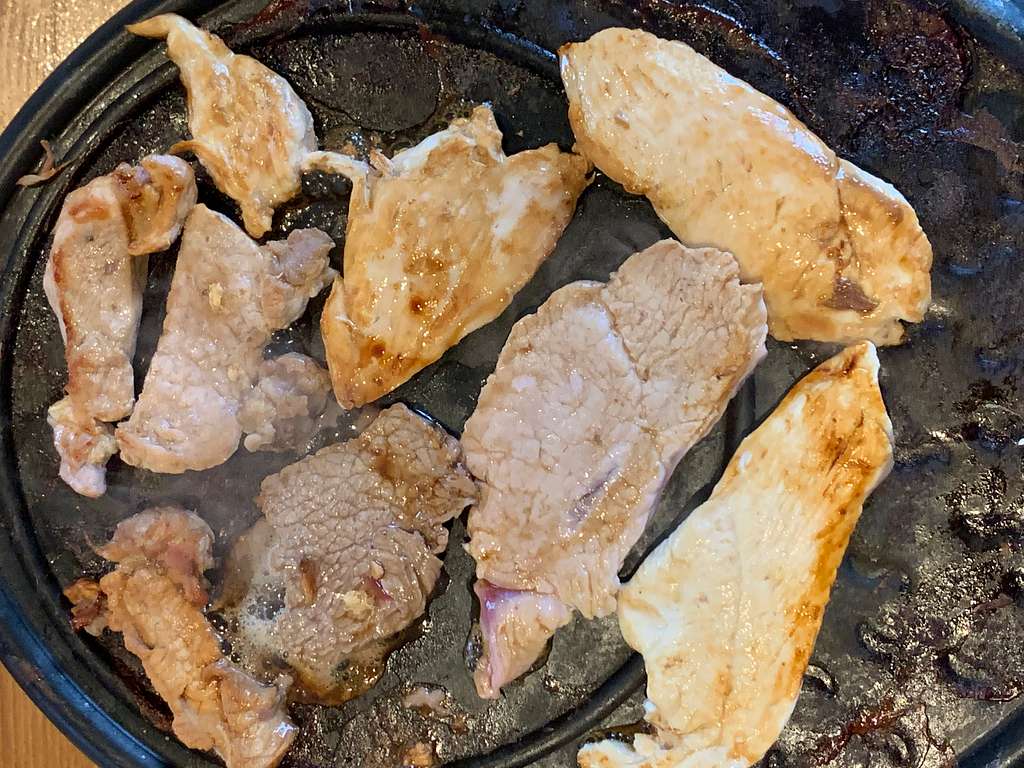
Lunch, déjeuner, is when you go savory, having had something sweet in the morning. Then comes sweet again at goûter, and savory at dinner. So "sweet, savory, sweet, savory" is an easy way to remember the French day. Lunch usually follows either the full or the pared-down course structure, and the main course is often meat. That brings us to steak, since you'll always be asked how you want it cooked. There are four levels. Rare means seared on the outside for about a minute, with a raw center, which many visitors find hard to get used to. A little further along is medium rare, which in French is saignant. This is the one word to remember. The French consider it the ideal way to cook beef, and most of them eat it saignant, even the beef in a hamburger. Third is medium, about 70 to 80 percent cooked, called à point in French. If you're unsure, this is probably the safest choice, and it's said to be the perfect doneness for veal, lamb and duck. Fully cooked, well done, is reserved for pork and poultry.
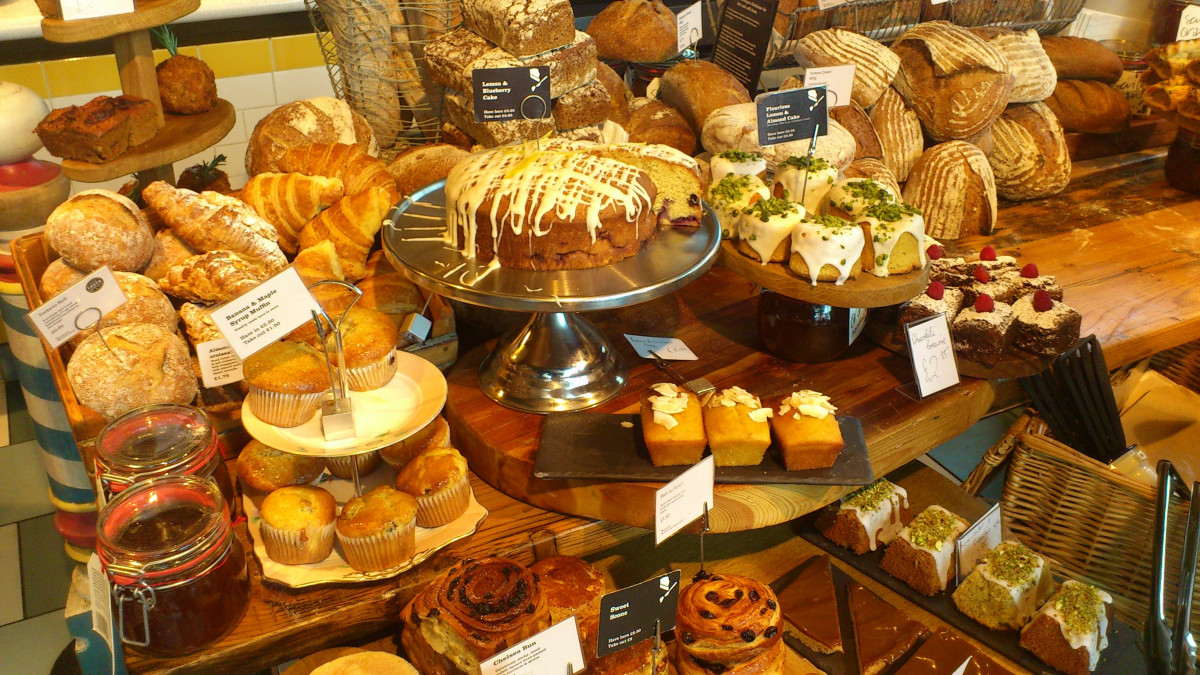
Between 4 and 5 p.m. it's goûter time, and the rule is sucré again. Typical choices are brioche, cakes and cookies, always with coffee or tea. Here's a cultural quirk worth knowing. In France, apart from the 4 o'clock goûter, people don't snack. Eating between meals is frowned upon, and even small children are given snacks only at goûter time.
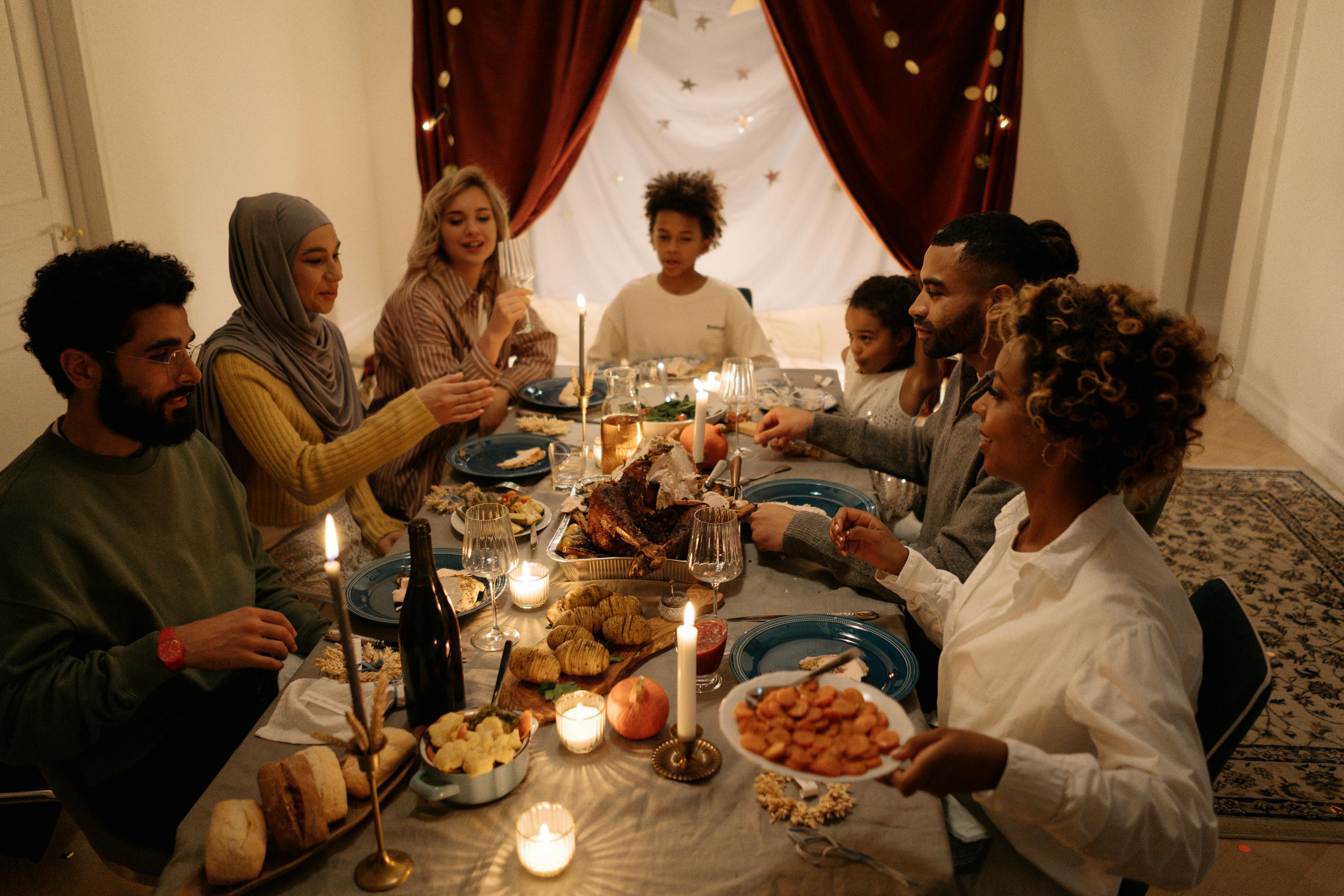
Dinner is much more leisurely than lunch, with more time at the table and a longer menu. Traditionally, the French ate meat at both lunch and dinner. That's changing fast, though: if you had meat at lunch, you may skip it in the evening or go for lighter fish. It's tied to the growing popularity of vegetarianism, and meat consumption is falling sharply, especially among young people. As mentioned earlier, dinner usually starts around 8 p.m. If you prefer to eat earlier, arriving at 7 or 7:30 p.m. will get you a calmer, quieter dining room.