Paris · Food & Drink
Inside a French Home Kitchen: Everyday Eating
Paris · Paris, France


Do the French eat as elaborately at home as they do in restaurants? Not at all. As in most countries, eating out is a treat, while everyday home cooking is kept simple. You won't find this side of France in most guidebooks or online, so here's an unvarnished look at the guide's own table. At least 80 percent of what she eats at home is French.
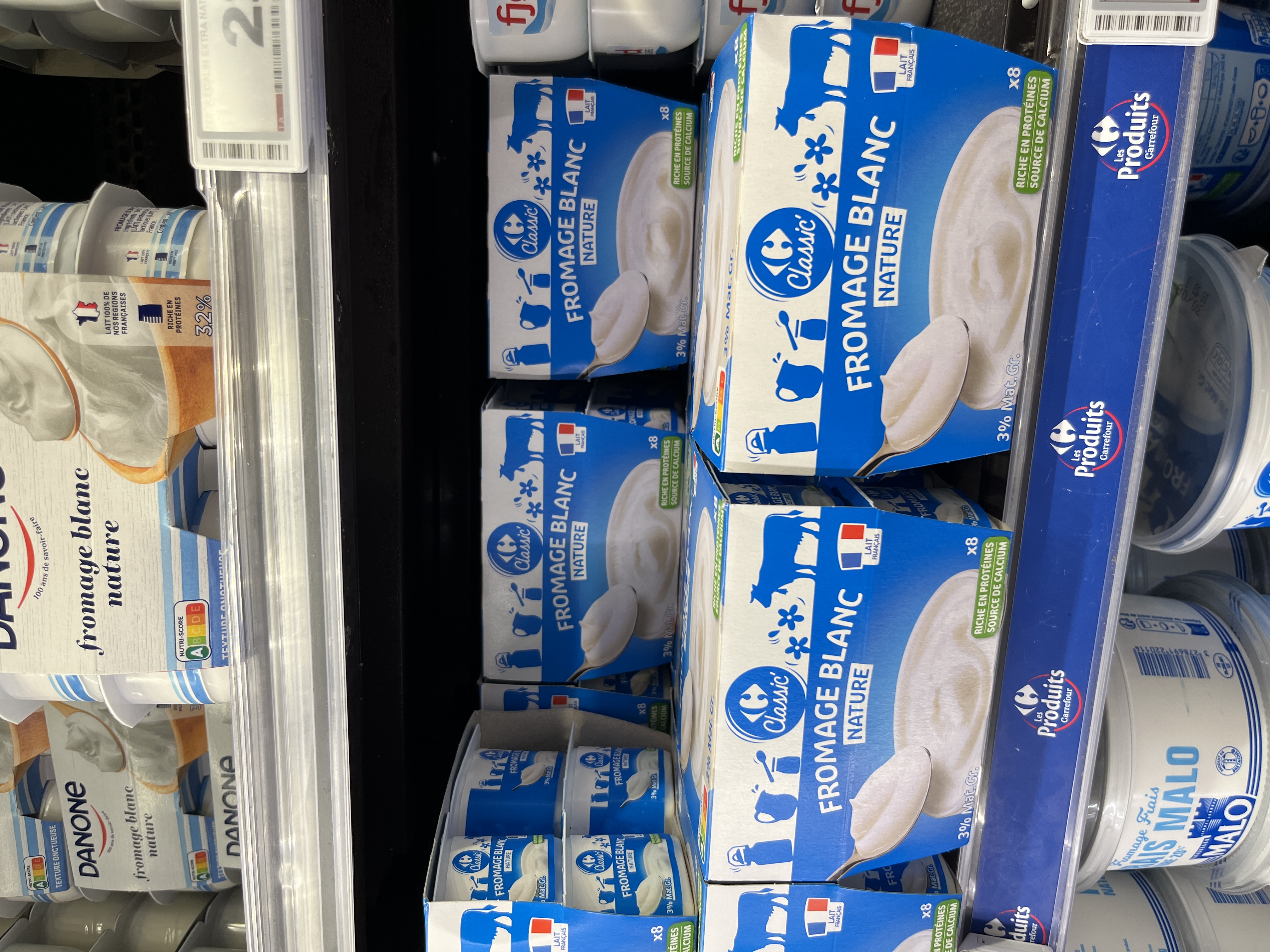
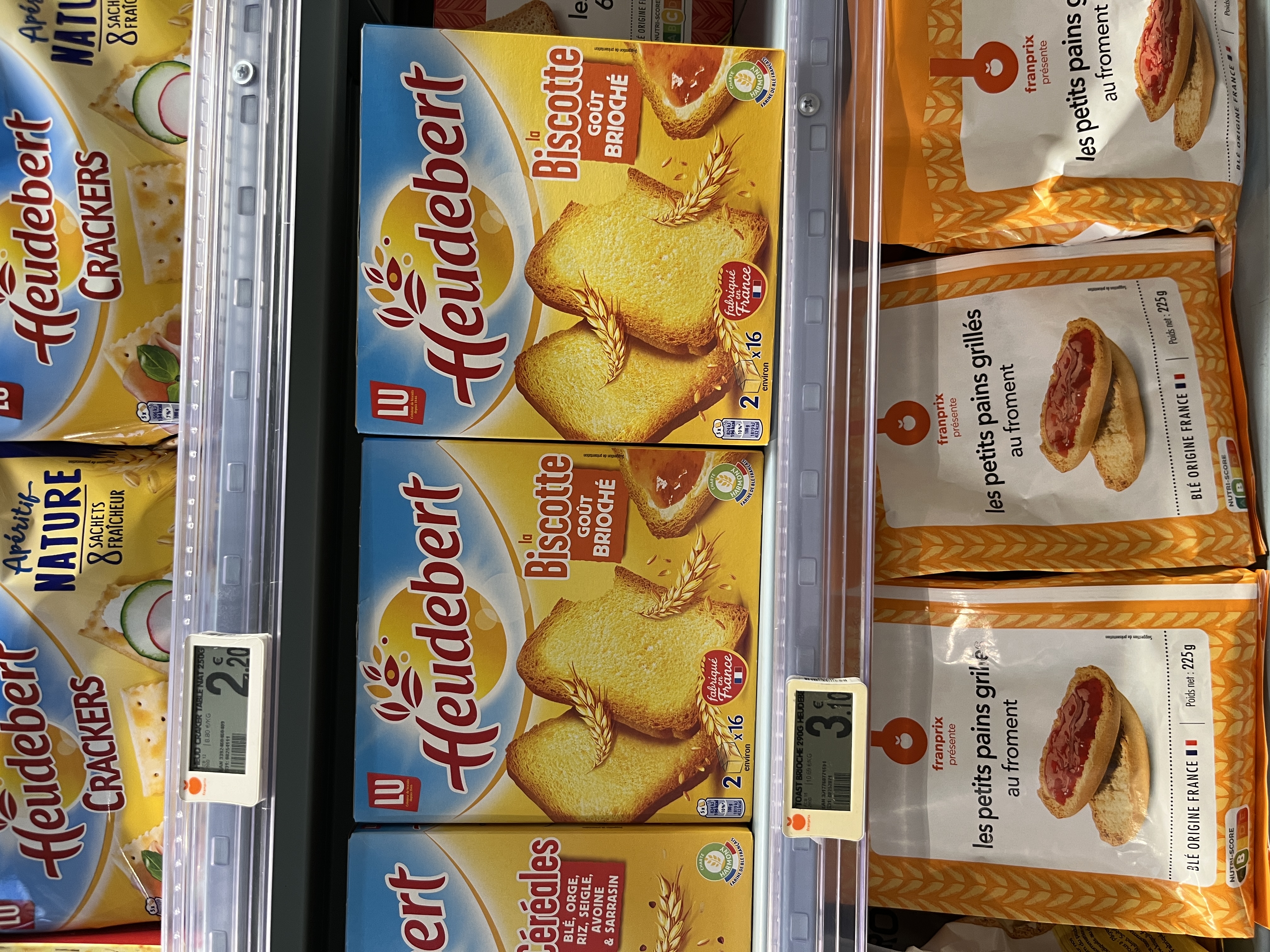
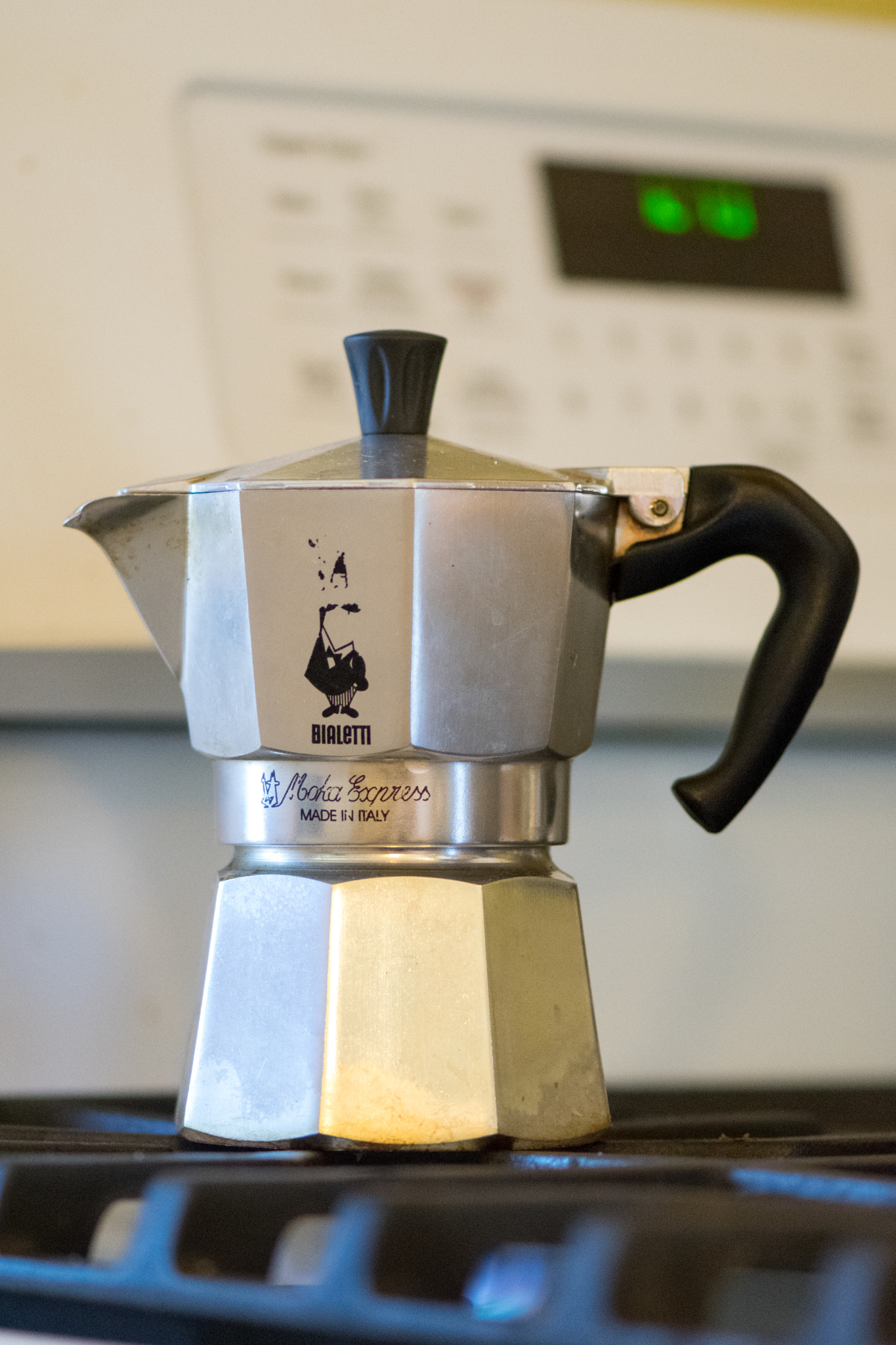
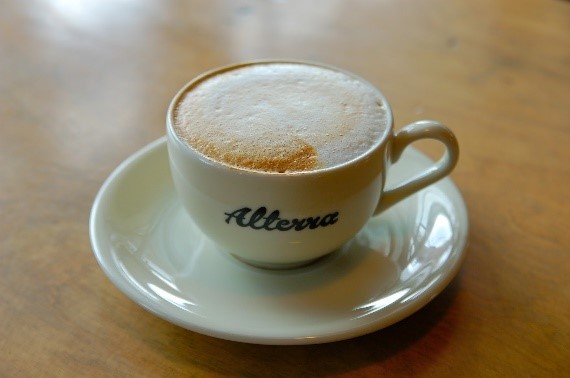
Breakfast starts with yogurt or fromage blanc, a type of yogurt that's cultured differently and comes thicker and tangier. She spoons it into a bowl and adds muesli, a cereal mix of oats, assorted grains and nuts, topped some days with sliced banana and other days with raspberries and blueberries. For bread, she toasts a leftover piece of baguette from the day before, makes it a tartine with her favorite jam, or buys the ready-made toasted bread sold in supermarkets for exactly that purpose. Coffee is brewed in a moka pot and topped with warm milk to make a café crème.
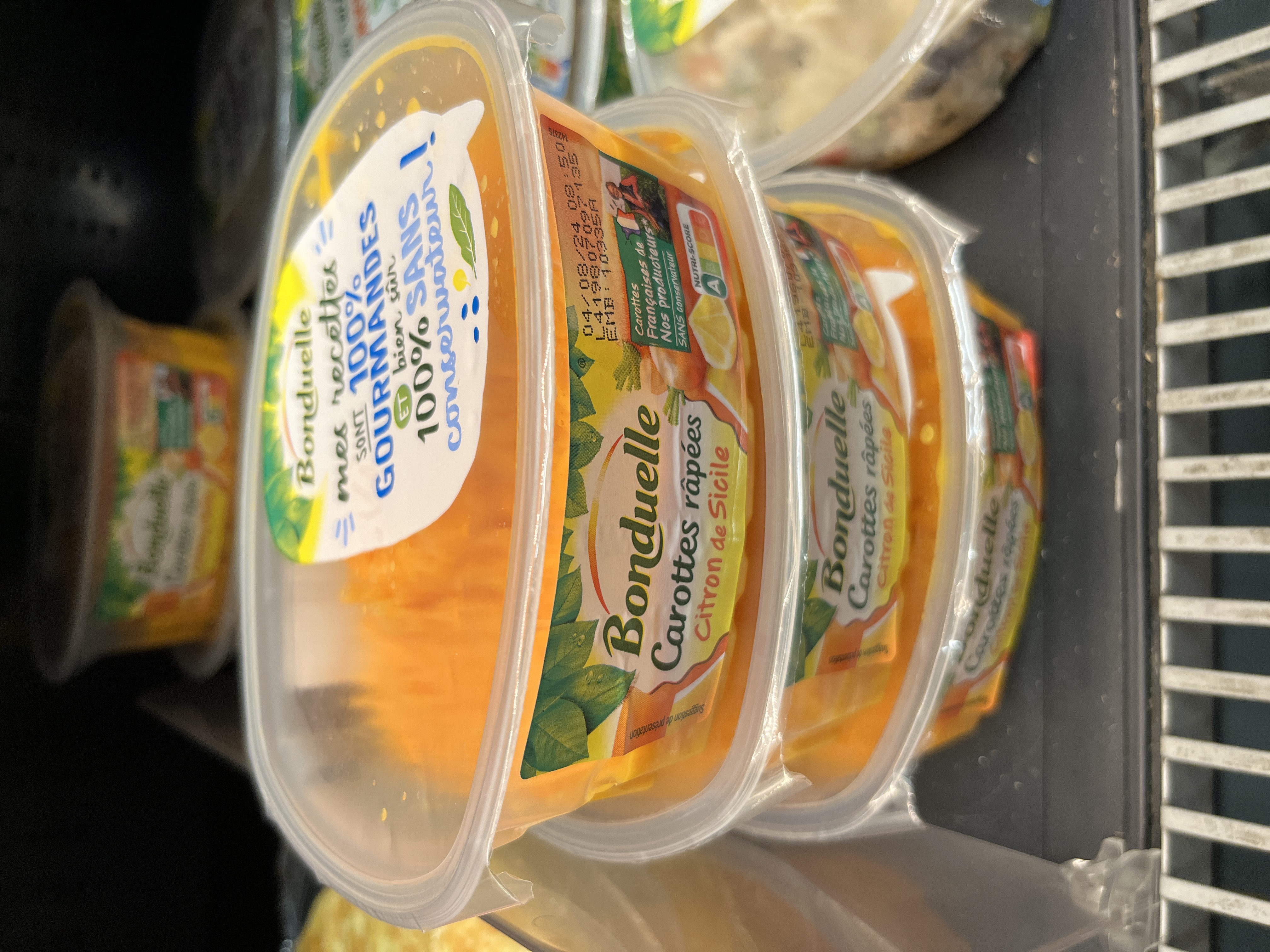
For lunch, one of the most common starters in French homes is carottes râpées: raw carrots cut into thin shreds and dressed with lemon juice and parsley. It's not much more complicated than that. Supermarkets sell ready-made versions in plenty of varieties, so there's no need to grate your own when you're short on time.
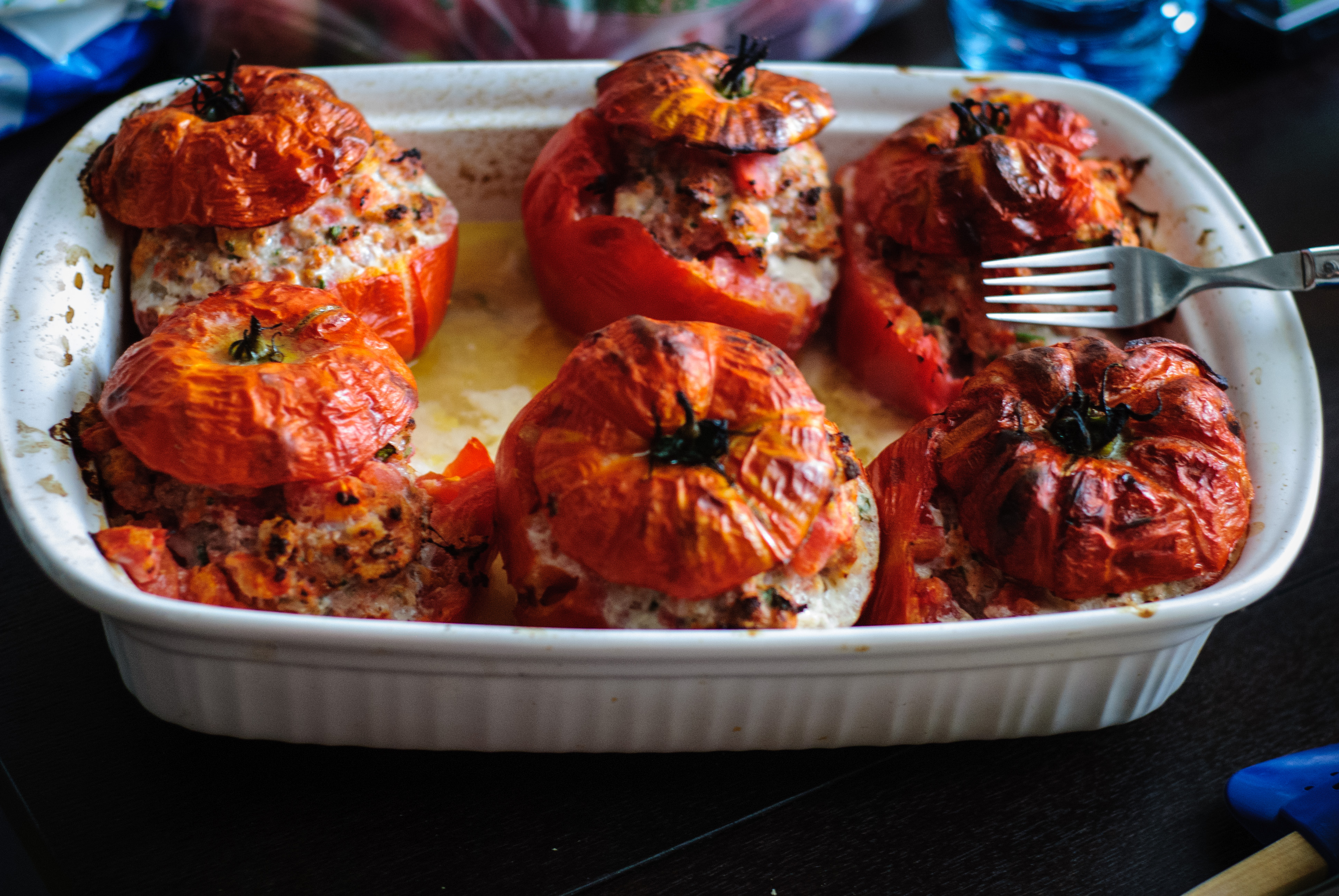
For the main course, busy working people don't have much time to cook, so many French families buy semi-prepared dishes from the prepared-food counter at a supermarket or market and cook them at home in the oven or in a pan. These counters, called traiteurs, prepare everything up to the point where it only needs cooking at home and sell it the same day. That makes it easy, and because it's sold fresh that day, no preservatives or chemical additives are needed. Among her favorites are tomates farcies, a classic Mediterranean dish of big firm tomatoes hollowed out, filled with ground beef and baked. It usually comes with rice, but not the sticky short-grain kind. Long-grain rice cooked in a pan is the perfect partner.
At home, dessert is a low-key affair, and something from the supermarket will do. She picks a vanilla cream dessert. Lunch ends with an espresso, and when she wants a little more, she dunks a piece of dark chocolate from a tablet into it.
At the 4 o'clock goûter, out comes an orange cake baked over the weekend. Every French home has an oven, so baking is hugely popular, and in households with children it's perfectly normal for parents and kids to bake together on days off. Instead of coffee, she might have tea. There are countless kinds, and each brand has its own original blends. Tea is light to pack and makes a great gift, so it's worth bringing some home. At home, though, she just steeps a bag from a €3 supermarket box.
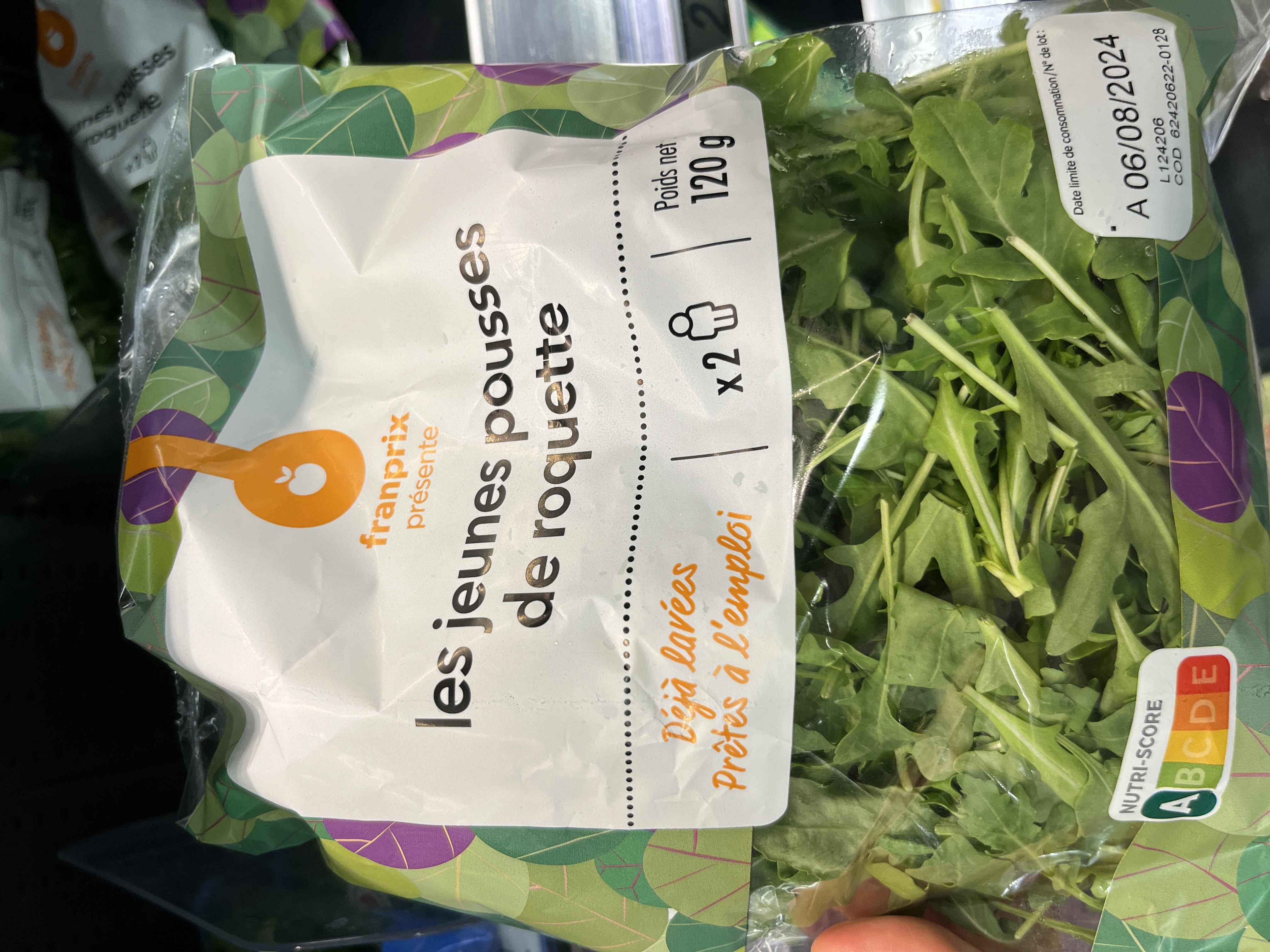
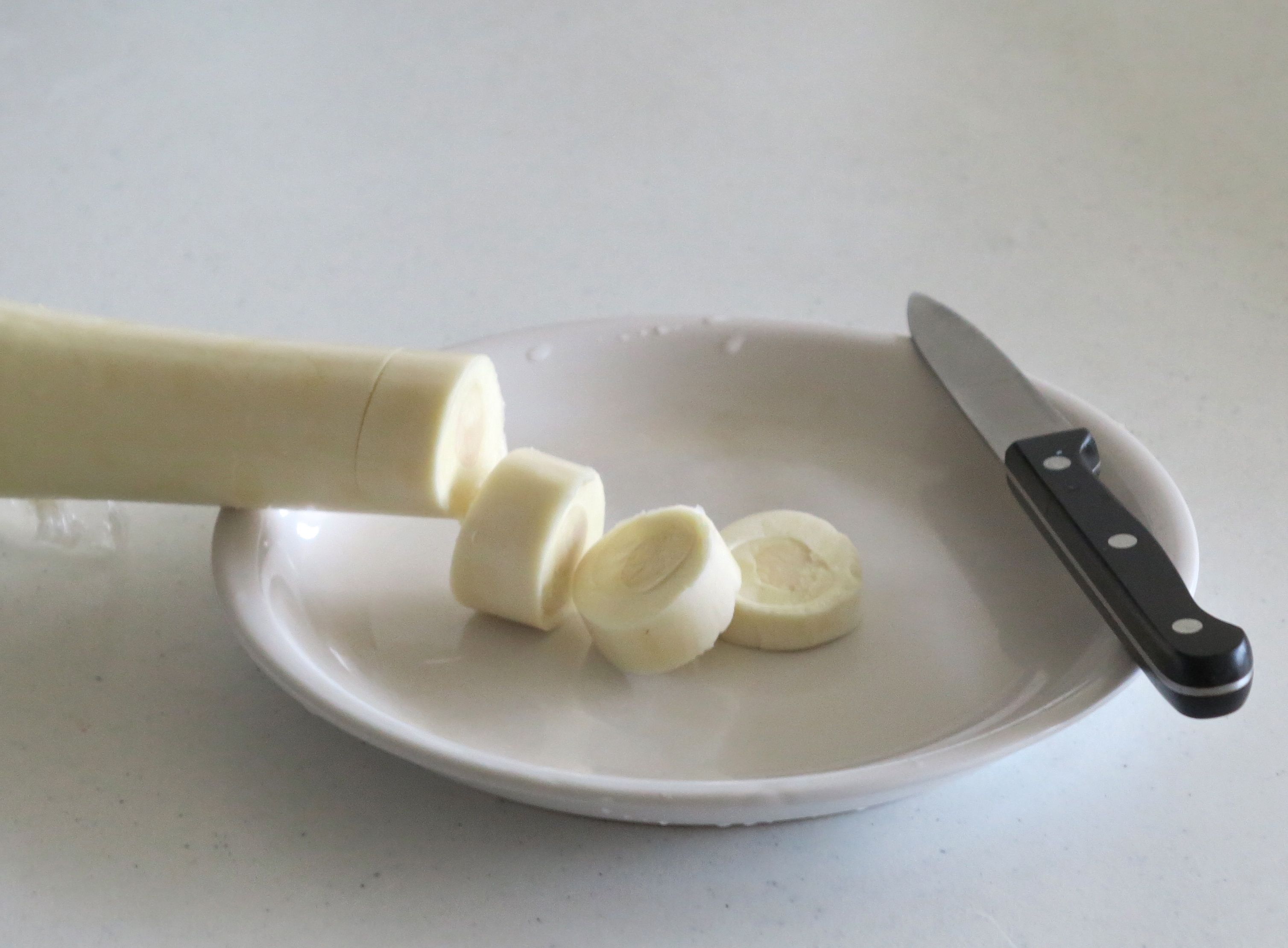
Dinner begins with a salad. She slices avocado and tomato into a bowl and adds some peppery arugula, her favorite leaf. "Rucola" is the Italian name, and in French it's roquette. Dressed with olive oil and balsamic, it's a textbook French home-style entrée. Add corn, shrimp and heart of palm (coeur de palmier), toss it all together, and eat it with bread as the plat. That makes the meal lighter and quicker, and she often does this when she doesn't have much appetite.
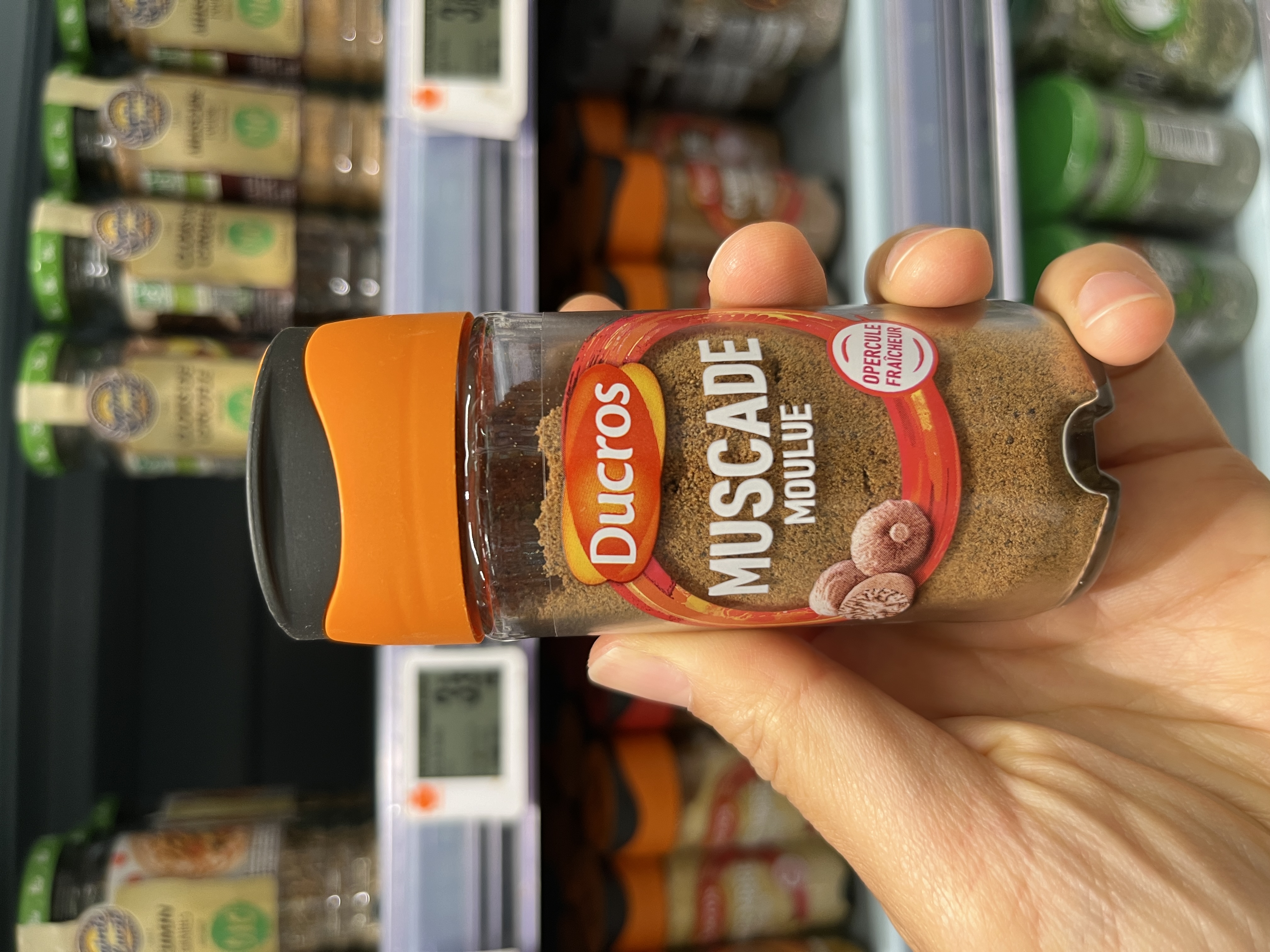
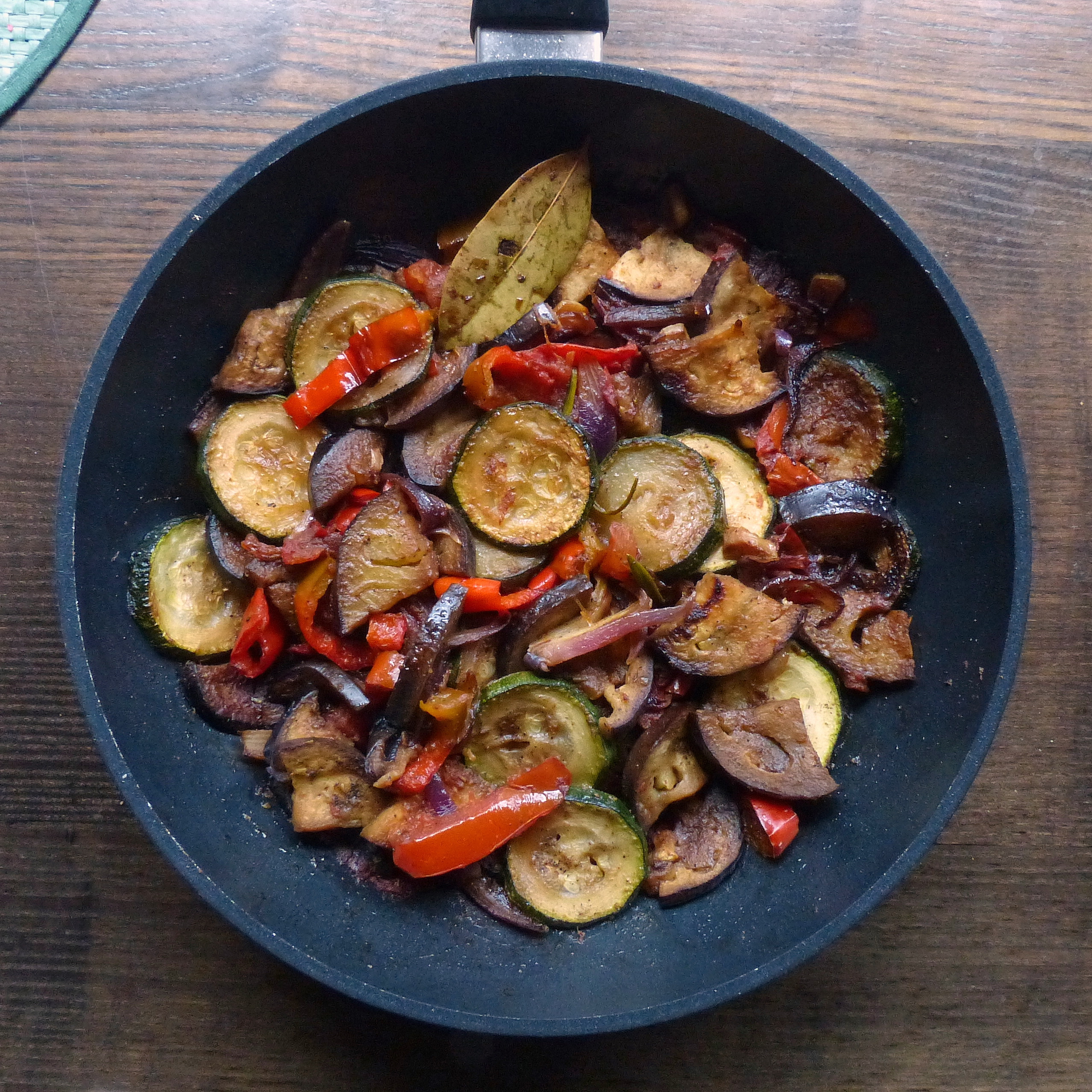
For the main course, she pan-sears fresh beef from the market saignant. The potatoes are steamed and mashed, and a good purée always has cream and nutmeg (muscade). France has a strong dairy tradition, so cream is essential. Cream-based cooking comes mainly from northern France, whereas in the south, most dishes are built on olive oil. To go with the meat and potatoes, she often makes ratatouille, a classic dish of Provence. In short, it's a vegetable stew. You sauté zucchini, eggplant, bell pepper, onion, garlic and the like in olive oil, add tomato sauce and herbes de Provence, and simmer over low heat for a few hours. It's easy to make, and a big batch keeps for several days or can be frozen for later. It can be eaten hot or cold, and in summer it's practically the nation's vegetable dish. Dessert is strawberry yogurt.
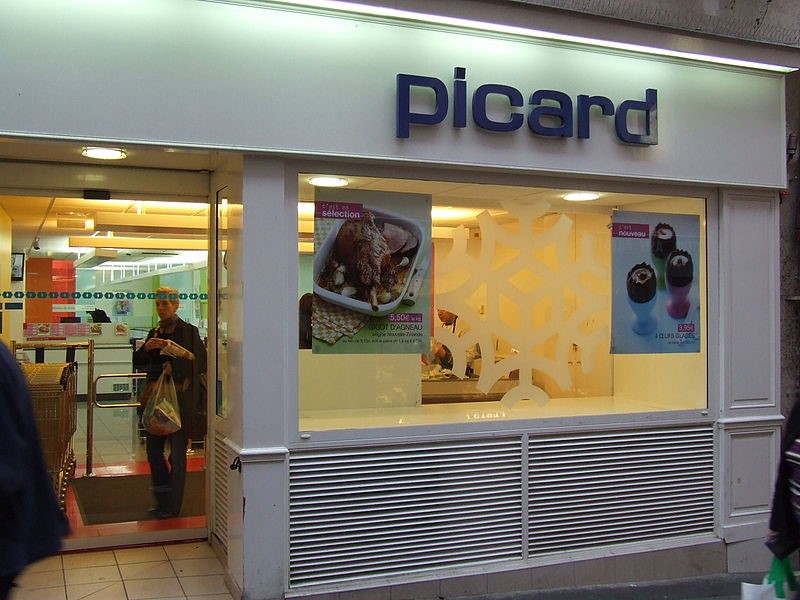
Traditionally, the French place great importance on eating together as a family. But most households have two working parents, which leaves little time to cook, and many people end up eating alone. Plenty of people in France are overworked, and in the capital, Paris, even more so. The savior of the French dinner table in this setting is Picard, the nation's favorite frozen-food brand. Picard is a supermarket chain selling high-quality frozen ingredients and ready meals, with dozens of stores in Paris alone. If you don't live there, you probably won't need it, but if you're staying in Paris for a long time with a kitchen at your accommodation, and especially if you're planning a month-long stay, it's well worth trying. The food is already cooked, so you simply heat it in a pot, microwave or oven as the instructions say. From pre-cut vegetables and bread to dishes for every course, it has just about everything. The taste and quality are great for the price, and some items are things she only buys there.
In the end, home cooking in France is very casual. The traditional French dishes foreigners know best, such as pot-au-feu, coq au vin and onion soup, are rarely made at home. That's everyday French home cooking in a nutshell.