Paris · Food & Drink
A Peek Inside the French Market
Paris · Paris, France
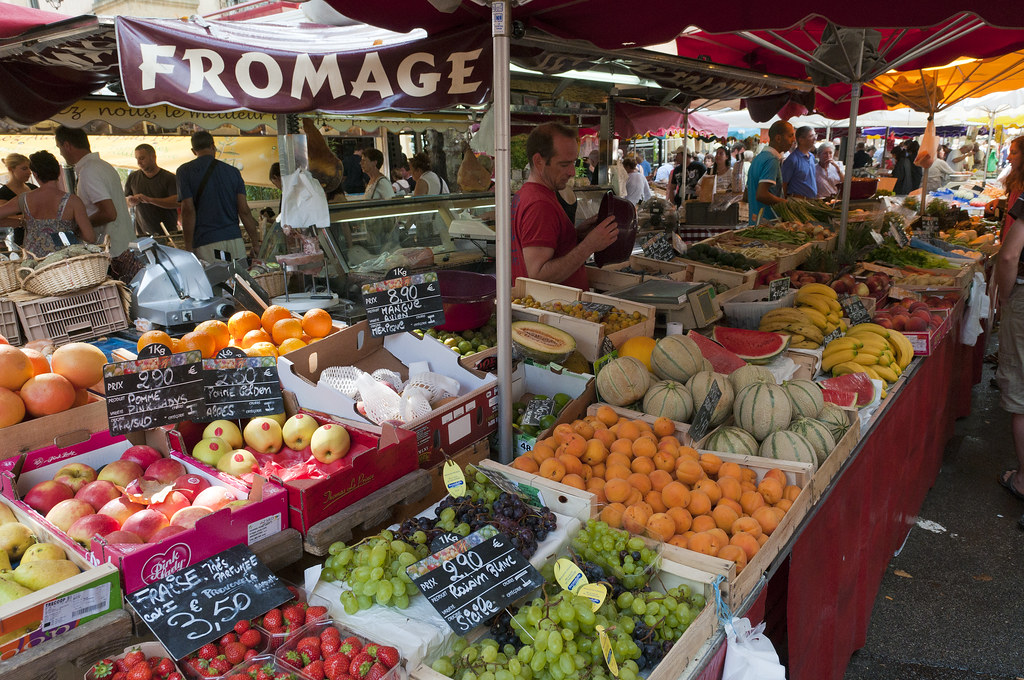
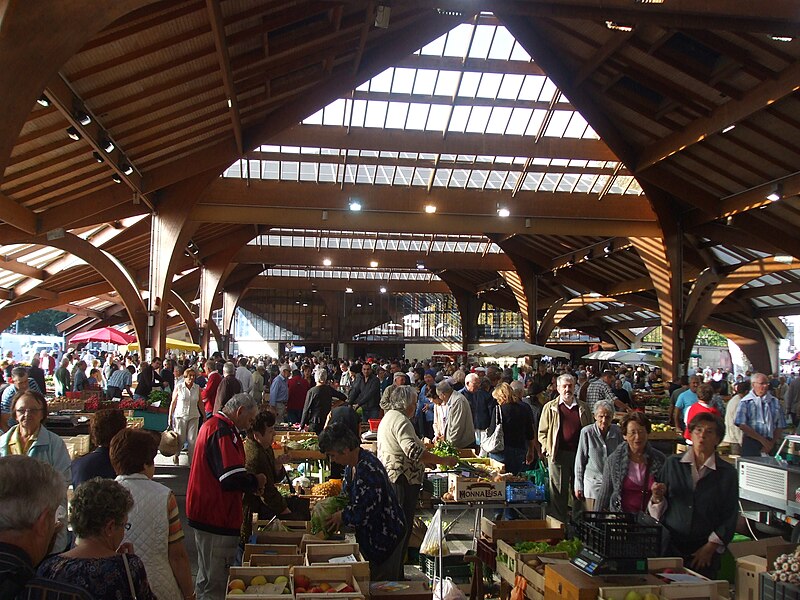
In many places, most people buy groceries at big-box stores or large supermarkets. France, by contrast, still runs on traditional habits, and the belief that the best, freshest food comes from the market (marché) runs deep. It's also true. Traditional markets are generally held twice a week, and while they vary in size, there are so many of them that most people can walk to one from home.
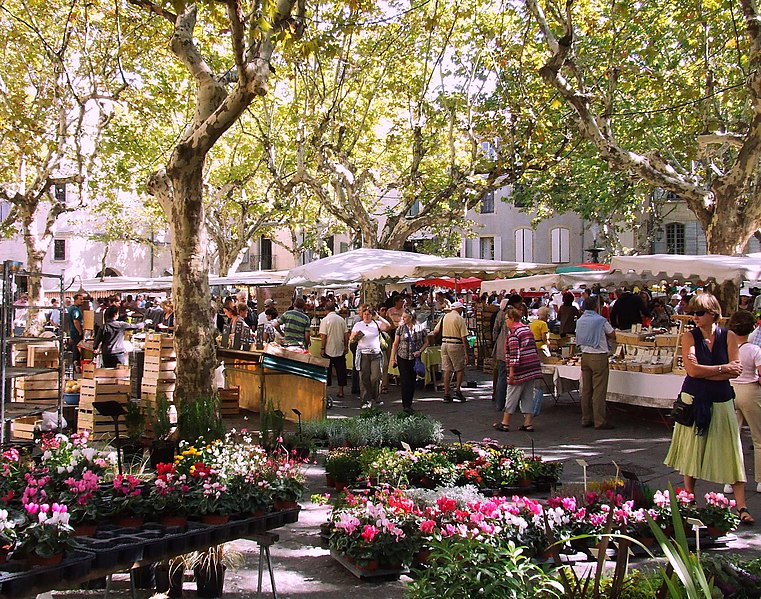
Browsing a neighborhood market is one of the real pleasures of traveling in France, especially on weekends, when they draw big crowds. Hours are usually 8 a.m. to 1 p.m., and from around noon some vendors sell off leftover fruit and vegetables cheaply, so that's worth keeping in mind. A weekend trip to the market is a family outing. Larger markets sell far more than food: clothing, bedding, shoes, small goods and knickknacks, even kitchenware, so they're great fun to wander. There's always a flower stall, too. France has a huge flower industry, so the blooms are fresh, varied and beautiful, and reasonably priced. So many people take up flower arranging here that you can hardly help falling in love with flowers once you arrive.
You'll rarely find just one butcher or one produce seller. There are many vendors, with prices that vary by quality. It can feel overwhelming at first, but locals typically settle on the stalls that suit their budget and stick with them. You might think fruit and vegetables are all pretty much alike, but they aren't. Prices differ, some vendors sell only organic produce, and others bring in what they harvested themselves, with no middleman. If you can't decide where to go, pick the stall with the longest line. That's usually the best value for the quality. The guide admits she only ever goes to her regular stalls, and she's gotten so friendly with the vendors that she feels bad going anywhere else.
French shoppers care so much about freshness because they eat a lot of raw food. Another thing they look for, whether picking food or flowers, is seasonality. In many countries, greenhouses mean you can get watermelon and strawberries all year round. In France greenhouse growing is far less common, and eating what's in season is seen as more natural, so people always choose seasonal vegetables, fruit and flowers first. Origin matters too: the French prefer products from France, treating produce imported from other European countries as plan B.
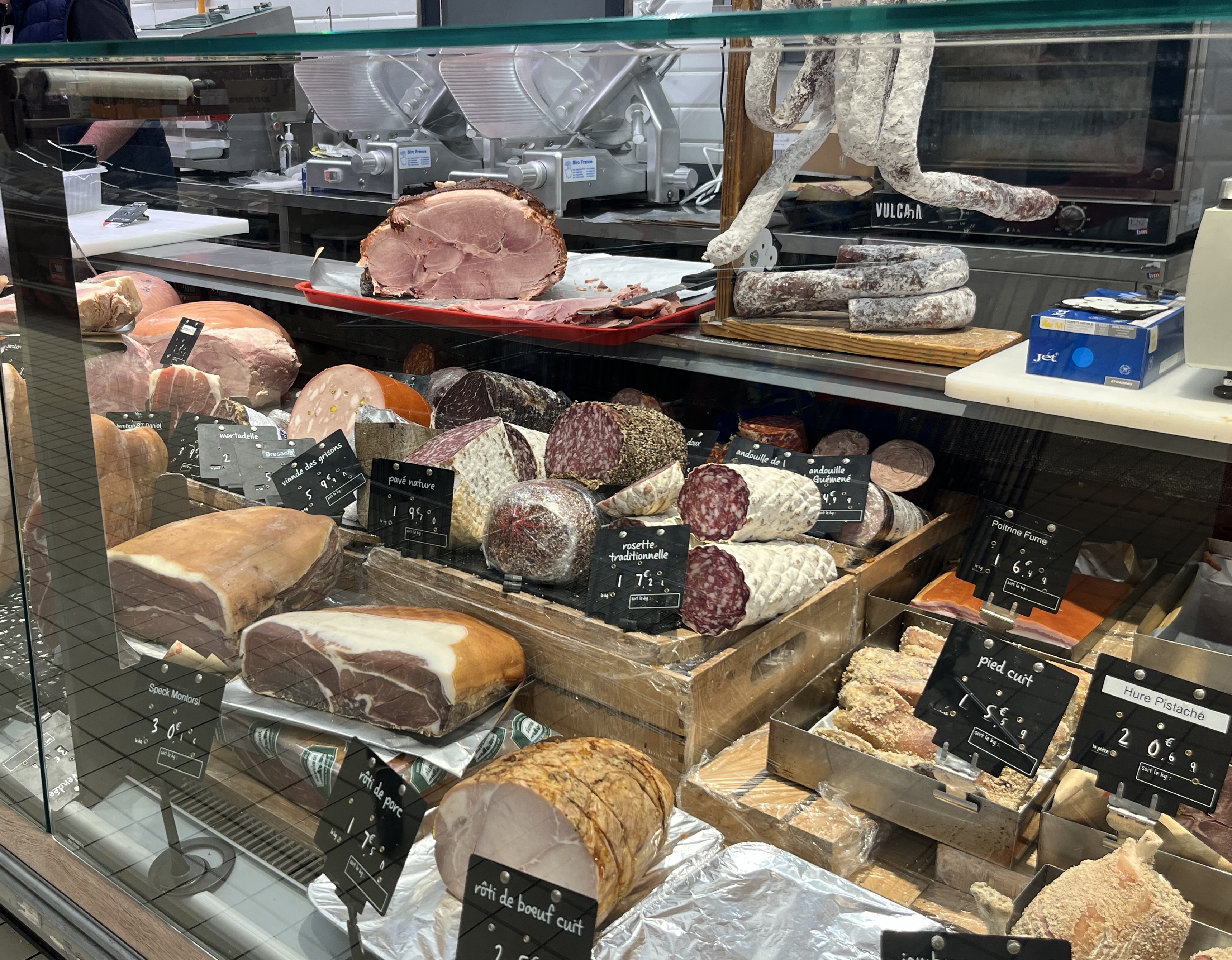
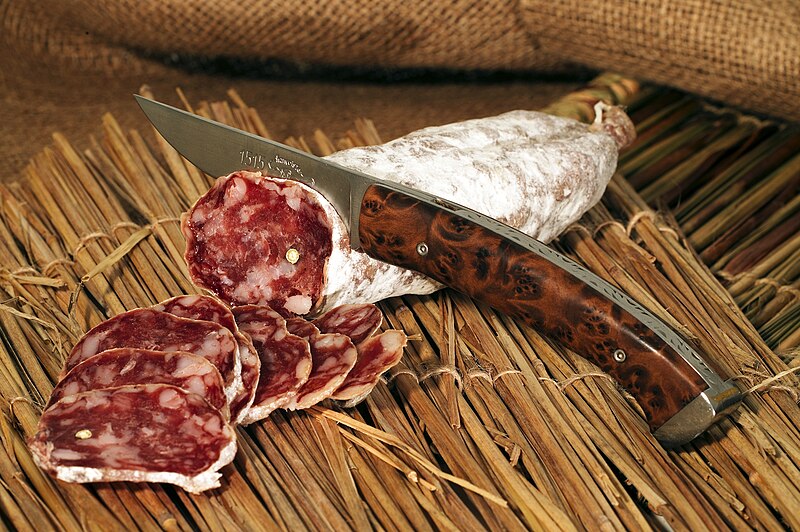
At the market, be sure to visit a charcuterie stall. You'll find a wide range of high-quality cured and prepared meats from many regions of France, many of which you won't find in supermarkets. Do try the saucisson. It's essentially dried pork, eaten with an apéritif, and just about every French person loves it. One taste and you'll want to take it home with you, but livestock products can't cross the border, so enjoy it to the fullest while you're in France.
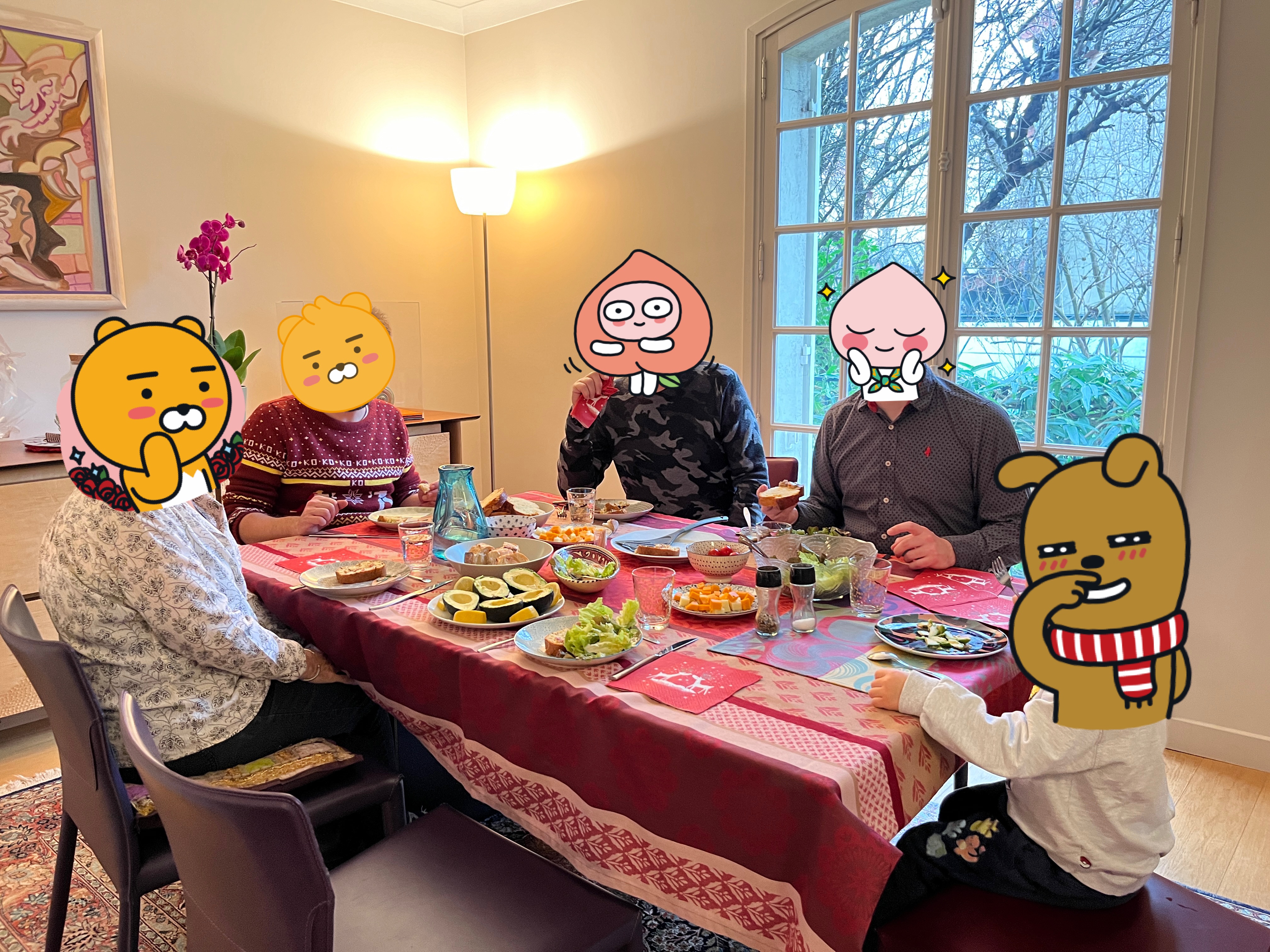
Finally, a follow-up to the earlier chapter on home cooking. Traditionally, the French gather the whole family at one table for long meals. That happens less often as life modernizes, but the weekend family meal is still a pillar of France's family-centered culture. It's usually a better, more special meal than usual, so many households head to the market early on weekend mornings for fresh, high-quality ingredients to cook lunch for everyone. The guide says she envies this. In busy modern life, even getting the family together for a meal can be hard, and when you do, home cooking takes so much work that eating out is the easier choice. In France, when family or close friends get together, people would rather spend a long time at the table at home. It's a warm and lovely sight.