Paris · Architecture
Champ de Mars and the Eiffel Tower at Night
Eiffel Tower · Paris, France
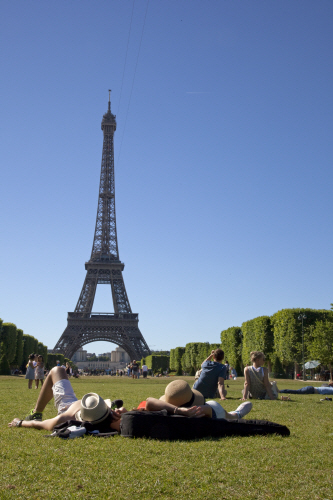
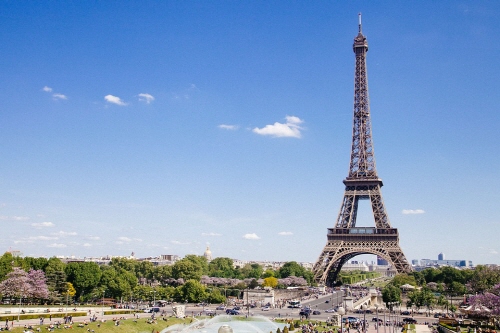
The Champ de Mars takes its name from Mars, the god of war in Greek mythology. This stretch of green between the Eiffel Tower and the military academy, the École Militaire, was once where French troops drilled. Here you can frame the whole tower with the park's green lawns, for a fresh, youthful look. Relaxed, easygoing shots suit it best. It's a famous picnic spot where Parisians stretch out with a baguette sandwich and an inexpensive bottle of supermarket wine to read, chat and spend an afternoon or weekend, and outdoor festivals are held here too.
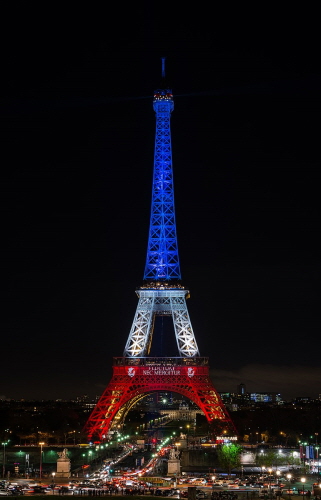
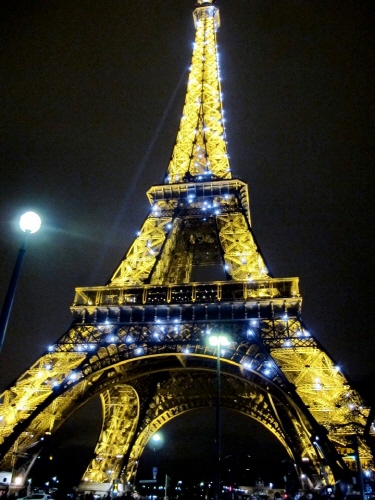
The Eiffel Tower at night has a completely different charm from the daytime tower. One of the best places to see it lit up is along the Seine, especially on a walk past the Musée d'Orsay with the tower in view. A Bateaux Mouches cruise on the Seine, with the tower sparkling overhead, is another good option. Boat tours play audio commentary, so if you'd rather not be interrupted, bring noise-canceling headphones or in-ear earphones.
The tower was first lit in 1958, using 1,290 projectors. On December 31, 1985, electrician and lighting engineer Pierre Bideau unveiled a new system with 336 projectors and yellow high-pressure sodium lamps. On December 31, 1999, to mark the new millennium, a lighthouse-style beacon was added to the top, rotating 360 degrees and shining up to 80 kilometers across the city. In 2004, sensor-operated 600-watt projectors that switch on over about ten minutes after sunset replaced the old bulbs, cutting power use by about 40%. Another 336 bulbs were replaced in 2007. The lighting is regularly inspected and replaced, to preserve the tower's beauty and keep nighttime operations safe.
The tower is lit from sunset until 1 a.m. (2 a.m. in summer), and every hour on the hour it puts on a five-minute show in which the lights sparkle as if the whole tower were shimmering. Twenty thousand bulbs, linked by 40 kilometers of cable, flash at once in a dazzling, breathtaking sight. Installing them took 25 professional climbers five months, along with 10,000 square meters of safety netting. Paris itself uses indirect lighting, so the city glows softly rather than glaring, which makes the tower's lights stand out even more after dark.
Normally the sparkle is a diamond-like white with no added color, but when France held the EU presidency, the tower glowed blue. The view is lovely from anywhere you can see the tower. You can watch from the Montparnasse Tower's observation deck, or get off at the Passy metro station and sit along the Seine's bank. Some people say the tower isn't so beautiful in the dead of night when the lights are fully off, but its dark, spiky-shadow look, asleep in the quiet night, has its own appeal. One thing to keep in mind: you can freely photograph the tower by day and post the pictures, but the night lighting is separately copyrighted, so while you can shoot it for yourself, you're supposed to state that it's not for commercial use when posting on a blog or personal site.
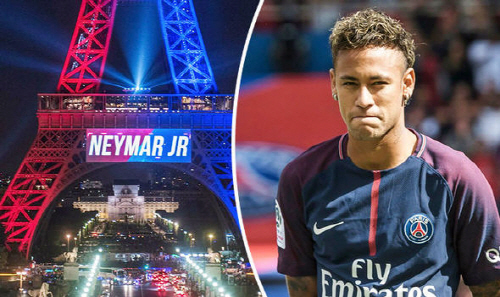
Occasionally the tower is lit in colors to mark special occasions. If you catch one, consider yourself lucky and don't pass it by. It glowed green and yellow when France hosted the 2007 Rugby World Cup. In 2017 it was lit in the blue and red of Paris Saint-Germain to welcome Neymar's transfer to the club.
Even the Eiffel Tower had a famous critic, ironically the writer Maupassant. He reportedly left Paris because he couldn't stand the tower, and explained why in La Vie errante, the book he wrote after traveling in Sicily. A famous story goes that while living in Paris, he always ate lunch in a restaurant inside the tower, because that was the one place he wouldn't have to see it. After he died he was buried in Montparnasse Cemetery, not far from the tower, where fortunately it can't be seen. His statue in Parc Monceau is also said to stand with its back to the tower.
Psychology even has a term, the "Eiffel Tower effect." It describes how repeated exposure to something over a long time naturally breeds affection, and it comes from the tower, which, after living alongside the city for so long, has become a symbol Parisians adore. It's impressive that the tower weathered so much opposition.
That's the end of the audio-guided tour route. Next come suggestions for a snapshot route you can do on your own.