Paris · Shopping
How Boucicaut Lured Shoppers Through the Doors
Paris · Paris, France
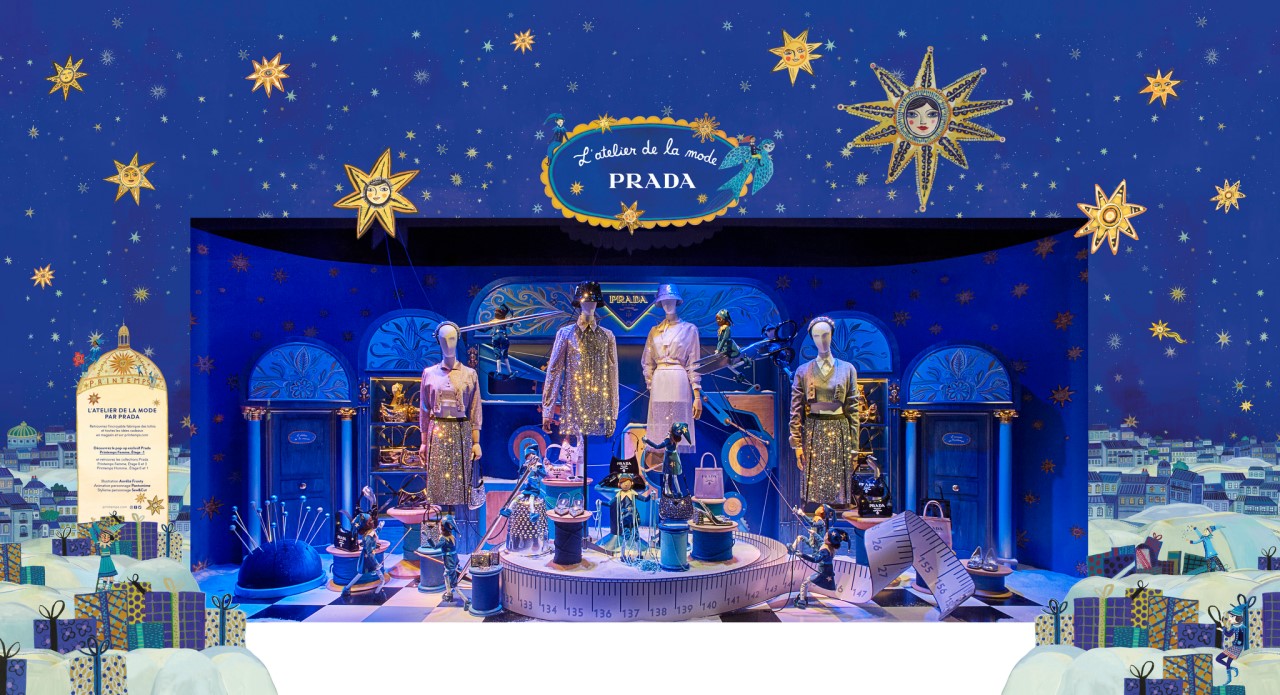
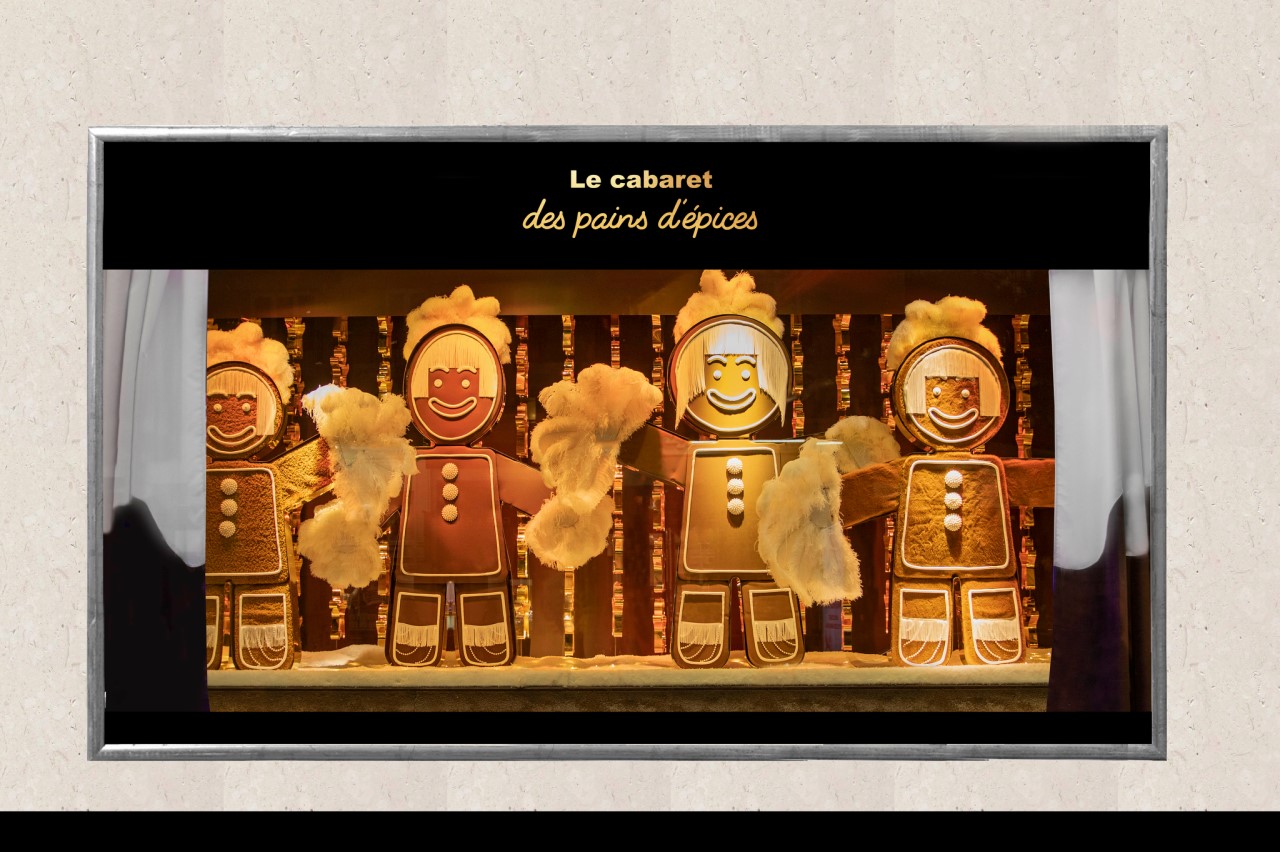
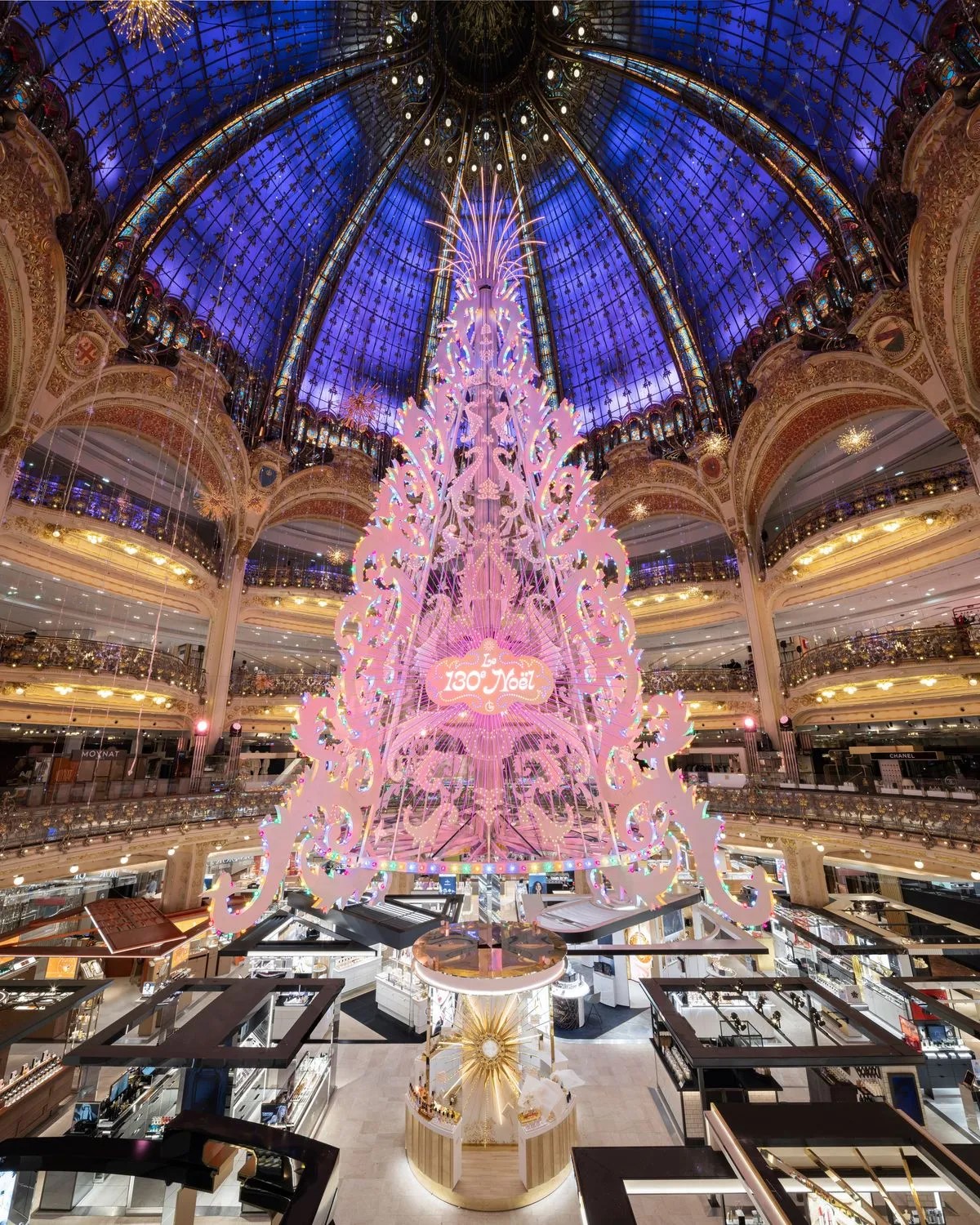
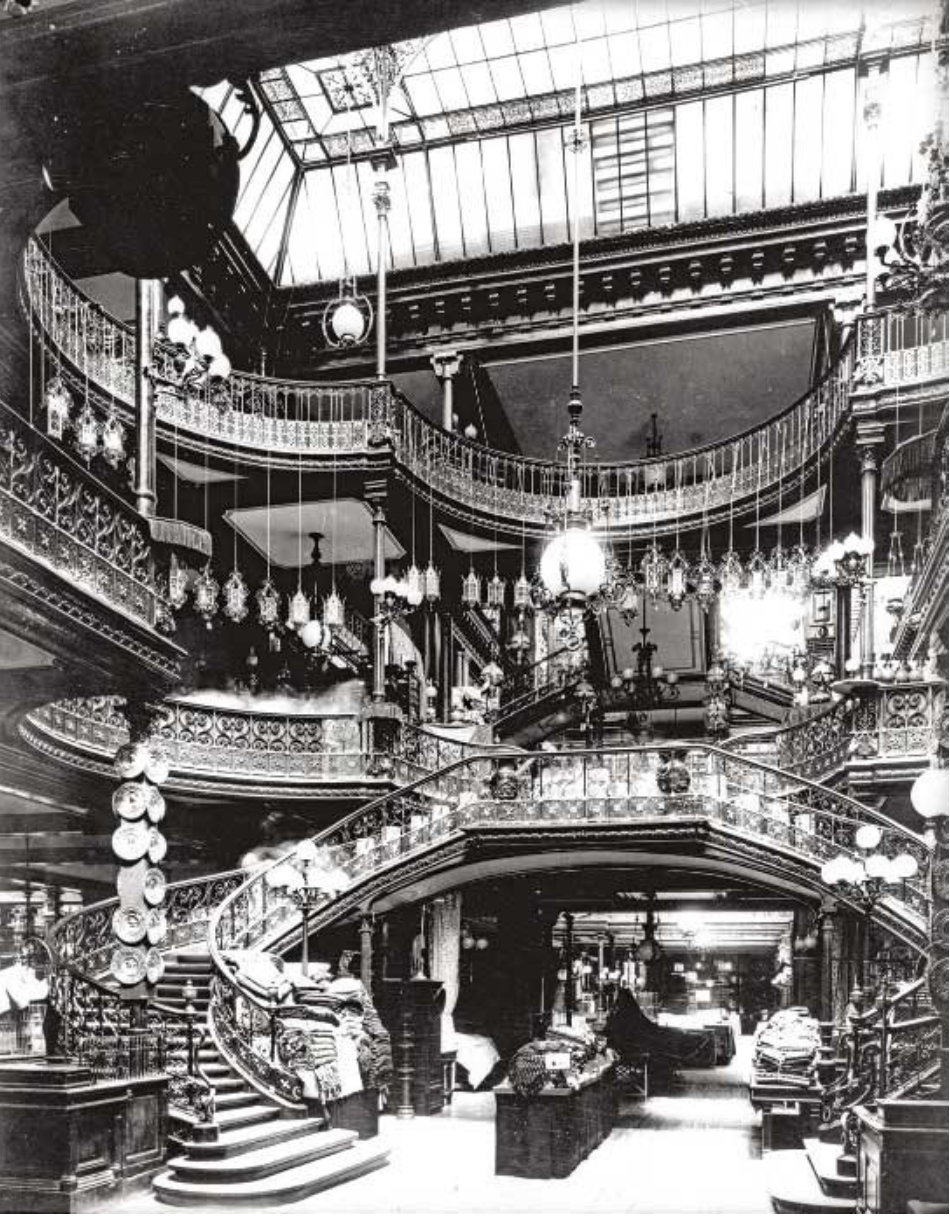
The heart of Boucicaut's approach was simple: above all, make the goods impossible to miss. A department store with a giant mannequin out front and display windows running along the building is still a familiar sight. Chances are you've recognized a department store that way, or wandered in out of curiosity. Boucicaut turned the store and everything in it into a "show," a spectacle.
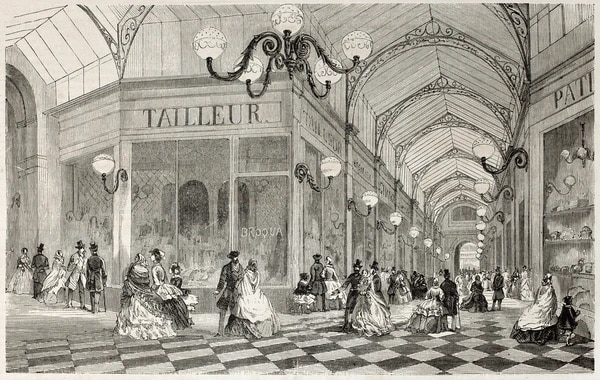
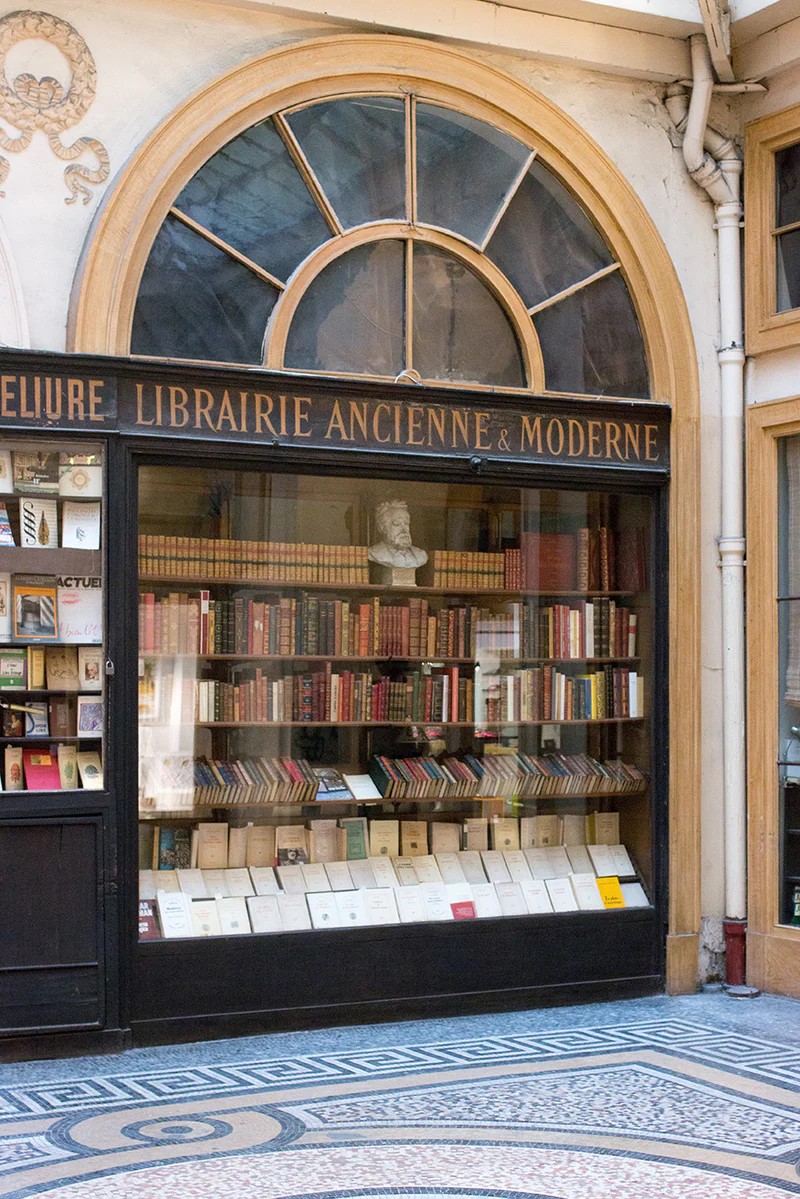
The first part of that spectacle was the display windows. Arcade shops and other fashion houses had shop windows too, but the windows of an expanded department store were on another level. Compared with those of the arcades, they were far grander and more eye-catching, and they stopped people walking the streets or riding omnibuses in their tracks.
Émile Zola's novel The Ladies' Paradise, set in the era when Paris's department stores were born, captures this: "She was lost in contemplation of the display piled high before the main entrance. Heaps of bargain goods were stopping passers-by in their tracks. Even little Pépé stared wide-eyed, absorbed." It gives a sense of what a shock these windows were to Parisians. The same technique worked inside, too: towering stacks of goods and displays, visible from the entrance, were enough to catch anyone walking by.
To turn a store into a stage, you need wide open space to show off the merchandise and plenty of light to illuminate it. For that, Boucicaut went to Gustave Eiffel - yes, the Eiffel of the Eiffel Tower. Iron framing made vast spaces and glass ceilings possible, and Eiffel was exactly the architect who knew how to use it. Boucicaut gave him the job of expanding Bon Marché, turning the store into a showplace that drew Parisians in.
Boucicaut made the department store less a place of commerce than a place of spectacle. But to turn that into sales, how did the interior he designed lead customers to buy? We'll look at that in the next chapter.