Paris · Palace & Rooms
Louis XVI, the Last King — The Fall of a Hundred Years of Absolute Monarchy
Palace of Versailles · Paris, France
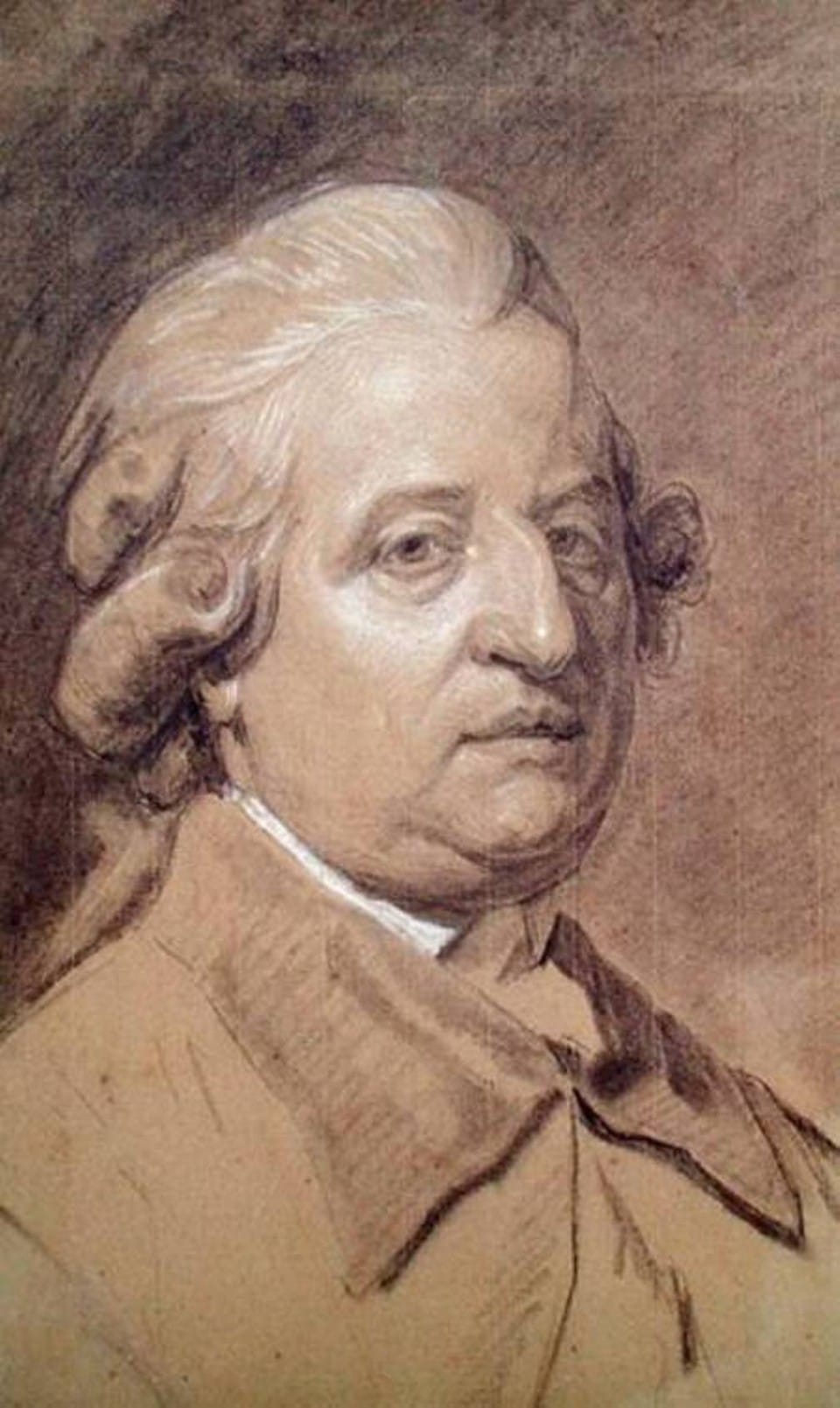
Louis XVI was the king under whom a hundred years of absolute monarchy at Versailles came crashing down. His portrait here shows him leaving the royal court at Versailles amid the Revolution, imprisoned in the Tower of the Temple. After the Revolution, the palace's furnishings were looted and its once-splendid rooms destroyed. The porcelain, columns, and wood paneling on the right-hand wall of this room are relics of former glory, salvaged from spaces that no longer exist.
The two paintings at the front of this room hint at why Versailles fell. They show white statuary and felled trees — a garden being redesigned. Early in Louis XVI's reign, the symmetrical French-style garden had come to seem artificial and fallen out of fashion, replaced by the more naturalistic English style, prompting this kind of makeover. Meanwhile, ordinary people couldn't even afford bread, while the royal family busied itself with garden design — a contrast that only deepened public fury. That anger, combined with a host of other factors, eventually erupted into the French Revolution, bringing down the royal court at Versailles.
The bust at the center of the room is Louis XVIII, Louis XVI's own brother, who took the throne after the Revolution had run its course. He accepted what the Revolution had accomplished, gave up absolute power, and pursued a more moderate style of rule.