Paris · Sculpture
Humanity Lost to Starvation: Ugolino
Musée Rodin · Paris, France
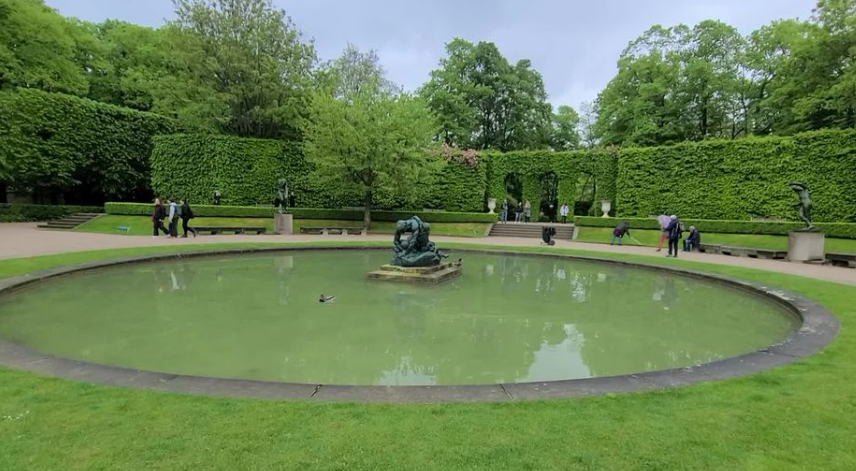
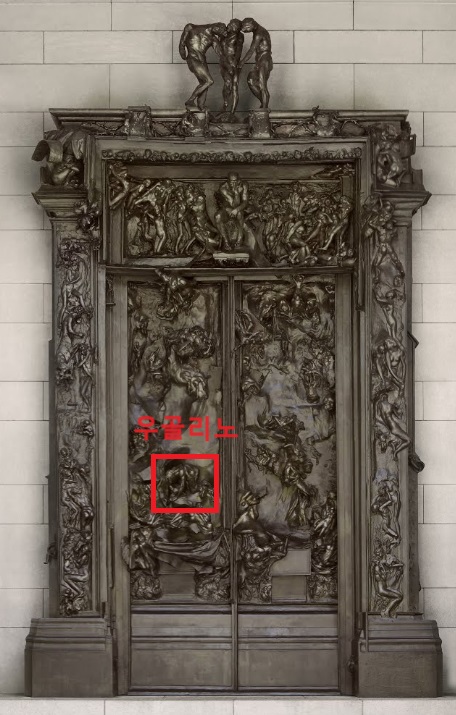
This sculpture is Ugolino, a piece from The Gates of Hell that Rodin later recreated as an independent, large-scale work.
The story comes from Dante's Divine Comedy. The figure it depicts, Ugolino, was a real nobleman from 13th-century Pisa. Italy at the time was torn between factions loyal to the Pope and those loyal to the Emperor; Ugolino, who had sided with the imperial faction, was captured by an archbishop loyal to the Pope and imprisoned in a tower along with his two sons and two grandsons. To starve them to death, the Pope's side nailed the door shut and withheld food entirely. After days without eating, Ugolino, driven mad with hunger, bit his own arm. Seeing this, his sons begged him to eat them instead — but no father could bring himself to do that. As the starvation dragged on, the children eventually died one by one, and Ugolino, the last one left alive, was finally overcome by hunger and ate the bodies of his dead children. When even that was gone, he too starved to death. Rodin drew on this tragic story to create this sculpture.
Look closely and you'll see Ugolino, reduced to skin and bone by starvation, reaching to devour his dead children. Rodin depicted him as a creature who had entirely lost his humanity in the face of extreme hunger — rendering him on all fours like an animal. Though the sculpture sits in the middle of a pond, making close inspection difficult, his mouth hangs half open and his face carries the look of a man who has lost his mind.
There's an interesting, and perhaps somewhat dangerous, anecdote behind this piece. Rodin always relied on live models to achieve lifelike realism, and this time was no exception — he sought out someone possessed of a similar madness and sculpted while observing them directly. Rodin reportedly described the man as "not human at all, but like a wolf." It's a story that suggests just how far his pursuit of realism could take him, even at the risk of putting himself in harm's way.