Paris · Sculpture
The Hand of God, or the Hand of the Sculptor? The Unexhibited Hand of God
Musée Rodin · Paris, France
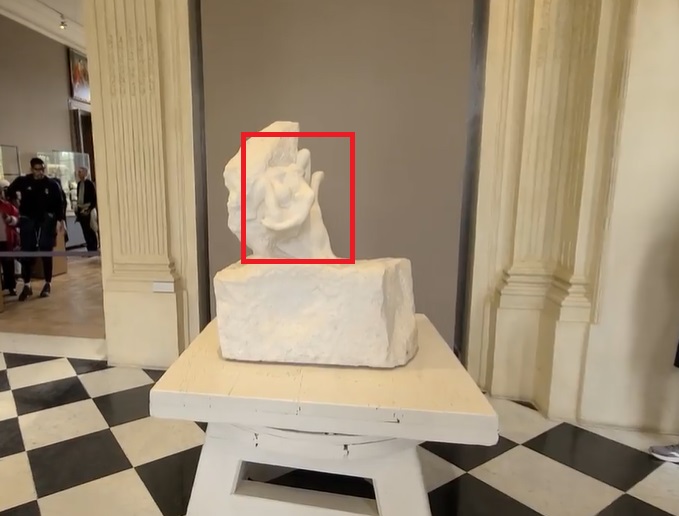
This sculpture is Rodin's Creation, better known as The Hand of God. A single hand emerges from a block of marble, shaping a lump of clay — and within that clay are the figures of a man and a woman, representing Adam and Eve. Because this is the hand that molded them, it came to be called the Hand of God.
But the hand carries another layer of symbolism: the sculptor's own hand. Rodin made this piece on the idea that a sculptor shaping clay into something new and God shaping humanity out of earth are, at their core, the same act. That's why this work was originally titled Creation rather than The Hand of God.
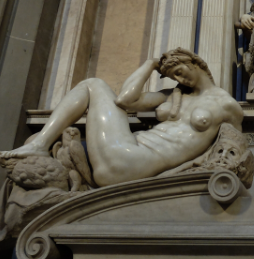
In making it, Rodin reused the sculpted right hand of Pierre de Wissant, one of the Burghers of Calais, and for the female figure, he drew on a Michelangelo work — Dawn, one of the sculptures adorning Giuliano de' Medici's tomb in Florence's Medici Chapel. You can see the similarity in pose between the two. This is characteristic of Rodin, who drew constant inspiration from ancient and Renaissance masterworks and folded it into his own creations.