Paris · Painting
Marie-Thérèse and a Secret Romance
Musée Picasso Paris · Paris, France
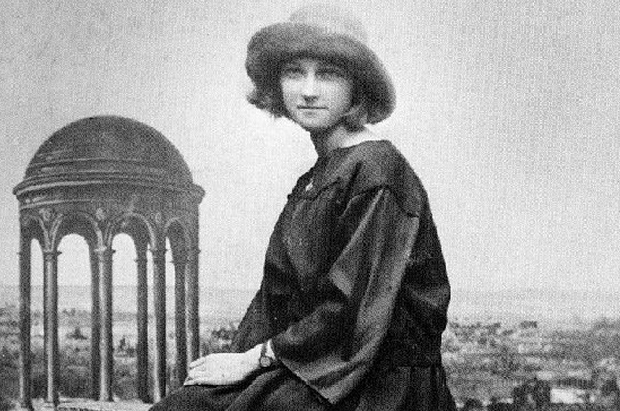
The model for *Buste de femme (Marie-Thérèse)* was Picasso's next lover, whom he saw in secret while still married to Olga and with a son, Paulo. When they met, Picasso was 46 and Marie-Thérèse was just 17. Worn down by Olga's extravagant habits, perhaps he was drawn to someone who was her opposite. Marie-Thérèse was beautiful, loved sports such as swimming, glowed with health, and had the open innocence of her age. Picasso was famous enough by then that many people recognized his name, but she knew next to nothing about art and reportedly had little idea he was a great painter.
Years later, in a 1968 article, she recalled their first meeting: "I was 17 when I met Picasso. I was naive and a tomboy, and I knew nothing about life or about Picasso. I had gone shopping at Galeries Lafayette, and Picasso saw me stepping off the metro. He grabbed my arm and said, 'I am Picasso. You and I are going to do great things together.'" It's a glimpse of both his self-assurance and her innocence. At first she turned down the older painter's advances, but after talking with him a few times and seeing his work, she gradually warmed to him and accepted him about six months later. On her 18th birthday, the day she came of age, Picasso reportedly found her a small place to live.
Many busts and paintings of Marie-Thérèse survive, and the best known is *The Dream*. With her head drooping and her eyes closed in comfortable repose as she sits in a chair, the painting hints at how Picasso saw her. She was, by all accounts, very gentle and compliant. At first they met in absolute secrecy. Although she knew Picasso was already married, she accepted his invitation to meet again, and told her family she was off to see a friend. All of this comes from her own interviews. When the affair eventually came out, the fiercely jealous Olga flew into a rage and kept shouting at Picasso. Because Olga refused to divorce him, Picasso and Olga went on living together even after she learned about Marie-Thérèse.
One more work from this period has a hidden story: *Ball Players on the Beach*, now in the Musée Picasso in Paris and on view on the second floor. In the summer of 1928, when it was painted, Picasso was on holiday with Olga in Dinard, on the Brittany coast. At the same time, he secretly brought Marie-Thérèse along and set up a beach hut as a place to meet her, and the painting is said to depict the situation quite directly. A woman playing with a decorated flower races joyfully along the shore, while the man at the center juggles a different ball outside a nearby hut. That hut is where Marie-Thérèse was. Picasso's work is often called diary-like or autobiographical because he so freely wove his private life into it. Other artists, such as Henri Matisse, tended to keep life and work apart; Picasso did not.
The love triangle ended when Marie-Thérèse became pregnant with Picasso's child. Their daughter Maya was his second child, and the doting father painted her many times. But even as he enjoyed life with his gentle partner and adorable daughter, Picasso met someone else. Perhaps Marie-Thérèse, young and pretty as she was, had begun to seem too obedient and innocent. He found himself drawn to a more intellectual, sharper woman with strong opinions of her own, and we'll meet her at the next work.