Paris · City Walks
Walking Paris Through Les Misérables
Paris · Paris, France
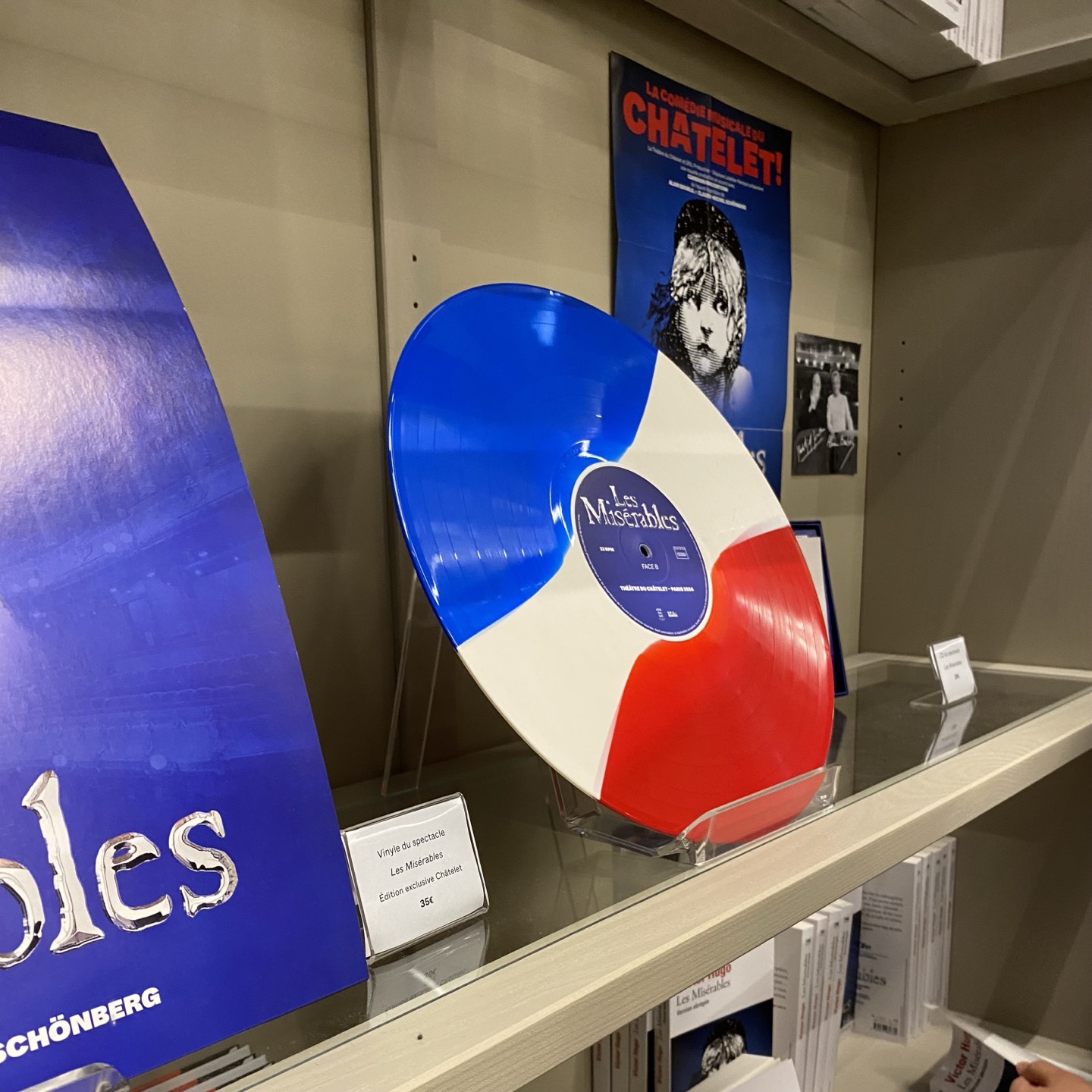
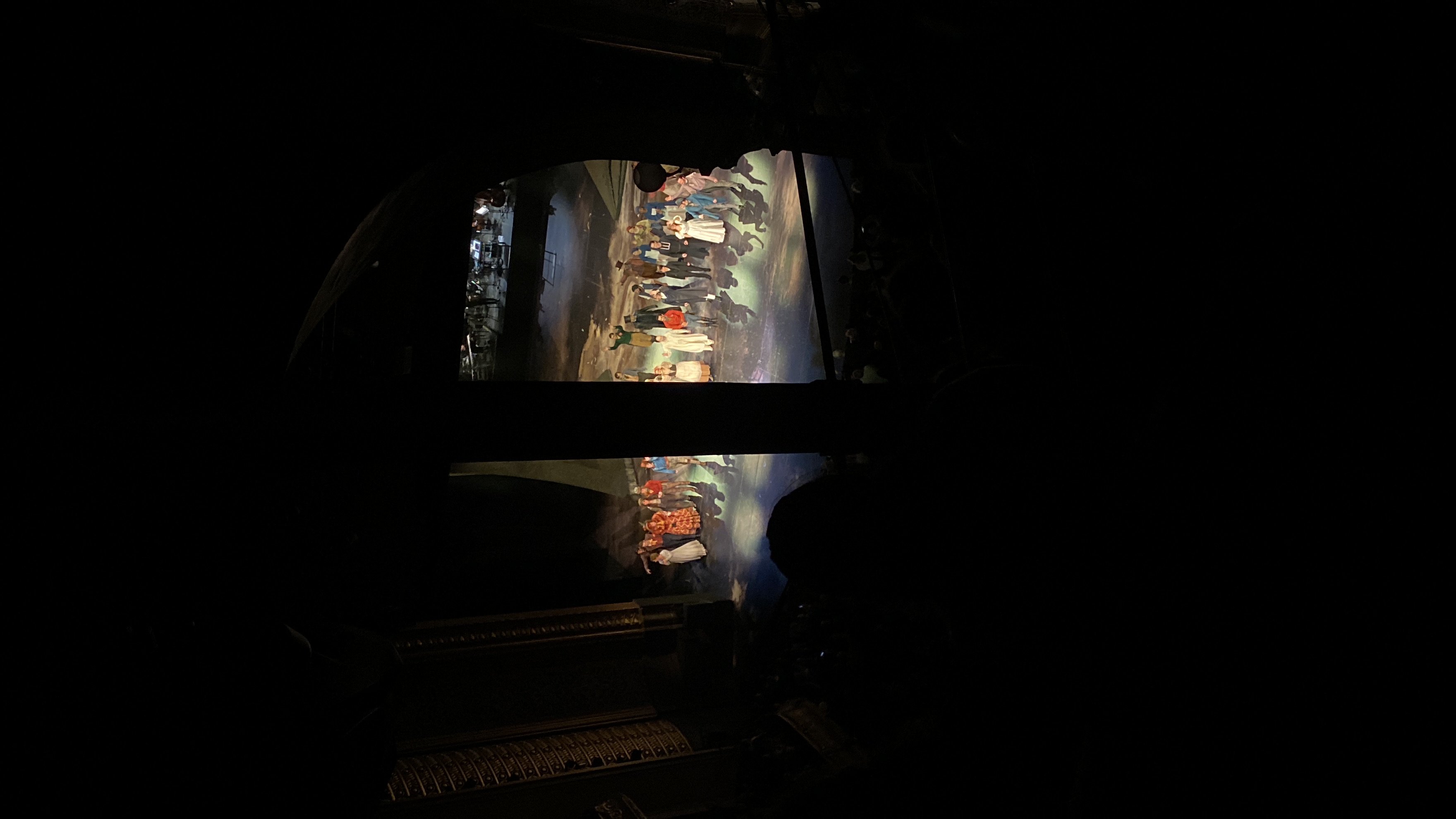
Victor Hugo's timeless masterpiece, also beloved as a stage musical: Les Misérables. The title is French for "the poor, the wretched," and the novel captures the suffering of people crushed by extreme poverty and the dignity that survives it. One of the musical's best-known songs is a rallying cry in which angry people vow never to live as slaves again and dream of a brighter tomorrow.
The story is set against the June Rebellion of 1832. Many people assume it's about the French Revolution of 1789, but it actually takes place 43 years later. Led by students and workers, this small-scale uprising broke out during an economic crisis, as the gap between rich and poor kept widening. It was sparked by the death of General Lamarque, a progressive politician who had given ordinary people hope.
The "miserable ones" of the title include Jean Valjean, Javert, Marius, and Cosette. Valjean is an icon of justice, sacrifice, and redemption: he spends more than a decade in prison for stealing a loaf of bread for his starving nephews and nieces, then changes his name and lives a good life through forgiveness and transformation. Javert, an icy police inspector with blind faith in the law, believes that once a criminal, always a criminal, and pursues Valjean to the end. Marius is an idealistic young man ready to give everything for a better society. Cosette, exploited and oppressed as a child, faces the world with love and hope under Valjean's protection, and dreams of a better future with Marius.
The musical premiered in Paris in September 1980. Five years later, British producer Cameron Mackintosh, also famous for Cats, staged an English-language adaptation in London, and the show became an enduring favorite. Even people who rarely see theater will recognize much of the music. A film adaptation starring Hugh Jackman and Anne Hathaway followed in 2012.
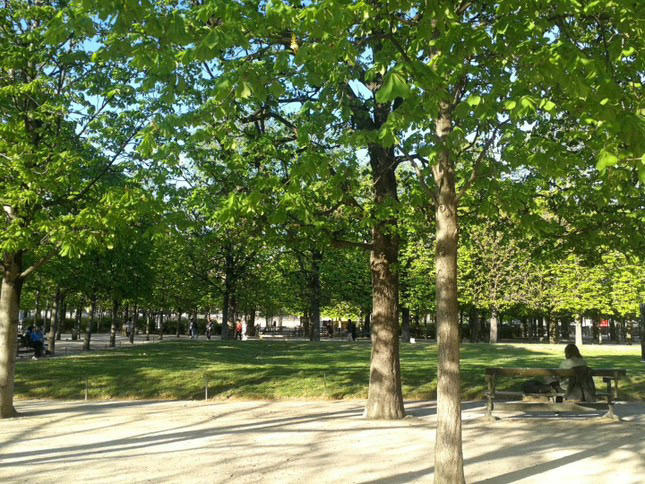
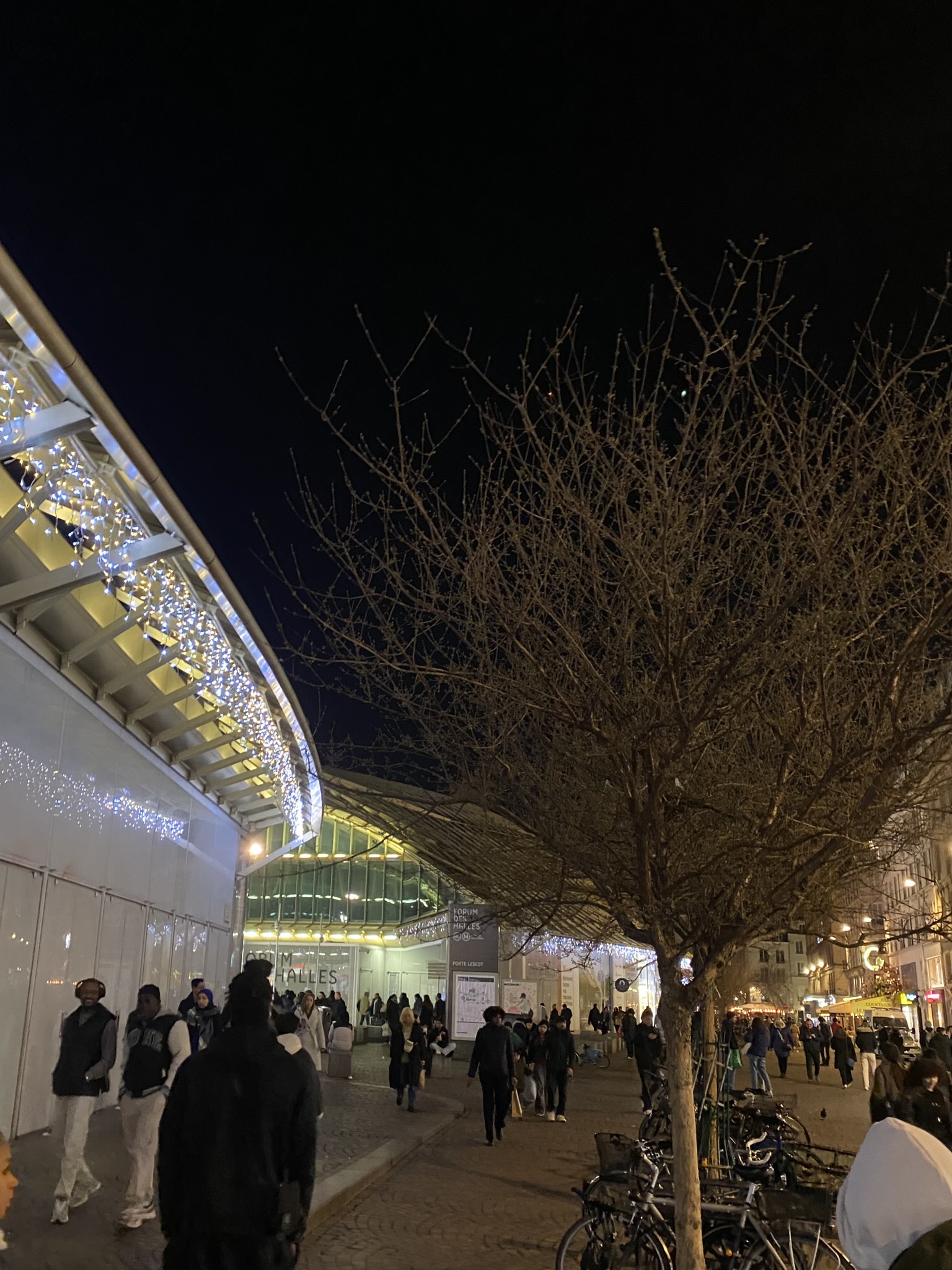
Now let's head to the real Paris behind the story, beginning at the Tuileries Garden. On June 5, 1832, on a sunny day, Hugo, then a young writer in his thirties, was sitting on a bench here, writing. Suddenly he heard gunshots, and instead of going home he headed toward the sound, in the direction of Les Halles. Hemmed in by barricades and unable to move either way, he managed to take cover between pillars as gunfire flew from both sides. About ten years later he began writing a novel based on that experience, and after some twenty years of work, Les Misérables was published in 1862, shining a new light on a June uprising that might otherwise have been lost to history.
Today's Les Halles is a stylish, lively hub of shopping and culture. In Hugo's day, it was a crowded, bustling market filled with vendors' shouts, hoofbeats, and the smell of food, a place where everyday Parisian life played out in the open. It was also where the revolutionaries' cry of "To the barricades!" rang out. The word "barricade" is French (barricade), derived from "barrique," meaning oak barrel. Barrels were easy to move, but during the revolutionary period after the Restoration, resources were scarce, and people reportedly began building barricades from furniture such as chairs and tables instead of costly barrels. The musical stages street fighting with a rough pile of chairs and cartwheels topped by a waving red flag, conveying the tension and energy of revolt.
Near Les Halles stood the hideout of the Friends of the ABC, the secret society that Marius and Enjolras belonged to and that led the uprising. ABC is pronounced "ah-bay-say" in French, which sounds like "abaissé," meaning "the lowly," so the group's name amounts to "friends of the lowly." In the "ABC Café / Red and Black" scene in Act I, the young men gather and pledge that their own lives matter less than the fight for the world; red stands for the blood of angry people, black for the dark past.
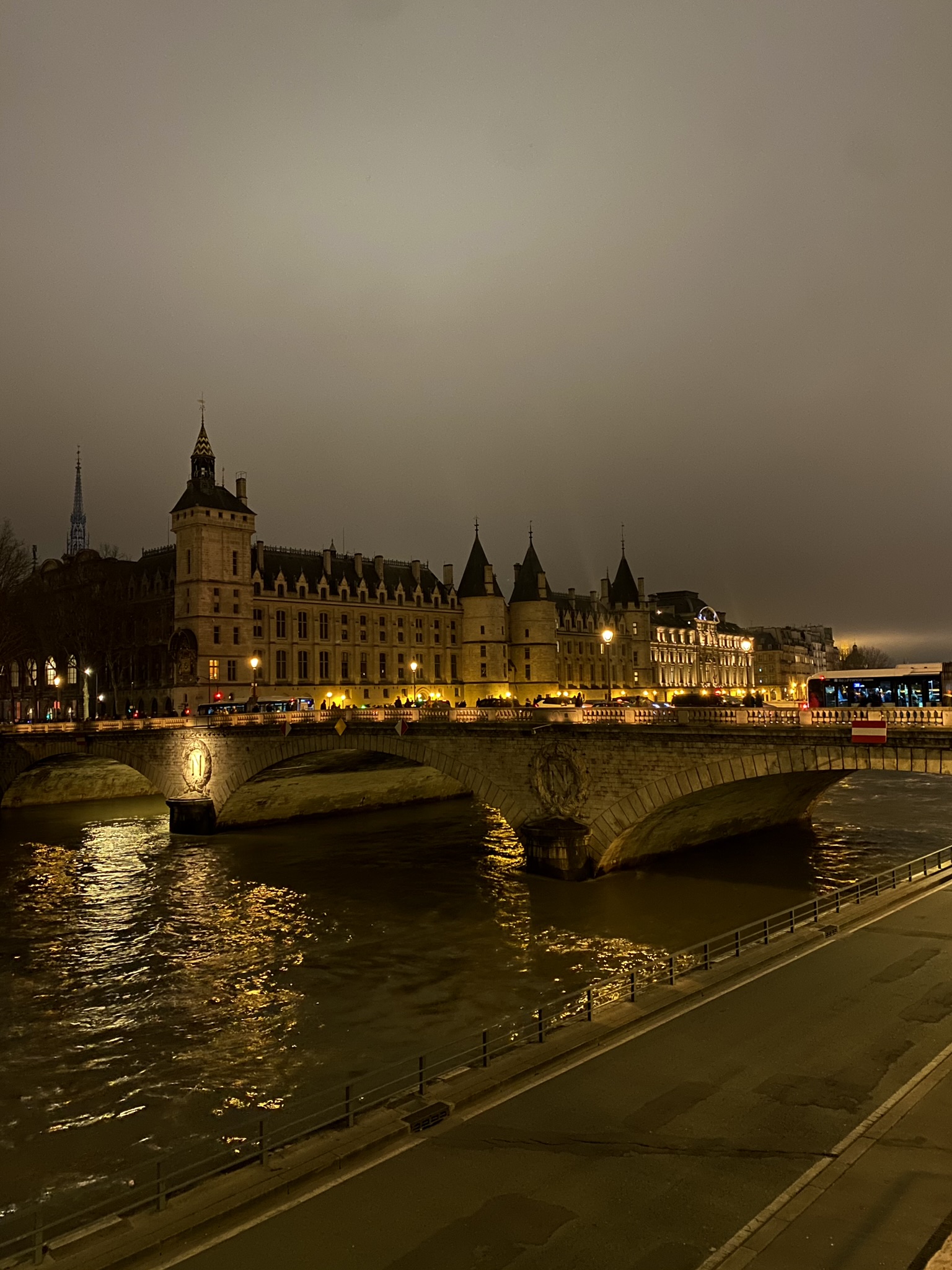
The Île de la Cité is a small island in the middle of the Seine. Besides Notre-Dame Cathedral, it is home to the Palais de Justice, the seat of the French judiciary, and the Conciergerie, a former prison where Marie Antoinette was held. During the uprising, Javert's life is spared by his enemy Valjean, which shatters the convictions he has held all his life, and he ultimately takes his own life. That conflict plays out around the island.
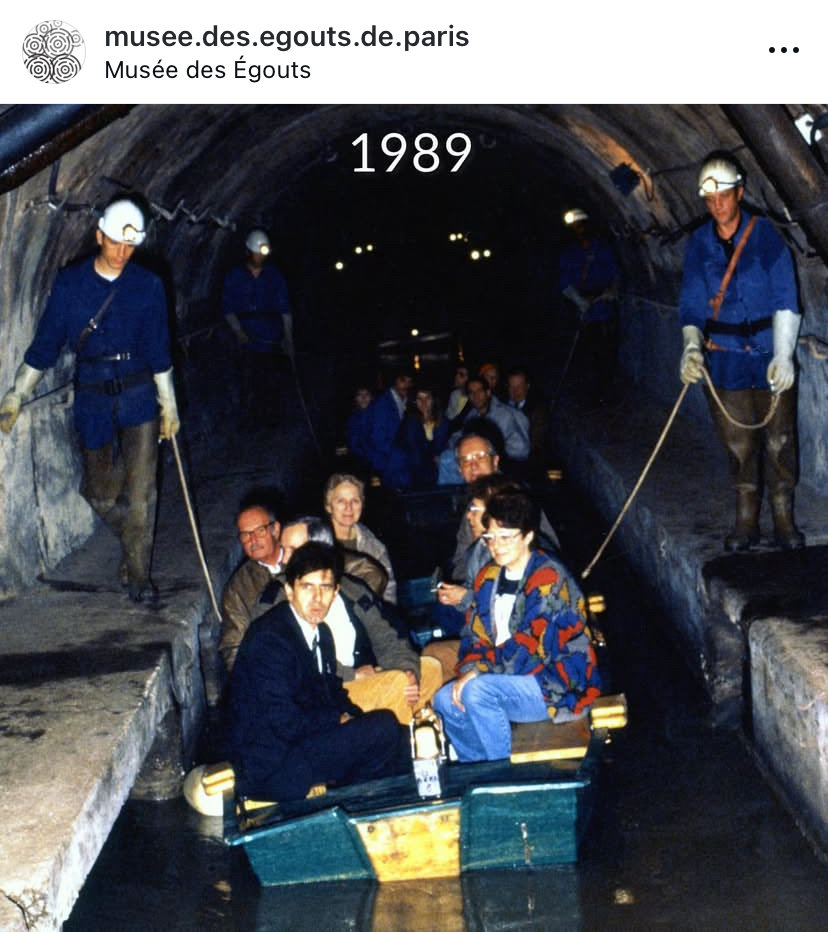
During the street fighting, a badly wounded and unconscious Marius is carried on Valjean's shoulders through the sewers to safety. The sewers are known as "the Paris beneath Paris," because the streets underground carry the same names as those above, mirroring the city like a reflection or shadow. Their narrow, dark, foul-smelling passages seem to symbolize the injustice and oppression of the age, and those who grow rich by exploiting the weak. The sewers also inspired other works: the underground world where the Phantom leads Christine in Gaston Leroux's The Phantom of the Opera is said to draw on them too. Once a symbol of hidden danger and filth, Paris's sewers are now regarded as vital infrastructure and a piece of the city's heritage.
The Paris Sewer Museum stands by the Seine near the Eiffel Tower. It may sound surprising, but the sewers have long been a tourist attraction; in Hugo's day, visitors could tour them by boat or small carriage. That's no longer possible, but inside the museum you can walk along the sewer tunnels and learn how they were built and how they work. Bring a jacket and a mask: it's chilly underground, and yes, it smells like a sewer.
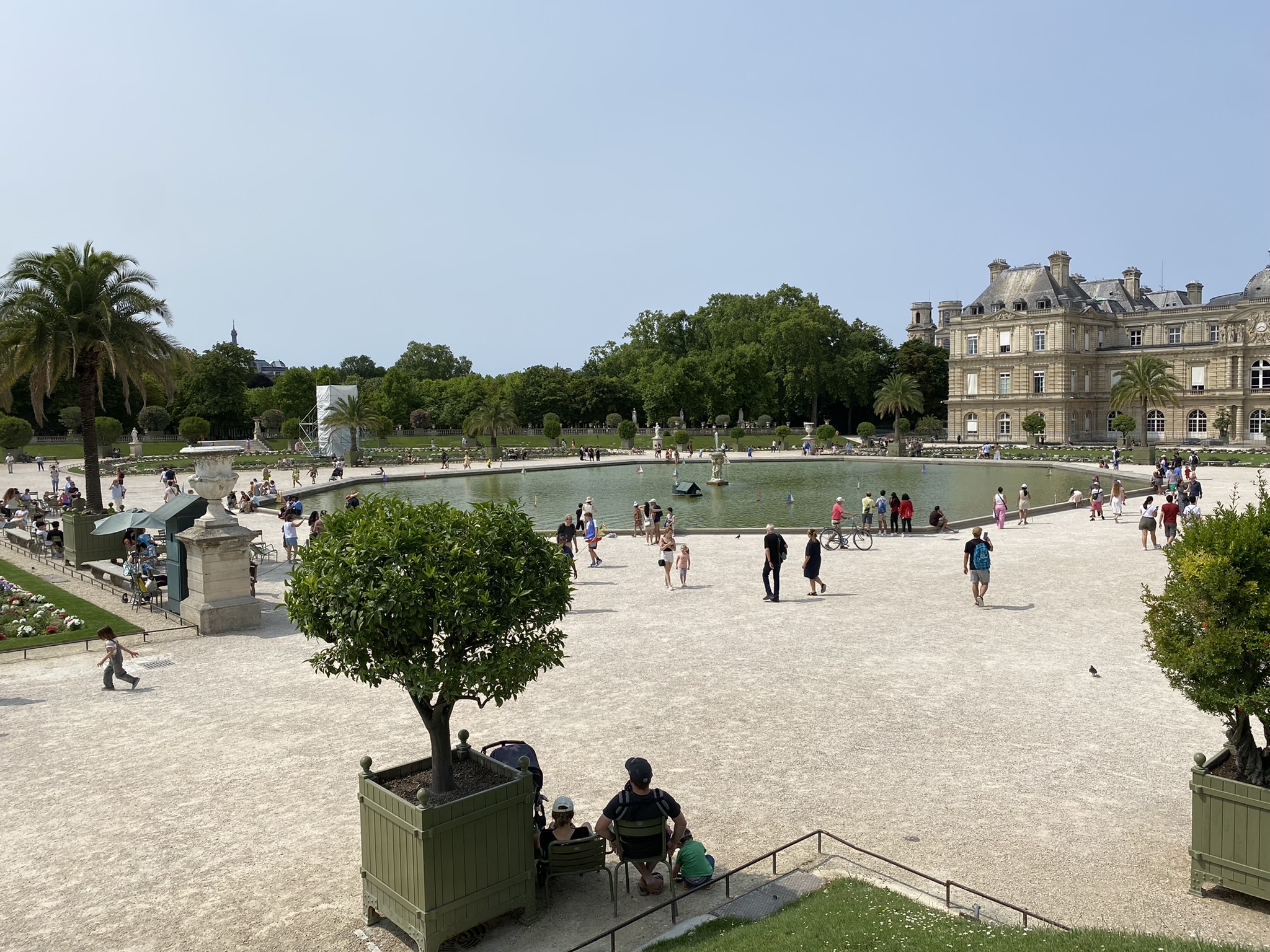
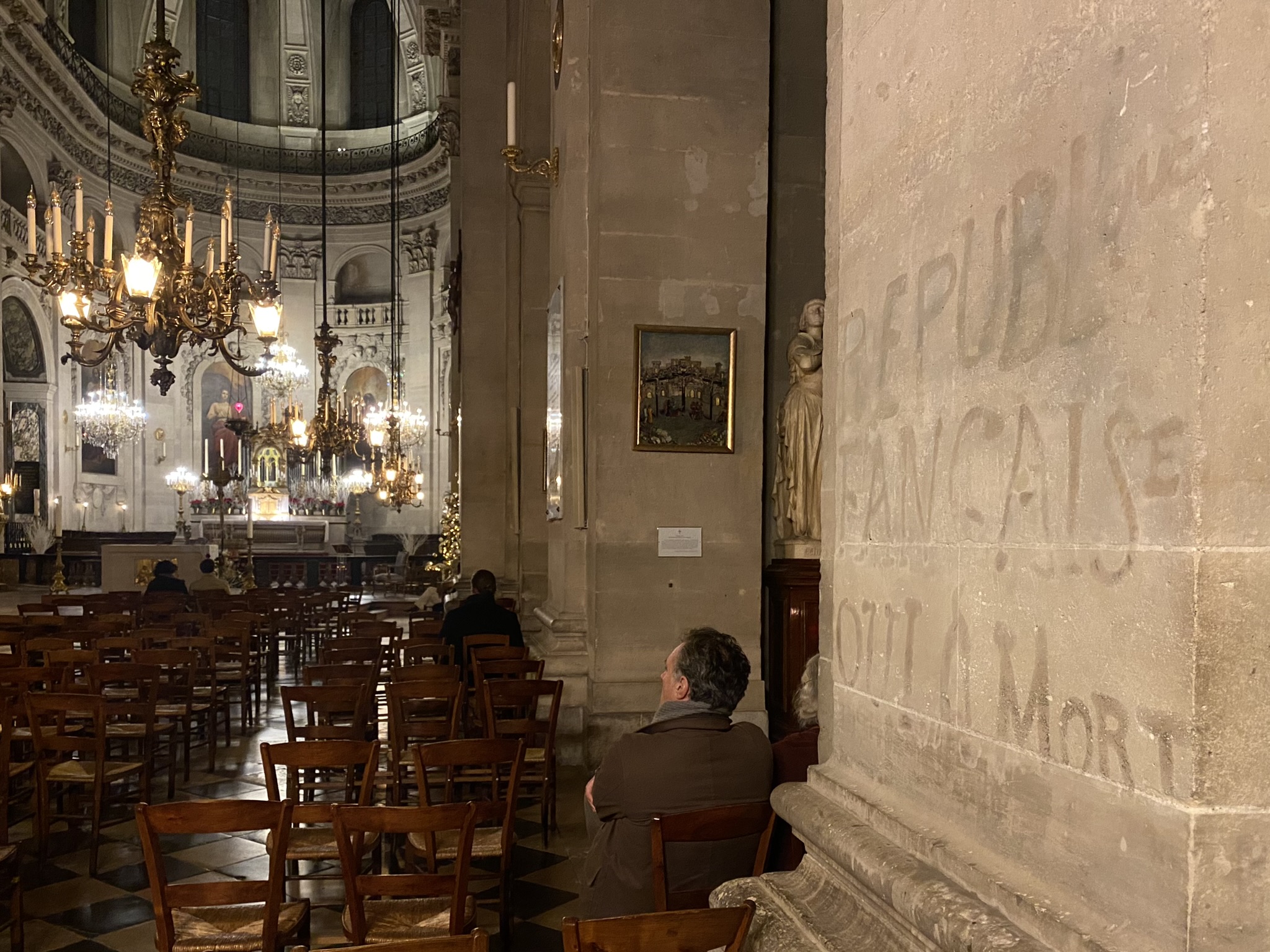
To finish, two more places tied to the love story of Cosette and Marius. Valjean's adopted daughter Cosette often strolled with him in the Jardin du Luxembourg, where Marius happens to see her for the first time, and they fall in love at once. They later marry in the beautiful Baroque church of Saint-Paul-Saint-Louis. Hugo seems to have loved the church: his own daughter was actually married there, and the holy water font he donated is still in place.
At the musical at the Théâtre du Châtelet in Paris, you can see audience members of every nationality wiping away tears. The show's lasting grip on hearts seems to come from the universality of Hugo's characters. People who rise up against oppression and fight for their values and beliefs will keep stirring us for as long as we live.