Paris · City Walks
French Dining Etiquette Worth Knowing
Paris · Paris, France


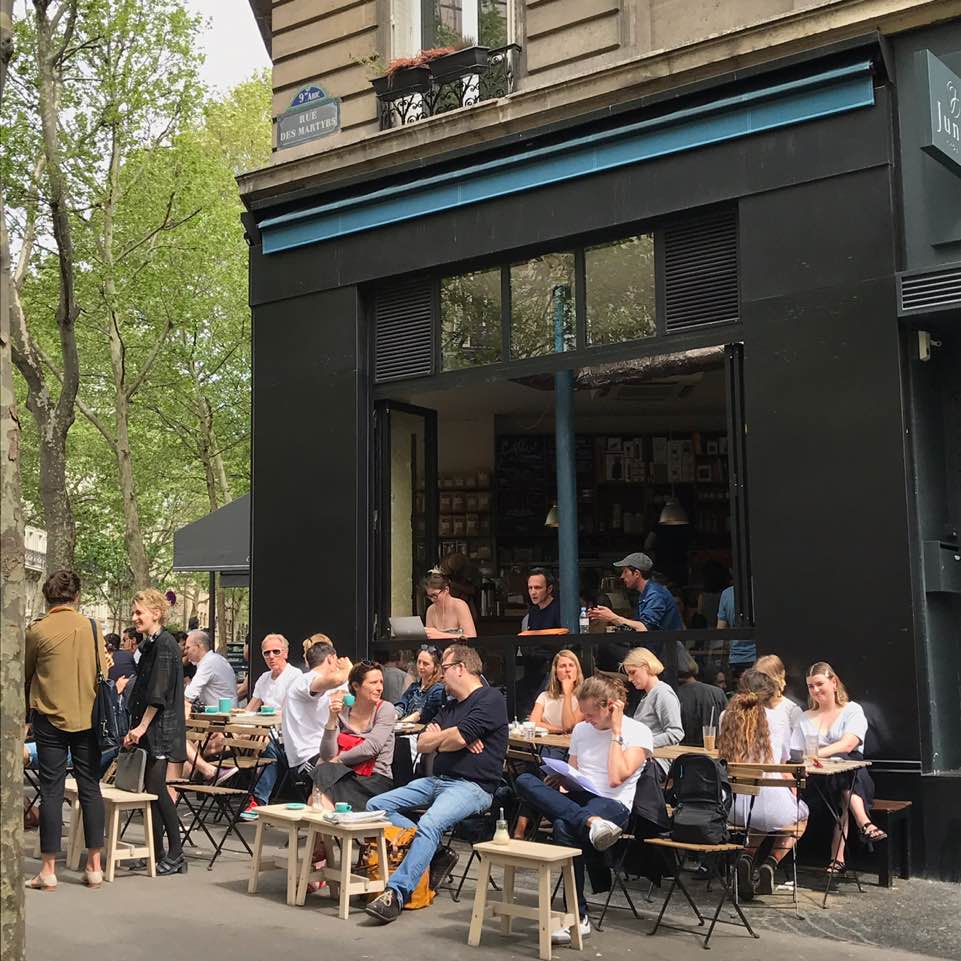
A French restaurant can feel frustratingly slow at first. Taking your order takes a while, the food takes a while, and even paying takes a while. Your guide figures on at least 20 minutes from asking for the bill to actually settling up at restaurants where you pay at the table, and most places work that way rather than at a counter. When you walk in, wait at the door to be seated: staff will ask how many people are in your party and show you to a table. French etiquette also considers it rude to call a server loudly or wave a hand high in the air. Catch their eye or simply wait, though if it's taking far too long, a slightly raised hand is fine.
The French also dine at length. A meal is time for conversation, and savoring a carefully made dish slowly is considered a courtesy to the chef. It may feel slow if you are used to quick meals, but since you're in France, it's worth enjoying a leisurely meal at least once.
Next, apéritif culture, or "apéro" for short. It's essentially a pre-dinner drink. Before dinner, the French often have a glass of whisky, martini, wine or beer along with nibbles such as peanuts, chips or olives. People usually clink glasses first, and in France you must look the other person in the eye when you toast. Say "santé" or "chin-chin" as you clink. Apéro whets the appetite, but its original purpose is said to be breaking the ice and setting a good mood. The word "apéritif" comes from Latin, where it originally meant "to open," perhaps hinting that it opens up both the mood and the appetite. Its opposite is the digestif, a strong drink after the meal meant to aid digestion.
France also has some fun table superstitions. First, spilling the salt shaker onto the floor is said to bring bad luck. In the Middle Ages, salt was used to ward off curses and bad fortune, and it also symbolized friendship and welcome. Second, never turn bread upside down on the table. The story goes that in medieval times, bakers flipped the executioner's loaf over to tell it apart from everyone else's, so an upside-down loaf came to stand for death. Finally, in the West, the number 13 is considered unlucky, so having 13 people at one table is thought to bring misfortune, and the French avoid inviting 13 guests to their homes. A superstition is only a superstition, so take it all as fun trivia. We hope this helped you understand French culture a little better.