Paris · Architecture
Victor Hugo: The Man Behind Les Misérables and Notre-Dame
Paris · Paris, France
Victor Hugo, France's great man of letters, is best known for Les Misérables and Notre-Dame de Paris, stories that have been adapted for the stage, film and musical theater. You'll find traces of him all over Paris.
■ A writer's life Hugo's father was a general in Napoleon's army, and the family moved often during his childhood, which exposed him to many different cultures. His literary talent showed early, and he won a literary prize at 15. In his own lifetime, he was already regarded as a symbol of French literature and a national writer.
He was also a political figure. He began as a supporter of the restored monarchy but later became a republican, and his criticism of Napoleon III sent him into exile. Some of his greatest works came out of that period, which may be fortunate for readers. That's why his books carry not only political voices but also social issues such as the death penalty and relief for the poor.
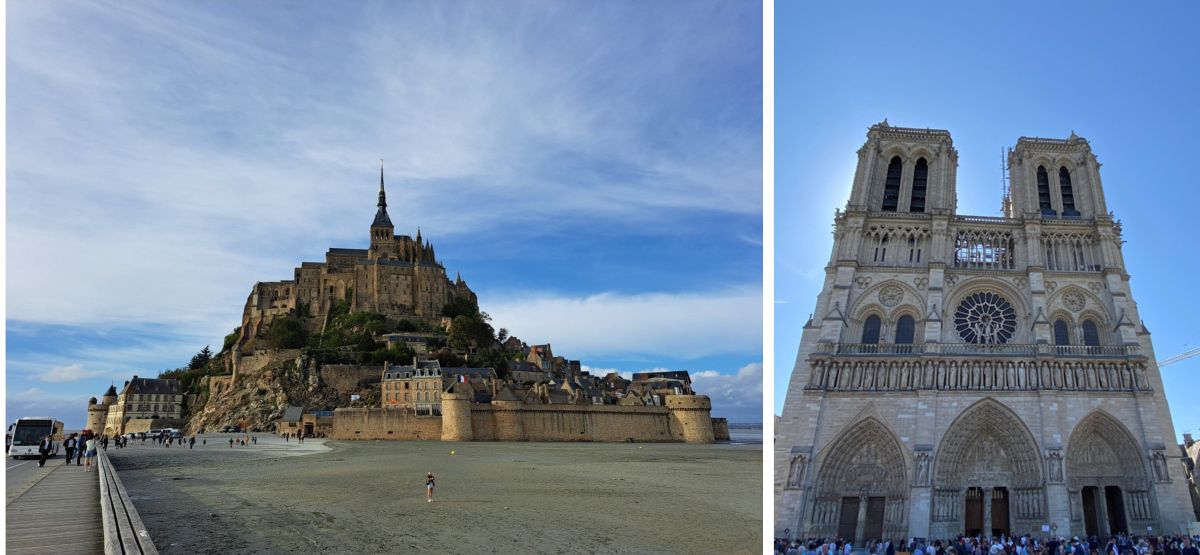
■ What he saved Hugo also spoke out for the protection of Mont-Saint-Michel and Notre-Dame. After the Revolution, both had been damaged and neglected. He saw them as masterpieces of medieval French religious architecture and symbols of French history and identity, and he argued that they should be restored and protected. It's a sobering thought that without Hugo, these two beautiful places might be gone.
■ Hugo on stage Les Misérables and Notre-Dame de Paris are both beloved as musicals.
Les Misérables follows Jean Valjean, an ex-convict trying to build a new life. It's loved for its range of characters and evolving psychology, touching on love and sacrifice, prejudice and forgiveness, and a popular uprising. It's often mistaken for a story of the French Revolution, but it is set in a later uprising. It premiered in Paris, but the version most familiar to us is the later English-language production in London's West End. Its signature song is "Do You Hear the People Sing?"
Notre-Dame de Paris tells of the love and conflict among Quasimodo, the bell ringer of Notre-Dame, Esmeralda, a Roma woman, and Frollo, a priest. Alongside Les Misérables, it ranks among Paris's best-loved musicals. Numbers such as "Le Temps des cathédrales" are famous, and the show is known for its bold colors and near-acrobatic performances. It premiered in Paris and has since been performed in many languages, and it has a devoted following around the world.
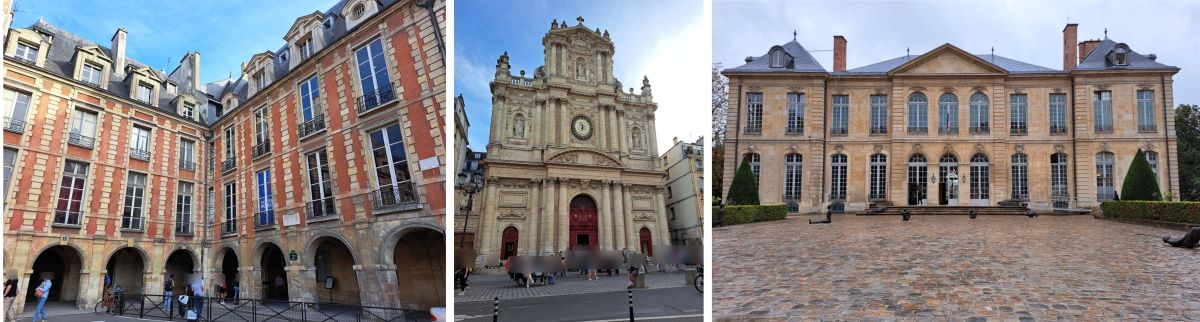
■ Following Hugo through Paris The house where Hugo lived is the Maison de Victor Hugo, right next to the Hôtel de Sully on the Place des Vosges. Today it is a museum displaying his manuscripts, drawings and furniture. He lived here when he was deeply involved in politics and social issues, so it helps in understanding how he viewed major changes such as the French Revolution. He left a great mark on French literature but was just as talented as an artist, and here you can see his drawings up close.
The church of Saint-Paul-Saint-Louis is where Hugo worshipped during his lifetime, and his daughter was reportedly baptized there. It is better known for a painting by Delacroix. Its imposing, ornate exterior and delicate interior decoration and stained glass make it well worth a visit. Special concerts are held there, and it is especially famous for its organ, so if you hear organ music as you walk past, stop for a moment.
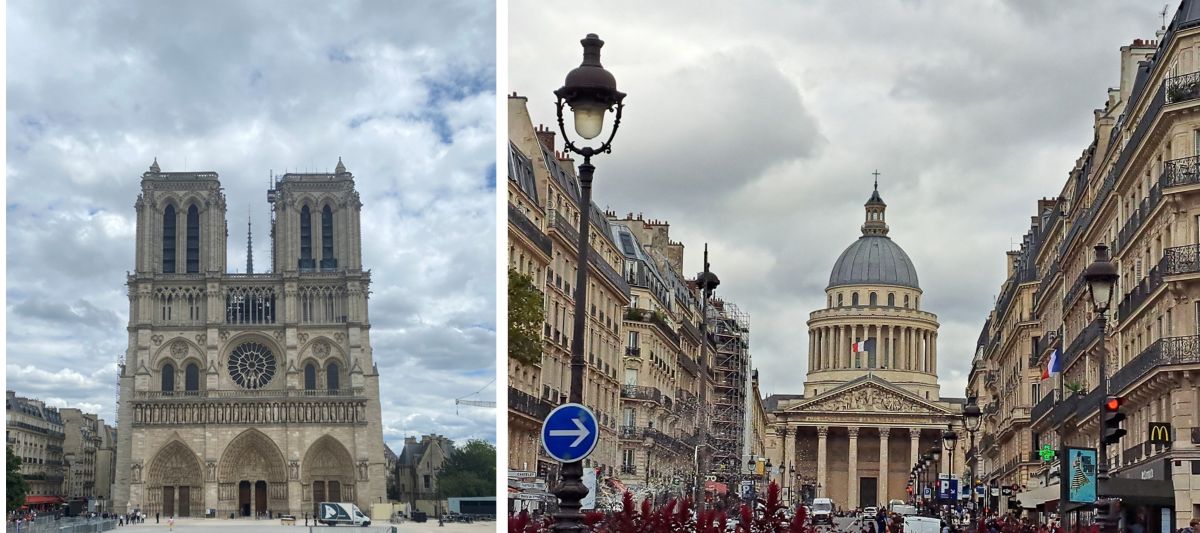
The story of Notre-Dame, saved through Hugo's writing and efforts, comes at the end of the tour. Hugo's tomb is in the Panthéon, which we'll visit later alongside the story of Alexandre Dumas.
The last stop on the Hugo trail is the Musée Rodin. The sculptor Rodin was a devoted fan of Hugo, so the museum holds many related works, including a bust of him. The mansion that houses the museum also contains many of Rodin's works.
You'll also find statues of Hugo around Paris, at the Palais-Royal, the Palais Garnier and the Luxembourg Gardens. If a statue suddenly appears, take a moment to check who it is.