Paris · Painting
Seven Years of Work, Rejected Anyway: Rodin's Balzac
Musée d'Orsay · Paris, France
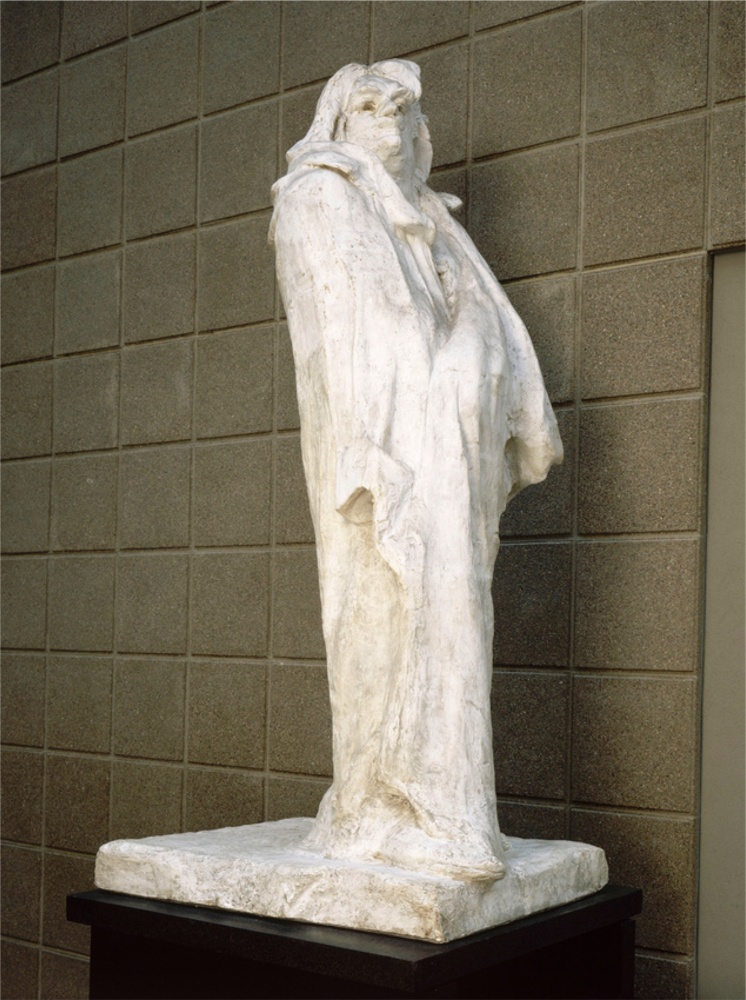
Balzac, the towering figure of 19th-century French literary realism, was honored with a memorial statue commissioned by the French Society of Men of Letters to mark the fiftieth anniversary of his death. At the recommendation of Émile Zola, then the society's president, the commission went to Rodin. Rodin deeply admired Balzac as a giant of literature and poured himself into the project — spending four years researching Balzac alone before even starting to sculpt, then another three years on the sculpture itself, for a total of seven years of work on this single statue.
When it was unveiled, the reception was brutal. Some said it looked like a snowman, others mocked Balzac's face as resembling a toad. The Society eventually refused to pay for it and voided the commission entirely.
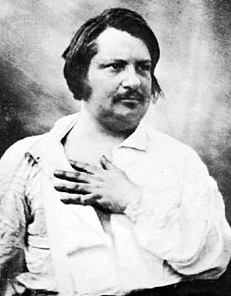
But a comparison with how Balzac actually looked in life suggests the sculpture wasn't really that exaggerated. Balzac genuinely had a rounded belly, and his facial features weren't far off from what Rodin carved. Rodin had researched Balzac's face, body, and daily habits down to the smallest detail before making this statue, so a strikingly realistic result was only to be expected. What the Society had probably wanted, though, was something more dignified, more ennobling.
The commission was ultimately rejected, and Rodin kept the plaster model in his own possession until his death. It wasn't cast in bronze until twenty years after he died. Today, that bronze version can be seen at the Musée Rodin in Paris, as well as near the Vavin metro station.