Paris · Painting
Strip Away the Background, and the Figure Emerges: Manet's The Fifer
Musée d'Orsay · Paris, France
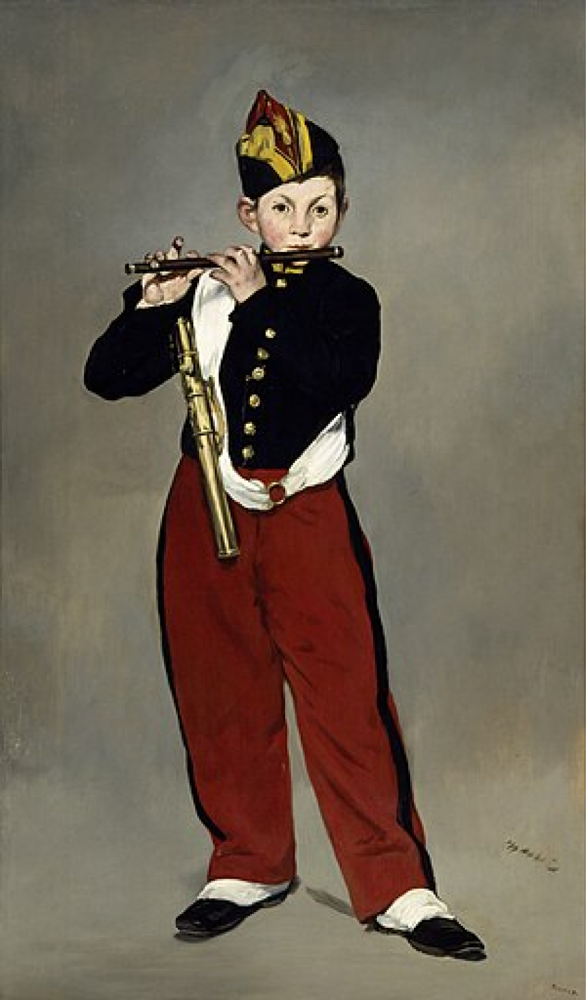
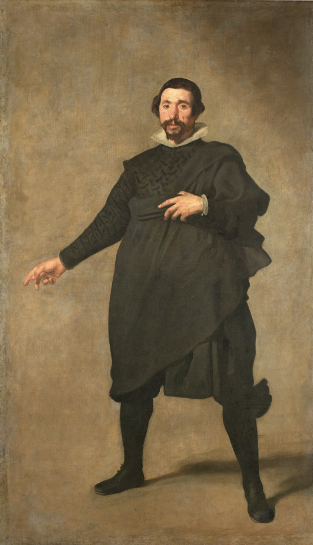
Manet drew on the work of past masters as a springboard for his own experiments, gradually building his own distinctive style along the way. The Fifer was born out of exactly that process, inspired by Velázquez's Pablo de Valladolid, held at the Prado Museum in Madrid.
After seeing the painting, Manet wrote to a friend: "This is the most astonishing painting I've ever seen. The background has vanished, and nothing but air surrounds the man in black." Realizing that a figure stands out all the more when stripped of any background, Manet returned to Paris, asked a friend to help find a model, and was introduced to a boy soldier serving in the emperor's acrobatic guard corps — the same young man who modeled for this painting.
When Manet submitted the work to the Salon, it drew fierce criticism once again. Spatial depth had long been treated as a fundamental element of Western painting, something countless masters had labored hard to convey, so a painting this flat struck critics as a step backward for art itself. For Manet, though, it was simply another experiment.
While contemporary critics dismissed it, the young painters who would go on to shape the future of French art saw something bold and inspiring in it instead. The painting went on to influence the Impressionists' own pursuit of flatter pictorial space.