Paris · Painting
Water Lilies, Room Two — Where Abstraction Began
Musée de l'Orangerie · Paris, France
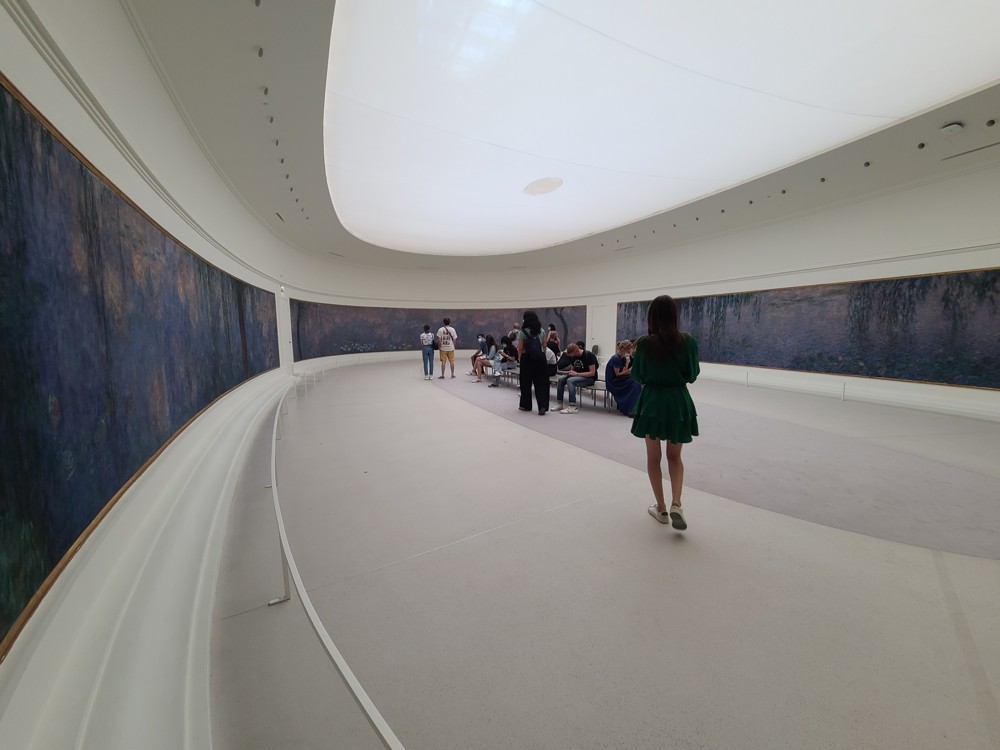
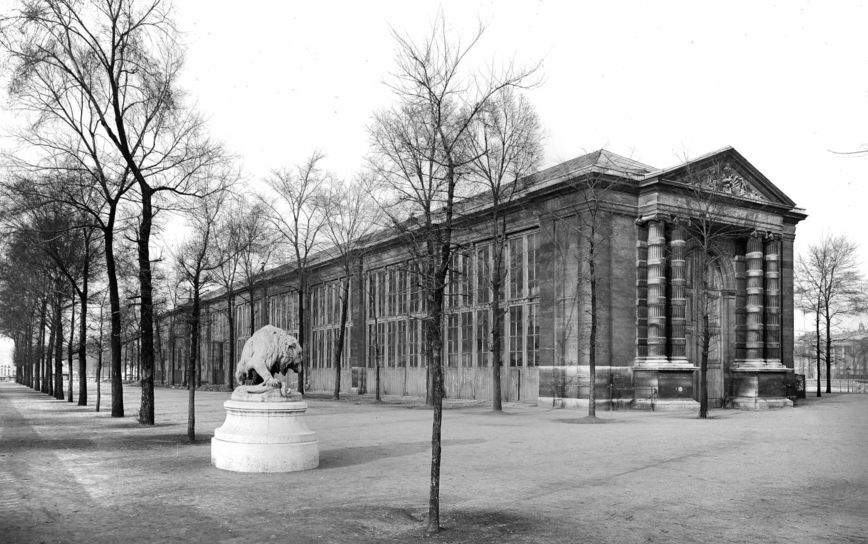
The second room holds Monet's water lily paintings themed around morning light. Beloved worldwide today, these paintings drew little interest when the Water Lilies series first went on view at the Orangerie in 1927. Abstract art dominated the scene at the time, and Impressionism was already seen as an outdated classic — so much so that Monet's paintings were sometimes hidden behind temporary walls whenever other exhibitions came through the museum.
That changed after the Second World War, when Monet's work found new popularity first in the United States rather than France. American painters of the era, Jackson Pollock among them, were producing abstract paintings with barely recognizable forms. When they encountered Monet's Water Lilies — canvases where the pond and lilies dissolve into thickly layered paint and visible brushwork up close — they were stunned. They realized Monet hadn't simply been painting a pond; he had stripped away form to capture the feel of light and water, letting the paint itself carry the expression. His late Water Lilies came to be seen as an early precursor to abstract expressionism, which does away with form to convey emotion through pure color. That surge of interest in America eventually made its way back to France, and Monet's popularity has continued growing ever since.