Paris · City Walks
Erik Satie's House and Music You Barely Notice
Montmartre · Paris, France
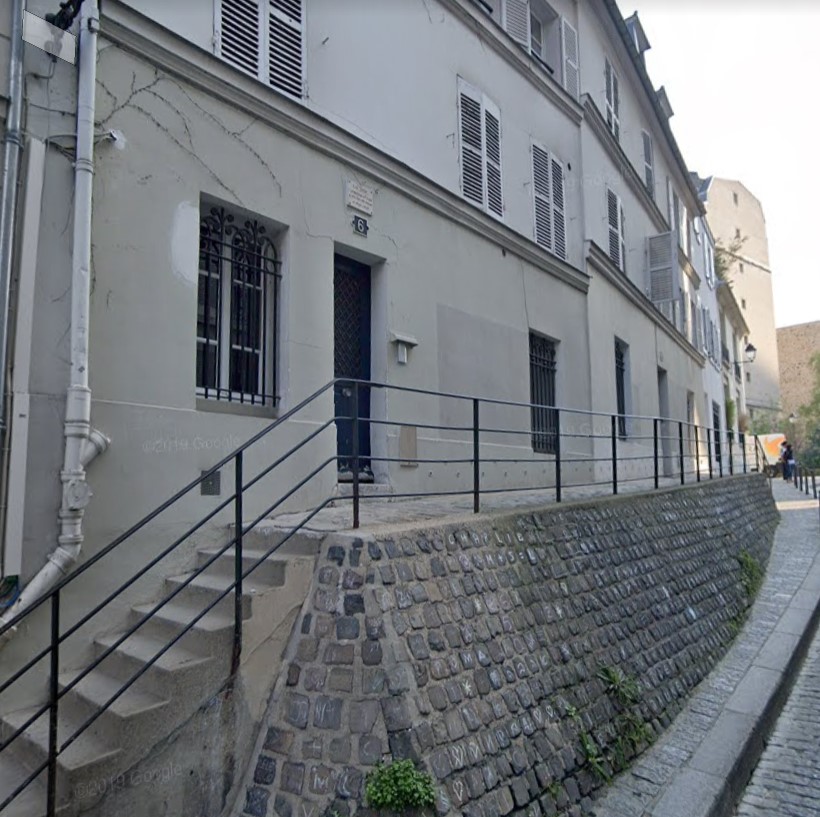
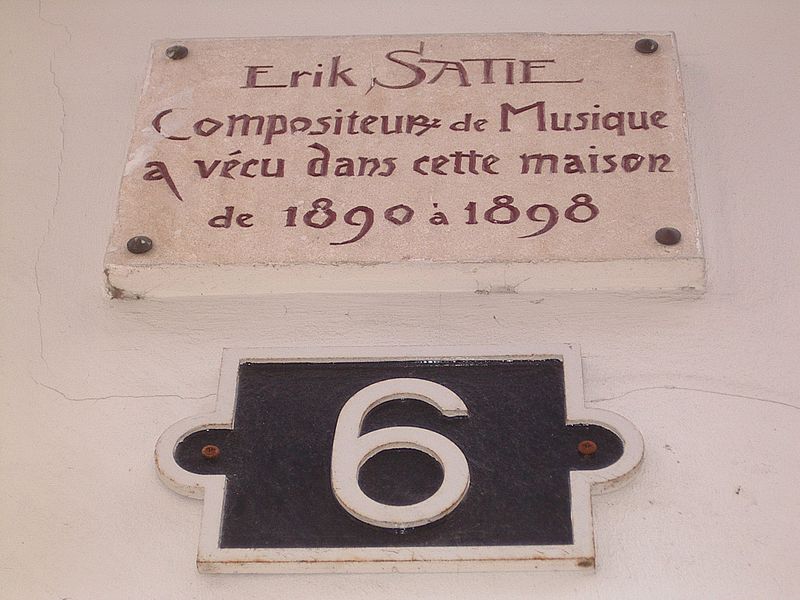
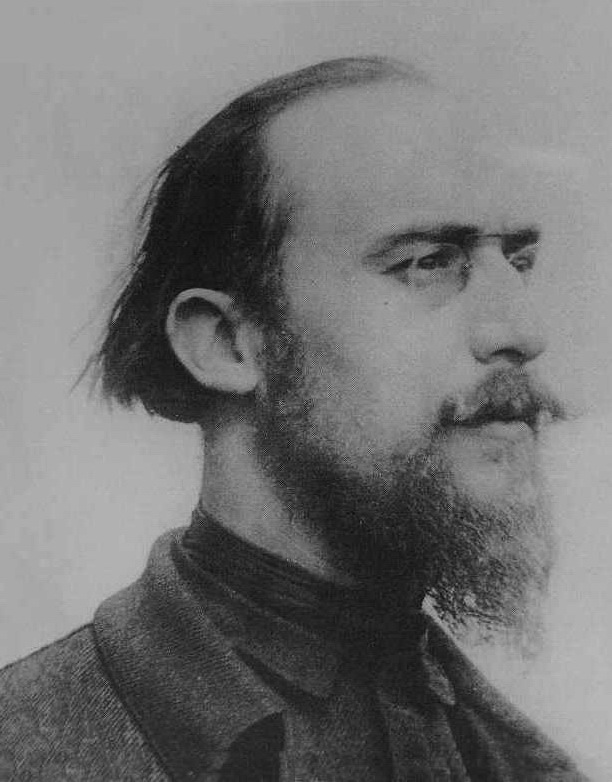

The music you're hearing was composed by Erik Satie, who lived in this house. The wall says "Erik Satie's House." Satie came up with "furniture music," the idea we now call background music, or BGM. In his day, all music was composed and performed for concerts, and the music itself was the star of the room. Satie wanted to create music that, like the furniture in a home, is there without drawing attention, a gentle, calming presence in the background. His Gymnopédie No. 1 is exactly that kind of piece.
After becoming a painter, Suzanne Valadon met Satie, a composer who loved her passionately. He fell for her at first sight and proposed on the very day they met, but Suzanne flatly refused, saying she had no such intention. Satie was persistent, though, and kept visiting and persuading her. Besotted, he went on composing, and wrote "Je te veux" ("I want you") for her. Moved by the song, Suzanne decided to move in with him. The building in front of you is the house where they lived.
The arrangement didn't last. Still unsure of her feelings, Suzanne left after six months. Satie was devastated and never got over her. "I miss Suzanne so much. An icy loneliness fills me, leaving only emptiness in my head and sadness in my heart." He pined for her for the rest of his life and let no one into his home. Satie died at 59, and when his friends entered the house afterward, they found only a bundle of unsent letters to Suzanne, a portrait of him she had painted, and her photograph.
Suzanne, meanwhile, moved on from Satie, going through marriage and divorce with others and living life on her own terms. She held regular exhibitions and kept her passion for painting until her last breath. Having become a legend of Montmartre, she died at 72, after a turbulent life. Now let's head to our next stop, Place du Tertre.