Paris · City Walks
Dalida, the Chanteuse Who Came from Afar
Montmartre · Paris, France
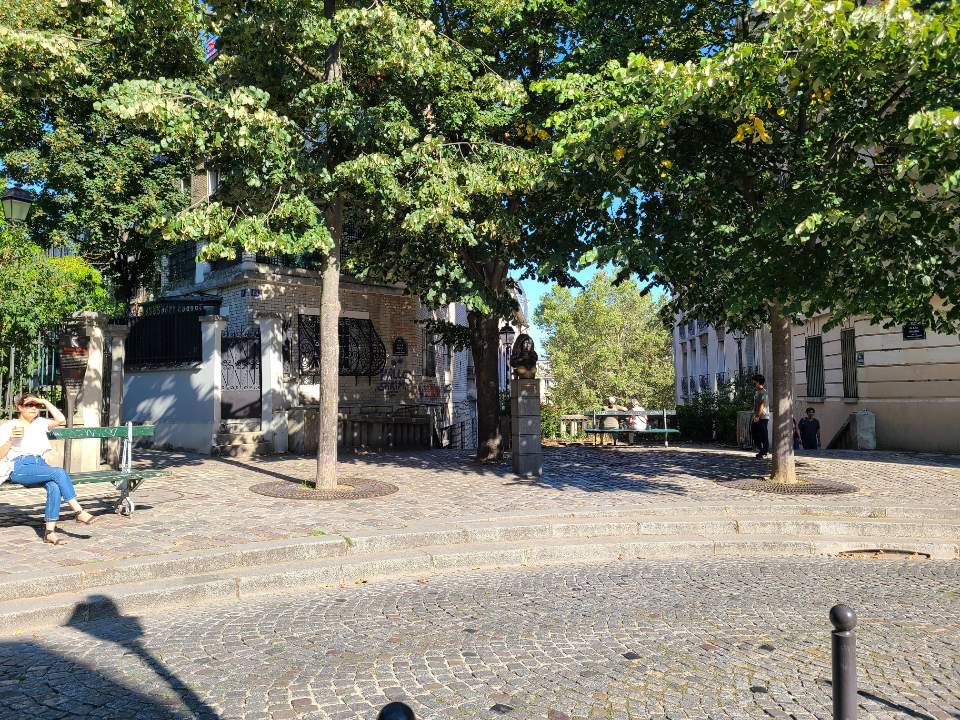
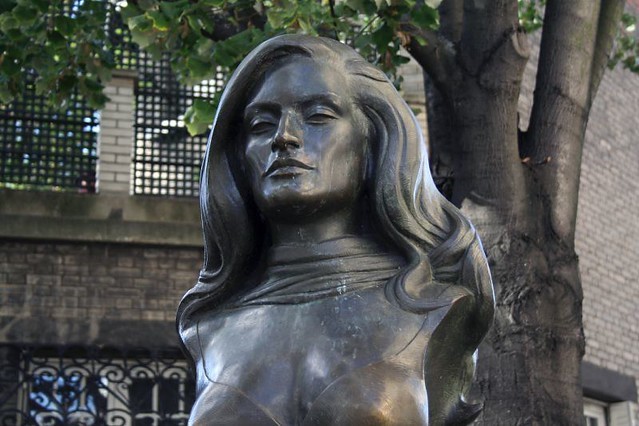
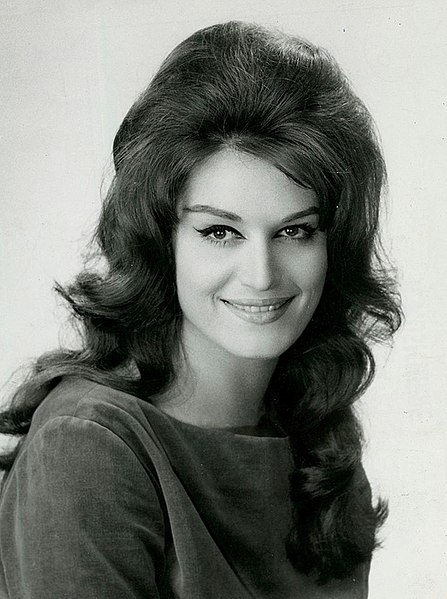


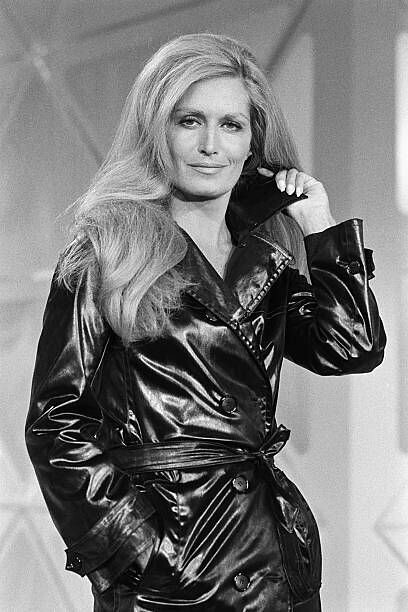
This square holds a statue of Dalida, the great French singer behind "Paroles, paroles." Dalida wasn't actually French. She was born in Egypt, yet the French loved her so much that she was named one of the 100 greatest French figures. She lived a glamorous life as a singer but ended it in loneliness, and the people of Montmartre put up this statue to honor her.
In 1954, Dalida made a glittering debut as Miss Egypt. Her father was a violinist, so she grew up around music. She moved from Egypt to Paris and began singing in a bar on the Champs-Élysées. With her striking looks and wonderful voice, she soon found backers, chiefly Lucien Morisse, a producer at a well-known French radio station, and Bruno Coquatrix, owner of the major venue Olympia, who supported her wholeheartedly. Lucien even served as her manager, and when her single "Bambino" sold 300,000 copies in France, she became a star. She grew into an international star, with her manager Lucien always at her side. They married but divorced before long over differences in temperament.
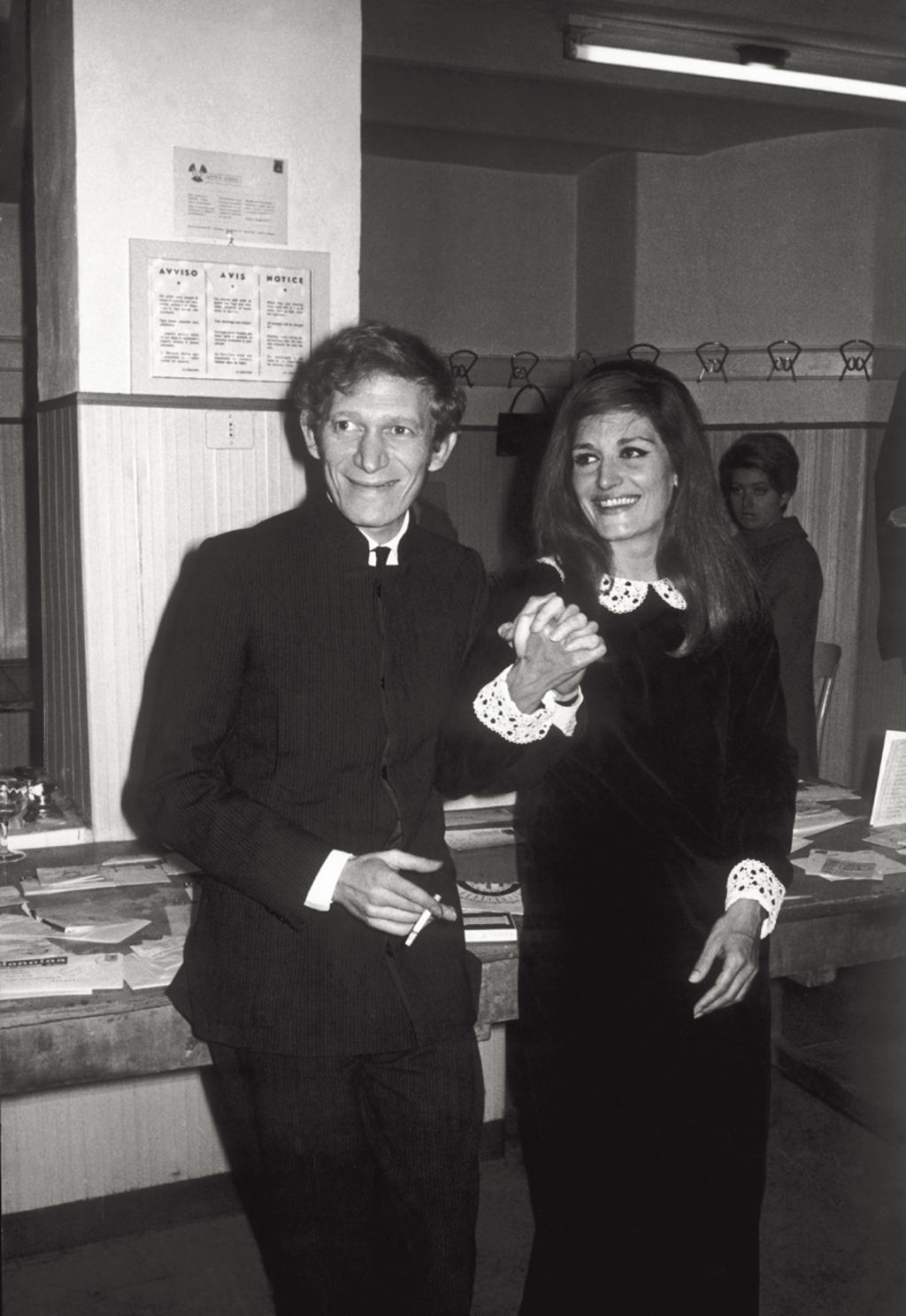
Next she became involved with Luigi Tenco, an Italian singer-songwriter. She performed a song he wrote at a music festival, but the reception was poor, and the crowd jeered that Dalida was washed up. In 1967, Luigi, whose song had met with a lukewarm response at the Sanremo festival, died by his own hand in a tragedy. Dalida was devastated and, a month later, went through a severe crisis of her own, but survived. She gathered her strength again and seemed to stage a comeback with the hit "Darla dirladada."
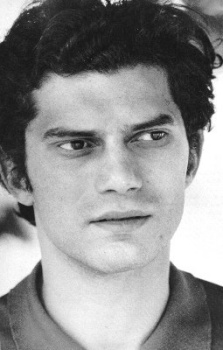
But then her ex-husband and manager Lucien also died, and she struggled with depression for a long time, falling into another slump. After that long slump, she overcame her pain to record "Paroles, paroles," a duet with the French actor Alain Delon, and it was a smash that restored her to the top. Delon, by the way, was legendary in his youth for his extraordinary good looks.
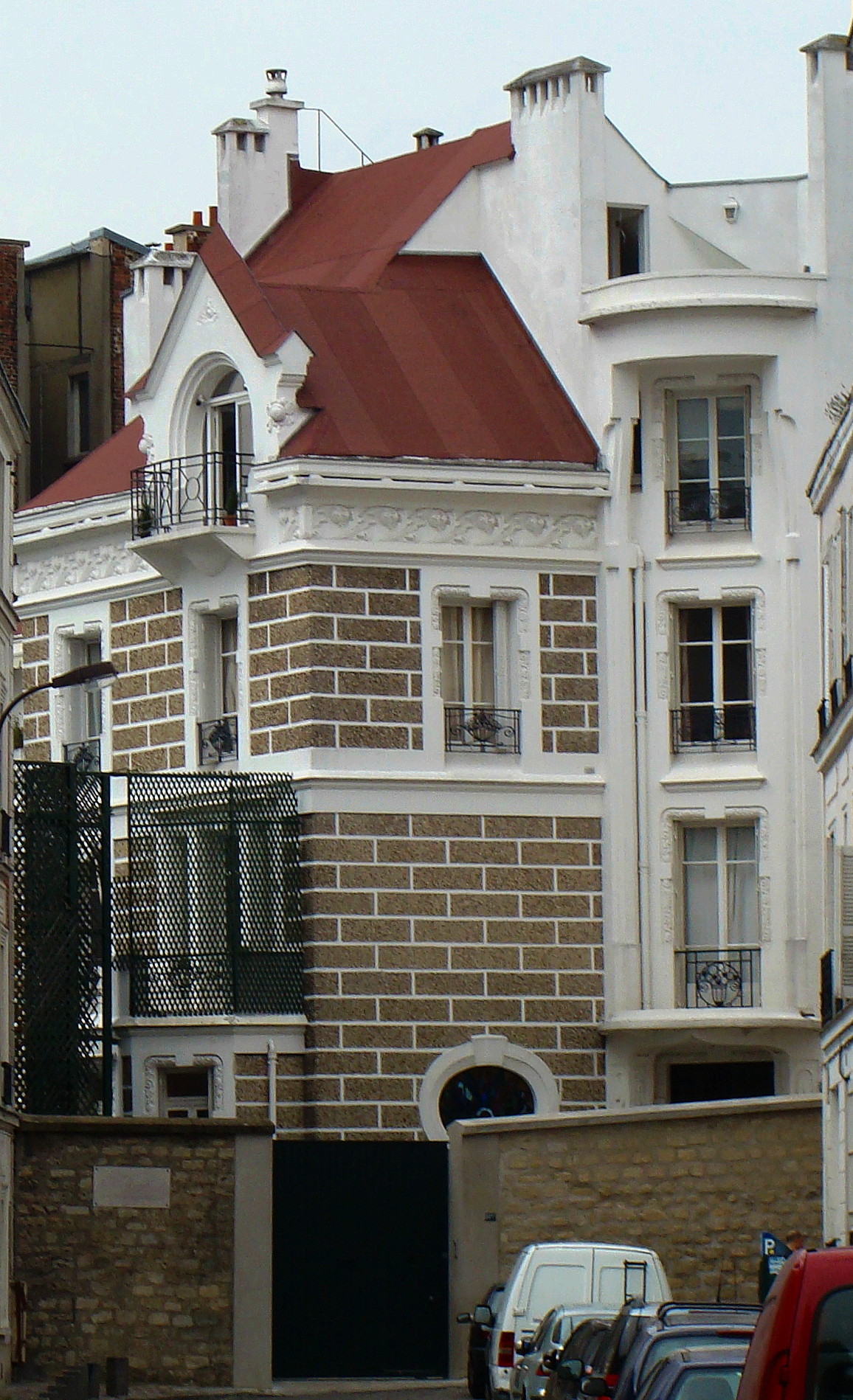
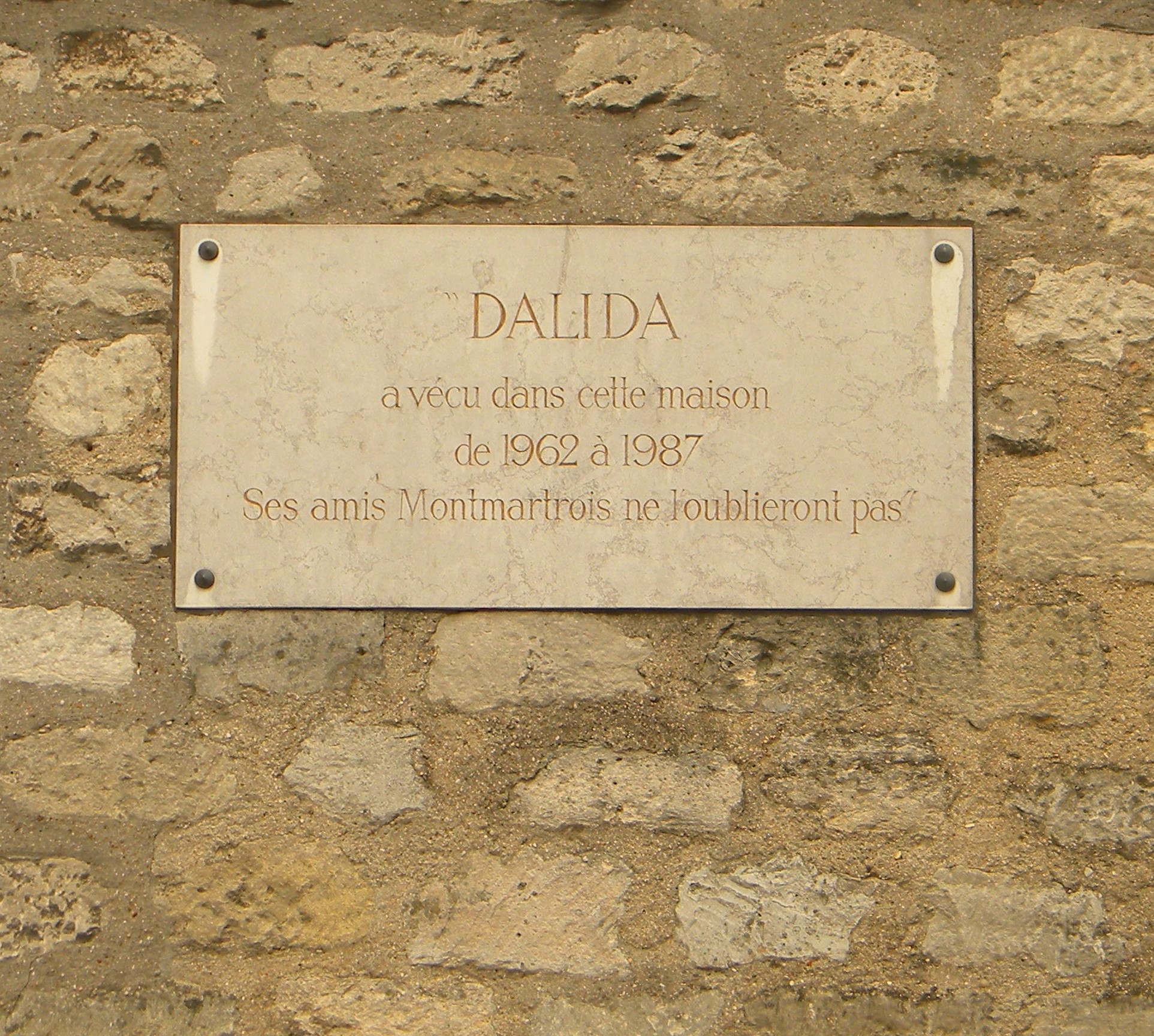
She went on to string together hits from "Gigi l'amoroso" to "Besame Mucho," singing in languages including Italian, Arabic, French, English, German, Spanish and Japanese, and her records sold in huge numbers worldwide. Behind the glamour, though, were failure, anxiety and a deep depression left by the loss of one loved one after another. Starting out as an outsider and rising to become France's best singer, she left a note and ended her life at her home here in Montmartre. Her Montmartre neighbors later put up a message in front of her house reading, "Your friends in Montmartre will never forget you," and they still remember her. She is regarded as a figure who helped globalize chanson and remains one of France's most representative singers.
You may wonder why the statue's chest is so shiny. A popular belief holds that touching it will bring you love. But a statue is just a statue, so let's not touch it. Instead, let's think about the great and sad story of this legendary singer and take a photo together.