Paris · Painting
Three Places to See Monet in Paris
Giverny · Paris, France
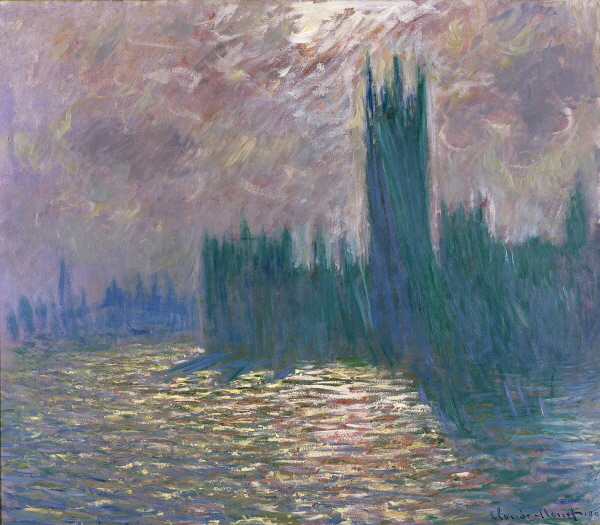
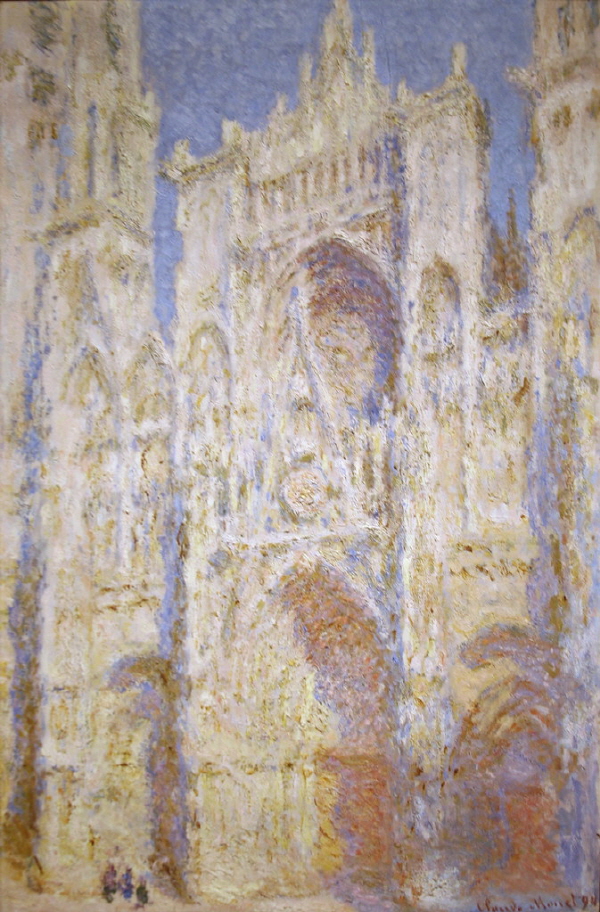
Paris, the city of art, is full of museums. For Monet's work, we recommend three: the Musée d'Orsay, the Musée de l'Orangerie and the Musée Marmottan Monet.
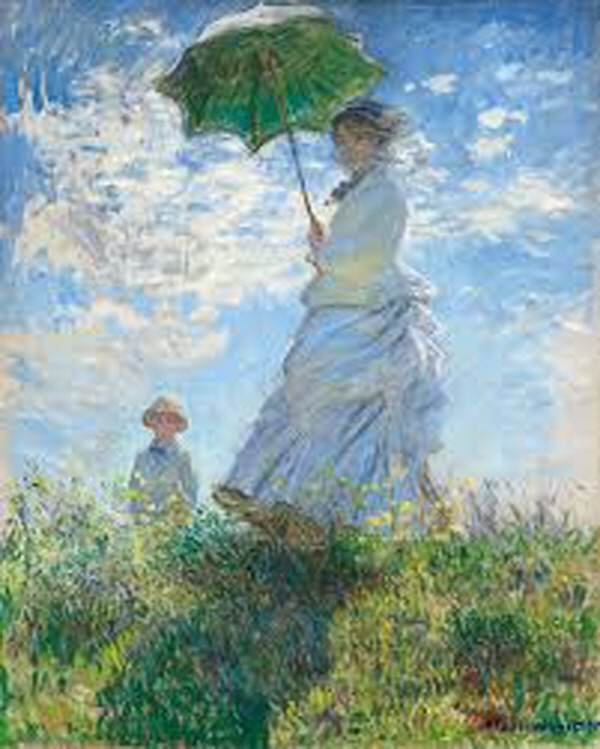
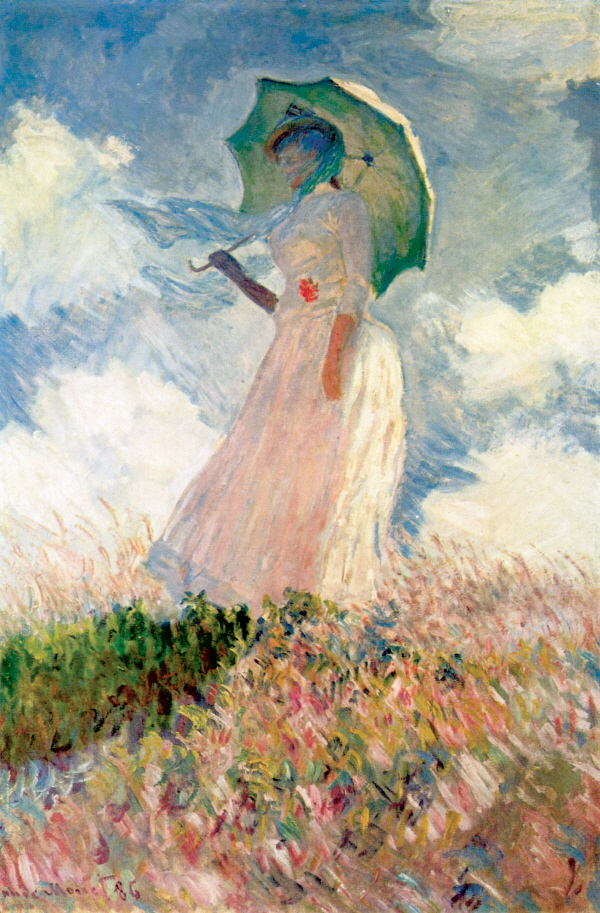
The Musée d'Orsay holds the largest collection from the pivotal period of art history spanning the 19th and 20th centuries, and its wealth of Impressionist masterpieces has earned it the nickname "the Impressionist museum." Here you can see Monet's Gare Saint-Lazare, Rouen Cathedral, the Water Lilies series and Luncheon on the Grass, among others. There are two paintings called Woman with a Parasol, so be sure to tell them apart. The one in Washington, Woman with a Parasol and Her Son, shows his first wife, Camille, and their son Jean, while the two at the Orsay show Suzanne, the daughter of his second wife, Alice. Some of the paintings include a son and some don't, so compare them for yourself.
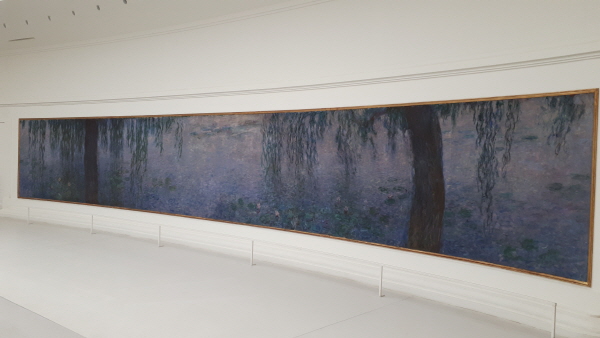
Next is the Orangerie, which began as a home for Monet's Water Lilies. The building was once a greenhouse for orange trees in the Tuileries Garden, and was converted into a museum to house his work. It later went on to show Impressionist and Post-Impressionist art and became a museum with plenty to see. The ground floor is mostly Monet, and the eight large Water Lilies panels are the highlight. The other galleries feature famous artists such as Picasso, Renoir, Cézanne, Matisse and Modigliani.
At the Musée Marmottan Monet in the 16th arrondissement, don't miss the many works by Claude Monet or the paintings of Berthe Morisot, regarded as the first female painter in France. Built in the Napoleonic style, the building was originally a hunting lodge for the Duke of Valmy, who used it as a retreat in the Bois de Boulogne on Paris's western edge. The art collector Jules Marmottan bought it, and his son Paul inherited it. Father and son collected Renaissance art and Napoleonic-era furniture, sculpture and artworks, and the museum was born in 1932 when Paul donated the house and his collection. It opened to the public in 1934. In 1957 descendants of Dr. Bellio, physician to the Impressionists, donated works by Degas, Manet, Sisley, Pissarro, Renoir and others, and the collection began to grow. In 1966 Monet's second son, Michel, gave 65 works including the studio at Giverny, making it the world's largest collection of Monet's work.
You can see his best-known works, including Impression, Sunrise, Promenade at Argenteuil and The Houses of Parliament, along with many studies for the Water Lilies and Rouen Cathedral series. If you haven't been to these three museums yet, put them on your list.