Paris · Architecture
The Grand Palais
Paris · Paris, France
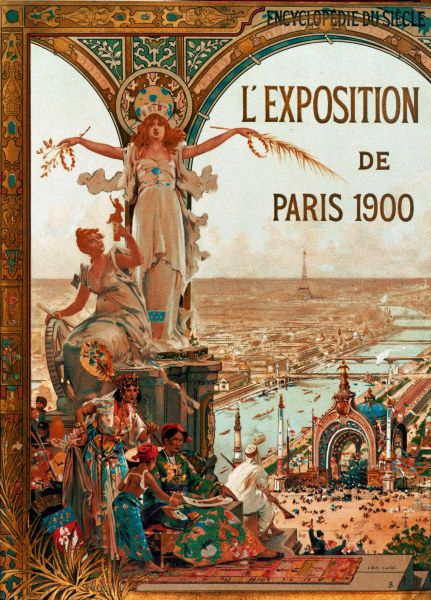
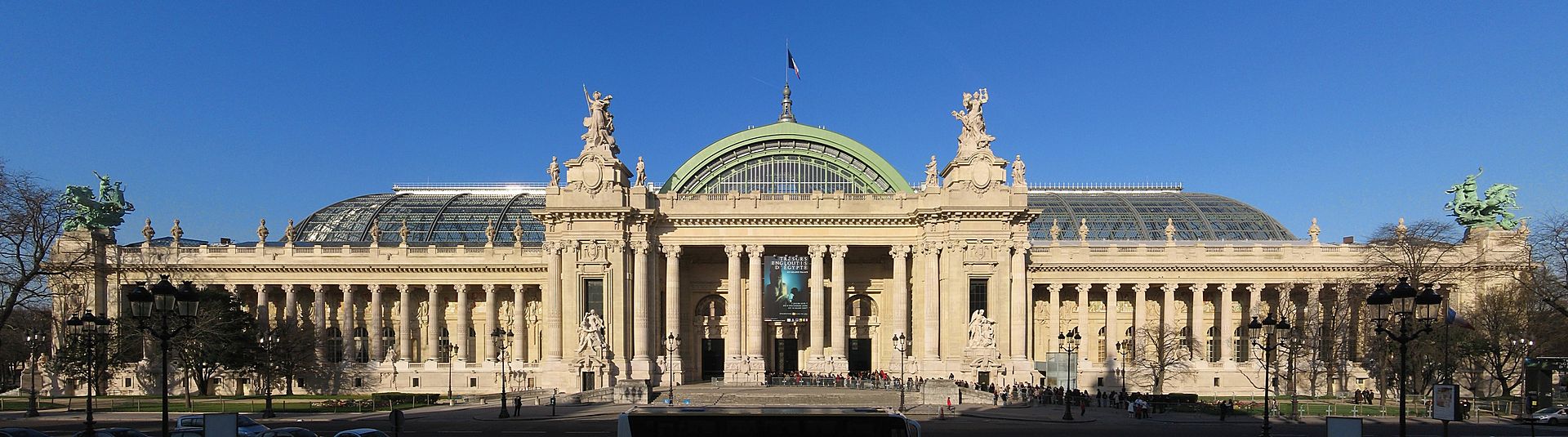
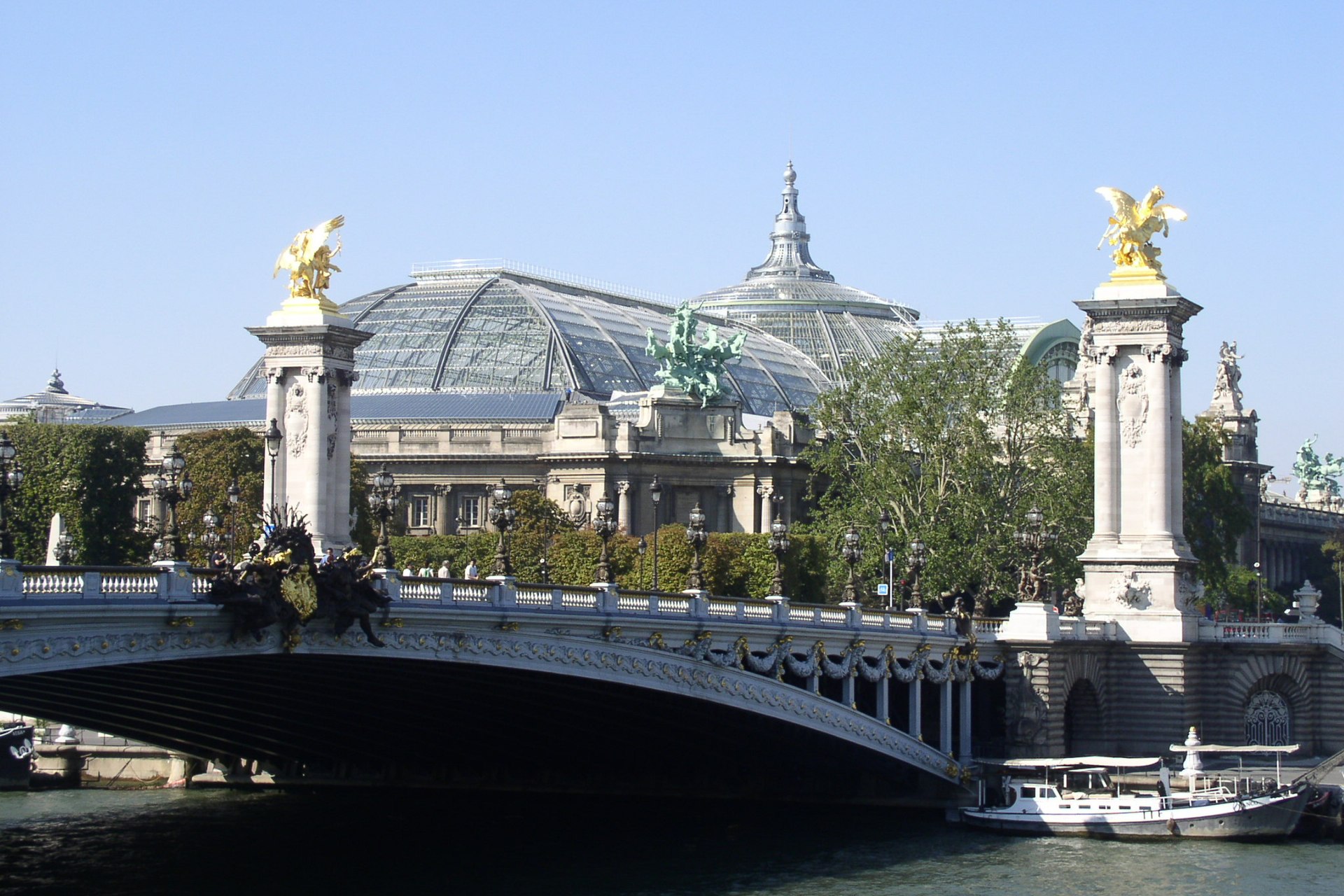
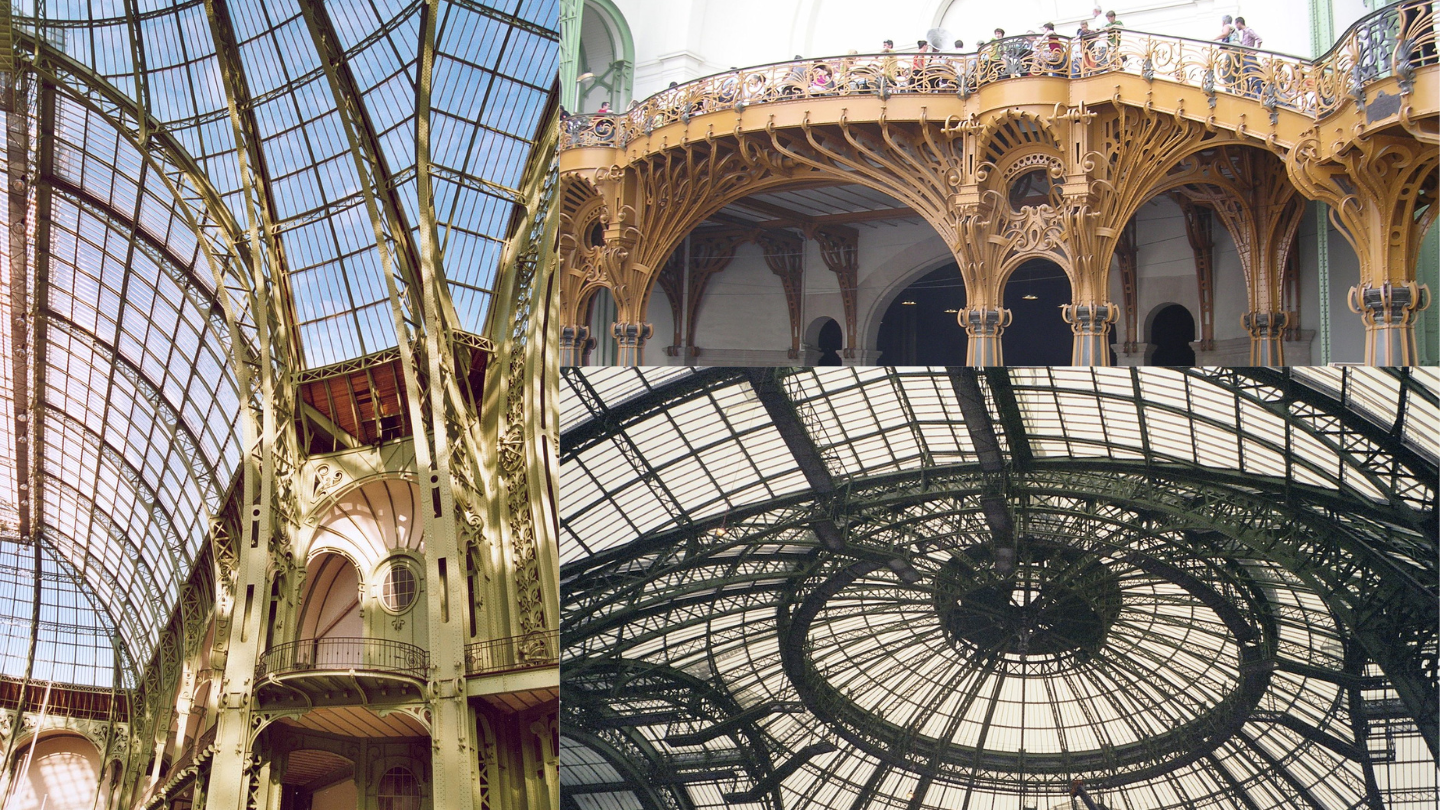
The Grand Palais means exactly what it says, the "Great Palace". Like the Pont Alexandre III, it was built for the 1900 Exposition Universelle in Paris. When the Eiffel Tower drew the world's attention at the 1889 fair, the French government felt it needed something new to show off at the upcoming 1900 event, and the Grand Palais was the result. It would be wrong to dismiss it as a mere showpiece, though. An inscription at the entrance to the building behind reads "Dedicated by the Republic to the glory of French art", and the monument carries real national pride. When the fair opened, the French press lavished praise on it, calling it the "most beautiful building since the Opéra Garnier". Scholars see it as the distillation of Belle Époque taste, with its curving iron frame typical of Art Nouveau and its restrained classical façade, a balance of tradition and modernity.
Unlike the Opéra Garnier or the Trocadéro Palace, which were chosen through international competitions, the Grand Palais won a national competition open only to French architects. Four of them worked on it: Henri Deglane designed the main section, Albert Louvet the central part and Albert Thomas the rear, while Charles Girault directed the overall project. With so many architects involved, it used materials never tried in earlier Parisian monuments, chiefly reinforced concrete, glass and steel framing. Seen from a high hill, the Grand Palais stands out in the Paris skyline alongside the Eiffel Tower, Sacré-Cœur and the Arc de Triomphe, partly because of its size but also because of its huge, rounded roof of iron and glass.
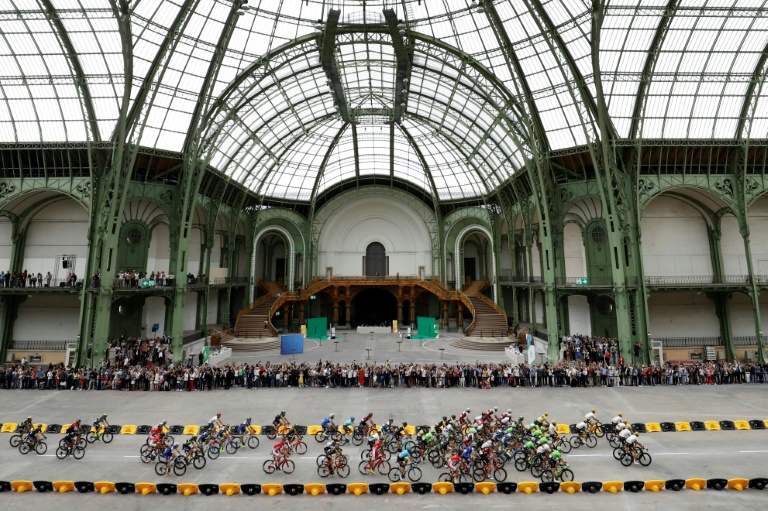
That glass roof on an iron frame was modeled on the Crystal Palace in Victorian London. Electric lighting hadn't yet arrived in force, so letting in as much natural light as possible was essential in a space where crowds gathered. The glass roof was designed to flood the largest gallery in the building with daylight in one sweep, and it was recorded as the largest glass-roofed structure in Europe at the time. The stone façade hides it from the outside, but the interior's many steel beams reveal how much steel went into the building. The Eiffel Tower, a structure made entirely of steel apart from its stone foundations, used about 8,000 tons, while the Grand Palais used around 8,500.
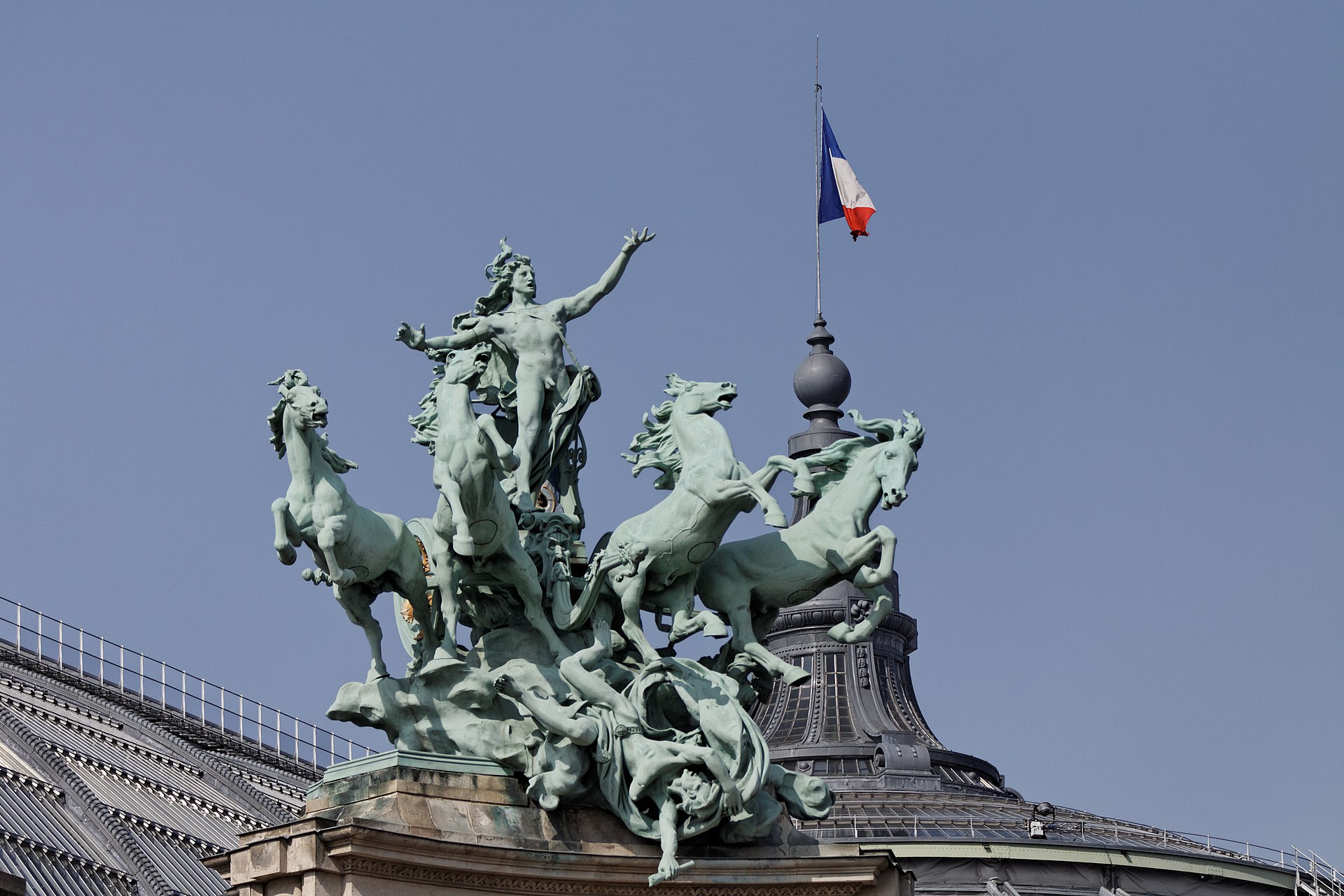
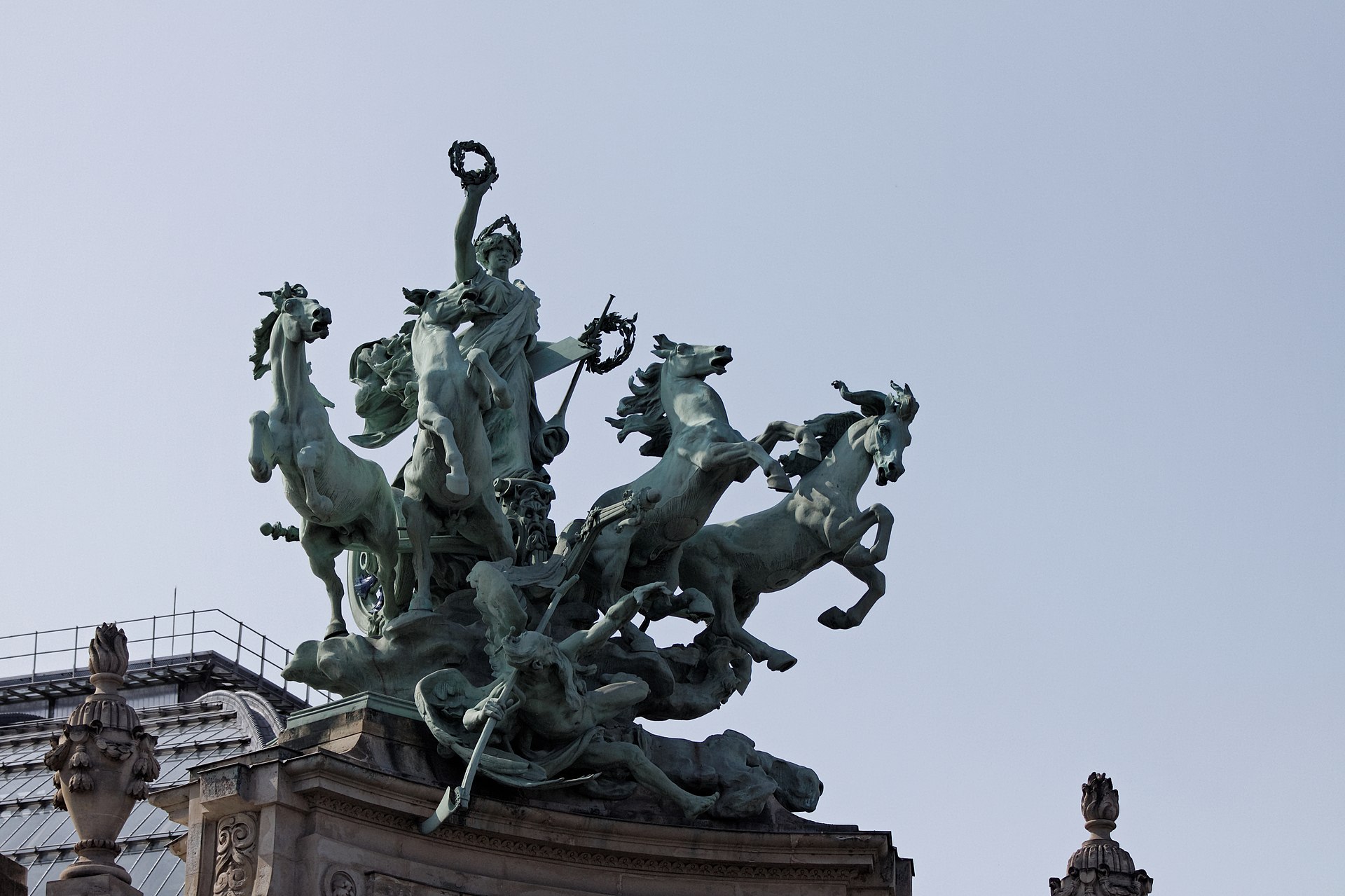
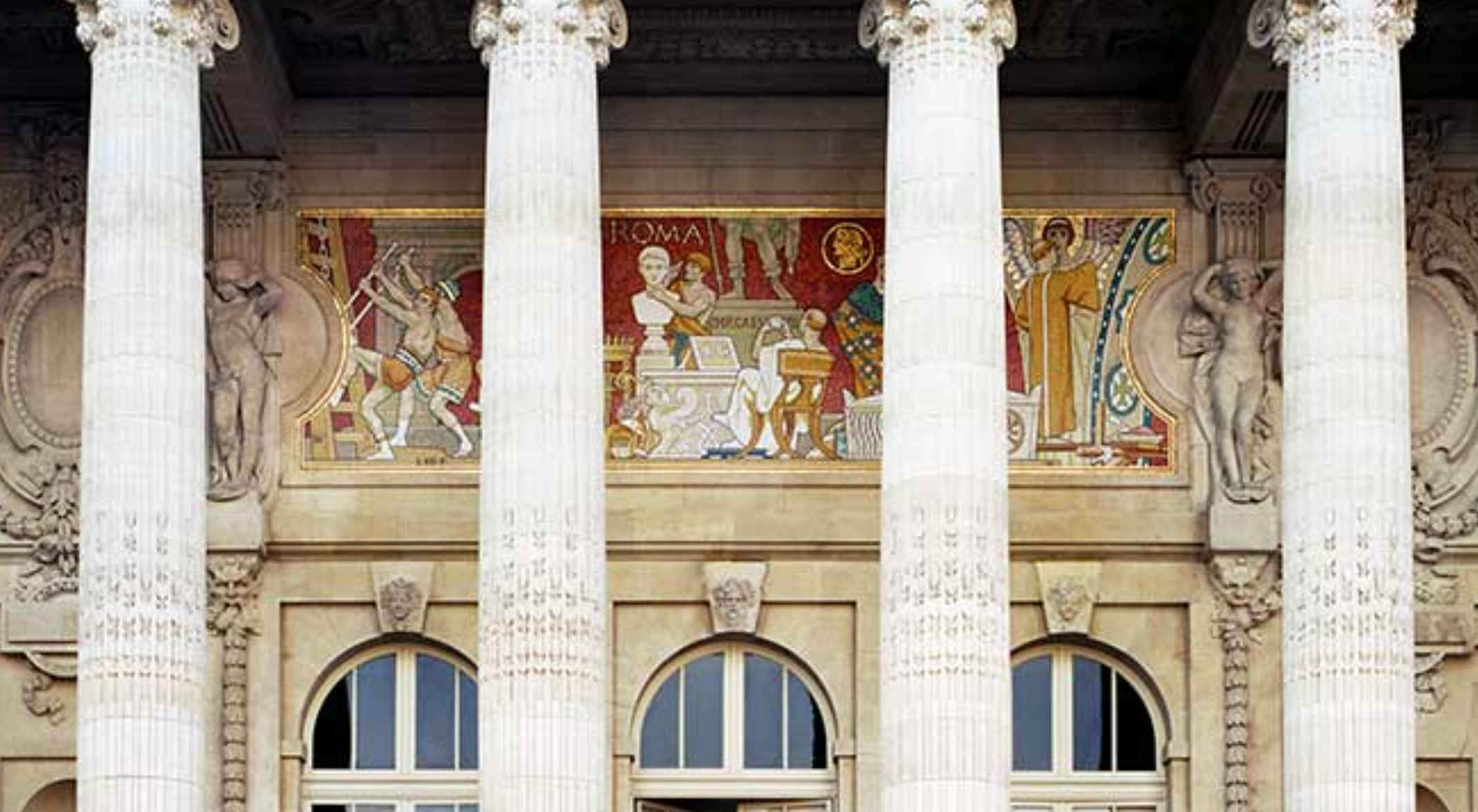
The façade's many sculptures, friezes and mosaics are another highlight, and at least 40 sculptors and painters worked on them. The front is classical, defined by restraint and simplicity, yet many of the sculptures are Baroque, full of dynamic movement. The most striking decoration is the pair of quadrigas, chariots pulled by four horses, atop each end of the façade. They are the work of Georges Récipon, who made the copper sculptures on the Pont Alexandre III, and are known as Récipon's quadrigas. The one facing the Seine is titled "Harmony Triumphing over Discord", and the one facing the Champs-Élysées "Immortality Outlasting Time". Together the two copper sculptures weigh 12 tons, yet the horses seem to leap into the sky more than 30 meters above the ground, defying gravity. Apart from the glass roof, they are the building's most eye-catching feature. Another is the vast mosaic frieze behind the colonnade, a 73-meter work by the painter Louis-Édouard Fournier. It depicts key scenes from the great periods of art history, from ancient Egypt and Mesopotamia through Rome and Greece, the Italian and French Renaissance and the Middle Ages to industrialized Europe.
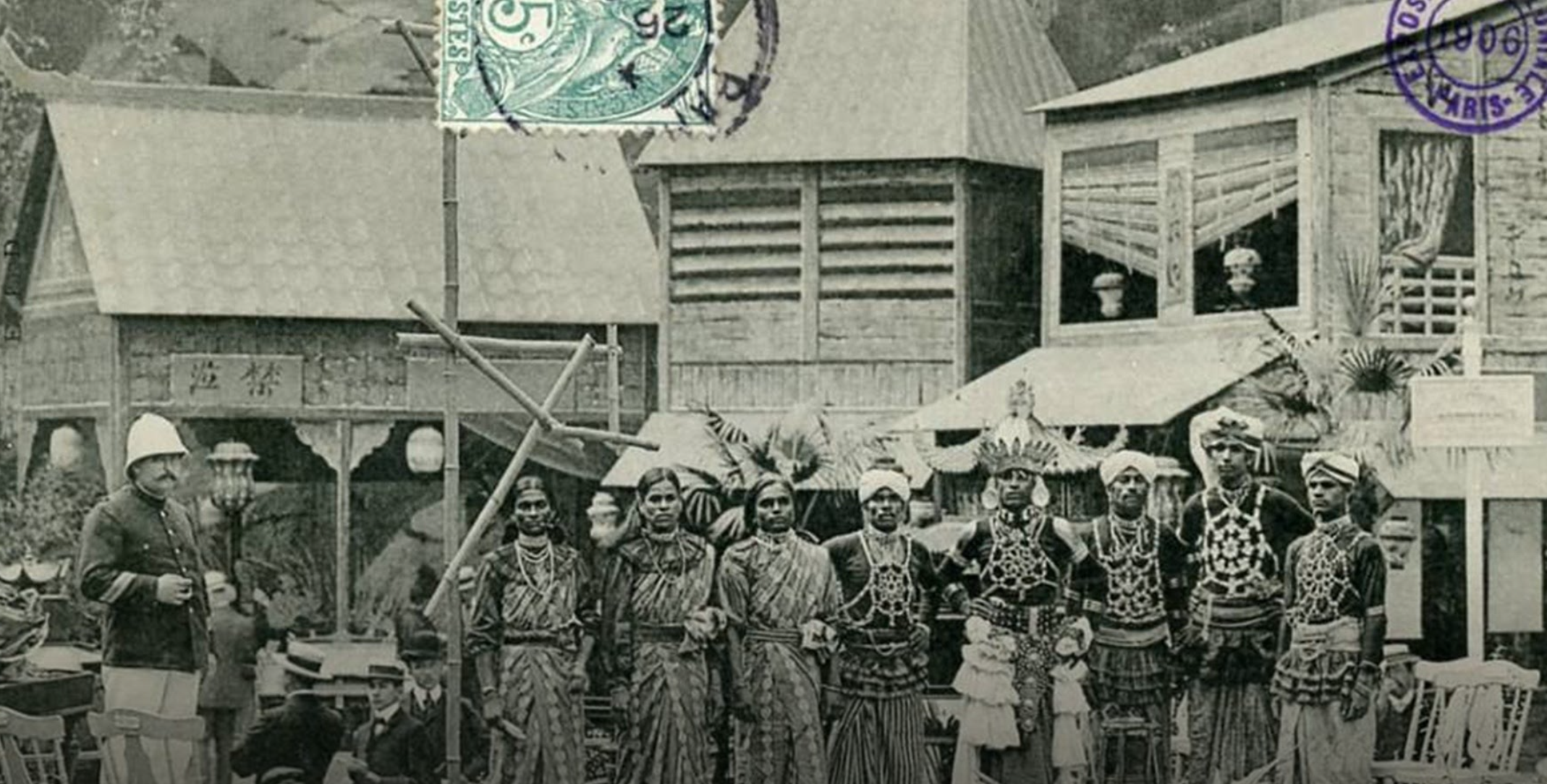
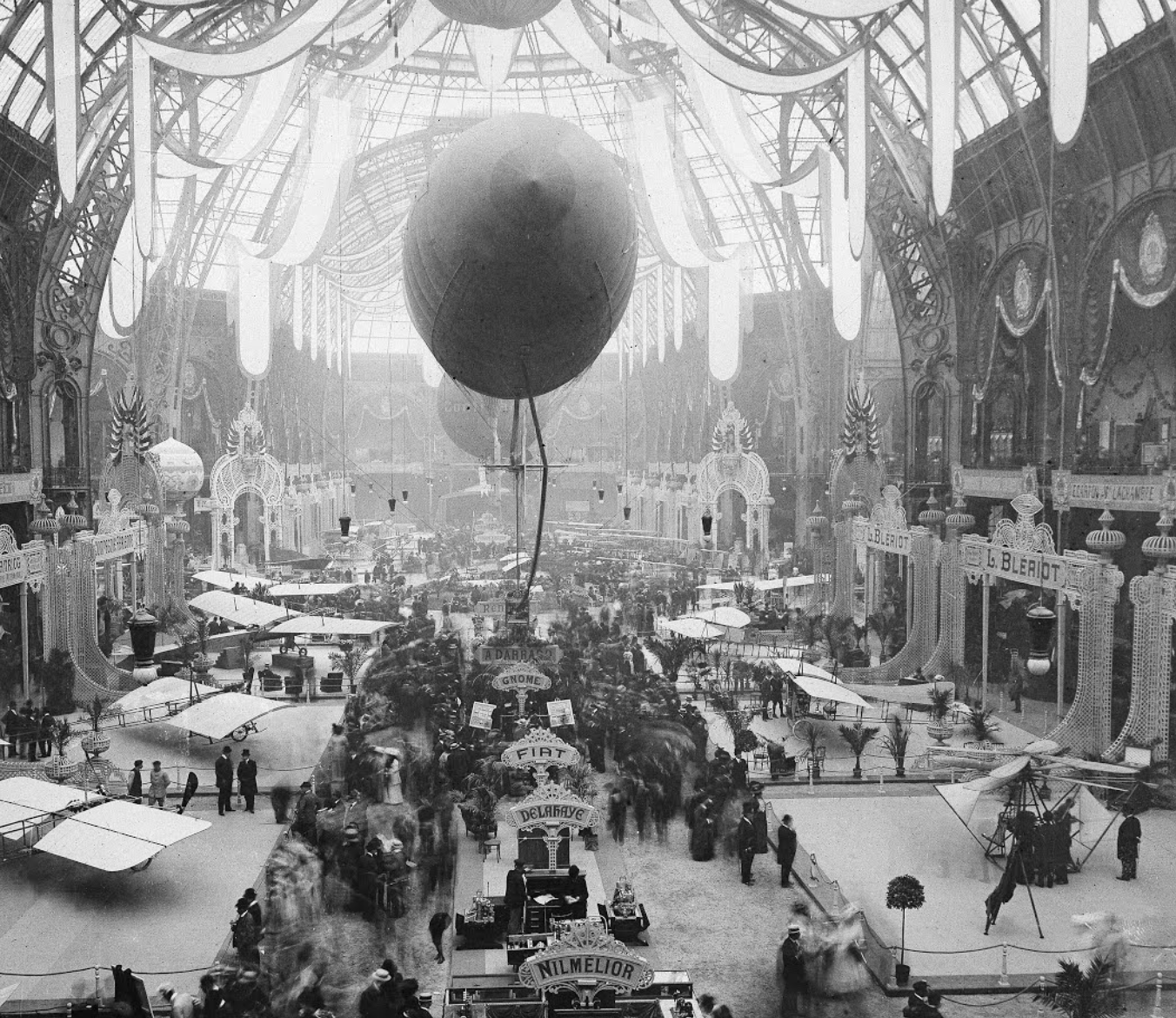
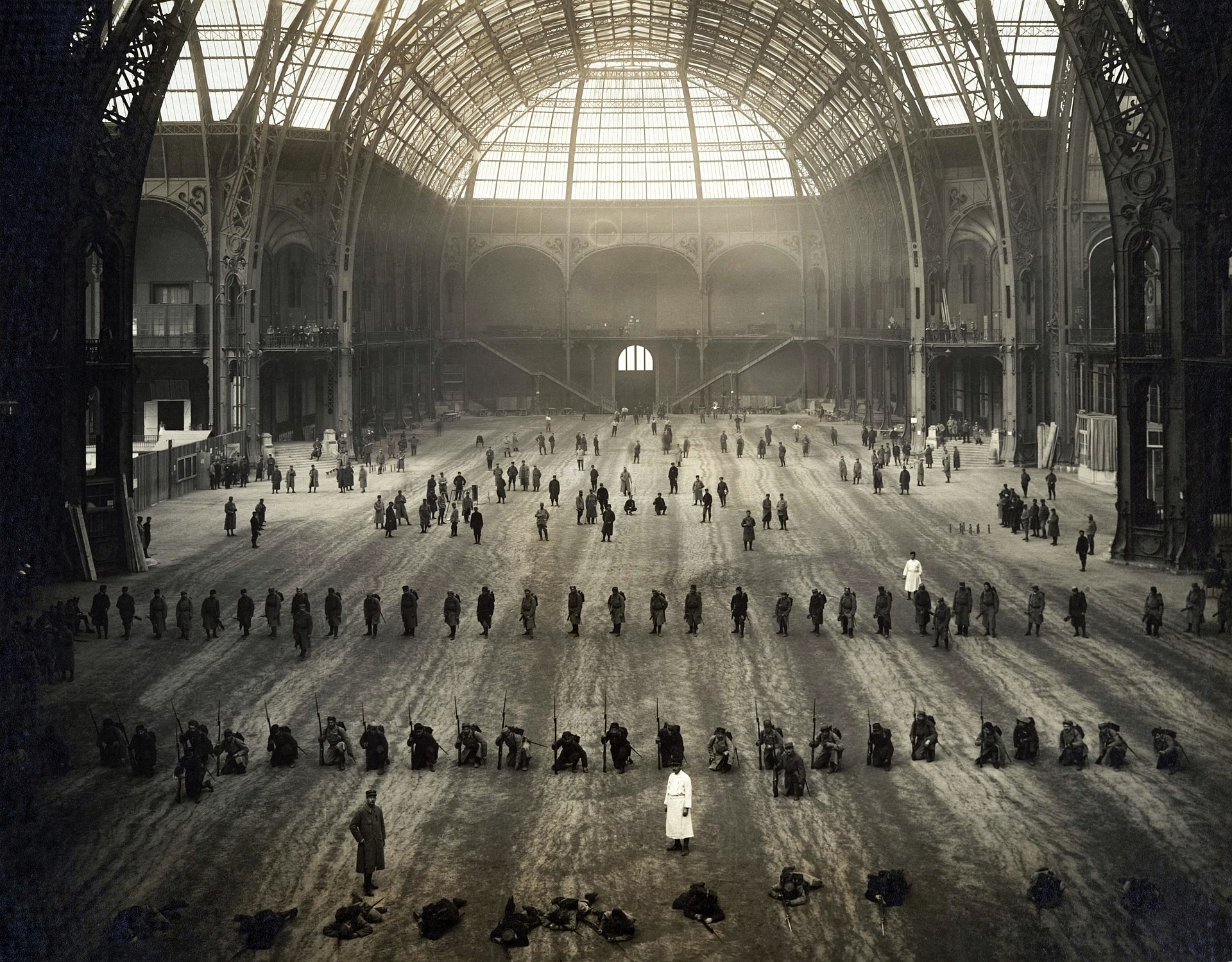
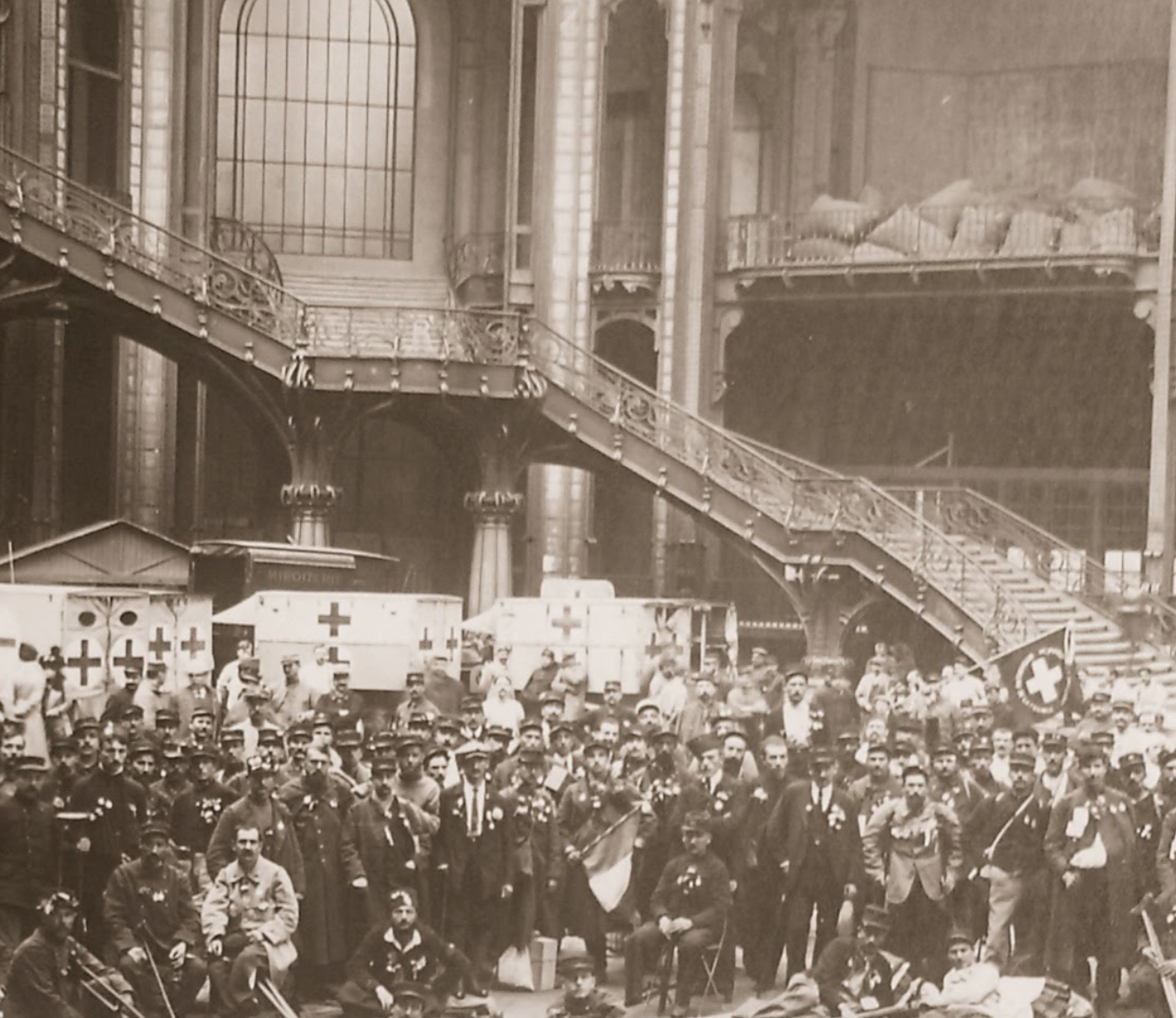
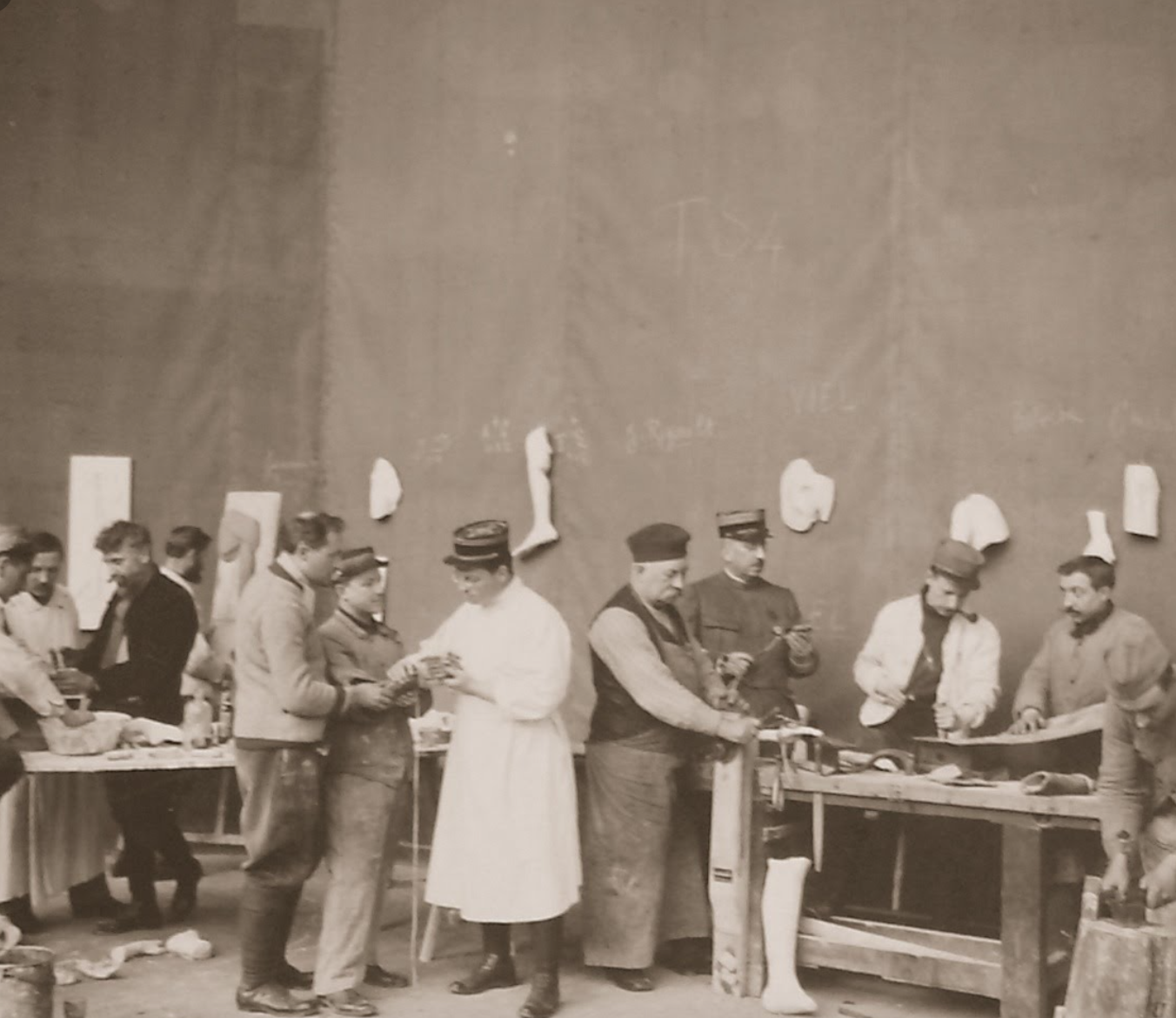
The Grand Palais is worth knowing as a historic space too. Built for the 1900 fair, it served many purposes afterward. In the early 1900s, France held more colonies than any country but Britain, and exhibitions here showcased colonial cultures and ways of life. Until 1957 its vast interior hosted shows on innovation and modernization, including cars, aviation and home appliances. During World War I it was a training ground for soldiers, then a military hospital when local hospitals couldn't cope with the wounded as the war dragged on. Local artists not sent to the front are said to have been put to work converting the building into a hospital and making prostheses for soldiers who had lost limbs. During the Nazi occupation in World War II it served as a parking space for German transport trucks and a venue for propaganda exhibitions, and just after the liberation of Paris it became a headquarters of the French Resistance.
More recently, the Grand Palais was named the finish of the 2017 Tour de France, and it was selected as the venue for fencing and taekwondo at the 2024 Paris Olympics. At the time this guide was written, the interior was closed for Olympic renovations, with entry expected to resume after the Games.