Paris · Architecture
Beaux-Arts and Art Nouveau
Paris · Paris, France
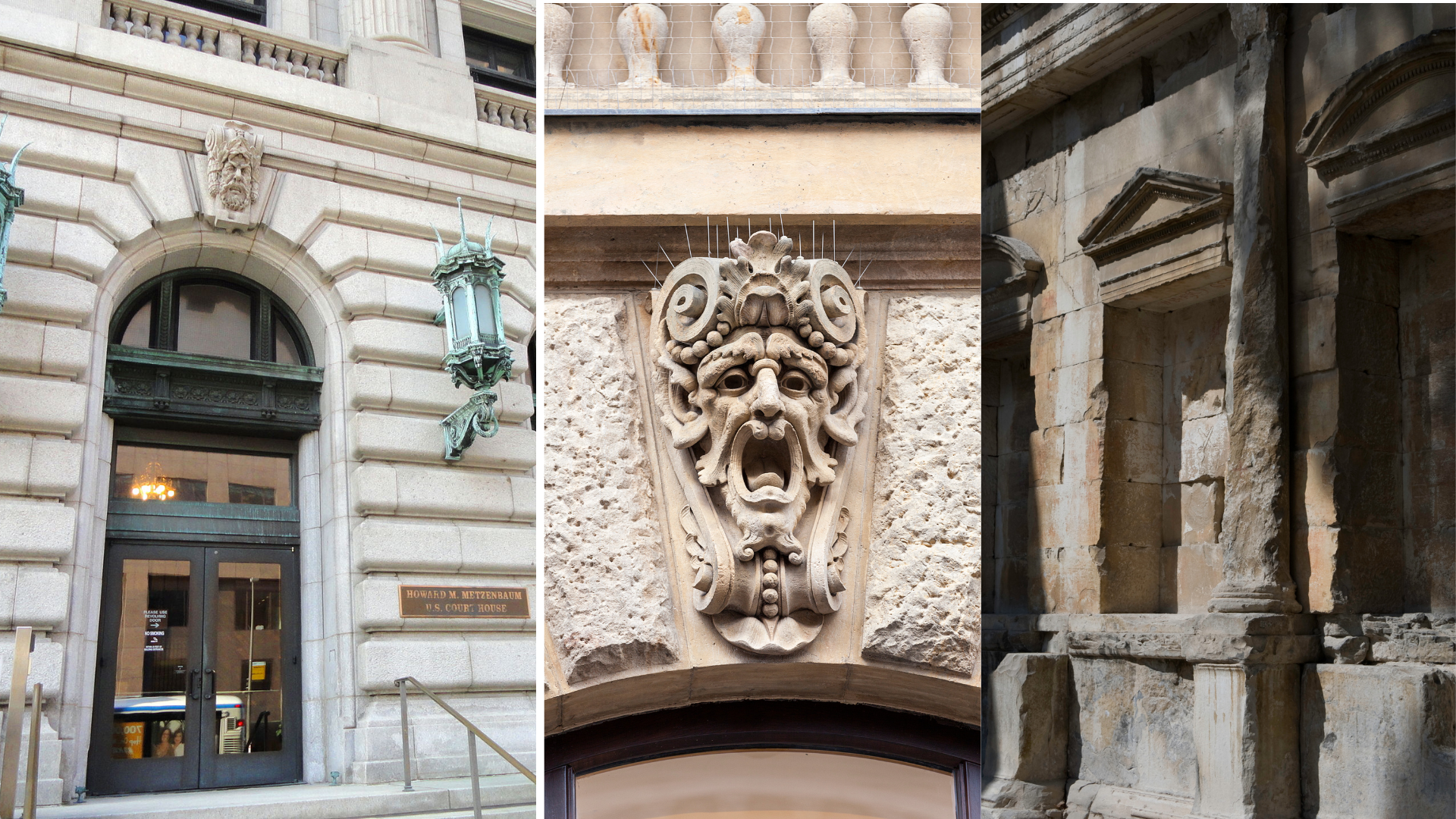
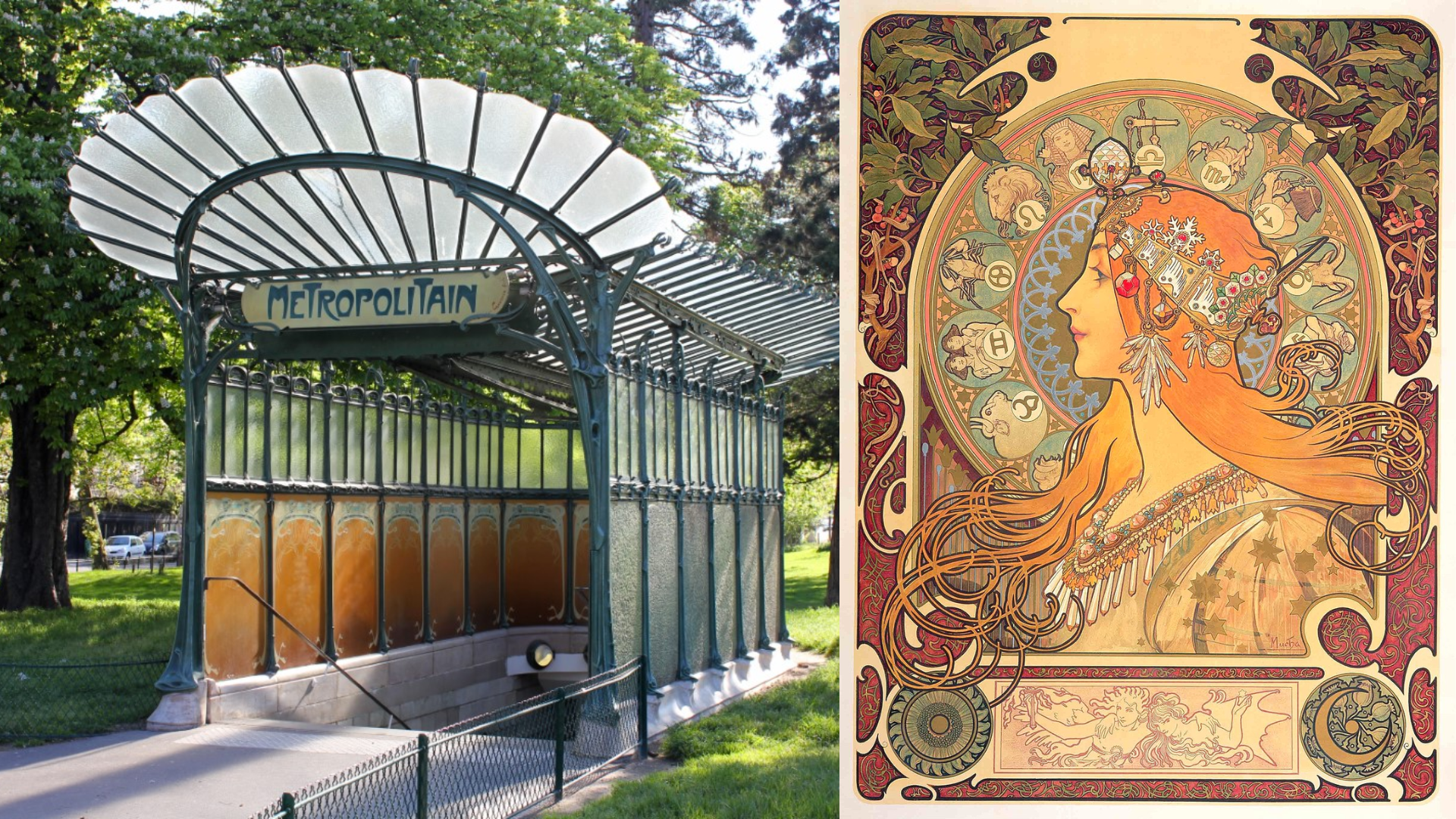
Before we look at the individual buildings, a quick word on the two styles that defined the Belle Époque: Beaux-Arts and Art Nouveau.
"Beaux-Arts" is French for "fine arts", and it names an artistic style that was fashionable from the 1830s to the end of the 19th century. It grew out of the Beaux-Arts school at the École des Beaux-Arts, Paris's most famous and long-established art school. The style shows most clearly in architecture, and it was influential enough to inspire the design of many European palaces and public buildings of the era. In short, it blends French Neoclassicism, inspired by ancient Greek and Roman architecture, with Renaissance and Baroque touches and modern materials such as steel and glass. The Grand Palais and Petit Palais on this route, along with the Opéra Garnier, which isn't part of this guide, are some of Paris's leading examples.
Typical Beaux-Arts features start with rustication on the ground-floor walls of the façade, a finish that makes the wall look like neatly stacked, roughly squared blocks of stone. Above doors and windows sit right-angled triangular pediments of the kind seen in ancient Greek architecture, along with sculpted figures from Greek and Roman myth and carved faces known as mascarons.
Art Nouveau, meanwhile, was the Belle Époque's other major artistic movement, applied across architecture, painting and the decorative arts. It shows up best in decorative arts and interior design. The name means "new art", and in other languages and countries it is called "Modern Style" or "Free Style". Its main aim was to break with formal, traditional art, and where Beaux-Arts is restrained and linear with a strong whiff of ancient Greece and Rome, Art Nouveau is marked by curves inspired by nature. Its leading artists of the time included Hector Guimard and Alphonse Mucha. Guimard is known for his Paris Métro stations and Mucha for his posters of women, and both show the curves of flowers and plants.
These Art Nouveau touches work together with the Beaux-Arts design of the Pont Alexandre III, the Grand Palais and the Petit Palais, adding decoration and technique that make the buildings' interiors and exteriors even more lavish.