Paris · Painting
The Train That Made Impressionism Possible
Giverny · Paris, France
This train doesn't puff steam and it isn't black like the ones in the paintings, but the excitement you feel right now is probably much like what Monet felt heading to Giverny. His Saint-Lazare paintings date from 1877, and he settled in Giverny six years later, in 1883. So he didn't paint the station while on his way to Giverny. Long before that, he had been riding trains all over, painting as he went. His hometown of Le Havre, Rouen (where he painted his cathedral series), the port town of Honfleur and the village of Argenteuil all lie in northwest France, and getting to any of them meant going through Saint-Lazare.
Trains mattered especially to the Impressionists, because Impressionism is about going outside and painting what you see in front of you, rather than imagining a scene in the studio. That may not sound like much, but before Impressionism, such paintings were not made and were hard even to imagine.
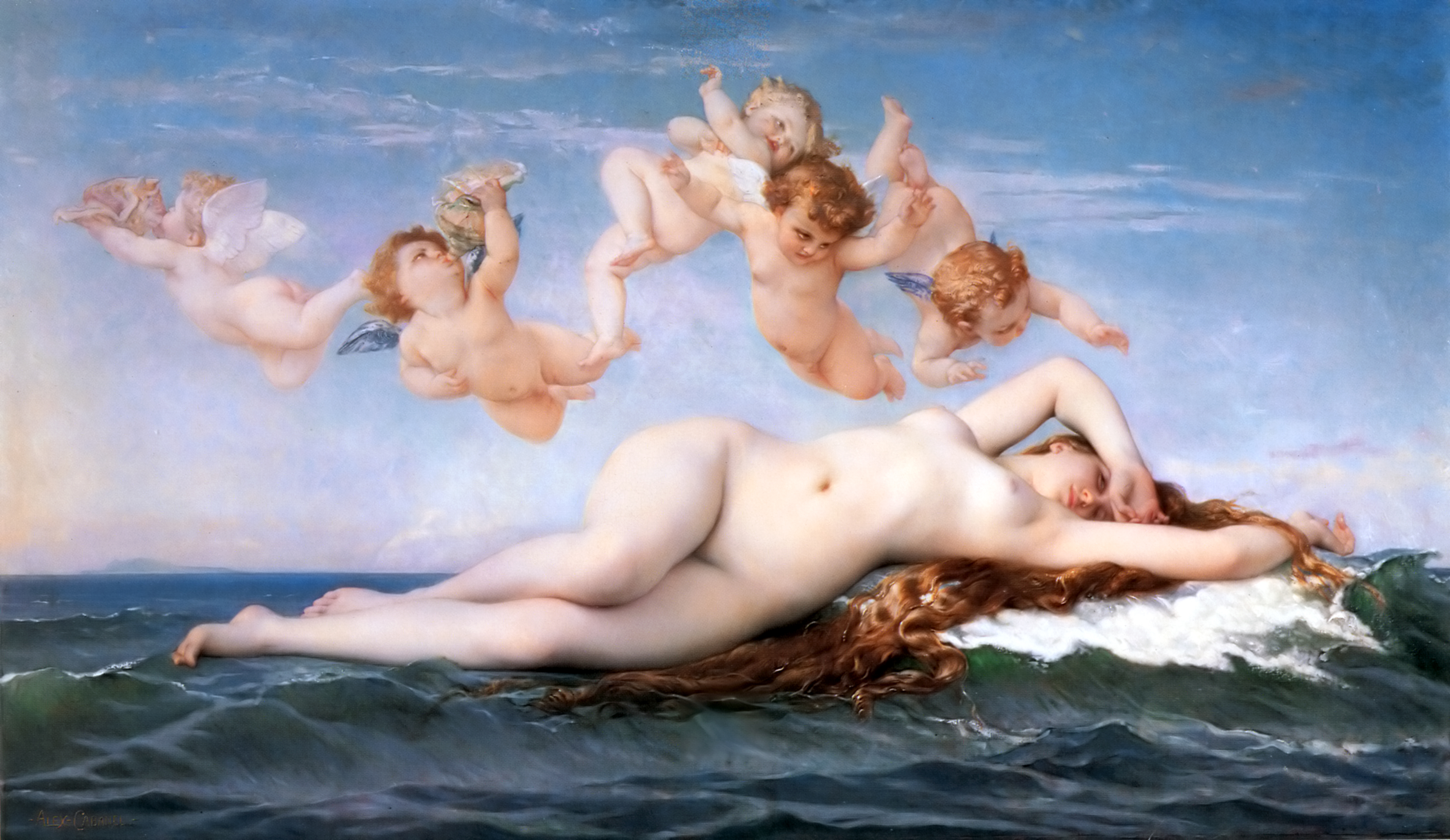
What came before was Academicism. An academy was originally an institution devoted to the study and advancement of scholarship and the arts, but over time such institutions came to serve the rulers of each era. There was no social criticism and no room for diversity: the more varied people's thinking became, the easier it was for criticism of the age to emerge, so a uniform standard of beauty was imposed. Painters made work to please those above them, and the textbook example is Alexandre Cabanel's "The Birth of Venus," on the ground floor of the Musée d'Orsay, with its beautiful Venus and cherubs. A good painting meant politically tinged subjects such as myth, angels, glory and history, rendered in flawless perspective and composition. Emperor Napoleon III liked it so much that he reportedly bought it himself.
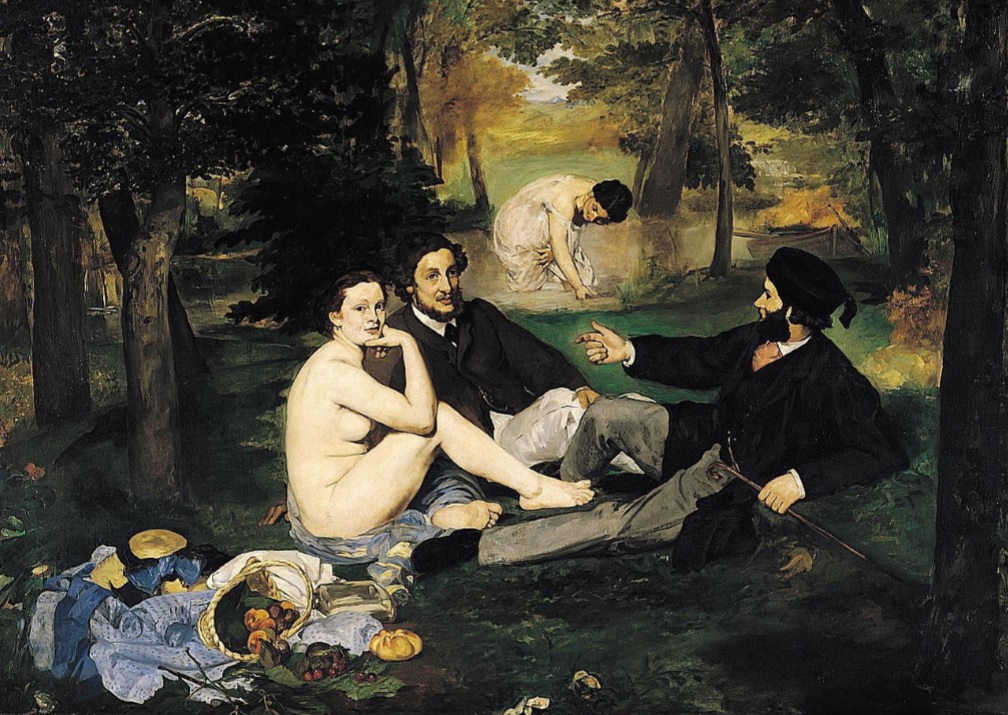
Painters of the time could only keep working if they earned money and found patrons, and that meant submitting to the Salon. But the Salon wanted Academic art that would strengthen the French Empire. While "The Birth of Venus" was being praised to the skies, another work was savaged there: Édouard Manet's "Luncheon on the Grass," also in the Musée d'Orsay. Manet is often called the father of Impressionism. The jury called the painting hideous, said it looked smeared on with a brush, that the anatomy was off, and that its painter was depraved. It was rejected, of course. So many painters were rejected that year that they protested, and the Salon des Refusés was held to show and re-evaluate the rejected works. Word that a painting of a naked young woman sitting in the woods with young men was on view spread quickly among young Parisians.
Monet and his friends heard the rumor and went to see it, and they are said to have said the exact opposite of the jury. Look at that pale skin. There's no polish, it's simple, the brushstrokes are left showing, and the broad spread of light is natural light. She's looking right at us. This is it: a painting of our world, not ancient Rome or Greece or Mount Olympus, but Paris itself. From then on, Monet and his friends Renoir and Bazille left the studio to paint real nature and the real world, rather than mythical figures or subjects everyone painted the same way.
Hunting for subjects meant traveling, and the Impressionists, who weren't making money, probably couldn't afford a carriage. Walking to find places to paint wouldn't have been practical either. Without trains, we might have missed many masterpieces, and it's tempting to think Impressionism could flourish in this era because trains existed.
Look out the window. The scenery rushes past, and if you imagine the window as a picture frame, the landscape becomes a living, moving painting. Try to imagine what Monet was thinking as he looked out, chasing light by train and wandering in search of something to paint.