Paris · Food & Drink
France, Land of Bread (2): A Field Guide to Pâtisserie
Paris · Paris, France
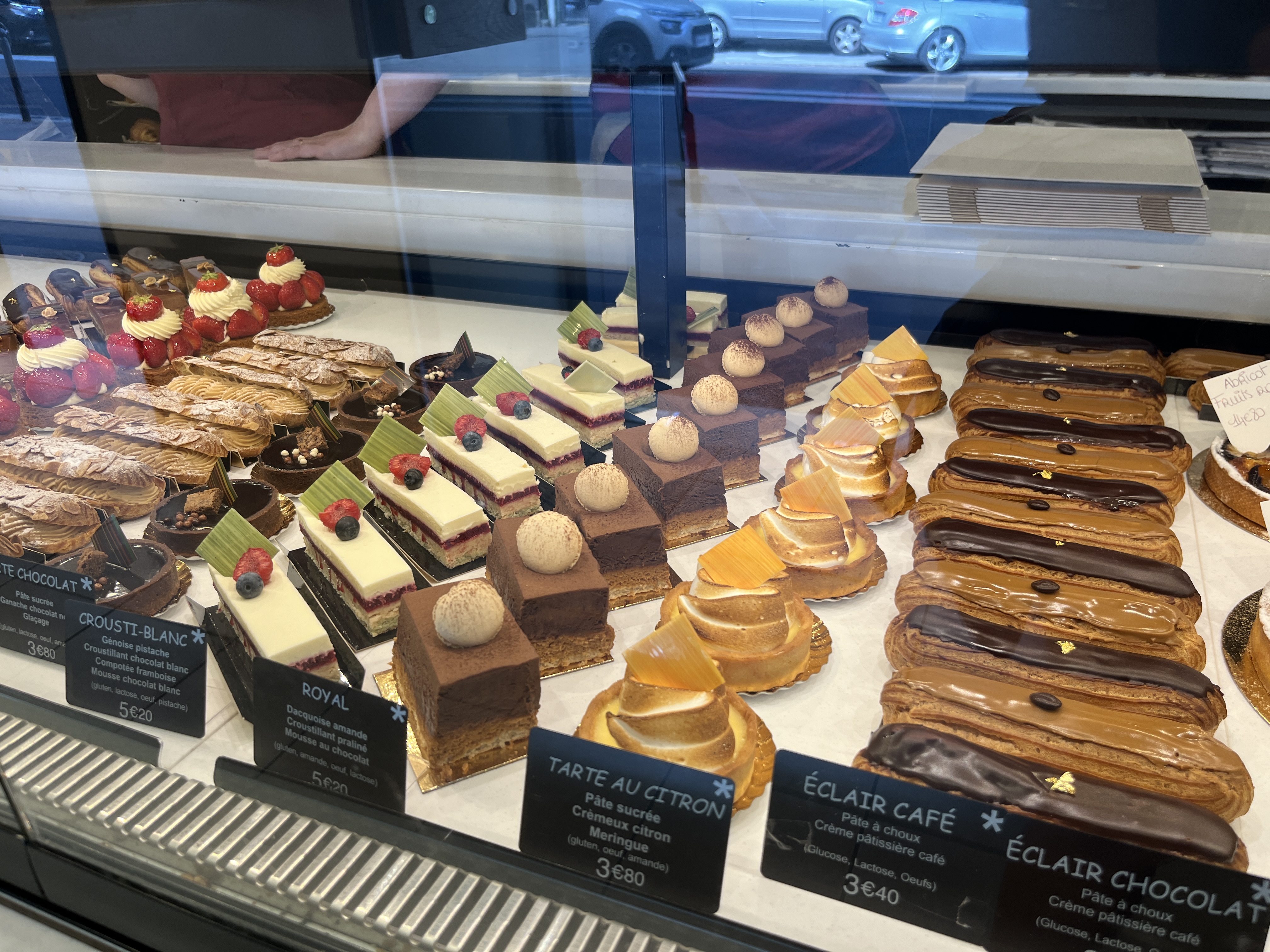
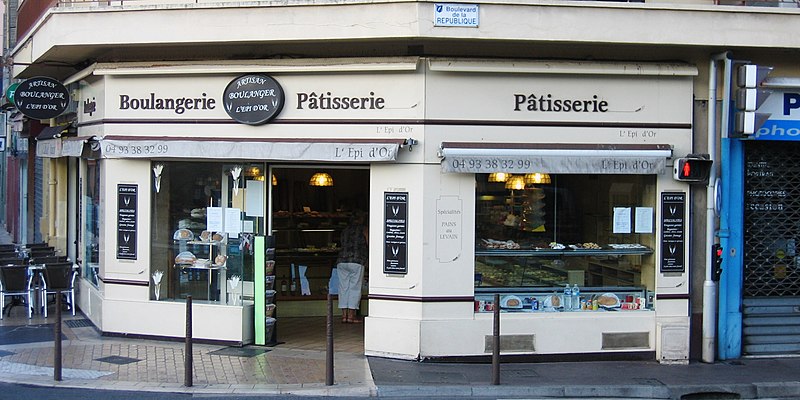
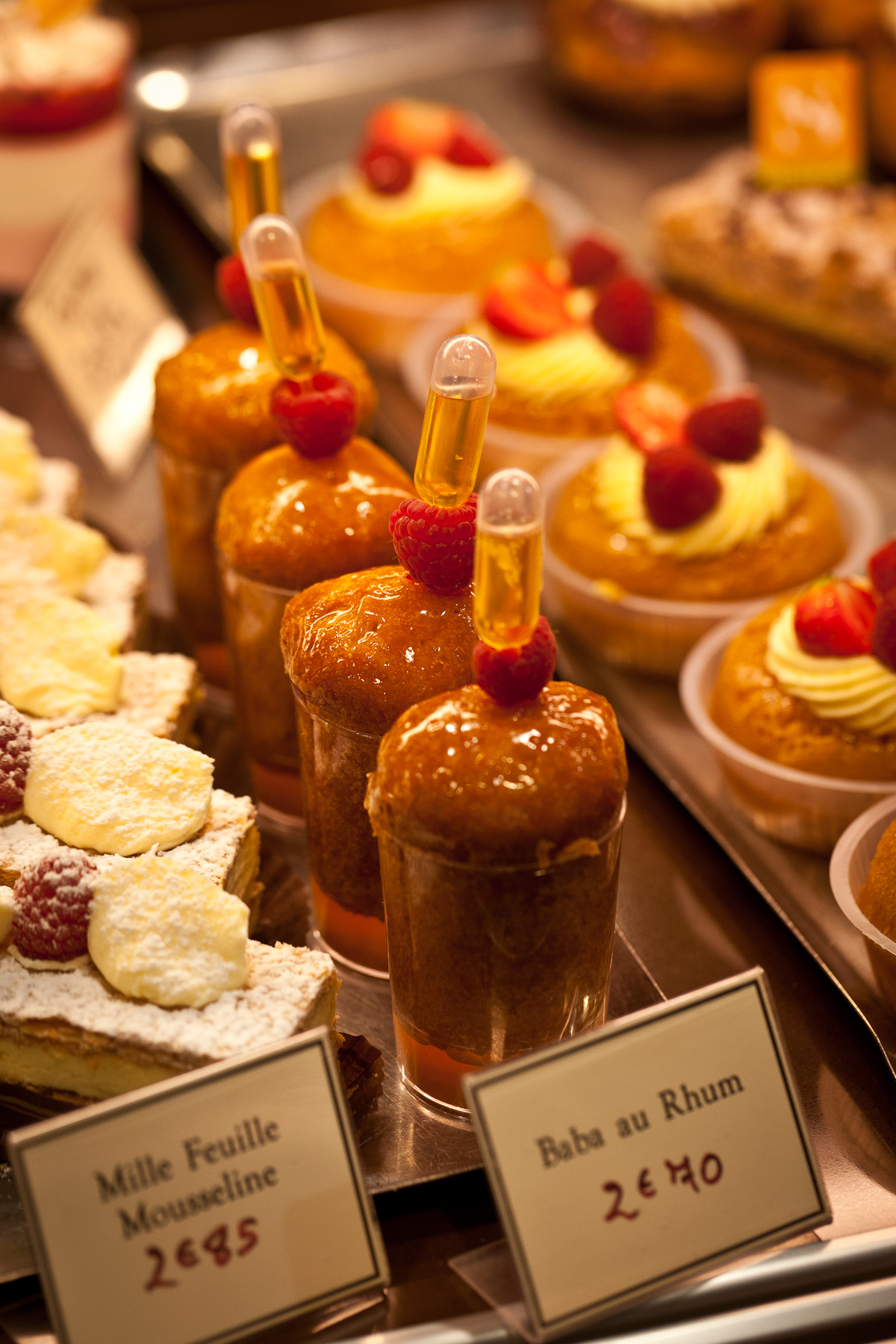
If the last chapter covered bread, the salé side, this one is about sucré: pâtisserie. We'll just call it pâtisserie rather than translate it, which sounds a lot classier. Every bakery in France sells pastries alongside bread, which is why most signs read boulangerie pâtisserie in big letters. The lineup is more or less fixed, too, so you'll see the same items at every bakery. We can't cover them all, so here are the highlights.
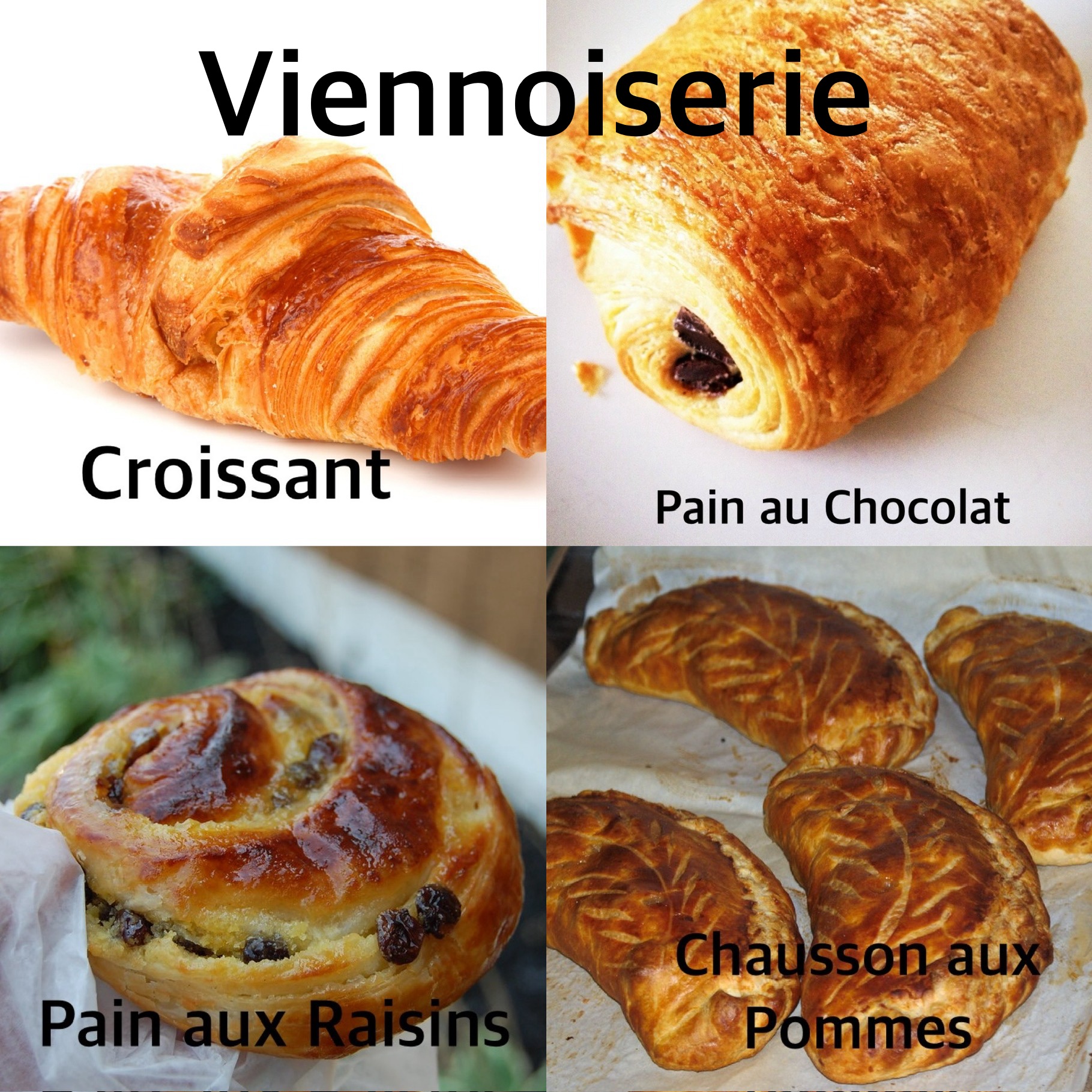
First up is a category called viennoiserie: pain au chocolat, croissant, pain aux raisins and chausson aux pommes. In terms of ingredients they're closer to pâtisserie, but in how they're made they're closer to bread, which is why we simply call them viennoiserie. They're most often eaten at breakfast. They're high in butter and not especially good for you, so bakers these days tend to use less than they once did.
From here, we'll go in alphabetical order.
Baba au rhum is exactly what it sounds like: a dough mixed with rum, left to rise, baked, and topped with whipped cream. There's alcohol in it, so keep that in mind.
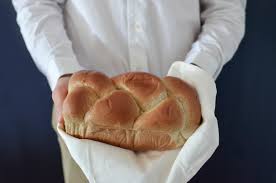
Brioche has a relatively high proportion of butter and eggs, and at home, people buy a big loaf and eat it at breakfast or goûter, spread with jam.
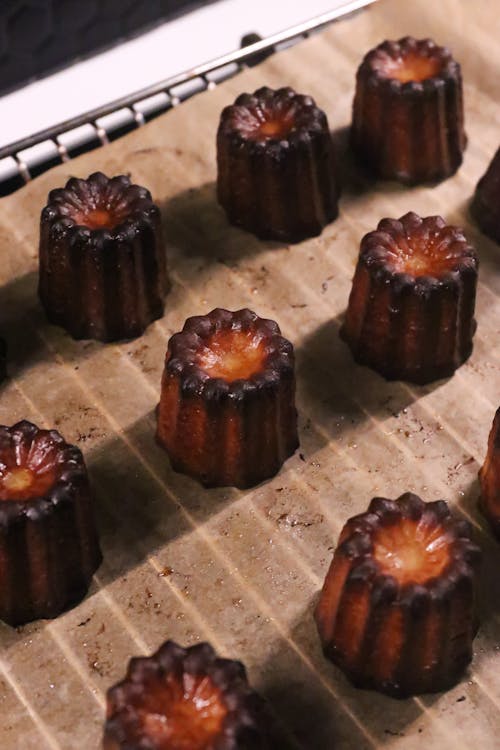
Canelé has become popular well beyond France these days. It's a specialty of Bordeaux, famous for its red wines, and it's known for its chewy texture. As with baba au rhum, rum and vanilla are the key ingredients, so if you don't want the rum, pick one made with vanilla only. The guide always buys a whole box when she's in Bordeaux and keeps them in the freezer. They're delicious but a little pricey, and you can make them at home.
Next is a pastry with a choux shell. Honestly, it's hard to go wrong, and you'll get a decent one at any bakery. Choux pastry is one of the most widely used doughs in pâtisserie. It's the soft outer part of cream puffs. Inside, you'll find a chocolate, coffee or pistachio cream, and a bite after dinner fills your mouth with rich cream.
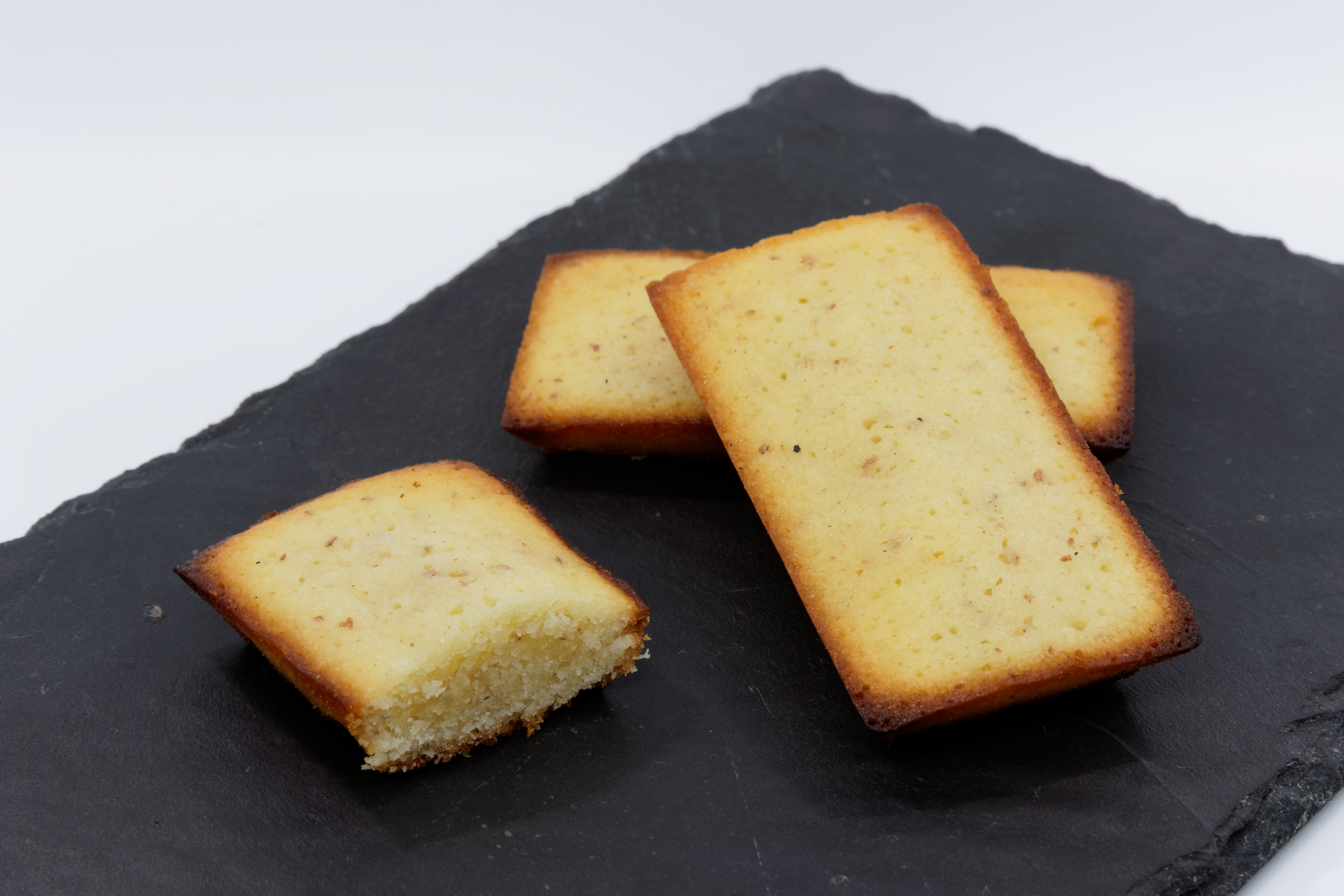
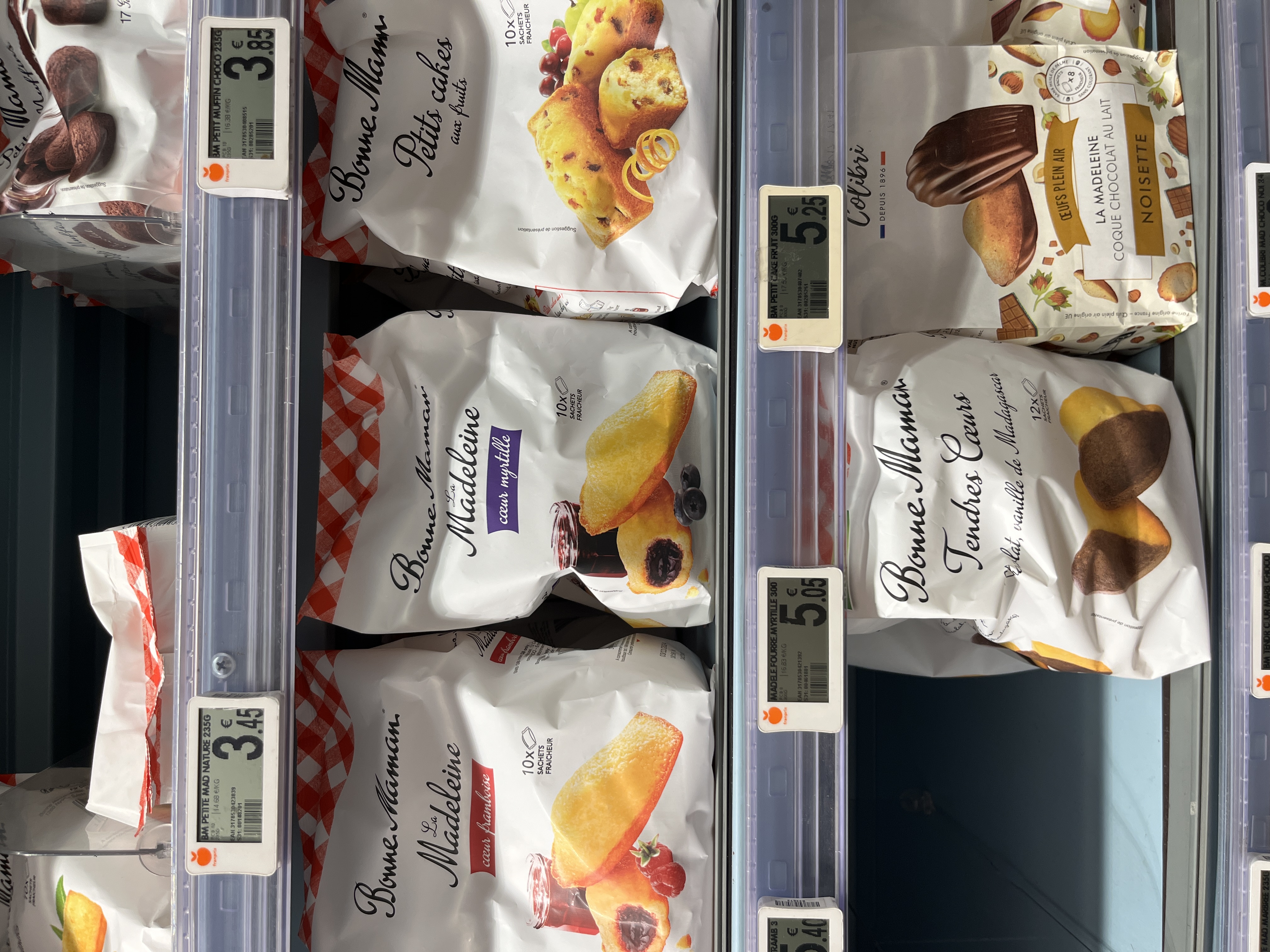
Financier is made mainly with almond flour and egg whites. Bakeries don't offer great value for it, and it's easy to find in supermarkets. One recommended supermarket brand is Bonne Maman, France's best-loved sweets maker, which mostly produces jam, cookies, biscuits and cakes for breakfast or goûter. Bonne Maman does a good job with financiers and madeleines, which we'll get to shortly. The taste and quality are good for the price, so they also make nice gifts.
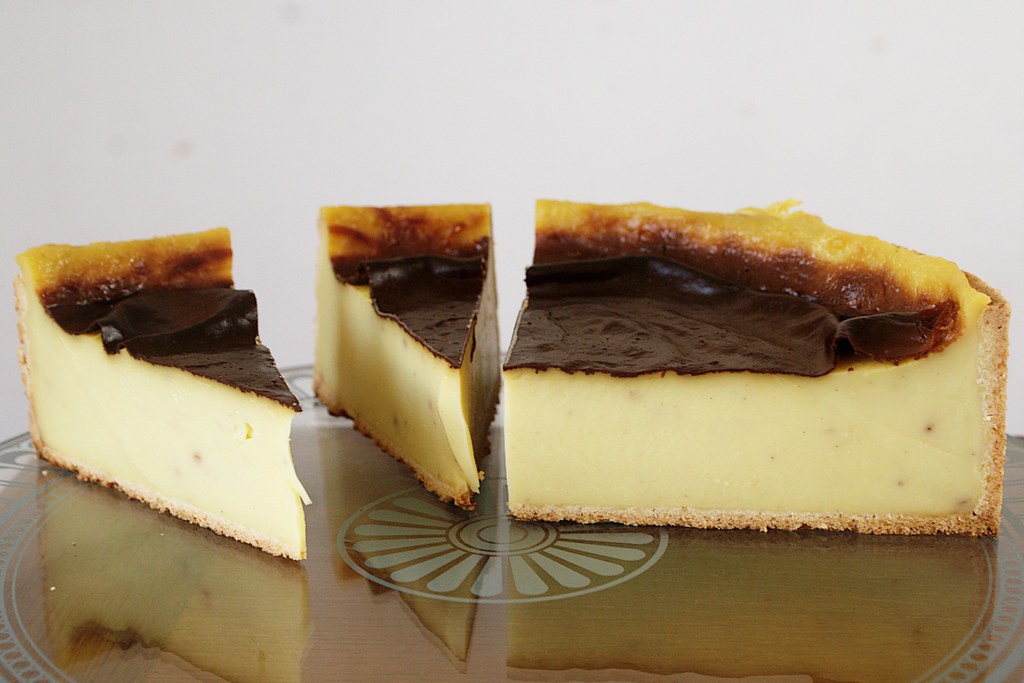
Flan has a very soft, bouncy, almost jelly-like texture. It's usually baked as a large pie and sold by the slice.
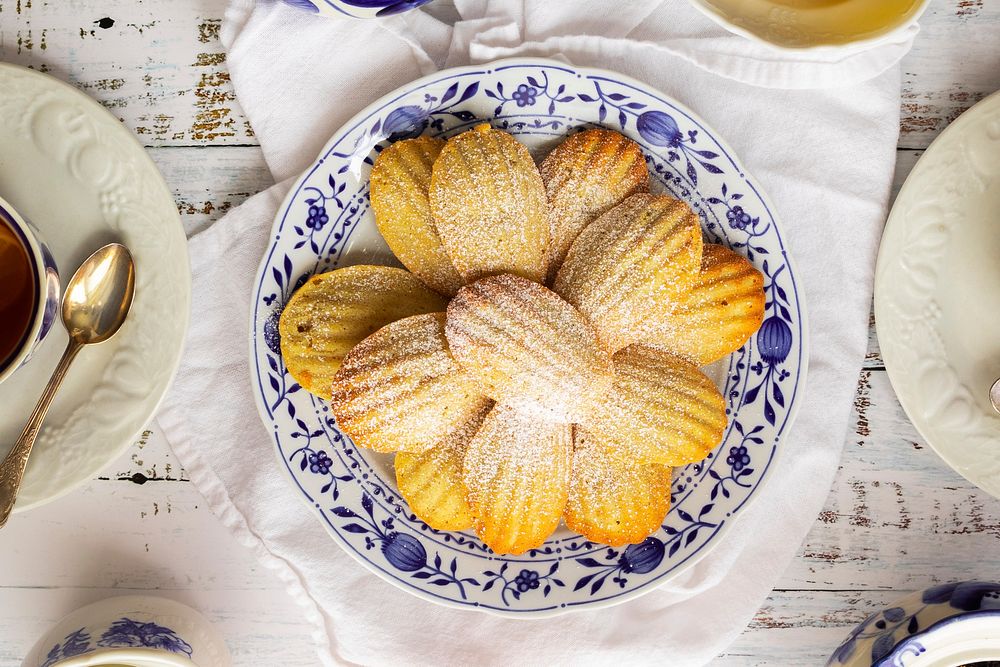
Madeleine is the famous shell-shaped soft cake. Bakeries charge a bit more for them, so most people buy them at the supermarket.
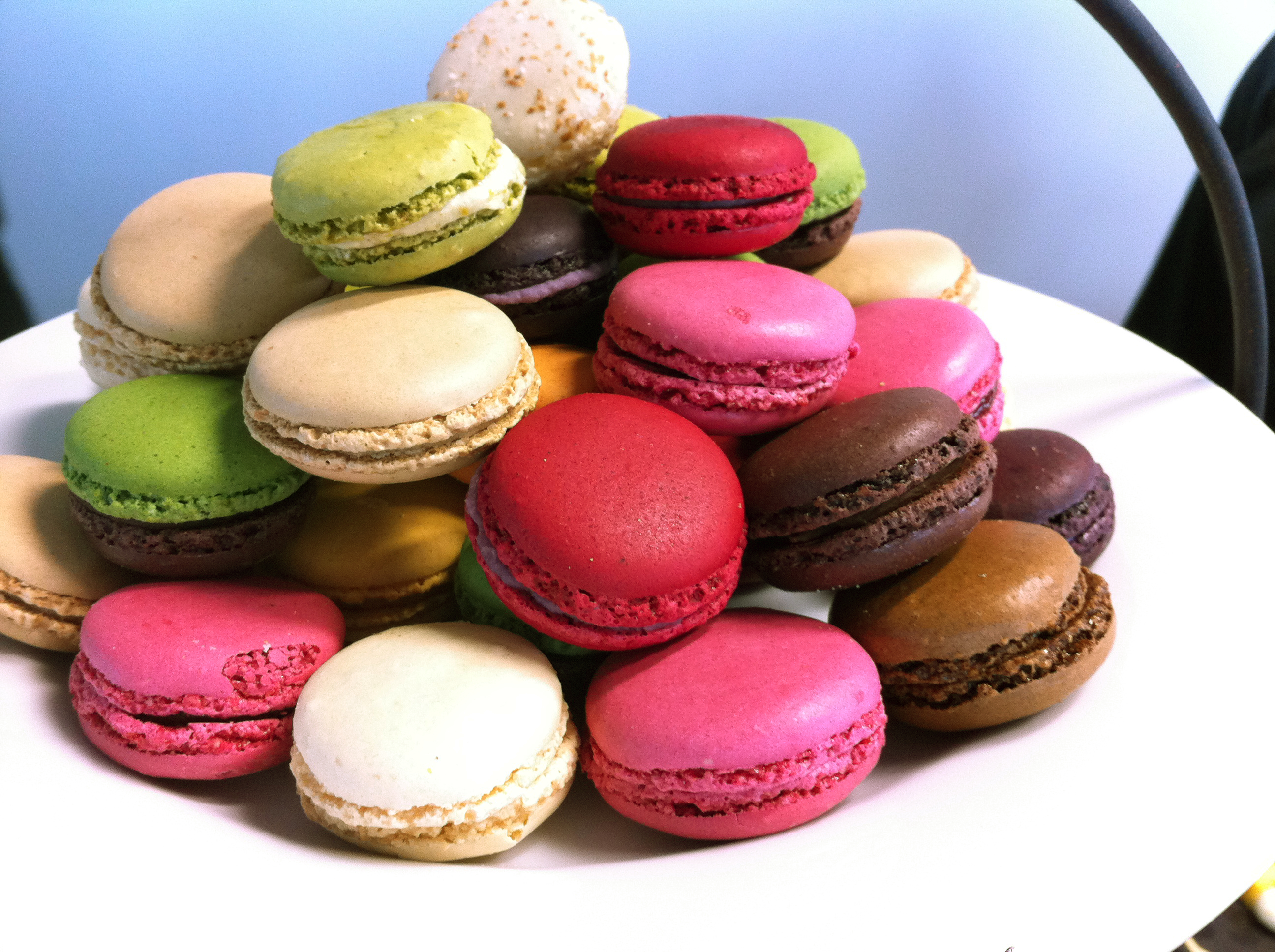
Next is the macaron, one of France's best-known desserts and one that tourists consume in strikingly large numbers. Some countries have spun off variations with extra-thick fillings, but French desserts mostly stick to traditional recipes, so there's just one form, with no variations.
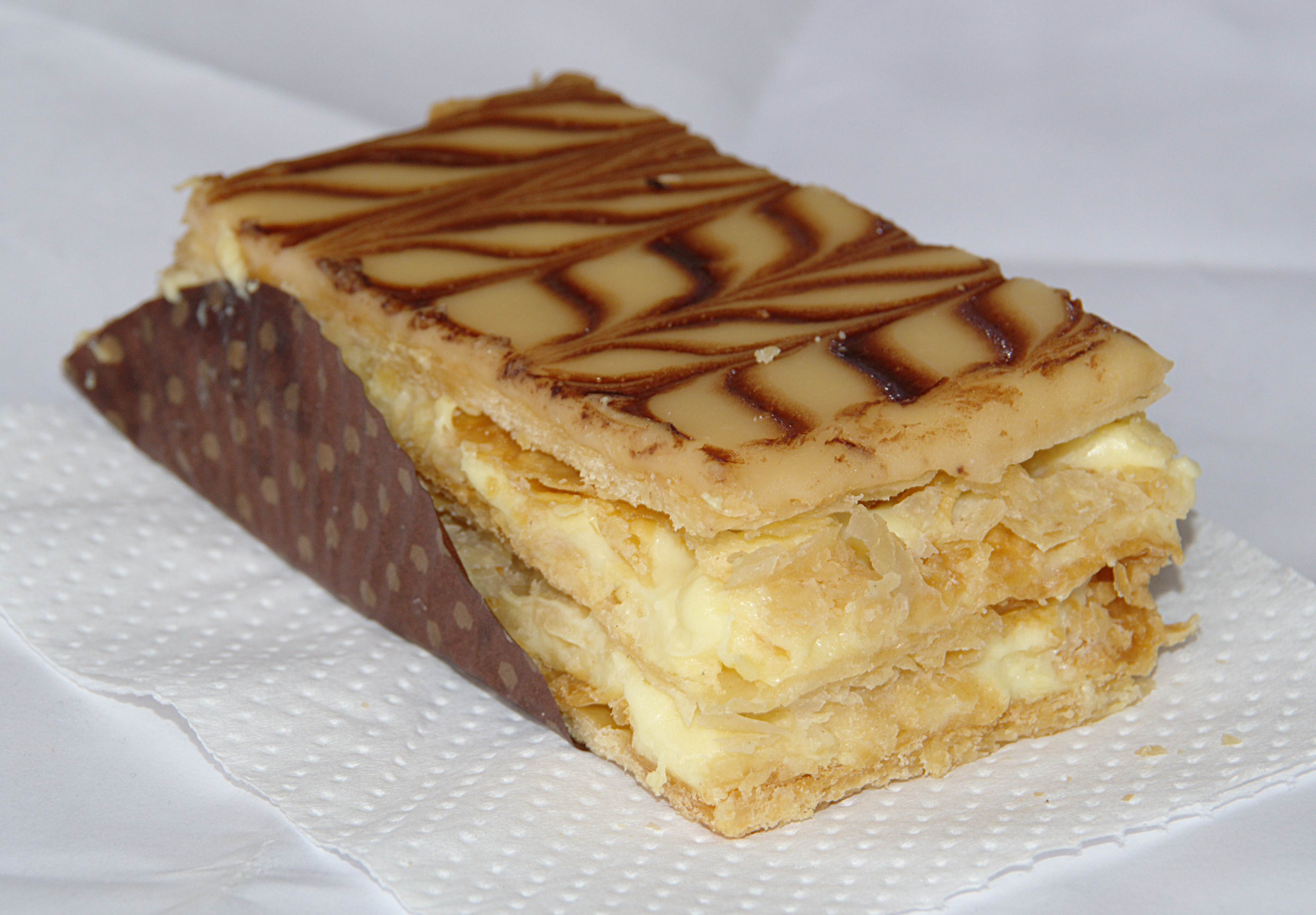
Mille-feuille is so famous that everyone knows it. It has far more cream than pastry, so pace yourself.
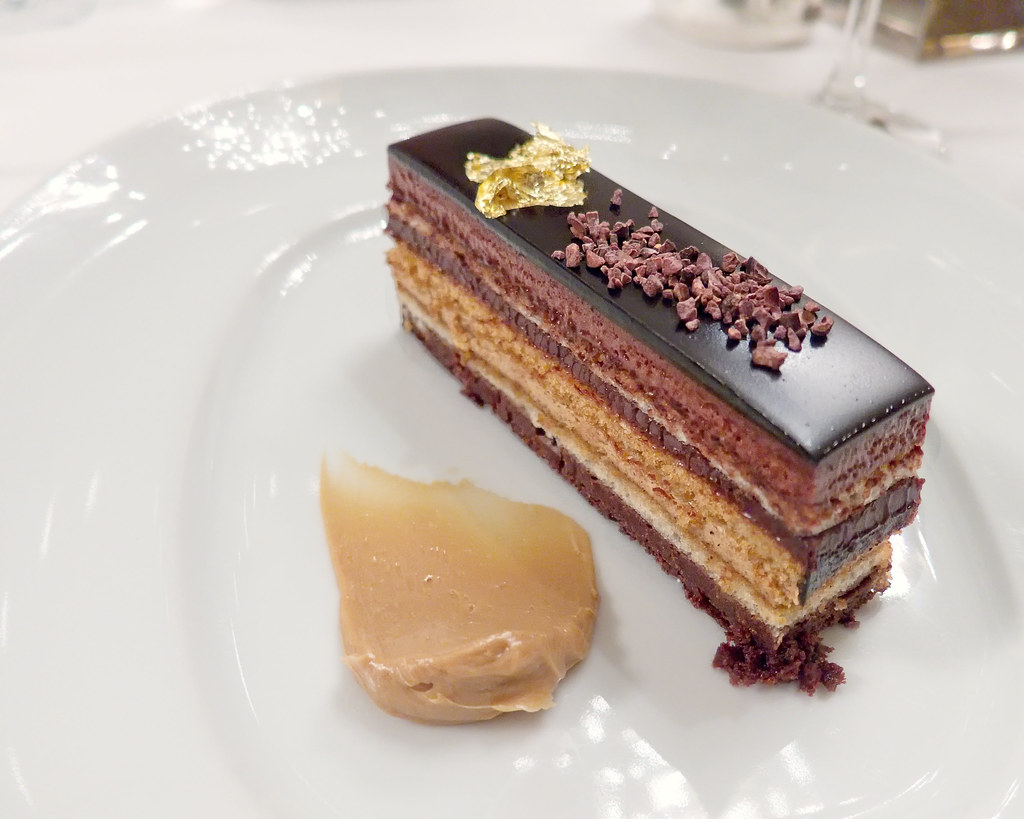
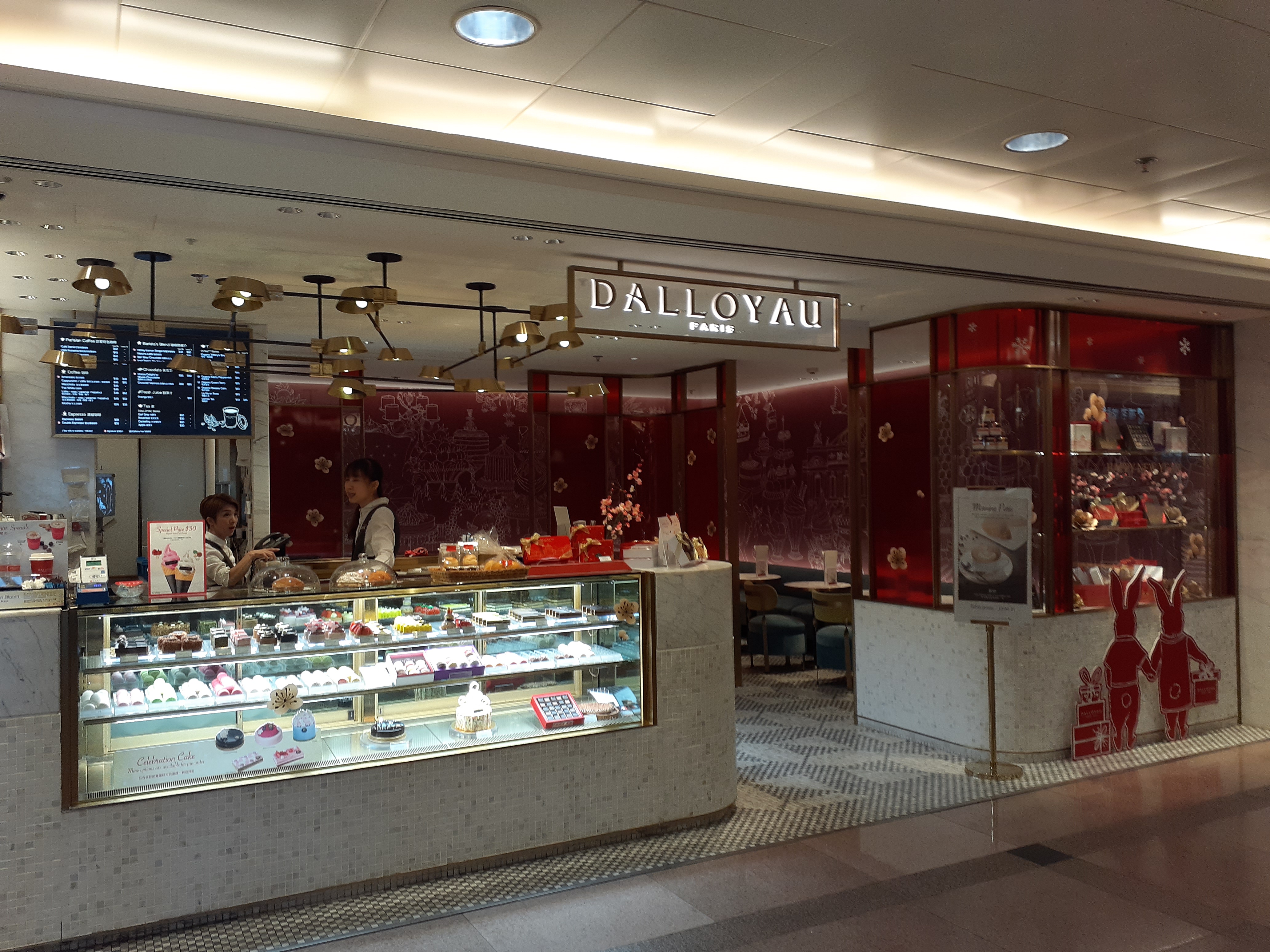
Opéra is the guide's favorite dessert. It's built from three main components: a very soft, crisp biscuit-based batter, layered with ganache and coffee-flavored cream. It doesn't have as long a history as other pâtisseries; the famous Parisian pâtisserie brand Dalloyau is said to have been making it since the 1960s.
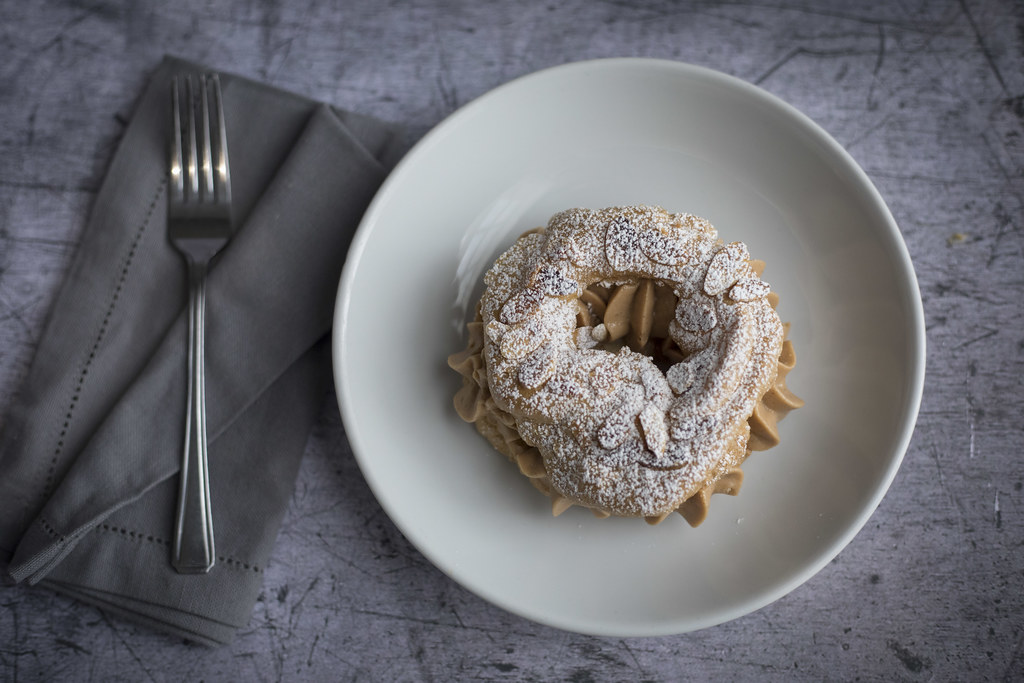
Paris-Brest is a ring of choux pastry filled with smooth praline cream. It was shaped like a bicycle wheel to commemorate the Paris-Brest-Paris cycling race. Like mille-feuille, it has a lot of cream.
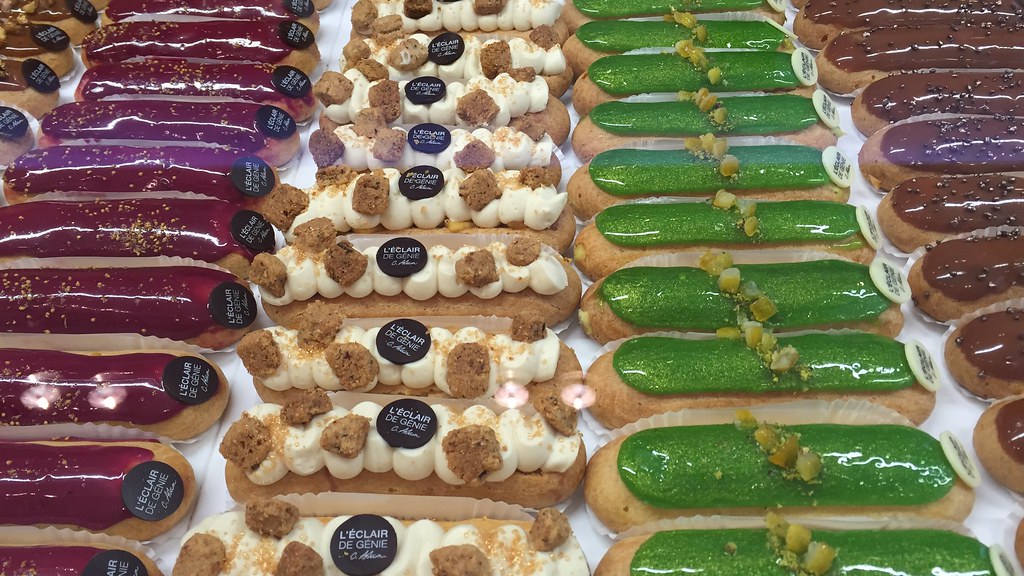
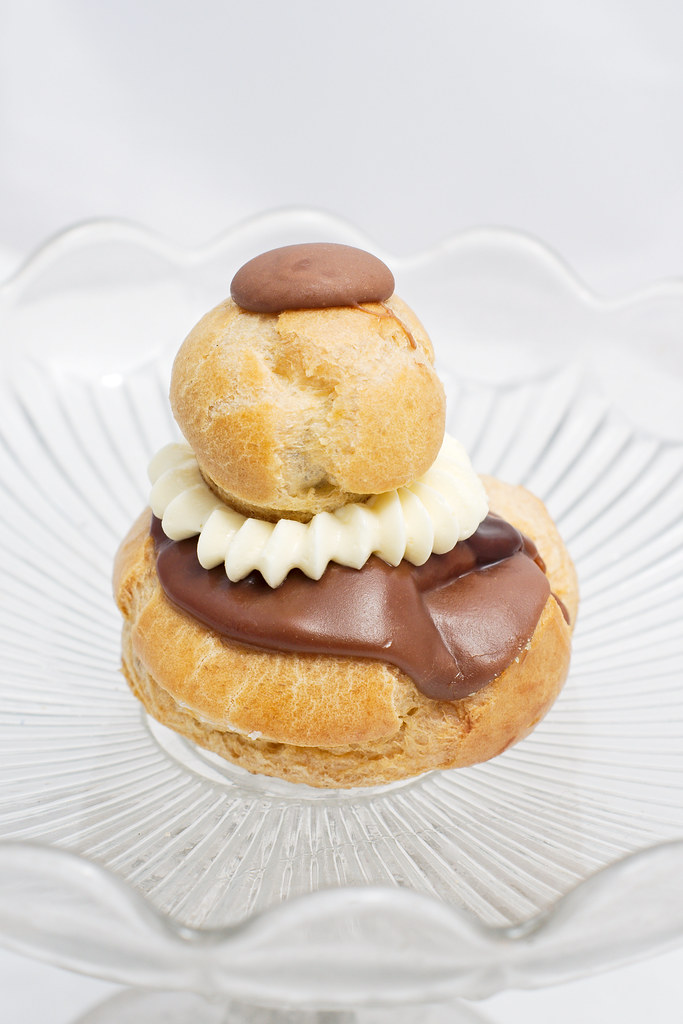
The last one is a choux pastry filled with cream and topped with chocolate or coffee cream. It's very rich too, so watch the calories.
That's a tour of the pâtisseries you'll most often see in a French bakery.