Paris · Shopping
Boucicaut's Groundbreaking Marketing
Paris · Paris, France
When you're selling something, how you promote it can matter as much as the product itself, sometimes more. Until the early nineteenth century, advertising meant handing out flyers where crowds gathered, or sandwich men who walked around with ad boards strapped to their fronts and backs. That changed with the arrival of newspaper advertising.
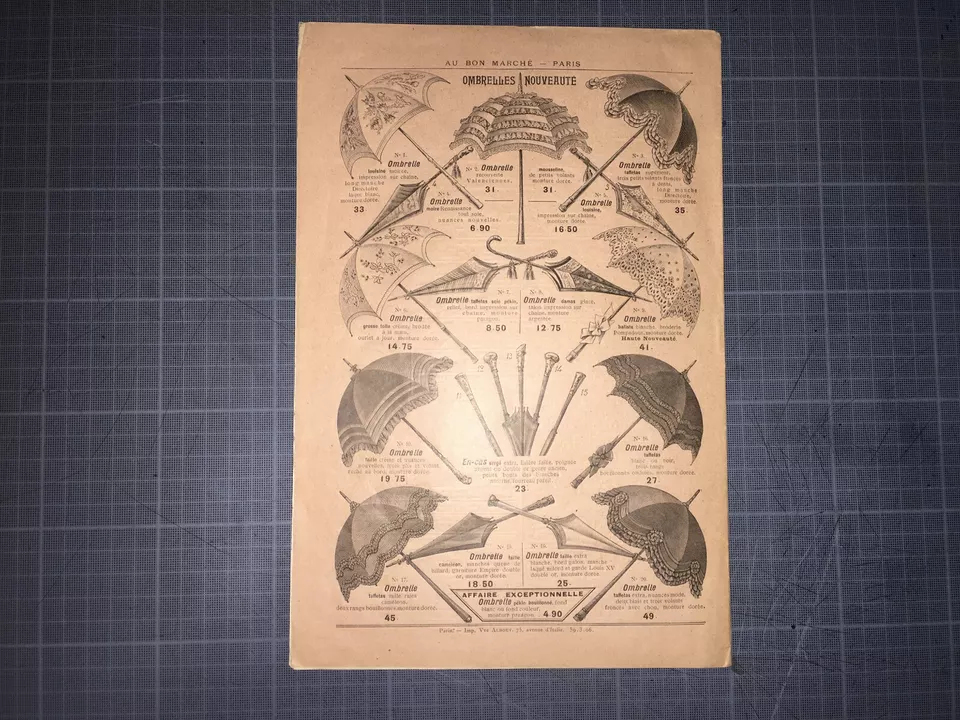
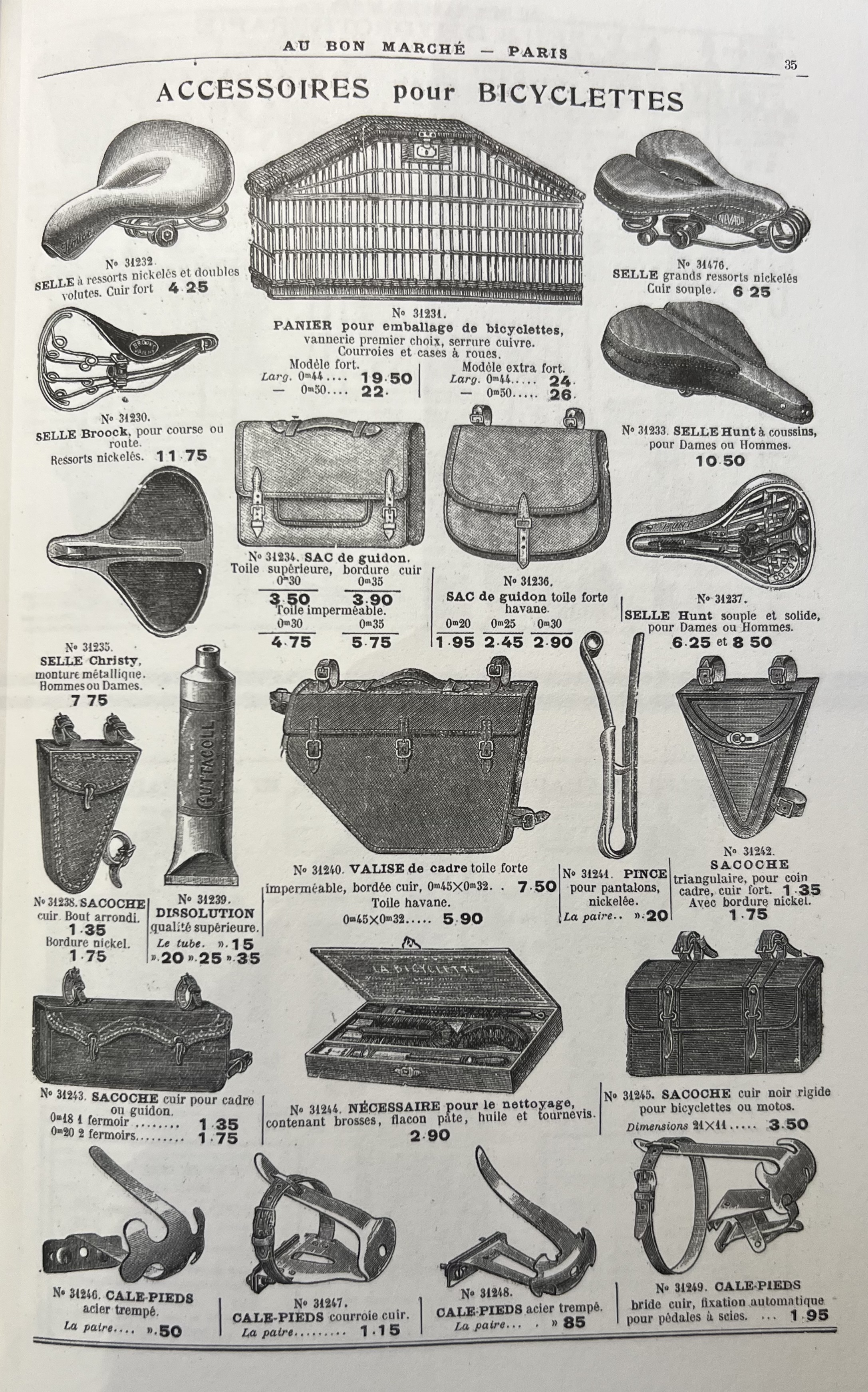
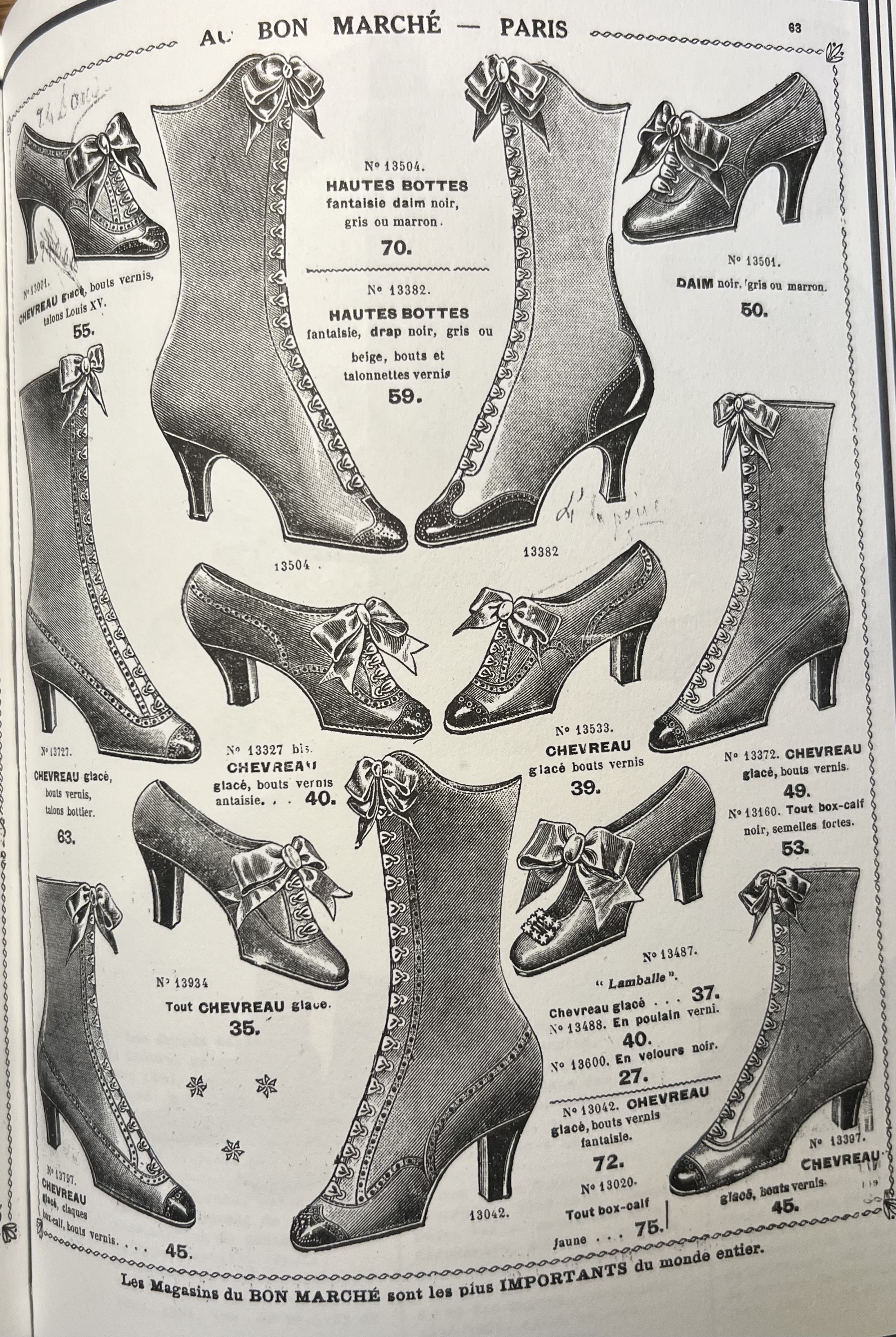
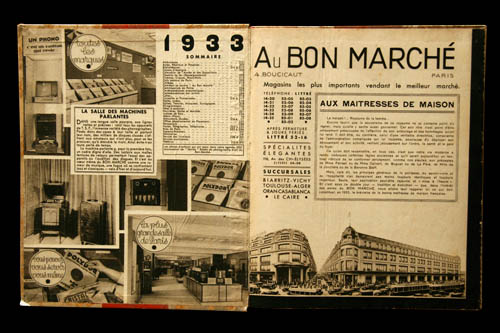
To make the most of newspaper ads, Boucicaut set up a printing house inside the store. At the time, apart from the daily La Presse, even newspaper companies could rarely afford their own presses, so putting one in a department store shows both how bold he was and how much printed material Bon Marché needed. The flagship piece of promotion was the catalog. One that Bon Marché actually published features the parasols we talked about earlier, with the fabrics used and the prices. Boucicaut had catalogs like these distributed in huge numbers across Paris and its surroundings every week to advertise and sell his goods.
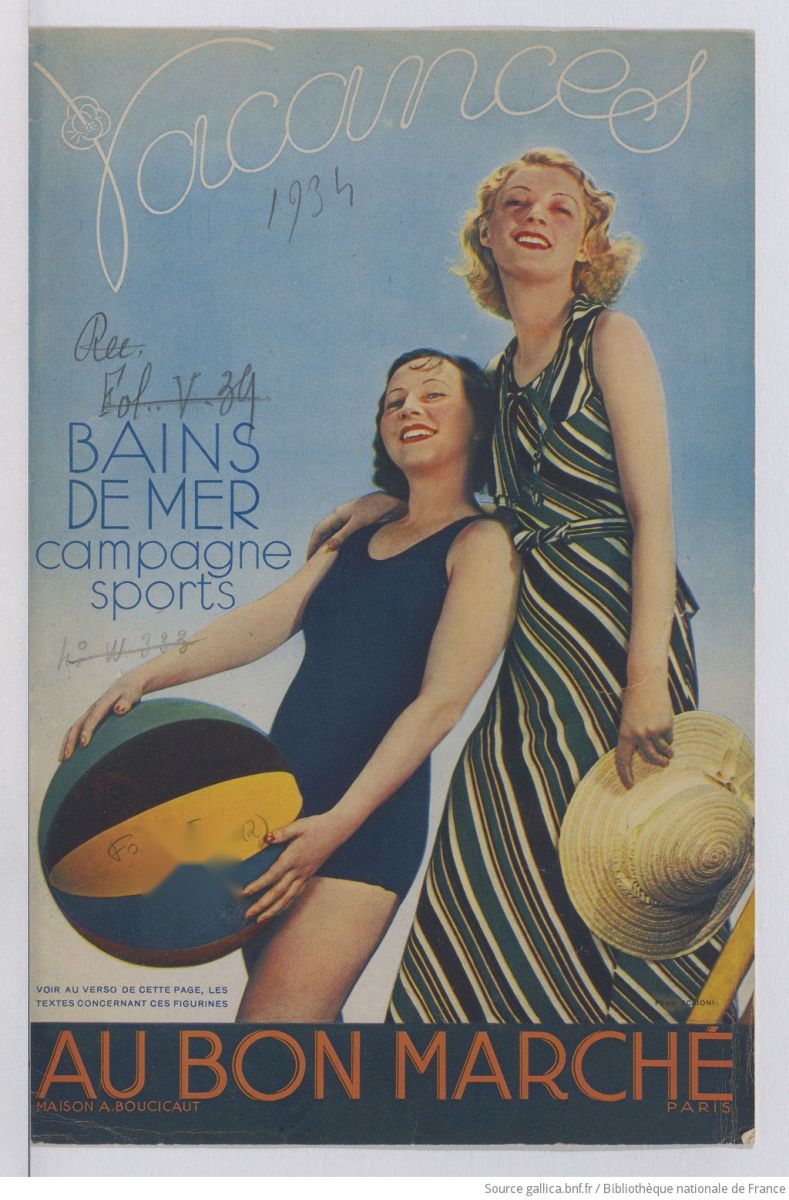
A vacation-themed catalog is a good example of how he played on women's purchasing psychology. Upper-class families then had a custom of vacationing on the Normandy coast, and by showing this new upper-class fashion in his catalog, Boucicaut presented middle-class women with the life they should aspire to. Women who saw it, wanting to act like the upper class or to keep up with trends, stopped by Bon Marché, bought swimsuits, and set off for Normandy.
Another piece of promotion built on the same psychology was the "agenda," a pocket diary printed with a yearly calendar of events. Attending such events let people with a shared culture mingle and feel they belonged to a certain level of society. The agenda quietly told people who felt excluded from the annual events, or who wanted to join that world, that taking part meant spending a certain amount at Bon Marché. Middle-class women could therefore justify shopping there not as buying things they didn't need but as the natural thing for a member of the bourgeoisie to do.
Most people trust a news report more than an ad, and may even assume it's simply true. That's understandable: an ad is driven by someone's goals and emotions, while a news story seems public and so likely based on fact. Boucicaut played on this by creating promotional articles known as réclame. They were pieces Bon Marché prepared and placed in newspapers - staged stories. He then reprinted these articles in other promotional materials such as the agenda, creating the impression that the press was fixated on Bon Marché.
He also set up a dedicated Bon Marché pavilion at the Exposition Universelle, today's World Expo, giving the impression that people from around the world came to see it. As a result, people began to feel that if they didn't visit Bon Marché, they were falling behind the times, and that feeling made Bon Marché the hottest spot in town.
So what kind of man was Boucicaut? A brilliant businessman who knew how to use psychology, or a con man who promoted himself with staged news stories? Either way, these distinctive strategies established Bon Marché as a modern department store, and it still stands in the heart of Paris today.